

Hazardous area classification is a systematic process used to identify and categorize locations where flammable gases, vapors, combustible dust, or ignitable fibers may accumulate in concentrations sufficient to create fire or explosion hazards. This classification system is fundamental to industrial safety protocols, particularly in pharmaceutical manufacturing, chemical processing, oil and gas operations, and other industries that handle volatile or combustible materials. The classification framework operates under established international standards, including IEC 60079 and NFPA 497, which define specific criteria for hazard assessment and prescribe appropriate safety equipment and installation requirements.
These standards ensure consistent application of safety measures across different industries and geographical regions. Hazardous areas are categorized into zones based on two primary factors: the probability of explosive atmosphere formation and the persistence of hazardous conditions. Zone 0 designates areas where explosive atmospheres exist continuously or for extended periods during normal operations.
Zone 1 encompasses locations where explosive atmospheres are likely to occur during normal operations. Zone 2 covers areas where explosive atmospheres are unlikely to occur during normal operations and, if present, exist only briefly. This zone-based classification system enables engineers and safety professionals to select appropriate electrical equipment, implement proper ventilation systems, and establish operational procedures that correspond to the specific risk level of each area.
Please ensure you follow all guidelines when working in a Hazard Area to maintain safety and compliance.
Key Takeaways
- Hazardous area classification is critical for identifying and managing risks in pharma facilities.
- Elion specializes in accurately conducting hazardous area classifications to ensure safety and compliance.
- Elion employs a detailed methodology combining risk assessment and industry standards for classification.
- Their assessment leads to targeted safety measures and regulatory compliance improvements.
- Proper classification enhances operational safety, reduces hazards, and supports regulatory adherence in pharma environments.
Importance of Hazardous Area Classification in Pharma Facilities
In pharmaceutical facilities, the importance of hazardous area classification cannot be overstated. These environments often involve the use of flammable solvents, reactive chemicals, and other materials that can create explosive atmospheres if not properly managed. The consequences of neglecting hazardous area classification can be severe, leading to catastrophic incidents that not only endanger lives but also result in significant financial losses and damage to reputation.
Moreover, regulatory compliance is a key driver for hazardous area classification in the pharmaceutical sector. Regulatory bodies such as the Occupational Safety and Health Administration (OSHA) and the National Fire Protection Association (NFPA) have established stringent guidelines that pharmaceutical companies must adhere to. Failure to comply with these regulations can lead to legal repercussions, fines, and even shutdowns.
Therefore, a thorough understanding of hazardous area classification is essential for pharmaceutical companies to maintain compliance and ensure the safety of their operations.
Elion’s Expertise in Conducting Hazardous Area Classification

Elion has established itself as a leader in conducting hazardous area classification assessments within the pharmaceutical industry. With a team of highly trained professionals who possess extensive knowledge of both industry standards and specific client needs, Elion is well-equipped to provide comprehensive assessments that address the unique challenges faced by pharmaceutical facilities. Their expertise encompasses a wide range of services, including risk assessments, safety audits, and the development of tailored safety protocols.
One of the distinguishing features of Elion’s approach is its commitment to staying abreast of the latest technological advancements and regulatory changes in hazardous area classification. This dedication ensures that their assessments are not only compliant with current standards but also incorporate best practices that enhance safety and operational efficiency. By leveraging their deep understanding of hazardous materials and processes, Elion helps pharmaceutical companies navigate the complexities of hazardous area classification with confidence.
Methodology Used by Elion in Conducting Hazardous Area Classification
Elion employs a systematic methodology for conducting hazardous area classification that begins with a thorough site assessment. This initial phase involves gathering detailed information about the facility’s layout, processes, and materials used. By understanding the specific operations within the facility, Elion can identify potential sources of ignition and assess the likelihood of explosive atmospheres forming.
Following the site assessment, Elion utilizes advanced modeling techniques to simulate various scenarios that could lead to hazardous conditions. This includes evaluating factors such as ventilation rates, temperature variations, and chemical interactions. The results of these simulations inform the classification of areas into appropriate zones based on the frequency and duration of potential explosive atmospheres.
Additionally, Elion collaborates closely with facility personnel to ensure that their insights and experiences are integrated into the classification process.
Findings and Recommendations from Elion’s Hazardous Area Classification at the Pharma Facility
| Parameter | Details |
|---|---|
| Project Name | Hazardous Area Classification at Pharma Facility |
| Client | Pharmaceutical Company |
| Conducted By | Elion |
| Location | Pharma Manufacturing Plant |
| Scope of Work | Identification and classification of hazardous zones based on chemical processes and materials |
| Hazardous Zones Classified | Zone 0, Zone 1, Zone 2 |
| Key Chemicals Assessed | Solvents, Flammable gases, Vapors |
| Standards Followed | IEC 60079, NFPA 497 |
| Duration | 4 weeks |
| Deliverables | Hazardous Area Classification Report, Safety Recommendations, Zone Maps |
| Outcome | Improved safety compliance and risk mitigation for electrical installations |
Upon completing a hazardous area classification assessment at a pharmaceutical facility, Elion typically presents a comprehensive report detailing their findings and recommendations. These reports often highlight specific areas within the facility that require immediate attention due to elevated risks associated with explosive atmospheres. For instance, Elion may identify certain production areas where flammable solvents are used extensively without adequate ventilation or explosion-proof equipment.
In addition to identifying high-risk areas, Elion provides actionable recommendations aimed at mitigating identified hazards. These may include suggestions for redesigning workflows to minimize the use of flammable materials in certain zones or implementing enhanced ventilation systems to reduce the concentration of vapors. Furthermore, Elion often recommends regular training sessions for staff to ensure they are aware of potential hazards and understand how to respond effectively in emergency situations.
Compliance and Safety Measures Implemented as a Result of Elion’s Assessment
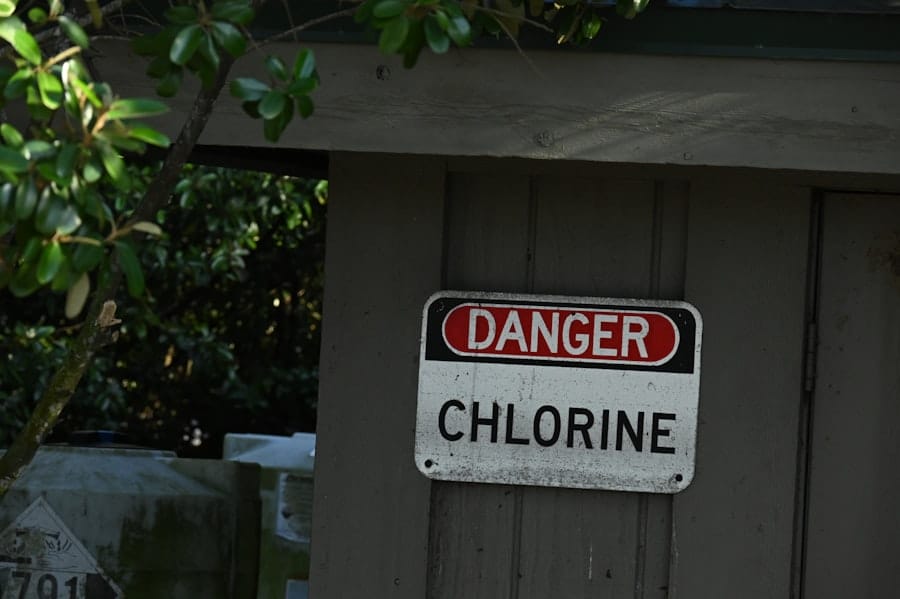
The implementation of compliance and safety measures following Elion’s hazardous area classification assessment is crucial for ensuring ongoing safety within pharmaceutical facilities. Based on Elion’s recommendations, many facilities have adopted rigorous safety protocols that align with regulatory requirements. This may involve installing explosion-proof electrical equipment in classified zones or implementing strict access controls to limit personnel exposure to high-risk areas.
Additionally, regular maintenance schedules for safety equipment are established to ensure that all systems remain functional and effective over time. Training programs are also enhanced to include specific modules on hazardous area awareness and emergency response procedures. By fostering a culture of safety and compliance, pharmaceutical facilities can significantly reduce the risk of incidents related to explosive atmospheres.
Benefits of Proper Hazardous Area Classification in Pharma Facilities
Proper hazardous area classification offers numerous benefits for pharmaceutical facilities beyond mere compliance with regulations. One significant advantage is the enhancement of overall operational efficiency. By identifying and addressing potential hazards proactively, companies can minimize downtime caused by accidents or equipment failures.
This not only protects personnel but also ensures that production schedules remain on track. Moreover, effective hazardous area classification contributes to improved employee morale and confidence in workplace safety. When employees feel secure in their environment, they are more likely to be productive and engaged in their work.
Additionally, a strong safety record can enhance a company’s reputation within the industry, attracting potential clients and partners who prioritize safety in their operations.
The Impact of Elion’s Hazardous Area Classification on the Pharma Facility
Elion’s expertise in hazardous area classification has a profound impact on pharmaceutical facilities by providing them with the tools necessary to identify risks and implement effective safety measures. Through meticulous assessments and tailored recommendations, Elion empowers companies to navigate the complexities of hazardous environments confidently. The resulting improvements in safety protocols not only protect employees but also enhance operational efficiency and regulatory compliance.
As pharmaceutical companies continue to innovate and expand their operations, the importance of robust hazardous area classification will only grow. By partnering with experts like Elion, these facilities can ensure that they remain at the forefront of safety practices while effectively managing risks associated with hazardous materials. The ongoing commitment to safety will ultimately contribute to a more resilient industry capable of meeting the challenges of an ever-evolving landscape.
Elion’s recent project on Hazardous Area Classification at a Pharma Facility highlights the importance of safety in environments dealing with potentially hazardous materials. This initiative aligns with other critical safety measures, such as those discussed in our article on fire safety audits and electrical safety audits conducted for the Office of the Regulatory Authority of India. Both efforts underscore the necessity of rigorous safety protocols in various sectors to protect personnel and ensure compliance with regulatory standards.
Need expert assistance with Hazard Area? Contact Elion Technologies and Consulting Pvt. Ltd. now.
FAQs
What is hazardous area classification?
Hazardous area classification is the process of identifying and categorizing areas where explosive gases, vapors, or dusts may be present in quantities sufficient to pose a risk of fire or explosion. This classification helps in selecting appropriate equipment and safety measures.
Why is hazardous area classification important in a pharmaceutical facility?
Pharmaceutical facilities often handle flammable solvents and chemicals. Proper hazardous area classification ensures that electrical and mechanical equipment used in these areas are suitable and safe, reducing the risk of accidents and ensuring compliance with safety regulations.
Who conducted the hazardous area classification at the pharma facility?
The hazardous area classification at the pharmaceutical facility was conducted by Elion, a company specializing in safety engineering and hazardous area assessments.
What are the typical steps involved in hazardous area classification?
The typical steps include identifying potential sources of flammable substances, assessing the likelihood and duration of their presence, defining zones based on risk levels, and documenting the classification for safety and compliance purposes.
What standards or guidelines are followed during hazardous area classification?
Hazardous area classification is generally performed in accordance with international standards such as IEC 60079 series, NFPA 70 (National Electrical Code), and local regulations relevant to the industry and region.
How does hazardous area classification impact equipment selection?
Equipment installed in classified hazardous areas must be designed and certified to prevent ignition of flammable atmospheres. The classification determines the type and protection level of equipment required to ensure safety.
Can hazardous area classification change over time?
Yes, hazardous area classification can change due to modifications in processes, introduction of new materials, or changes in operational procedures. Regular reviews and updates are necessary to maintain safety.
What benefits does a pharmaceutical facility gain from conducting hazardous area classification?
Benefits include enhanced safety for personnel and assets, compliance with legal and industry standards, prevention of costly accidents, and assurance of uninterrupted operations.