
Elion’s Process Safety Audit is a comprehensive evaluation system designed to strengthen safety protocols in oil and gas terminals where hazardous materials are handled daily. This audit extends beyond regulatory compliance to actively identify and address potential risks before incidents occur. It thoroughly examines operational practices, safety management systems, and industry standard compliance to detect safety vulnerabilities across all terminal operations.
The audit is conducted by a diverse team of experts including safety engineers, process safety specialists, and operational personnel who combine their specialized knowledge to evaluate the terminal’s safety protocol adherence. Through a methodical approach, Elion’s audit aims to establish a pervasive safety culture throughout the organization. The primary objective is to ensure terminals operate within legal requirements while implementing best practices that safeguard employee health, environmental integrity, and community safety.
Please ensure your workplace complies with all regulations by scheduling a comprehensive Safety Audit today.
Key Takeaways
- Elion’s Process Safety Audit is crucial for identifying risks and enhancing safety at oil & gas terminals.
- The audit highlights key safety gaps and provides actionable recommendations to mitigate hazards.
- Implementing recommended safety measures significantly improves the terminal’s safety culture.
- Continuous safety improvement plans are essential for maintaining high safety standards over time.
- Process safety audits play a vital role in ensuring safe and reliable operations in the oil & gas industry.
Importance of Process Safety Audit in Oil & Gas Industry
The oil and gas industry is inherently fraught with risks due to the nature of its operations, which often involve the handling of flammable and toxic substances. A process safety audit is vital in this context as it serves as a safeguard against potential disasters that could arise from equipment failures, human errors, or inadequate safety measures. By systematically evaluating processes and identifying weaknesses, these audits play a crucial role in preventing accidents that could lead to catastrophic outcomes, including loss of life, environmental damage, and significant financial losses.
Moreover, the importance of process safety audits extends beyond immediate risk mitigation. They also contribute to regulatory compliance and enhance the overall reputation of the organization. In an industry where public perception can significantly impact operations, demonstrating a commitment to safety through regular audits can bolster stakeholder confidence.
Additionally, these audits often reveal opportunities for operational improvements that can lead to increased efficiency and reduced costs. By investing in thorough safety evaluations, companies not only protect their workforce and assets but also position themselves as leaders in responsible operational practices.
Overview of the Oil & Gas Terminal Undergoing the Audit
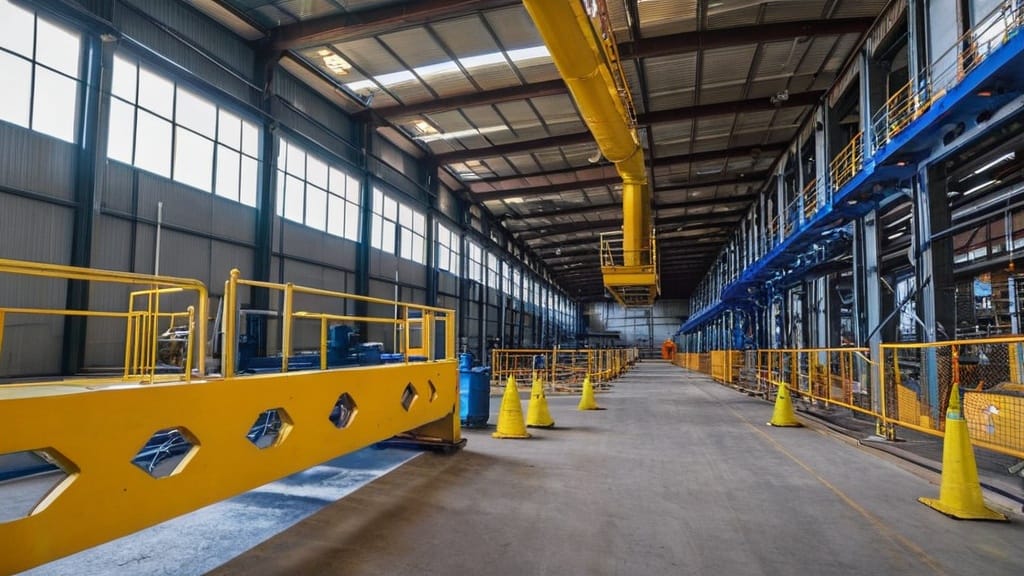
The oil and gas terminal undergoing Elion’s process safety audit is a pivotal hub for the transportation and storage of hydrocarbons. Strategically located near major transportation routes, this terminal plays a crucial role in the supply chain, facilitating the movement of crude oil and refined products to various markets. The facility is equipped with advanced technology for monitoring and controlling operations, yet it also faces unique challenges associated with its scale and complexity.
This terminal features multiple storage tanks, loading and unloading facilities, and extensive pipeline networks that connect it to refineries and distribution centers. Given its operational scale, the terminal must adhere to stringent safety regulations while managing the inherent risks associated with large volumes of hazardous materials. The audit focuses on various aspects of terminal operations, including equipment integrity, emergency response protocols, training programs for personnel, and adherence to environmental regulations.
By examining these elements in detail, Elion’s audit aims to identify areas for improvement that can enhance both safety and operational efficiency.
Key Findings and Recommendations from Elion’s Process Safety Audit
Elion’s process safety audit yielded several key findings that highlighted both strengths and areas for improvement within the terminal’s operations. One significant observation was the effectiveness of existing safety management systems in place; however, gaps were identified in the documentation and communication of safety procedures among staff members. This inconsistency can lead to misunderstandings or non-compliance during critical operations, underscoring the need for enhanced training programs that emphasize clear communication and adherence to established protocols.
Another critical finding was related to equipment maintenance practices. While many systems were found to be well-maintained, certain aging infrastructure components showed signs of wear that could pose risks if not addressed promptly. The audit recommended implementing a more rigorous preventive maintenance schedule that includes regular inspections and timely replacements of aging equipment.
Additionally, it suggested leveraging technology such as predictive maintenance tools that utilize data analytics to forecast potential failures before they occur.
Implementation of Safety Measures and Best Practices
| Audit Parameter | Details | Findings | Recommendations | Status |
|---|---|---|---|---|
| Audit Date | March 15-20, 2024 | N/A | N/A | Completed |
| Location | Elion Oil & Gas Terminal, Texas | N/A | N/A | Completed |
| Process Safety Management (PSM) Compliance | Review of PSM elements | 85% compliance | Improve training and documentation | Ongoing |
| Hazard Identification | Assessment of potential hazards | 3 high-risk hazards identified | Implement additional safeguards | Pending |
| Emergency Response Preparedness | Evaluation of emergency plans and drills | Drills conducted quarterly | Increase frequency to monthly | Planned |
| Equipment Integrity | Inspection of critical equipment | 2 equipment items require maintenance | Schedule immediate repairs | In Progress |
| Training & Competency | Review of staff training records | 90% staff trained on safety protocols | Complete training for remaining 10% | Ongoing |
| Incident Investigation | Review of past 12 months incidents | 5 incidents reported, 2 near misses | Enhance root cause analysis process | Ongoing |
Following the audit’s findings, the terminal management initiated a series of targeted actions aimed at bolstering safety measures and integrating best practices into daily operations. One of the first steps taken was the development of a comprehensive training program tailored to address the specific gaps identified during the audit. This program included workshops focused on emergency response procedures, hazard recognition, and effective communication strategies among team members.
In addition to training enhancements, the terminal adopted advanced monitoring technologies designed to improve real-time visibility into operational conditions. These technologies include automated leak detection systems and enhanced surveillance capabilities that allow for immediate identification of potential hazards. By integrating these tools into daily operations, the terminal aims to create a more proactive safety environment where risks can be identified and mitigated before they escalate into serious incidents.
Impact of the Audit on the Overall Safety Culture at the Terminal
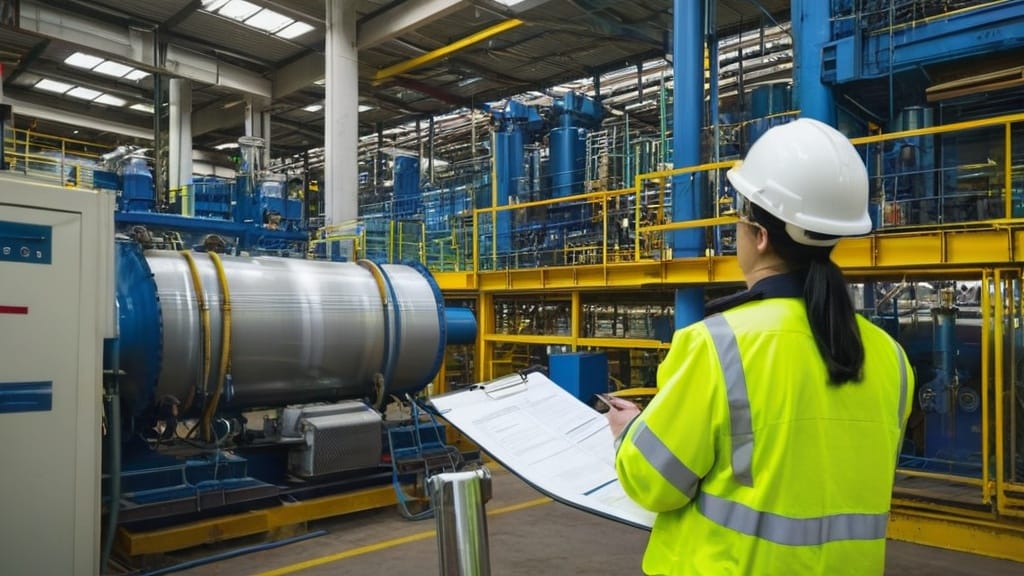
The impact of Elion’s process safety audit on the terminal’s safety culture has been profound. The audit not only highlighted existing vulnerabilities but also served as a catalyst for change within the organization. Employees at all levels have become more engaged in safety discussions, recognizing their individual roles in maintaining a safe working environment.
This shift in mindset has fostered an atmosphere where safety is viewed as a shared responsibility rather than solely a management concern. Furthermore, management has taken an active role in promoting safety initiatives by regularly communicating updates on audit findings and progress made toward implementing recommendations. This transparency has built trust among employees and encouraged them to voice concerns or suggestions related to safety practices.
As a result, there has been an observable increase in reporting near-misses and unsafe conditions, which is a positive indicator of an evolving safety culture where employees feel empowered to contribute to continuous improvement efforts.
Future Plans for Continuous Safety Improvement at the Terminal
Looking ahead, the terminal is committed to establishing a framework for continuous safety improvement that builds upon the foundation laid by Elion’s audit. This framework will include regular follow-up audits to assess progress on implemented recommendations and identify new areas for enhancement. By adopting a cyclical approach to safety evaluations, the terminal aims to remain vigilant against emerging risks while fostering an environment of ongoing learning.
Additionally, management plans to invest in further training opportunities for employees, focusing on advanced topics such as risk assessment methodologies and incident investigation techniques. By equipping staff with these skills, the terminal seeks to cultivate a workforce that is not only aware of existing hazards but also capable of proactively identifying potential risks before they manifest into incidents. The integration of feedback mechanisms will also be prioritized, allowing employees to share their insights on safety practices and contribute to shaping future initiatives.
The Role of Process Safety Audit in Ensuring Safe Operations in the Oil & Gas Industry
Elion’s process safety audit exemplifies how systematic evaluations can significantly enhance operational safety within the oil and gas industry. By identifying vulnerabilities and recommending actionable improvements, such audits serve as essential tools for fostering a culture of safety that prioritizes employee well-being and environmental protection. The ongoing commitment to implementing best practices and engaging employees in safety discussions underscores the importance of continuous improvement in this high-risk sector.
As terminals like the one audited by Elion continue to evolve their safety protocols in response to audit findings, they not only comply with regulatory requirements but also set benchmarks for excellence within the industry. The proactive measures taken following such audits can lead to safer operations, reduced incidents, and ultimately contribute to a more sustainable future for oil and gas operations worldwide.
Elion recently conducted a comprehensive process safety audit for an oil and gas terminal, ensuring that all safety protocols are meticulously followed to prevent incidents. This audit is part of Elion’s commitment to enhancing safety standards across various industries. For further insights on safety measures, you can read about how Elion completed a fire safety audit and training for a pharmaceutical unit in Goa by visiting this link.
FAQs
What is a process safety audit?
A process safety audit is a systematic evaluation of the safety procedures, equipment, and management systems in place at a facility to ensure the prevention of accidents and incidents related to hazardous processes.
Who conducted the process safety audit for the oil & gas terminal?
Elion conducted the process safety audit for the oil & gas terminal.
What is the purpose of conducting a process safety audit at an oil & gas terminal?
The purpose is to identify potential safety risks, ensure compliance with industry standards and regulations, and improve the overall safety management system to prevent accidents and protect personnel, assets, and the environment.
What areas are typically reviewed during a process safety audit?
Areas reviewed usually include hazard identification, risk assessment, safety procedures, emergency response plans, equipment integrity, training programs, and compliance with regulatory requirements.
How often should process safety audits be conducted at oil & gas terminals?
Process safety audits are generally conducted periodically, such as annually or biennially, depending on regulatory requirements, company policies, and the complexity of operations.
What are the expected outcomes of a process safety audit?
Expected outcomes include identification of safety gaps, recommendations for improvements, enhanced safety culture, and assurance that the terminal operates within safe and compliant parameters.
Who benefits from the process safety audit?
Employees, management, the environment, and the surrounding community benefit from improved safety practices and reduced risk of accidents at the oil & gas terminal.
Is the process safety audit mandatory for oil & gas terminals?
While requirements vary by jurisdiction, process safety audits are often mandated by regulatory bodies to ensure safe operation of oil & gas facilities.
What qualifications do auditors need to conduct a process safety audit?
Auditors typically need expertise in process safety management, knowledge of industry standards, experience in the oil & gas sector, and relevant certifications or training.
Can the findings of a process safety audit lead to operational changes?
Yes, audit findings often result in recommendations that lead to procedural updates, equipment upgrades, enhanced training, and other operational changes to improve safety.