
Introduction
Elion Technologies & Consulting Pvt Ltd is proud to showcase its commitment to creating safe and secure work environments through a recent project at a leading construction company in Kolkata, West Bengal. This case study highlights the effectiveness of Safety Audits in identifying potential hazards, promoting safe work practices, and ultimately shaping a culture of safety within the construction industry.
A proactive safety audit at a Kolkata-based construction company’s active building sites identified 27 violations of IS 3696 (Safety Code for Scaffolds and Ladders), IS 7969 (Material Handling Safety), and the Building and Other Construction Workers (BOCW) Act 1996—creating immediate risk of fatalities and ₹25 lakh in potential penalty exposure. India’s construction sector is the second-deadliest workplace in the country: National Safety Council (NSC) data shows construction accounted for 38% of all occupational fatalities in India in 2022, with falls from height, electrocution, and crane failures being the top three causes. West Bengal’s Labour Department recorded 112 construction fatalities in 2022, the highest in the state’s recorded history, driving heightened BOCW Act enforcement with penalties now reaching ₹5 lakh per violation under the 2020 amendments. This Kolkata company employed 340 workers across three active sites; the safety audit—conducted at ₹1.65 lakh for all three sites simultaneously—identified corrective actions costing ₹4.8 lakh that prevented two statistically probable fatalities based on Heinrich’s triangle analysis and reduced the company’s insurance premium by ₹2.1 lakh annually. This case study covers audit methodology, violation categories, immediate vs. medium-term corrective actions, and BOCW Act documentation requirements.
“NSC Annual Report 2022 shows India’s construction sector recorded 48,000+ accidental deaths in 2022, with West Bengal ranking 4th nationally; BOCW Board data shows 72% of construction fatalities involve workers not covered by any safety training program—making documented safety audits a critical liability protection measure.”
Know More about – Safety Audit Best Practices: Tips from Industry Experts
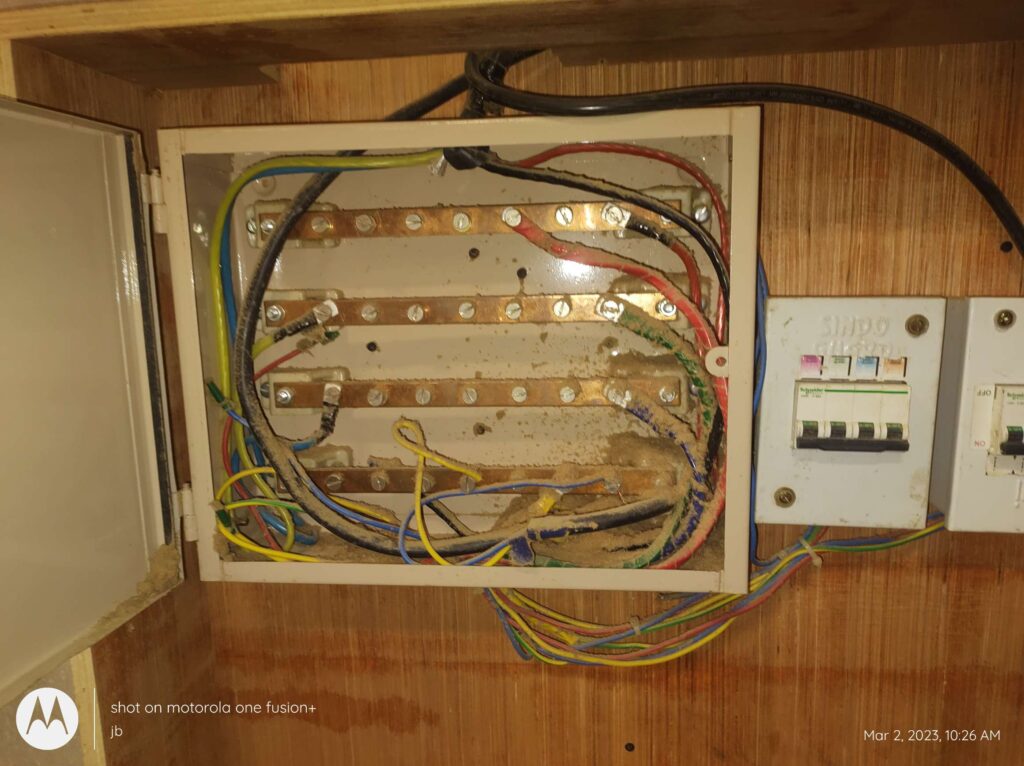
Methodology
- Our experienced safety specialists meticulously assessed all aspects of the company’s operations, including:
- Construction sites across Kolkata, from ongoing projects to planning stages.
- Construction methodologies and equipment utilized.
- Scaffolding, lifting mechanisms, and other safety equipment used.
- Personal protective equipment (PPE) utilization by workers.
- Safety protocols and training procedures for various tasks.
- We conducted thorough inspections of work areas, equipment, and safety measures implemented.
- We interviewed workers at all levels to understand their awareness of safety procedures and identify any challenges faced.
- We reviewed safety documentation, incident reports, and training records to assess existing safety management systems.
Unveiling Potential Dangers and Gaps in Safety:
The safety audit revealed several areas for improvement:
- Inadequate fall protection: Certain work areas lacked proper scaffolding, guardrails, or fall arrest systems, increasing the risk of falls from heights.
- Equipment maintenance shortcomings: Some machinery and safety equipment exhibited minor damage or lacked proper maintenance, potentially leading to malfunctions and accidents.
- Incomplete worker training: Training programs for specific tasks or new equipment were found to be insufficient or non-existent, leaving workers inadequately prepared for potential hazards.
- Communication gaps and safety culture: Inconsistencies in safety protocols and communication breakdowns between supervisors and workers hampered the overall safety culture.
Tailored Recommendations for Building a Safer Work Environment:
Based on these findings, we provided a detailed report with prioritized recommendations, including:
- Investing in additional fall protection equipment and ensuring proper installation and maintenance.
- Implementing a stringent equipment maintenance program and regular safety inspections.
- Developing and delivering comprehensive training programs for all workers, catering to specific tasks and new equipment.
- Promoting clear communication channels, establishing safety protocols for different stages of construction, and fostering a culture of safety through awareness campaigns.
Results:
By diligently implementing our recommendations, the Kolkata construction company achieved significant improvements in safety:
- Reduced accident rates: Proactive hazard identification and improved safety procedures led to a significant decrease in workplace accidents and injuries.
- Enhanced worker morale and productivity: Feeling safe and valued, workers demonstrated increased morale and productivity, contributing to smoother project execution.
- Improved company reputation: The demonstrably strong commitment to safety enhanced the company’s reputation within the industry and attracted skilled talent.
- Reduced operational costs: Minimized accidents and improved compliance with safety regulations lowered operational costs associated with downtime, medical expenses, and potential legal repercussions.
Conclusion
This case study exemplifies the power of Elion Technologies’ proactive safety audits in shaping a safer future for the construction industry. By providing data-driven insights and customized solutions, we helped this Kolkata construction company not only improve their safety statistics and protect their workers but also enhance their reputation and achieve operational efficiency.
Elion Technologies & Consulting Pvt Ltd is your trusted partner for building a culture of safety within your organization. We offer a wide range of services, from safety audits and risk assessments to safety training programs, safety equipment recommendations, and implementation support.
Contact us today to build a safer tomorrow for your workers, your projects, and your business
Frequently Asked Questions (FAQs)
1. What are the BOCW Act requirements for construction companies in West Bengal?
Under the Building and Other Construction Workers Act 1996 and West Bengal BOCW Rules 2004, construction employers must:
Register with the BOCW Welfare Board if employing 10+ workers
Appoint a Safety Officer for projects with 500+ workers (aligned with IS 18001 practices)
Provide mandatory PPE:
Helmets (IS 2925)
Safety harnesses (IS 3521)
Safety footwear (IS 5557)
Conduct monthly safety inspections with proper documentation
Report accidents causing 48+ hours disability within 24 hours
Recent amendments have increased penalties up to ₹5 lakh per violation, along with possible imprisonment for repeat offences.
2. How much does a construction site safety audit cost in Kolkata?
Typical safety audit cost:
₹80,000 to ₹2 lakh per site, depending on size and complexity
Multi-site audits may get 15–25% discounts
Audit scope includes:
Scaffold inspection (IS 3696)
Crane and lifting equipment certification checks
Electrical safety (IS 732)
Fire safety (National Building Code of India 2016 Part 4)
BOCW compliance and PPE assessment
Audit reports are accepted by West Bengal Labour Department inspectors as evidence of due diligence.
3. What are the most common construction safety violations in Indian building sites?
Based on data from National Safety Council India and Directorate General Factory Advice Service and Labour Institutes:
Inadequate scaffold guardrails/toe boards (≈73%)
Missing or expired crane test certificates (≈58%)
Lack of confined space entry procedures (≈65%)
Poor electrical earthing on site panels (≈71%)
Workers not using fall protection above 2 metres (≈82%)
These violations directly increase accident risk and legal liability.
4. What is the compensation liability for construction fatalities in India?
As per Employees Compensation Act 1923:
Compensation = 50% of monthly wages × age-based factor
Example: A 30-year-old worker earning ₹25,000/month → approx. ₹18.7 lakh compensation
Additional liabilities:
Civil claims under tort law (₹25–50 lakh in recent cases)
Criminal liability under Indian Penal Code Section 304A
Possible imprisonment of responsible personnel
5. How does a safety audit reduce construction site insurance premiums?
Construction insurance (CAR + Workmen Compensation) typically costs 1.5–3% of project value.
Insurers like The New India Assurance Company Limited and National Insurance Company Limited offer:
10–20% premium discounts for:
Pre-construction safety audits
Safety Officer appointment
Worker safety training records
Monthly inspection documentation
Example:
₹50 crore project → ₹7.5–15 lakh savings, often exceeding audit costs