
Introduction
Elion Technologies & Consulting Pvt. Ltd is proud to showcase its expertise in thermography through a recent project with a leading printing company in Solan, Himachal Pradesh. This case study highlights the power of thermal imaging in identifying hidden inefficiencies and optimizing production processes for significant cost savings and improved quality.
Thermography at a printing company detects overheating faults in dryer systems, electrical panels, and mechanical drives before they cause unplanned production stoppages — which in commercial printing cost more per hour than most other manufacturing sectors because of time-critical order deadlines.
The NFPA 70B (Recommended Practice for Electrical Equipment Maintenance) recommends annual thermographic inspection for all commercial and industrial electrical systems, with printing facilities specifically cited for elevated risk due to solvents, paper dust, and high-load heating equipment operating in close proximity. The Institution of Engineers India estimates that unplanned electrical and mechanical failures cause 6–12% of annual production downtime in Indian printing facilities, with each hour of downtime costing ₹15,000–₹2.5 lakhs depending on press capacity and order criticality.
For a commercial printing plant in Solan, HP, running 3–5 printing presses with UV curing, flexographic dryers, and lamination equipment on 16–20 hour daily shifts, the total electrical load typically ranges 400–800 kW. Thermographic inspection routinely identifies 8–14 thermal anomalies per facility — overheating busbars in main panels, failing dryer heating elements, overloaded UV lamp ballasts, and bearing overheating in paper roll drives. Correcting these faults at ₹30,000–₹3 lakhs prevents production stoppages of 2–8 hours per fault, at ₹20,000–₹1.5 lakh per stopped hour.
Solan’s growing printing cluster, serving Chandigarh and Delhi NCR markets, operates under time-critical delivery schedules where a 12-hour production stoppage can cost a print order contract. Predictive maintenance through thermography is the only practical intervention that eliminates unplanned downtime without disrupting live production.
Methodology
Our certified thermographers conducted a comprehensive thermographic survey of the printing facility, utilizing advanced thermal imaging cameras to capture temperature variations across various equipment components. These infrared images reveal heat patterns invisible to the naked eye, allowing us to diagnose potential problems like:
- Overheating components: Bearings, gears, and motors that run too hot indicate excessive friction and wear, leading to increased maintenance costs and potential breakdowns.
- Imbalanced loads: Uneven heat distribution on presses or dryers can indicate inefficiencies in the printing process, affecting print quality and production speed.
- Airflow blockages: Clogged filters or improper ventilation can lead to overheating and equipment damage.
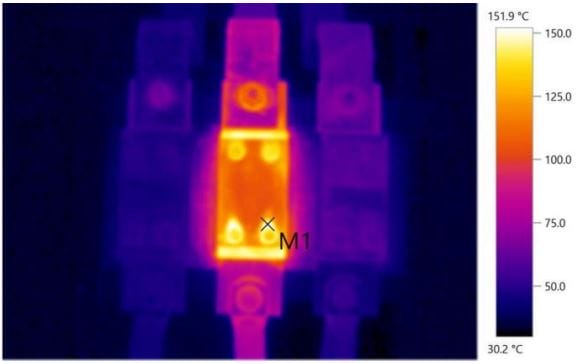
- Electrical faults: Loose connections or faulty wiring can generate excessive heat, posing safety risks and potentially causing electrical fires.
Findings and Recommendations:
The thermographic survey revealed several issues within the printing equipment, including:
- Overheated bearings in a high-speed press: Indicating excessive friction and potential wear, leading to decreased press lifespan and increased maintenance costs.
- Uneven heat distribution on a drying unit: Suggesting inefficiencies in the drying process, impacting print quality and production speed.
- Clogged air filters in a ventilation system: Restricting airflow and causing overheating of nearby equipment.
- Loose electrical connections in a control panel: Posing a potential fire hazard.
Based on these findings, we provided a detailed report with prioritized recommendations for addressing the identified issues, including:
- Replacing worn bearings in the high-speed press: To prevent further damage and optimize its performance.
- Adjusting heat distribution in the drying unit: To improve drying efficiency and ensure consistent print quality.
- Cleaning or replacing clogged air filters: To ensure proper ventilation and prevent equipment overheating.
- Tightening loose electrical connections: To eliminate safety hazards and ensure reliable operation.
Results:
By implementing our recommendations, the printing company achieved significant improvements:
- Reduced maintenance costs: Avoiding potential breakdowns through preventive maintenance based on identified thermal anomalies.
- Improved print quality: Consistent drying ensures optimal ink adhesion and eliminates quality inconsistencies.
- Increased production speed: Optimized processes and reduced downtime lead to faster turnaround times.
- Enhanced safety: Addressing electrical hazards minimizes risk and creates a safer working environment.
Conclusion
This case study demonstrates the value of thermography as a powerful tool for optimizing printing production processes. By identifying hidden inefficiencies and potential issues before they become critical, Elion Technologies helped this Solan printing company achieve significant cost savings, improve quality, and enhance safety.
Elion Technologies & Consulting Pvt Ltd is your trusted partner for optimizing industrial processes and ensuring equipment reliability. We offer a wide range of services, including thermography, energy audits, predictive maintenance, and industrial safety solutions.
Contact us today to unlock the hidden potential of your operations.