

As a Wikipedia editor, I will provide a factual and comprehensive article on “Multi-Building IT Campus Fire Safety Transformation.” This article aims to inform the reader about key considerations, strategies, and technologies involved in enhancing fire safety across complex IT campus environments, avoiding excessive adjectives or sycophantic language.
A multi-building IT campus presents a unique set of challenges when it comes to fire safety. Unlike a single, isolated structure, these campuses are intricate networks of interconnected facilities, each with distinct functions and risk profiles. Understanding these complexities is the first step toward effective transformation. For comprehensive protection, schedule a Fire Safety Audit today.
Interconnected Infrastructure and Risk Propagation
The very nature of an IT campus, with its reliance on interconnected networks, power grids, and data pathways, also creates a vulnerability. A fire in one building, if not quickly contained, can ripple through this interconnected infrastructure, potentially impacting operations across the entire campus. Consider the campus as a circulatory system; a blockage in one artery can affect distant organs.
Diverse Occupancy and Building Types
IT campuses often house a diverse range of building types, each with varying occupancy levels and associated risks. This may include:
- Data Centers: High heat loads, concentrated electrical equipment, and sensitive data necessitate specialized fire suppression.
- Office Buildings: Standard office environments, but with the potential for high occupant density during business hours.
- Research and Development Labs: May involve flammable or reactive chemicals, requiring specific hazardous material protocols.
- Warehouses and Storage Facilities: Often contain combustible materials like server packaging, cables, and spare parts.
- Utility Buildings: Power substations, cooling towers, and generator facilities, all presenting unique electrical or fuel-related fire hazards.
The fire safety strategy must account for these disparate environments, recognizing that a “one-size-fits-all” approach is insufficient.
Legacy Systems and Infrastructure
Many IT campuses have evolved over decades, resulting in a patchwork of legacy fire safety systems alongside newer installations. These older systems may lack integration capabilities, rely on outdated technology, or no longer meet current code requirements. Integrating these disparate systems into a cohesive, modern fire safety framework is a significant undertaking. Imagine trying to upgrade an antique car’s engine while keeping its original dashboard; careful planning and specialized knowledge are required.
Regulatory Compliance and Evolution
Fire safety regulations are not static; they evolve with new technologies, building practices, and an improved understanding of fire dynamics. Ensuring ongoing compliance across a sprawling multi-building campus requires continuous monitoring, assessment, and adaptation. This includes adherence to local building codes, national fire protection association (NFPA) standards, and potentially industry-specific regulations.
In the context of enhancing fire safety measures within multi-building IT campuses, it is essential to consider comprehensive safety audits as a foundational step. A related article discusses how Elion successfully conducted a safety audit of warehouses and offices for top pharmaceutical companies in Ahmedabad, Gujarat, highlighting the importance of thorough assessments in ensuring fire safety compliance. For more details, you can read the article here: Elion’s Safety Audit Success.
Strategic Planning and Assessment: Laying the Foundation
Effective fire safety transformation begins with a comprehensive strategic planning and assessment phase. This stage involves a detailed examination of the existing landscape, identification of vulnerabilities, and the development of a tailored roadmap for improvement.
Campus-Wide Fire Risk Assessment
A thorough fire risk assessment is the cornerstone of any transformation effort. This is not simply a checklist exercise; it’s a deep dive into the specific fire hazards present in each building and across the campus as a whole. Key aspects include:
- Hazard Identification: Identifying potential Ignition sources, fuel loads, and oxygen sources.
- Likelihood Analysis: Estimating the probability of a fire occurring.
- Consequence Analysis: Assessing the potential impact of a fire, including business disruption, data loss, and human injury or fatality.
- Current Control Measures Evaluation: Examining the effectiveness of existing fire detection, suppression, and evacuation systems.
- Vulnerability Mapping: Identifying critical infrastructure, data choke-points, and areas of high occupant density.
The assessment should be conducted by qualified professionals with expertise in fire engineering and IT campus environments.
Stakeholder Engagement and Policy Development
Successful transformation requires the buy-in and active participation of various stakeholders. This includes:
- Campus Management: Providing strategic direction and resource allocation.
- IT Operations and Security Teams: Offering insights into critical infrastructure and operational continuity requirements.
- Facilities Management: Contributing knowledge of building infrastructure, maintenance schedules, and emergency response procedures.
- Occupational Health and Safety (OHS) Departments: Ensuring compliance with worker safety regulations.
- Emergency Services (local fire department): Collaborating on pre-incident planning and understanding campus specificities.
Clear, campus-wide fire safety policies and procedures must be developed or updated, outlining responsibilities, emergency protocols, and training requirements. These policies serve as the campus’s fire safety constitution.
Budget Allocation and Phased Implementation
A comprehensive fire safety transformation is a significant financial undertaking. A realistic budget, encompassing capital expenditures for new systems, ongoing maintenance, and training, is essential. The transformation often benefits from a phased implementation approach, prioritizing critical vulnerabilities and areas with the highest risk. This allows for controlled deployment, minimizes disruption, and enables lessons learned from earlier phases to inform subsequent ones.
Technology Integration: Modernizing Fire Safety Systems

Modern fire safety transformation leverages advanced technologies to enhance detection, suppression, and communication capabilities. The goal is to move beyond disparate systems to an integrated platform that provides real-time situational awareness and automated responses.
Advanced Fire Detection Systems
Traditional smoke detectors remain fundamental, but modern campuses can benefit from a range of advanced detection technologies:
- Aspirating Smoke Detection (ASD) Systems: These systems actively draw air samples into a central detector for analysis, offering very early warning of incipient fires, often before visible smoke or flames appear. This is particularly crucial in data centers where even small smoldering fires can cause significant damage.
- Multi-Sensor Detectors: Combining smoke, heat, and sometimes carbon monoxide sensors in a single unit, these detectors can differentiate between various fire signatures, reducing false alarms and providing more accurate information.
- Flame Detectors: Utilizing infrared (IR) or ultraviolet (UV) technologies, these detectors rapidly identify the presence of flames, especially useful in areas with high ceilings, open spaces, or where flammable liquids are present.
- Video Smoke Detection (VSD): Intelligent video analytics can detect smoke patterns in real-time within camera feeds, offering visual verification and aiding in early detection, particularly in large, open environments.
These systems, when integrated, act as the campus’s network of vigilant sensors, constantly monitoring for anomalies.
Integrated Fire Suppression Solutions
The choice of fire suppression system depends heavily on the specific environment and assets being protected. Modern transformation often involves a blend of solutions:
- Clean Agent Suppression Systems: For data centers and critical IT infrastructure, clean agents (e.g., inert gases like Inergen or chemical agents like Novec 1230) are preferred. They suppress fires without damaging sensitive equipment, leaving no residue.
- Water Mist Systems: These systems discharge fine water droplets that cool the fire, displace oxygen, and block radiant heat. They use significantly less water than traditional sprinklers, minimizing water damage, and are effective in a variety of applications, including server rooms and electrical cabinets.
- Sprinkler Systems: While traditional wet pipe sprinklers are common in office spaces, newer technologies like pre-action systems are used in spaces where accidental water discharge could be catastrophic. These systems require two separate events (e.g., smoke detection and heat detection) before water is released.
- Special Hazard Suppression: For areas with specific flammable materials, specialized systems like foam suppression (for liquid fires) or kitchen hood systems are installed.
The aim is to have the right suppression tool for each specific fire risk, like having a diverse set of tools in a toolbox.
Centralized Monitoring and Control Systems
A critical element of modern fire safety transformation is the implementation of a centralized monitoring and control system. This system acts as the brain of the campus’s fire safety infrastructure, integrating data from all detection and suppression devices.
- Building Management Systems (BMS) / Fire Alarm Control Panels (FACP) Integration: The centralized system should be capable of integrating with existing BMS and FACP networks, providing a unified view of alarm statuses, system faults, and operational parameters across all buildings.
- Graphical User Interface (GUI) and Mapping: A user-friendly GUI with detailed floor plans and campus maps allows emergency responders to quickly pinpoint the exact location of an alarm, visualize the affected area, and access relevant building information (e.g., hazardous materials, emergency shut-offs).
- Remote Monitoring and Notification: The system should provide remote access for authorized personnel, enabling off-site monitoring and instant notifications via email, SMS, or dedicated mobile applications during an incident.
- Automated Responses: Beyond just alerting, a sophisticated system can trigger automated responses, such as unlocking emergency exits, shutting down HVAC systems in affected zones to prevent smoke spread, or activating specific suppression systems.
This integration transforms a collection of individual systems into a coordinated, intelligent response network.
Emergency Response and Evacuation: Ensuring Human Safety
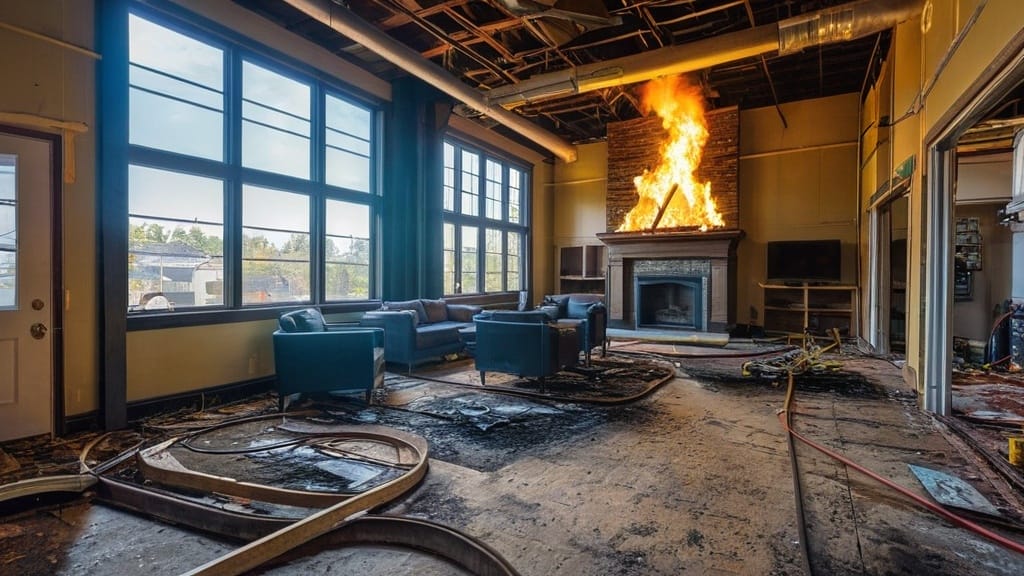
While preventing and suppressing fires is paramount, ensuring the safe evacuation of occupants remains a core focus of any fire safety transformation. This involves robust planning, clear communication, and consistent training.
Integrated Mass Notification Systems
In a multi-building campus, a disparate collection of sirens and PA systems is insufficient. A modern mass notification system is essential for:
- Campus-Wide Alerts: Simultaneously broadcasting emergency messages across all buildings, or to specific zones, via multiple channels (e.g., PA systems, digital signage, email, SMS, desktop alerts, mobile app notifications).
- Clear and Concise Messaging: Providing actionable instructions (e.g., “Evacuate Building C,” “Shelter in Place in Building B”) rather than generic alarms.
- Two-Way Communication: Allowing for the receipt of “all clear” messages or updates during an ongoing incident.
This system acts as the campus’s unified voice during an emergency, ensuring everyone receives critical information promptly.
Evacuation Planning and Drills
Evacuation planning must be specific to each building, considering its layout, occupancy, and potential hazards. Key elements include:
- Clearly Marked Evacuation Routes: Well-lit and unambiguously marked exit paths.
- Assembly Points: Designated safe locations outside each building and for the campus as a whole where occupants can gather and be accounted for.
- Accessibility Considerations: Plans must include provisions for individuals with disabilities, ensuring accessible evacuation routes and assistance.
- Regular Drills: Conducted at pre-determined intervals to familiarize occupants with procedures and identify any shortcomings in the plan. Drills are fire safety rehearsals, crucial for a smooth performance during a real event.
Feedback from drills should be meticulously reviewed to refine plans and address any identified weaknesses.
Collaboration with External Emergency Services
Developing a strong working relationship with local fire departments and other emergency services is vital. This includes:
- Pre-Incident Planning: Sharing building layouts, critical infrastructure locations, hazardous material inventories, and contact information with responders.
- On-Site Familiarization: Inviting fire department personnel to tour the campus and familiarize themselves with its specific challenges and access points.
- Joint Exercises: Conducting joint drills or tabletop exercises with external emergency services to practice coordinated responses.
This collaboration ensures that when an emergency occurs, external responders are not encountering the campus for the first time, enabling a more effective and rapid response.
In the context of enhancing fire safety measures within multi-building IT campuses, it is essential to consider comprehensive training programs that equip staff with the necessary skills to handle emergencies effectively. A related article discusses the importance of mastering fire and electrical safety training, which can significantly contribute to a safer working environment. For more insights on this topic, you can read about it in this informative piece on mastering fire and electrical safety training. Implementing such training can be a pivotal step in transforming fire safety protocols across IT campuses.
Ongoing Maintenance, Training, and Regulatory Adherence
| Metric | Before Transformation | After Transformation | Improvement | Notes |
|---|---|---|---|---|
| Number of Fire Incidents | 5 per year | 0 per year | 100% reduction | Enhanced detection and prevention systems |
| Fire Drill Frequency | 1 per year | 4 per year | 300% increase | Regular training improved preparedness |
| Average Evacuation Time | 12 minutes | 6 minutes | 50% faster | Optimized evacuation routes and signage |
| Fire Alarm System Coverage | 60% of buildings | 100% of buildings | 40% increase | Installation of advanced alarm systems campus-wide |
| Fire Extinguishers per Building | 5 units | 15 units | 200% increase | Additional extinguishers placed in strategic locations |
| Emergency Exit Accessibility | 70% | 98% | 28% improvement | Cleared and marked all emergency exits |
| Staff Trained in Fire Safety | 30% | 85% | 183% increase | Comprehensive training programs implemented |
Fire safety transformation is not a one-time project; it’s an ongoing commitment. Sustaining a high level of fire safety requires continuous effort in maintenance, training, and adapting to evolving standards.
Routine Maintenance and Testing
All fire safety systems, from detectors to suppression equipment, require regular maintenance and testing to ensure their operational readiness. This includes:
- Scheduled Inspections: Visual inspections of all components.
- Functional Testing: Testing the operation of alarms, strobes, sprinklers, and other suppression systems according to manufacturer specifications and regulatory requirements.
- Preventative Maintenance: Replacing worn components, cleaning sensors, and ensuring proper calibration.
Neglecting maintenance is akin to leaving a car untuned; it may work for a while, but its reliability diminishes, and it’s more likely to fail when needed most.
Staff Training and Awareness Programs
Human error can negate the most sophisticated fire safety systems. Comprehensive training programs are essential for:
- All Occupants: Basic fire safety awareness, including evacuation routes, alarm recognition, and the location of fire safety equipment.
- Emergency Response Teams (ERTs): Specialized training in using fire extinguishers, first aid, and assisting with evacuation.
- Facilities and IT Staff: In-depth training on the operation and maintenance of fire safety systems, emergency shutdown procedures for critical equipment, and initial incident response protocols.
Regular refresher training ensures that knowledge remains current and procedures are ingrained.
Continuous Improvement and Compliance Monitoring
The fire safety landscape is dynamic. A proactive approach involves:
- Regular Audits: Independent audits of fire safety systems, policies, and procedures to identify gaps and areas for improvement.
- Review of Incidents and Near-Misses: Analyzing any fire incidents or near-misses, both on campus and in similar environments, to extract lessons learned and refine existing strategies.
- Staying Current with Regulations: Monitoring updates to local, national, and industry-specific fire safety codes and standards, adapting the campus’s strategy accordingly.
- Technological Advancements: Evaluating emerging fire safety technologies for potential implementation, ensuring the campus’s systems remain cutting-edge.
This commitment to continuous improvement ensures that the multi-building IT campus fire safety strategy remains robust and effective in the face of evolving risks and technological advancements. The transformation, therefore, is not a destination but a journey of sustained vigilance and adaptation.
FAQs
What are the key fire safety challenges in a multi-building IT campus?
Key challenges include coordinating fire detection and alarm systems across multiple buildings, ensuring clear evacuation routes, managing fire suppression systems, and maintaining communication between buildings during emergencies.
How can fire detection systems be integrated across multiple buildings?
Fire detection systems can be integrated using centralized monitoring platforms that connect smoke detectors, heat sensors, and alarm systems from all buildings, allowing for real-time alerts and coordinated responses.
What role do fire suppression systems play in IT campus fire safety?
Fire suppression systems, such as sprinklers and gas-based extinguishing systems, help control or extinguish fires quickly to minimize damage to critical IT infrastructure and ensure occupant safety.
How important is regular fire safety training and drills in a multi-building IT campus?
Regular training and drills are essential to ensure that all employees understand evacuation procedures, know how to use fire safety equipment, and can respond effectively during an emergency.
What are some modern technologies used in transforming fire safety for IT campuses?
Modern technologies include smart fire detection sensors, automated alarm systems, integrated building management systems, real-time communication tools, and advanced fire suppression technologies tailored for sensitive IT environments.