

Elion Technologies provides energy audit services to educational institutions, focusing on identifying opportunities to reduce energy consumption and operational costs. The company conducts comprehensive assessments of school and university facilities using advanced technology and professional analysis. These evaluations examine energy consumption patterns across buildings, equipment, and systems to identify inefficiencies and recommend specific improvements.
Educational institutions use the data and recommendations from these audits to make decisions about energy management and reduce their environmental impact. The energy audit process includes basic assessments through detailed analyses of facility performance. Elion Technologies’ professionals employ current tools and methodologies to evaluate how buildings and systems use energy.
Based on their findings, the company provides recommendations tailored to each institution’s requirements. As schools and universities work to lower operational expenses and reduce carbon emissions, energy audits serve as a practical tool for achieving these objectives through systematic energy management.
Key Takeaways
- Elion Technologies offers specialized energy audit services tailored for educational institutions.
- Energy efficiency is crucial for reducing operational costs and environmental impact in schools and universities.
- The energy audit process involves detailed assessment, data analysis, and recommendations for improvements.
- Implementing energy efficiency measures leads to significant cost savings and enhanced sustainability in educational settings.
- Overcoming challenges in energy efficiency requires innovative solutions and aligns with future trends in educational infrastructure.
The Importance of Energy Efficiency in Educational Institutions
Energy efficiency is paramount in educational institutions for several reasons, including financial savings, environmental impact, and the creation of conducive learning environments. Schools and universities are often large consumers of energy due to their extensive facilities, which include classrooms, laboratories, libraries, and recreational areas. By implementing energy-efficient practices, these institutions can significantly reduce their utility bills, allowing them to allocate more resources toward educational programs and student services.
For instance, a university that invests in energy-efficient lighting and HVAC systems can save thousands of dollars annually, funds that can be redirected to enhance academic offerings or support extracurricular activities. Moreover, the environmental implications of energy efficiency cannot be overstated. Educational institutions have a unique opportunity to lead by example in the fight against climate change.
By adopting sustainable practices, they not only reduce their greenhouse gas emissions but also instill a sense of responsibility in students and staff. This commitment to sustainability can foster a culture of environmental stewardship within the community, encouraging students to adopt similar practices in their personal lives. Furthermore, as society increasingly prioritizes sustainability, educational institutions that demonstrate leadership in energy efficiency may enhance their reputation and attract environmentally conscious students and faculty. For businesses looking to reduce costs and improve efficiency, conducting an Energy Audit is an essential first step.
The Process of Conducting an Energy Audit

Conducting an energy audit is a systematic process that involves several key steps designed to evaluate an institution’s energy use comprehensively. The first phase typically involves an initial consultation where Elion Technologies meets with stakeholders from the educational institution to understand their specific goals and concerns regarding energy consumption. This dialogue is crucial as it sets the stage for a tailored audit that addresses the unique characteristics of the institution’s facilities and operations.
Following the consultation, the audit team conducts a detailed walkthrough of the campus to assess existing systems and equipment. This includes examining lighting fixtures, heating and cooling systems, insulation levels, and even the behavior patterns of occupants. Data is collected through various means, including utility bill analysis, on-site measurements, and interviews with facility managers.
Once this data is gathered, it is analyzed using sophisticated software tools that model energy consumption patterns and identify inefficiencies. The final report generated from this analysis provides actionable recommendations for improvements, ranging from simple behavioral changes to major capital investments in new technologies.
Case Studies of Energy Efficiency Improvements in Educational Institutions
One notable case study involves a large public university that partnered with Elion Technologies to conduct an extensive energy audit across its campus. The audit revealed that outdated lighting systems were responsible for a significant portion of the university’s energy consumption. In response, the institution implemented a comprehensive lighting retrofit program that replaced traditional incandescent bulbs with energy-efficient LED fixtures.
This change not only reduced energy usage by approximately 40% in affected areas but also improved the quality of light in classrooms and common spaces, enhancing the overall learning environment. Another example can be found in a community college that sought to improve its energy efficiency as part of a broader sustainability initiative. After conducting an energy audit with Elion Technologies, the college identified opportunities for improvement in its heating and cooling systems.
By upgrading to high-efficiency HVAC units and implementing smart thermostats that adjust temperatures based on occupancy patterns, the college achieved a remarkable reduction in energy costs while maintaining comfortable conditions for students and staff. These case studies illustrate how targeted energy efficiency measures can lead to substantial financial savings while simultaneously enhancing the educational experience.
Benefits of Implementing Energy Efficiency Measures
| Metric | Details |
|---|---|
| Number of Institutions Audited | 25 Educational Institutions |
| Average Energy Savings | 15% Reduction in Energy Consumption |
| Audit Duration | 2-4 Weeks per Institution |
| Key Areas Analyzed | Lighting, HVAC, Electrical Equipment, Building Envelope |
| Recommendations Provided | LED Lighting Retrofit, HVAC Optimization, Solar Panel Installation |
| Estimated Payback Period | 1.5 to 3 Years |
| Carbon Emission Reduction | Approx. 20 Tons CO2 per Institution Annually |
| Follow-up Support | Energy Monitoring and Maintenance Guidance |
The benefits of implementing energy efficiency measures in educational institutions extend far beyond mere cost savings. One significant advantage is the improvement in indoor air quality (IAQ), which is crucial for creating a healthy learning environment. Upgrading ventilation systems and ensuring proper air filtration can reduce pollutants and allergens, leading to fewer health issues among students and staff.
Improved IAQ has been linked to better concentration and academic performance, making it an essential consideration for any educational institution. Additionally, energy efficiency measures can enhance the overall comfort of learning spaces. For instance, installing advanced climate control systems allows for more precise temperature regulation, ensuring that classrooms remain conducive to learning regardless of external weather conditions.
This comfort can lead to increased student engagement and productivity. Furthermore, many energy-efficient upgrades qualify for government incentives or rebates, providing additional financial benefits that can further offset initial investment costs.
Challenges and Solutions in Improving Energy Efficiency in Educational Institutions
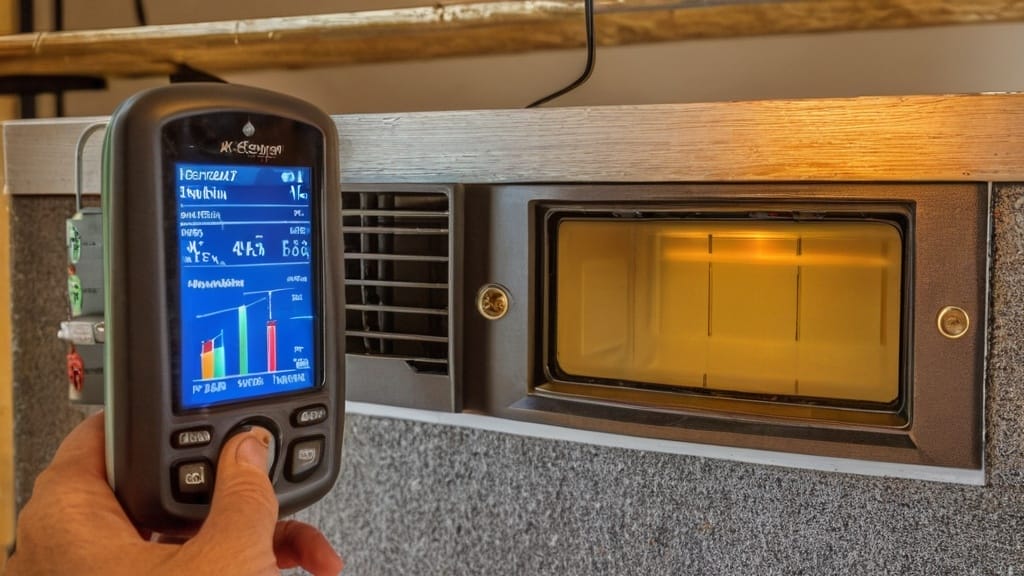
Despite the clear advantages of improving energy efficiency, educational institutions often face several challenges when attempting to implement these measures. One common obstacle is budget constraints; many schools operate under tight financial conditions that limit their ability to invest in new technologies or infrastructure upgrades. To address this issue, Elion Technologies works closely with institutions to identify funding opportunities such as grants or low-interest loans specifically designed for energy efficiency projects.
By leveraging these financial resources, schools can undertake significant improvements without straining their budgets. Another challenge is resistance to change among staff and students who may be accustomed to existing practices. To overcome this barrier, Elion Technologies emphasizes the importance of education and engagement throughout the audit process.
By involving stakeholders in discussions about potential changes and demonstrating the benefits of energy efficiency initiatives, institutions can foster a culture of acceptance and enthusiasm for sustainability efforts. Training sessions and workshops can also be organized to equip staff with the knowledge needed to implement new practices effectively.
Future Trends in Energy Efficiency for Educational Institutions
As technology continues to evolve, so too do the opportunities for enhancing energy efficiency within educational institutions. One emerging trend is the integration of smart building technologies that utilize Internet of Things (IoT) devices to monitor and optimize energy use in real-time. These systems can provide valuable insights into occupancy patterns and equipment performance, allowing institutions to make data-driven decisions about their energy management strategies.
Additionally, renewable energy sources such as solar panels are becoming increasingly viable for educational institutions looking to reduce their reliance on traditional power grids. Many schools are exploring options for on-site renewable energy generation as part of their sustainability initiatives. By investing in solar installations or wind turbines, institutions can not only lower their energy costs but also serve as models for environmental responsibility within their communities.
The Impact of Elion Technologies’ Energy Audit on Educational Institutions
Elion Technologies’ energy audit services have proven instrumental in helping educational institutions navigate the complexities of energy management while achieving significant improvements in efficiency and sustainability. Through comprehensive assessments and tailored recommendations, they empower schools and universities to make informed decisions that lead to substantial cost savings and enhanced learning environments. As educational institutions continue to prioritize sustainability amid growing environmental concerns, partnerships with experts like Elion Technologies will be crucial in driving meaningful change within this sector.
The impact of these audits extends beyond immediate financial benefits; they foster a culture of sustainability that resonates throughout the entire institution. By embracing energy efficiency measures, educational facilities not only improve their operational performance but also inspire students and staff alike to adopt environmentally responsible practices in their daily lives. As we look toward the future, it is clear that the role of energy audits will only become more critical as educational institutions strive to meet both economic and environmental challenges head-on.
Elion Technologies recently conducted an energy audit for educational institutions aimed at improving energy efficiency, showcasing their commitment to sustainable practices. For those interested in understanding the broader implications of energy management, a related article titled “The Ultimate Risk Assessment Template: Your Key to Effective Decision Making” provides valuable insights into risk assessment strategies that can complement energy efficiency initiatives. You can read more about it here.
FAQs
What is the purpose of an energy audit conducted by Elion Technologies?
An energy audit by Elion Technologies aims to assess the current energy consumption of educational institutions and identify opportunities to improve energy efficiency, reduce energy costs, and minimize environmental impact.
Which types of educational institutions can benefit from Elion Technologies’ energy audit?
Elion Technologies conducts energy audits for a variety of educational institutions, including schools, colleges, universities, and other learning centers.
What does the energy audit process involve?
The energy audit process typically includes a thorough inspection of the institution’s energy systems, such as lighting, HVAC, electrical equipment, and building infrastructure, followed by data analysis and recommendations for energy-saving measures.
How can energy audits improve energy efficiency in educational institutions?
Energy audits help identify inefficient equipment, energy wastage, and areas for improvement. Implementing the recommended measures can lead to optimized energy use, reduced utility bills, and enhanced sustainability.
Are the recommendations from Elion Technologies’ energy audit customized?
Yes, the recommendations are tailored to the specific needs and conditions of each educational institution, ensuring practical and effective energy-saving solutions.
What are the benefits of conducting an energy audit for educational institutions?
Benefits include lower energy costs, improved environmental footprint, enhanced comfort for students and staff, compliance with energy regulations, and increased awareness of energy conservation.
Does Elion Technologies provide support after the energy audit?
Elion Technologies often offers follow-up services such as implementation support, monitoring, and verification to ensure that energy efficiency measures are effectively applied and maintained.
Is conducting an energy audit mandatory for educational institutions?
While not always mandatory, many educational institutions choose to conduct energy audits voluntarily to improve sustainability and reduce operational costs.
How frequently should educational institutions conduct energy audits?
It is recommended to conduct energy audits every few years or when significant changes occur in the institution’s infrastructure or energy usage patterns to maintain optimal energy efficiency.
Can energy audits help educational institutions qualify for energy efficiency incentives or grants?
Yes, energy audits can provide the necessary documentation and recommendations that may help institutions qualify for government or utility-sponsored energy efficiency programs and financial incentives.