

Elion’s Thermography Inspection Services utilize infrared technology to conduct thermal imaging inspections in manufacturing facilities. These inspections enable manufacturers to detect potential equipment problems before they result in system failures and production downtime. The service supports predictive maintenance programs by identifying issues early in their development, helping to maintain consistent production output.
Elion serves multiple industries, including automotive, aerospace, and electronics manufacturing. The thermographic inspection process identifies temperature variations that indicate equipment problems such as electrical faults, mechanical component wear, and insulation degradation. Elion’s certified thermographers use infrared cameras and analysis software to assess equipment conditions and provide detailed reports.
These inspections form part of preventive maintenance programs designed to improve equipment reliability and reduce unplanned maintenance costs in manufacturing operations.
Key Takeaways
- Elion offers specialized thermography inspection services tailored for manufacturing assembly lines.
- Thermography inspection is crucial for detecting equipment issues early, preventing costly downtime.
- The inspection process involves using infrared cameras to identify temperature anomalies in manufacturing equipment.
- Benefits include improved efficiency, reduced maintenance costs, and enhanced safety for manufacturing companies.
- Case studies demonstrate Elion’s thermography services significantly boost operational efficiency and reliability.
Importance of Thermography Inspection in Manufacturing
Thermography inspection plays a pivotal role in the manufacturing sector by providing critical insights into the operational health of machinery and equipment. In an industry where downtime can lead to significant financial losses, the ability to detect anomalies early is invaluable. Thermal imaging allows for non-invasive monitoring of equipment, enabling manufacturers to pinpoint issues without interrupting production.
This capability is particularly crucial in high-stakes environments where continuous operation is essential for meeting production targets and maintaining competitive advantage. Moreover, thermography inspection contributes to enhanced safety standards within manufacturing facilities. Overheating components can pose serious risks, including fire hazards and equipment failure.
By identifying these risks through thermal imaging, manufacturers can implement corrective actions before accidents occur, thereby protecting both personnel and assets. The proactive nature of thermography not only mitigates risks but also fosters a culture of safety and responsibility within the workplace. For detailed information on thermal imaging technology, visit Thermography.
Process of Conducting Thermography Inspection at a Manufacturing Assembly Line

The process of conducting thermography inspections at a manufacturing assembly line is systematic and thorough, ensuring that all critical components are evaluated effectively. Initially, Elion’s certified thermographers conduct a pre-inspection assessment to identify key areas of focus based on the specific machinery and operational parameters of the assembly line. This preliminary step involves gathering data on the equipment’s normal operating temperatures and understanding the production workflow, which helps in establishing baseline measurements for comparison.
Once the groundwork is laid, the actual thermographic inspection begins. Using high-resolution infrared cameras, the thermographers scan the equipment while it is in operation. The cameras detect infrared radiation emitted by objects, converting this data into thermal images that reveal temperature variations across the surface of the machinery.
These images are then analyzed using specialized software that highlights areas of concern, such as hotspots or cold spots that may indicate inefficiencies or potential failures. Following the inspection, a detailed report is generated, outlining findings and recommendations for maintenance or repairs.
Benefits of Thermography Inspection for Manufacturing Companies
The benefits of thermography inspection for manufacturing companies are manifold and extend beyond mere cost savings. One of the most significant advantages is the enhancement of operational efficiency. By identifying potential issues before they lead to equipment failure, manufacturers can schedule maintenance during planned downtimes rather than facing unexpected breakdowns that disrupt production schedules.
This predictive maintenance approach not only minimizes downtime but also extends the lifespan of machinery, resulting in lower capital expenditures over time. In addition to operational efficiency, thermography inspection contributes to improved energy management within manufacturing facilities. Many manufacturing processes are energy-intensive, and inefficiencies can lead to excessive energy consumption.
By pinpointing areas where heat loss occurs—such as poorly insulated pipes or malfunctioning heating elements—manufacturers can implement targeted improvements that reduce energy waste. This not only lowers operational costs but also aligns with sustainability goals by minimizing the environmental impact of manufacturing activities.
Case Study: How Elion’s Thermography Inspection Improved Efficiency at a Manufacturing Assembly Line
| Metric | Value | Unit | Notes |
|---|---|---|---|
| Inspection Date | 2024-06-15 | — | Date when thermography inspection was conducted |
| Number of Equipment Inspected | 25 | units | Includes motors, conveyors, and control panels |
| Average Temperature Detected | 65 | °C | Mean surface temperature across inspected equipment |
| Maximum Temperature Recorded | 120 | °C | Highest temperature detected indicating potential fault |
| Number of Anomalies Found | 4 | cases | Areas with abnormal heat signatures requiring maintenance |
| Inspection Duration | 3 | hours | Total time taken for the thermography inspection |
| Equipment with Overheating Risk | 3 | units | Equipment flagged for immediate attention |
| Inspection Method | Infrared Thermography | — | Non-contact temperature measurement technique used |
A notable case study illustrating the effectiveness of Elion’s thermography inspection services involved a large automotive parts manufacturer facing recurrent issues with their assembly line machinery. The company had been experiencing unexpected downtime due to overheating motors and electrical components, which not only hampered production but also led to increased maintenance costs. Seeking a solution, they engaged Elion to conduct a comprehensive thermographic inspection of their assembly line.
During the inspection, Elion’s thermographers identified several critical hotspots on motors and electrical connections that were operating above their normal temperature thresholds. These findings prompted immediate corrective actions, including tightening loose connections and replacing worn-out components. Following these interventions, the manufacturer reported a significant reduction in downtime—by over 30%—and an increase in overall productivity.
The case exemplifies how targeted thermographic inspections can lead to tangible improvements in manufacturing efficiency and operational reliability.
Future Outlook for Thermography Inspection in Manufacturing
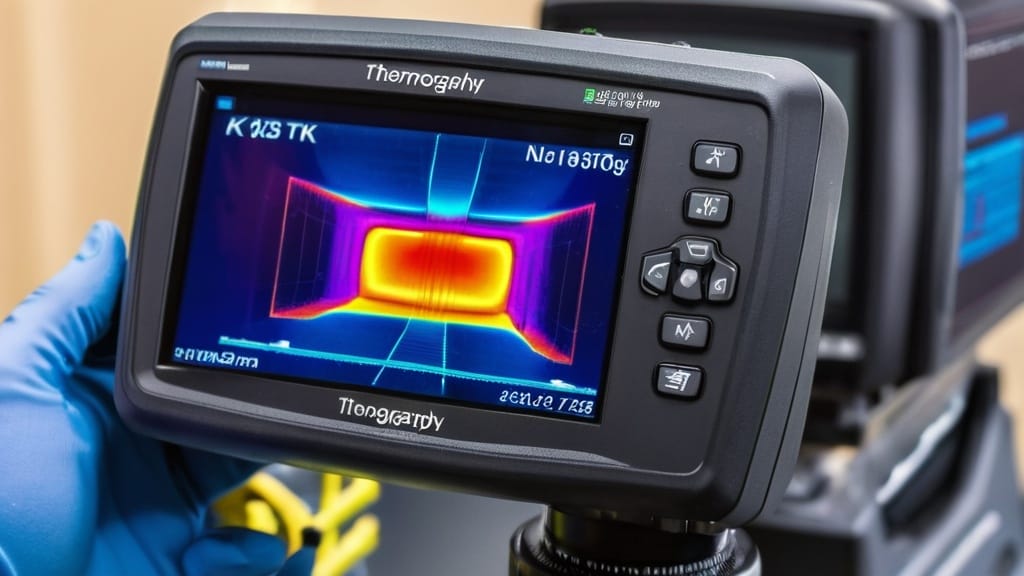
The future outlook for thermography inspection in manufacturing is promising, driven by advancements in technology and an increasing emphasis on predictive maintenance strategies. As industries continue to embrace Industry 4.0 principles, integrating smart technologies into manufacturing processes will enhance the capabilities of thermographic inspections. For instance, the incorporation of artificial intelligence (AI) and machine learning algorithms can facilitate real-time analysis of thermal data, allowing for even more precise identification of potential issues.
Furthermore, as manufacturers strive for greater sustainability and energy efficiency, thermography will play an essential role in identifying energy losses and optimizing resource utilization. The growing awareness of environmental impact will likely drive demand for thermographic inspections as companies seek to minimize waste and improve their carbon footprint. As these trends evolve, Elion’s commitment to innovation will ensure that their thermography services remain at the forefront of industry standards.
Key Considerations for Choosing a Thermography Inspection Service Provider
When selecting a thermography inspection service provider, several key considerations should guide manufacturers in their decision-making process. First and foremost is the provider’s experience and expertise in the field. A reputable company like Elion should have a proven track record in conducting thermographic inspections across various industries, demonstrating their ability to adapt to different operational environments and challenges.
Another critical factor is the technology employed by the service provider. High-quality infrared cameras with advanced imaging capabilities are essential for accurate assessments. Additionally, the analytical tools used to interpret thermal data should be robust and user-friendly, allowing for clear reporting and actionable insights.
Manufacturers should also inquire about the qualifications and certifications of the thermographers themselves; certified professionals bring valuable knowledge and skills that enhance the quality of inspections.
The Impact of Thermography Inspection on Manufacturing Efficiency
Thermography inspection has emerged as an indispensable tool for enhancing manufacturing efficiency through proactive maintenance strategies and risk mitigation. By leveraging advanced infrared technology, companies like Elion provide critical insights that empower manufacturers to optimize their operations while ensuring safety and reliability. The benefits extend beyond immediate cost savings; they encompass long-term improvements in productivity, energy management, and overall operational health.
As industries continue to evolve with technological advancements and sustainability initiatives, the role of thermography inspection will only grow in significance. Manufacturers who embrace this innovative approach will be better positioned to navigate challenges and seize opportunities in an increasingly competitive landscape. The impact of thermography inspection on manufacturing efficiency is profound, paving the way for smarter, safer, and more sustainable production practices in the years to come.
Elion’s recent conducted thermography inspection at a manufacturing assembly line highlights the importance of proactive maintenance and safety measures in industrial settings. For further insights on enhancing safety protocols, you may find our article on electrical risk assessments particularly useful, as it discusses how these assessments can significantly reduce hazards and save lives. To read more, visit Power Up Your Safety Measures: How Electrical Risk Assessment Can Save Lives.
FAQs
What is thermography inspection?
Thermography inspection is a non-destructive testing method that uses infrared cameras to detect heat patterns and temperature variations on the surface of equipment or materials. It helps identify potential issues such as overheating, electrical faults, or mechanical wear.
Why is thermography inspection important in a manufacturing assembly line?
Thermography inspection is important because it allows for early detection of equipment malfunctions or inefficiencies, preventing costly downtime, improving safety, and ensuring consistent product quality on the assembly line.
Who conducted the thermography inspection at the manufacturing assembly line?
The thermography inspection at the manufacturing assembly line was conducted by Elion, a company specializing in industrial inspection and maintenance services.
What types of equipment can be inspected using thermography?
Thermography can be used to inspect electrical panels, motors, conveyor belts, bearings, heating systems, and other mechanical and electrical components commonly found in manufacturing assembly lines.
How does thermography inspection help in maintenance?
Thermography inspection helps maintenance teams identify hotspots and abnormal temperature patterns that indicate potential failures. This allows for predictive maintenance, reducing unexpected breakdowns and extending equipment lifespan.
Is thermography inspection safe for use in manufacturing environments?
Yes, thermography inspection is a safe, non-contact, and non-invasive method that does not interfere with the operation of manufacturing equipment or pose risks to personnel.
How often should thermography inspections be conducted on an assembly line?
The frequency of thermography inspections depends on the specific equipment, operating conditions, and maintenance schedules, but regular inspections—such as quarterly or biannually—are common to ensure ongoing reliability.
What are the benefits of using Elion for thermography inspection?
Elion offers expert thermography inspection services with advanced infrared technology, experienced technicians, and detailed reporting, helping manufacturers improve operational efficiency and reduce maintenance costs.