Training Coordinator, Industrial Paint Manufacturer
“The safety induction for new hires was handled smoothly. Elion brought their own AV equipment and kept the session engaging. We’re thinking of repeating this monthly.”

And Consulting Private Limited
And Consulting Private Limited

Fire incidents pose a significant threat to life, property, and business continuity. Fire safety training equips your employees with the knowledge to prevent, respond to, and manage fire-related emergencies effectively. This training is essential not just for safety compliance, but also to build a responsible and alert workforce.
At Elion Technologies, we deliver custom fire safety training tailored to the risks of your facility. Whether you’re in manufacturing, IT, hospitality, warehousing, or healthcare, our expert trainers adapt the course content to your site’s layout, fire systems, and risk profile.
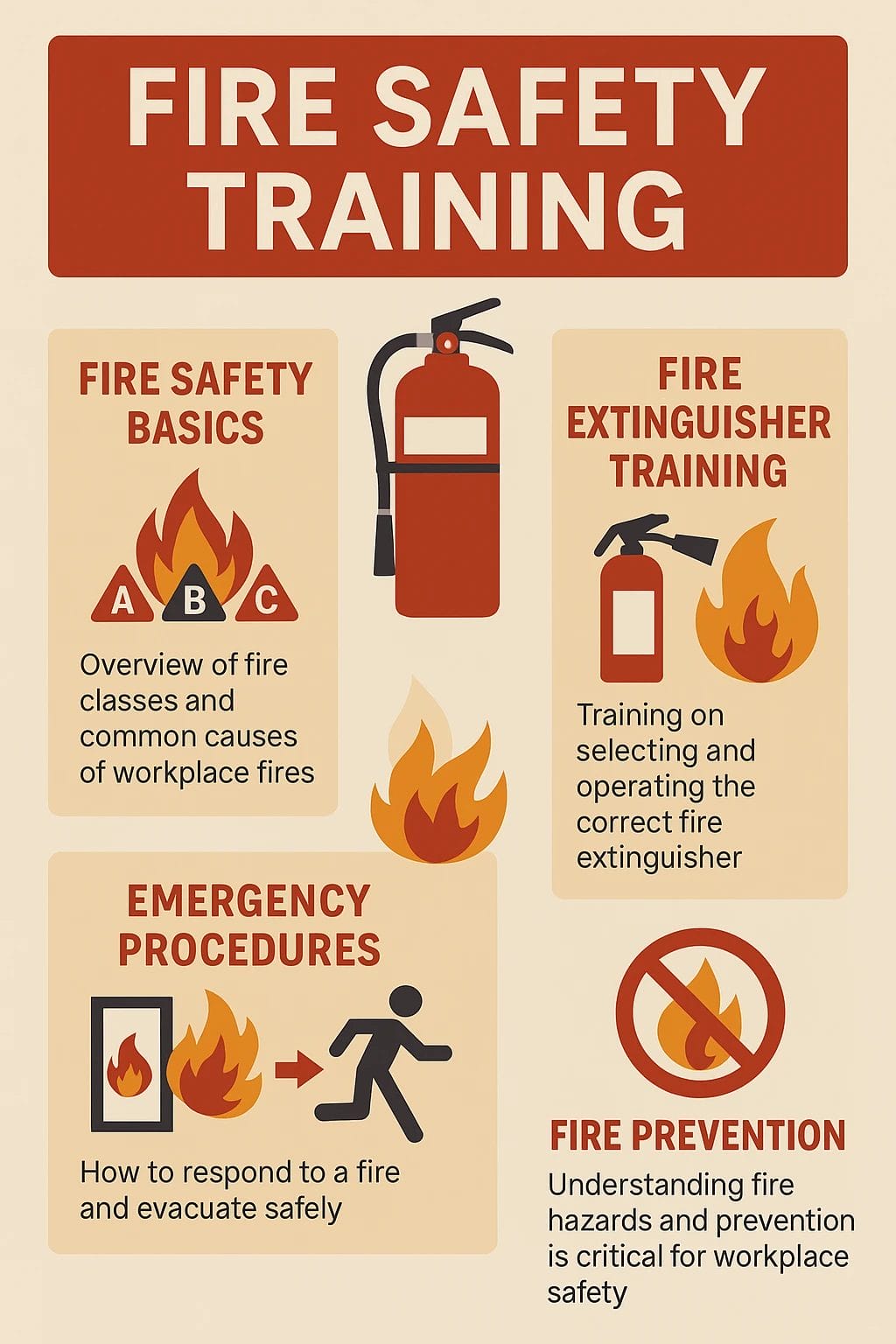
Participants receive a Certificate of Participation from Elion Technologies. The training content complies with:
Looking to organize fire safety training at your plant, warehouse, or office?
Request a Quote or contact us at [email protected].
“The safety induction for new hires was handled smoothly. Elion brought their own AV equipment and kept the session engaging. We’re thinking of repeating this monthly.”
“Good response from our team for the chemical spill drill and awareness session. We had a minor leak last year and this training was timely. They even explained the MSDS sheet details clearly.”
“Elion conducted ergonomics training for our office support staff. They gave tips that don’t need any budget—just posture, breaks, and seating angles. Everyone found it useful.”
“Warehouse safety training was organized at our distribution center. The module covered stacking, material flow, and emergency handling. One or two team leads found the content basic, but the newcomers appreciated it.”
“The hot work and gas cutting safety training helped us address some recent near-misses. Our fabrication contractors said it was the first time anyone explained why permits matter, not just how to fill them.”
“We held a training on ergonomics and workstation safety. Elion’s speaker had a practical approach—suggested small furniture changes and posture tips that didn’t cost much but helped our office staff.”
“Elion covered cold storage safety and ammonia handling well. Some of our technicians said it was the first time they understood how to respond to leaks. We may request them for a follow-up drill.”
“Our garment unit required machine safety awareness for new joiners. Elion kept it interactive and used visuals from our own plant, which the workers related to.”
“The crane and material handling training helped reduce near misses in our yard. The trainer also gave tips that were not in the slides, based on their field experience. That made a difference.”
“We requested a training module on emergency evacuation procedures. Elion included site-specific examples which helped. The mock drill later was well-coordinated too. Our fire wardens felt more confident after the session.”
It teaches how to prevent, identify, and respond to fire hazards in the workplace.
We cater to a wide range of industries including manufacturing, healthcare, hospitality, education, and more. Our training is tailored to address industry-specific fire safety challenges.
Yes, all our trainers are industry-certified experts with a strong background in fire safety and extensive training experience.
We conduct a thorough needs assessment to understand your organization’s requirements and tailor our training programs to address your specific challenges.
Our training incorporates a variety of methods, including interactive simulations, multimedia presentations, hands-on exercises, and practical scenarios for effective learning.
Absolutely. Our training is regularly updated to align with the latest safety regulations and industry standards, helping your organization remain compliant.
Fire safety training empowers your employees to respond effectively during emergencies, reduces risks, enhances workplace safety, and fosters a culture of preparedness.
Training frequency may vary based on your industry and local regulations. Our experts can guide you on establishing an appropriate training schedule.
Yes, we offer both on site and virtual training options to accommodate your organization’ preferences and needs.
Our decades of industry experience, certified trainers, tailored curriculum, and cutting edge learning technology ensure a comprehensive and engaging training experience.
Certainly, we’d be happy to provide references upon request to showcase our successful partnerships and client satisfaction.
Yes, our training is designed to benefit employees at all levels, from entry-level staff to management and leadership.
Simply contact us through our website, email, or phone to discuss your training needs and explore the best solutions for your organization.
Absolutely. Our training often includes guidance on developing and implementing efficient evacuation plans tailored to your workplace layout.
We offer ongoing support, including resources, updates, and guidance, to ensure your organization maintains a high level of fire safety preparedness.
Yes, our training programs are scalable and can be adapted to accommodate groups of various sizes.
Yes, our virtual training utilizes interactive tools and simulations to create an engaging and effective learning experience comparable to in-person training.
While our primary focus is training, we can offer guidance on selecting appropriate fire safety equipment based on industry standards and best practices.
Yes, we provide refresher courses to reinforce knowledge and skills, ensuring your team remains well prepared over time.
By subscribing to our newsletter, you’ll receive regular updates on industry trends, regulatory changes, and new training offerings.
Reach out to us for a consultation. We’ll discuss your organization’s needs, goals, and tailor a fire safety training plan that suits your unique requirements.
Fire is typically described as the result of a chemical reaction called combustion. The three elements of fire, often referred to as the “fire triangle,” are:
Fuel: This is the material that is being burned. It can be solid, liquid, or gas. Common examples of fuels include wood, paper, gasoline, and natural gas.
Oxygen: Fire requires oxygen from the surrounding air to support the combustion process. Without oxygen, the combustion reaction cannot occur. This is why you might see flames diminish or extinguish in environments with limited oxygen, such as in a closed container.
Heat: Heat is the energy required to initiate and sustain the combustion process. It raises the temperature of the fuel to its ignition point, where the chemical reaction between the fuel and oxygen can occur. Once the ignition point is reached, the combustion reaction releases more heat, which can further sustain the fire.
These three elements need to be present in the right proportions for a fire to start and continue burning. Removing any one of these elements can extinguish the fire. This concept is the foundation of fire safety and firefighting practices.
The term “fire” does not have a full form; it is a word in itself that refers to the visible and often destructive manifestation of the process of combustion. It’s not an acronym or an abbreviation, so there is no extended form of the word “fire.” It simply refers to the rapid oxidation of a material accompanied by the release of heat, light, and various combustion products.
Fields marked with an asterisk (*) are required
Mock drill training is an essential element of organizational preparedness, especially in industries where safety and emergency response are critical. Mock drills replicate real-world emergency situations, enabling employees to practice their responses in a safe, controlled setting. This practical training improves individual competencies while strengthening team coordination and communication skills.…
Safety training in the workplace is a critical component of organizational success and employee well-being. It serves as a proactive measure to prevent accidents, injuries, and fatalities, which can have devastating effects not only on individuals but also on the overall productivity and morale of a company. By equipping employees…
Proper training for wind turbine operators is crucial for the safe and efficient operation of wind farms. Wind turbine operators are responsible for the maintenance, troubleshooting, and repair of wind turbines, which are complex and potentially dangerous pieces of machinery. Without proper training, operators may not be able to identify…
Defensive driver training is a program designed to teach drivers how to anticipate and react to potential hazards on the road. The goal of this training is to reduce the risk of accidents and promote safe driving practices. Defensive driving techniques include maintaining a safe following distance, scanning the road…
In the ever-evolving landscape of the pharmaceutical industry, workplace safety has emerged as a paramount concern. Team Elion, a dedicated group of safety professionals, has taken the initiative to address this critical aspect through comprehensive training programs tailored specifically for pharmaceutical environments. Their approach is not merely about compliance with…
Fire drills and safety training are crucial for any organization to ensure the safety and well-being of its employees. In the event of a fire or other emergency, it is essential that employees know how to respond quickly and effectively to minimize the risk of injury or loss of life.…
Safety training for engineers is of utmost importance in ensuring the well-being of both the workers and the community at large. Engineers are responsible for designing, constructing, and maintaining various structures and systems that have the potential to impact public safety. Without proper safety training, engineers may overlook critical safety…
Construction sites are inherently hazardous environments, where the risk of accidents and injuries is significantly higher than in many other industries. The importance of safety training in this context cannot be overstated. Effective safety training equips workers with the knowledge and skills necessary to identify potential hazards, understand safety protocols,…
Electrical and fire safety audits are crucial for ensuring the safety and well-being of individuals and properties. These audits help identify potential hazards and risks associated with electrical systems and fire protection measures. By conducting regular audits, property owners and managers can proactively address any issues and prevent accidents or…
Chemical risk assessment is a crucial process that involves the evaluation of the potential adverse effects of chemical substances on human health and the environment. It is a systematic approach that aims to identify, characterize, and quantify the risks associated with exposure to chemicals, in order to make informed decisions…