
Elion, a leading organization in the field of technology and innovation, has long recognized the importance of preparedness in the face of potential emergencies. In an era where unforeseen events can disrupt operations and threaten safety, the company has instituted a comprehensive emergency drill designed to test its response capabilities. This drill serves as a critical component of Elion’s broader risk management strategy, ensuring that employees are equipped with the knowledge and skills necessary to respond effectively to various emergency scenarios.
By simulating real-life situations, Elion aims to foster a culture of safety and resilience within its workforce. The emergency drill is not merely a procedural exercise; it embodies Elion’s commitment to safeguarding its employees, assets, and reputation. The drill encompasses a range of potential emergencies, from natural disasters to technological failures, reflecting the diverse challenges that modern organizations face.
Through this initiative, Elion seeks to create a proactive environment where employees feel empowered to act decisively in times of crisis. The drill also serves as an opportunity for leadership to assess the effectiveness of existing protocols and identify areas for improvement, ultimately enhancing the organization’s overall emergency preparedness.
Key Takeaways
- Elion’s emergency drill aims to enhance readiness for potential crises.
- Thorough preparation and planning are critical for effective drill execution.
- The drill’s execution provides practical insights into emergency response capabilities.
- Evaluation identifies strengths and areas needing improvement for future drills.
- Follow-up actions focus on implementing recommendations to boost emergency preparedness.
Purpose of the Emergency Drill
The primary purpose of Elion’s emergency drill is to ensure that all employees are familiar with emergency procedures and can respond swiftly and effectively when faced with a crisis. This objective is rooted in the understanding that in high-pressure situations, individuals often revert to their training and instincts. By conducting regular drills, Elion aims to engrain these procedures into the organizational culture, making them second nature to employees.
This familiarity can significantly reduce response times during actual emergencies, potentially saving lives and minimizing damage. Additionally, the drill serves as a platform for testing the effectiveness of Elion’s emergency response plans. It allows the organization to evaluate whether existing protocols are adequate and whether employees understand their roles within these frameworks.
By simulating various scenarios, Elion can identify gaps in communication, resource allocation, and decision-making processes. This evaluation is crucial for refining emergency plans and ensuring that they remain relevant in an ever-evolving landscape of risks and threats. Please review our comprehensive Emergency Plan to ensure safety and preparedness.
Preparation and Planning for the Drill
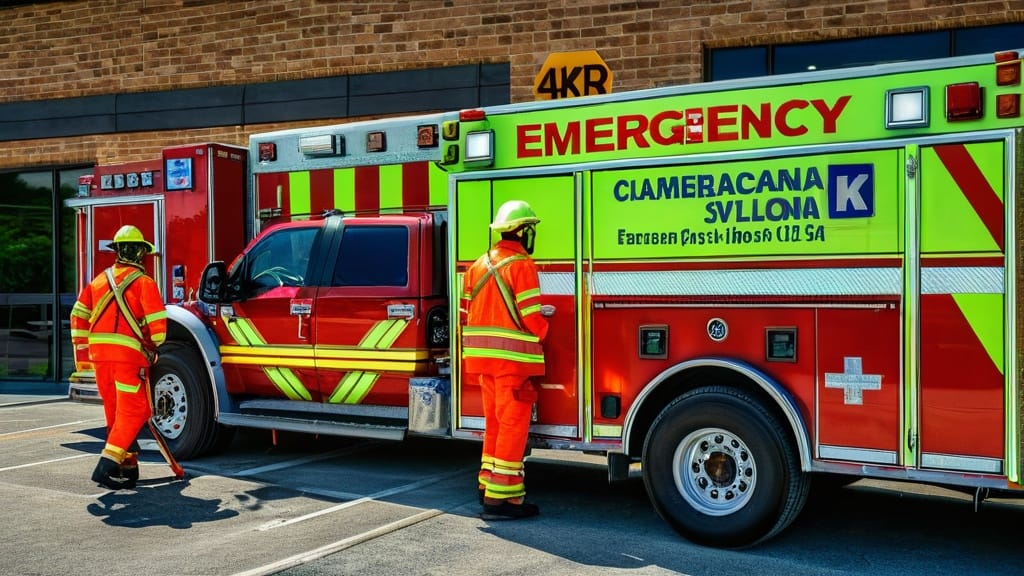
Preparation for Elion’s emergency drill involves meticulous planning and coordination across multiple departments. The process begins with a comprehensive risk assessment to identify potential emergencies that could impact the organization. This assessment takes into account factors such as geographical location, industry-specific risks, and historical data on past incidents.
By understanding these variables, Elion can tailor its drill scenarios to reflect realistic threats, ensuring that employees are adequately prepared for what they might encounter. Once potential scenarios have been identified, a detailed plan is developed outlining the objectives, timeline, and resources required for the drill. This plan includes assigning roles and responsibilities to various team members, ensuring that everyone knows their specific tasks during the exercise.
Communication is a key element of this preparation phase; Elion conducts pre-drill briefings to inform employees about what to expect and how they should respond. These briefings help alleviate anxiety and foster a sense of teamwork, as employees understand that they are all working towards a common goal: enhancing safety and preparedness.
Execution of the Emergency Drill
The execution of Elion’s emergency drill is a carefully orchestrated event that involves multiple stages. On the day of the drill, employees are notified of an impending emergency scenario—such as a fire outbreak or an active shooter situation—through established communication channels. This initial alert triggers a series of actions designed to test the organization’s response capabilities.
Employees must follow established protocols, which may include evacuating the building, seeking shelter, or reporting to designated assembly points. During the drill, observers are stationed throughout the facility to monitor employee actions and assess adherence to emergency procedures. These observers play a crucial role in providing real-time feedback and ensuring that the drill remains focused on its objectives.
The execution phase is not only about following procedures; it also emphasizes teamwork and communication among employees. As individuals navigate through the simulated crisis, they must rely on one another for support and information, reinforcing the importance of collaboration in emergency situations.
Evaluation and Analysis of the Drill
| Metric | Details |
|---|---|
| Event Name | Elion Emergency Drill |
| Facility | Warehouse Facility |
| Date Conducted | 2024-06-15 |
| Duration | 2 hours |
| Number of Participants | 50 employees |
| Drill Type | Fire and Evacuation |
| Response Time | 4 minutes 30 seconds |
| Evacuation Completion Time | 7 minutes |
| Safety Incidents | 0 |
| Areas Tested | Loading Dock, Storage Aisles, Office Area |
| Post-Drill Feedback Score | 8.5 / 10 |
Following the completion of the emergency drill, Elion conducts a thorough evaluation to analyze its effectiveness. This evaluation process involves gathering feedback from participants, observers, and leadership teams to gain insights into what worked well and what did not. Surveys and debriefing sessions are utilized to capture diverse perspectives on the drill experience.
This feedback is invaluable for understanding employee perceptions of their preparedness and identifying any areas where confusion or uncertainty arose during the exercise. In addition to qualitative feedback, quantitative data is also collected to measure response times and adherence to protocols. By analyzing this data, Elion can pinpoint specific areas for improvement within its emergency response plans.
For instance, if certain teams consistently took longer to evacuate than others, this could indicate a need for additional training or clearer communication regarding evacuation routes. The evaluation phase is critical for ensuring that lessons learned from the drill are documented and integrated into future planning efforts.
Lessons Learned and Areas for Improvement
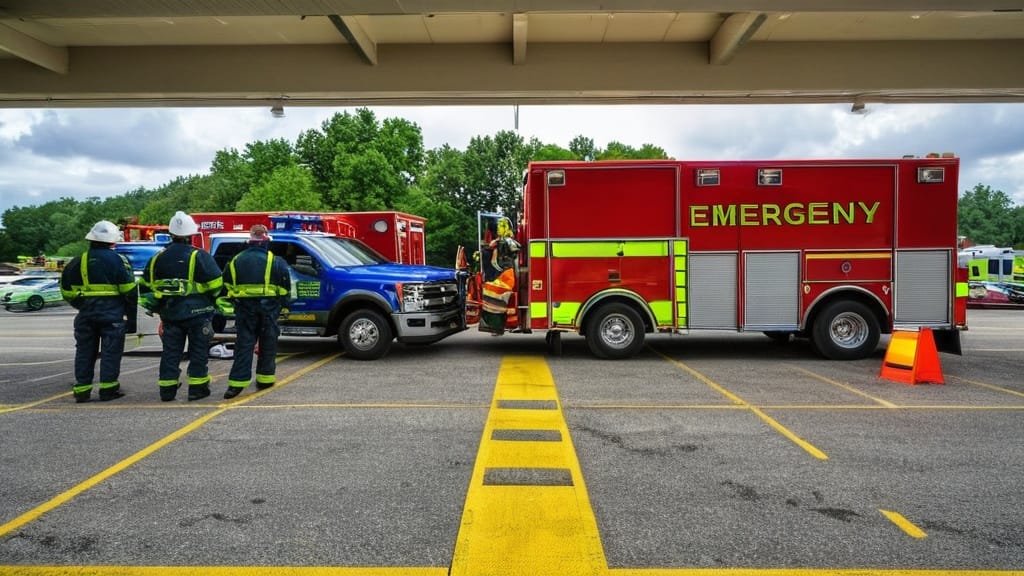
The lessons learned from Elion’s emergency drill are instrumental in shaping future preparedness initiatives. One key takeaway often revolves around communication; during high-stress situations, clear and concise messaging is paramount. If employees struggle to understand instructions or if there are delays in disseminating information, it can lead to confusion and hinder effective responses.
As such, Elion may consider implementing more robust communication tools or protocols that ensure timely updates during emergencies. Another area for improvement frequently identified is training frequency and content. While employees may perform well during drills, there is always room for enhancement in terms of knowledge retention and skill development.
Elion might explore options such as refresher courses or scenario-based training sessions that reinforce critical skills over time. Additionally, incorporating feedback from employees about their experiences during drills can help tailor training programs to address specific concerns or knowledge gaps.
Follow-up Actions and Recommendations
In light of the evaluation findings from the emergency drill, Elion is committed to implementing follow-up actions that enhance its overall preparedness framework. One immediate recommendation may involve revising existing emergency response plans based on insights gained during the drill. This could include updating evacuation routes, refining communication protocols, or introducing new technologies that facilitate quicker responses.
Furthermore, Elion may establish a regular schedule for conducting emergency drills throughout the year rather than relying solely on annual exercises. Frequent drills can help maintain employee engagement and ensure that skills remain sharp over time. Additionally, fostering partnerships with local emergency services can provide valuable resources and expertise in refining response strategies.
Collaborating with external agencies can also enhance community relations and ensure that Elion’s preparedness efforts align with broader public safety initiatives.
Conclusion and Future Emergency Preparedness Plans
Elion’s commitment to emergency preparedness extends beyond individual drills; it reflects a holistic approach to risk management that prioritizes safety at every level of the organization. As Elion continues to refine its emergency response strategies based on lessons learned from drills, it remains dedicated to fostering a culture of resilience among its workforce. Future plans may include integrating advanced technologies such as simulation software or virtual reality training modules that provide immersive experiences for employees.
Moreover, as new threats emerge in an increasingly complex world, Elion recognizes the need for adaptability in its preparedness efforts. Continuous monitoring of industry trends and evolving best practices will be essential in ensuring that Elion remains at the forefront of emergency management strategies. By investing in ongoing training, fostering open communication channels, and embracing innovation, Elion aims to create an environment where employees feel confident in their ability to respond effectively to any crisis that may arise.
Elion recently conducted an emergency drill for a warehouse facility to enhance safety protocols and ensure preparedness for potential incidents. This initiative aligns with their commitment to safety and environmental responsibility, as highlighted in their article on mastering chemical spill response, which provides a comprehensive step-by-step training guide for effective management of hazardous situations. For more insights, you can read the article here.
Need expert assistance with Emergency Plan? Contact Elion Technologies and Consulting Pvt. Ltd. now.
FAQs
What was the purpose of the emergency drill conducted by Elion?
The emergency drill was conducted to test and improve the preparedness and response capabilities of the warehouse facility in case of an emergency situation.
Where did the emergency drill take place?
The drill took place at one of Elion’s warehouse facilities.
Who participated in the emergency drill?
Employees of the warehouse facility, including safety personnel and management, participated in the drill to simulate real emergency conditions.
What types of emergencies were simulated during the drill?
The drill typically simulates scenarios such as fire outbreaks, chemical spills, or other potential hazards relevant to warehouse operations.
How often does Elion conduct emergency drills at its facilities?
While the specific frequency may vary, companies like Elion generally conduct emergency drills regularly to ensure ongoing safety and preparedness.
What are the benefits of conducting emergency drills in warehouse facilities?
Emergency drills help identify potential safety issues, improve employee response times, ensure proper use of safety equipment, and enhance overall emergency preparedness.
Did the emergency drill involve coordination with external emergency services?
In many cases, emergency drills include coordination with local fire departments or emergency responders to provide realistic training and improve collaboration.
How does Elion ensure the safety of employees during the drill?
Safety measures are put in place to ensure that the drill is conducted in a controlled manner without putting participants at risk.
What follow-up actions are taken after the emergency drill?
After the drill, Elion typically reviews performance, identifies areas for improvement, updates emergency plans, and provides additional training if necessary.
Is the emergency drill part of Elion’s compliance with safety regulations?
Yes, conducting emergency drills is often a requirement to comply with occupational health and safety regulations and industry best practices.