
The HVAC audit is a critical assessment process that evaluates the efficiency and effectiveness of heating, ventilation, and air conditioning systems within a building. This comprehensive examination is not merely a routine check; it serves as a diagnostic tool that identifies potential inefficiencies, safety concerns, and areas for improvement. As energy costs continue to rise and environmental regulations become more stringent, the importance of conducting an HVAC audit has never been more pronounced.
By systematically analyzing the performance of HVAC systems, stakeholders can make informed decisions that enhance comfort, reduce energy consumption, and extend the lifespan of equipment. An HVAC audit typically involves a thorough inspection of the entire system, including components such as boilers, chillers, ductwork, and thermostats. Technicians utilize advanced diagnostic tools and methodologies to assess various parameters, including airflow rates, temperature differentials, and energy consumption patterns.
The audit process may also include a review of maintenance records and operational practices to identify any discrepancies or lapses that could lead to inefficiencies. Ultimately, the goal of an HVAC audit is to provide a clear picture of the system’s current state and to lay the groundwork for improvements that can lead to significant cost savings and enhanced indoor air quality. For a comprehensive assessment of your heating and cooling systems, consider scheduling an HVAC Audit to improve efficiency and reduce energy costs.
Key Takeaways
- HVAC audits assess system performance and identify efficiency improvements.
- The audit aims to reduce energy costs and enhance indoor comfort.
- It covers inspection, testing, and evaluation of HVAC components.
- Recommendations focus on repairs, upgrades, and operational changes.
- Ongoing maintenance and monitoring ensure sustained system efficiency.
Purpose of the Audit
The primary purpose of an HVAC audit is to evaluate the operational efficiency of heating and cooling systems. By identifying inefficiencies, the audit aims to reduce energy consumption and operational costs. For instance, an audit may reveal that a building’s HVAC system is oversized for its needs, leading to excessive energy use and increased wear on equipment.
By pinpointing such issues, facility managers can take corrective actions that not only lower energy bills but also improve overall system performance. Another critical purpose of the HVAC audit is to ensure compliance with local building codes and environmental regulations. Many jurisdictions have established standards for energy efficiency and indoor air quality that must be met by commercial and residential buildings alike.
An audit can help identify areas where a system may fall short of these requirements, allowing property owners to make necessary adjustments before facing potential fines or penalties. Furthermore, by adhering to these regulations, building owners contribute to broader sustainability goals, reducing their carbon footprint and promoting healthier living environments.
Scope of Work
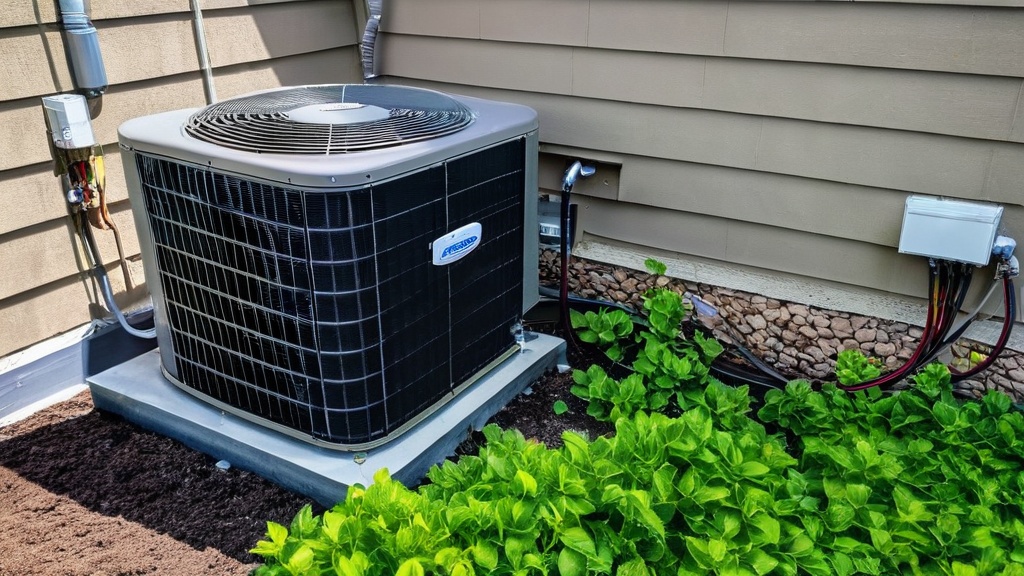
The scope of work for an HVAC audit encompasses a wide range of activities designed to provide a comprehensive evaluation of the system. Initially, auditors will conduct a visual inspection of all HVAC components, including air handlers, ductwork, and control systems. This step is crucial for identifying visible signs of wear or damage that could impact performance.
For example, leaks in ductwork can lead to significant energy losses, while dirty filters can restrict airflow and reduce system efficiency. In addition to visual inspections, the audit process often includes performance testing using specialized equipment. This may involve measuring airflow rates with an anemometer or assessing temperature differentials across various zones in the building.
Data collected during these tests are analyzed to determine whether the system operates within acceptable parameters. The scope may also extend to reviewing historical energy consumption data to identify trends or anomalies that warrant further investigation. By encompassing both qualitative observations and quantitative measurements, the scope of work ensures a holistic understanding of the HVAC system’s performance.
Findings and Recommendations
The findings from an HVAC audit can vary widely depending on the specific characteristics of the building and its systems. Common issues identified during audits include inadequate insulation in ductwork, improper thermostat placement, and outdated equipment that no longer meets efficiency standards. For instance, if an auditor discovers that a building’s thermostat is located near a heat source such as a window or light fixture, it may lead to inaccurate temperature readings and inefficient operation.
Recommendations in such cases would include relocating the thermostat to a more neutral location to ensure accurate temperature control. In addition to addressing specific issues, auditors often provide broader recommendations aimed at enhancing overall system performance. This might include suggestions for upgrading to more energy-efficient equipment or implementing advanced control strategies such as programmable thermostats or smart building technologies.
For example, integrating a Building Management System (BMS) can allow for real-time monitoring and control of HVAC operations, optimizing performance based on occupancy patterns and external weather conditions. By prioritizing these recommendations based on potential return on investment (ROI), building owners can make strategic decisions that align with their financial goals while improving comfort and efficiency.
Implementation Plan
| Metric | Value | Unit | Remarks |
|---|---|---|---|
| Location | Gurgaon | – | Corporate Office |
| Audit Date | April 2024 | – | Month of audit |
| Total HVAC Units Audited | 12 | Units | Includes ACs and Ventilation Systems |
| Average Energy Consumption | 350 | kWh/month | Per HVAC unit |
| Energy Efficiency Rating | B+ | – | Based on audit findings |
| Recommended Energy Savings | 15 | % | Potential reduction after improvements |
| Indoor Air Quality Index | 85 | Score | Out of 100, post-audit measurement |
| Maintenance Issues Identified | 5 | Issues | Includes filter replacements and duct cleaning |
| Estimated Cost Savings | 1200 | Units/month | Energy cost units saved after optimization |
An effective implementation plan is essential for translating audit findings into actionable improvements. This plan should outline specific steps for addressing identified issues, including timelines, responsible parties, and budget considerations. For instance, if the audit recommends replacing outdated equipment with high-efficiency models, the implementation plan should detail the procurement process, installation timelines, and any necessary training for maintenance staff.
Moreover, the implementation plan should prioritize actions based on their potential impact on energy savings and comfort levels. Short-term measures that require minimal investment—such as changing air filters or sealing duct leaks—can often yield immediate benefits and should be addressed first. Long-term strategies may involve more significant capital expenditures but can lead to substantial savings over time.
By establishing clear milestones and metrics for success, facility managers can track progress and make adjustments as needed throughout the implementation process.
Benefits of the Audit
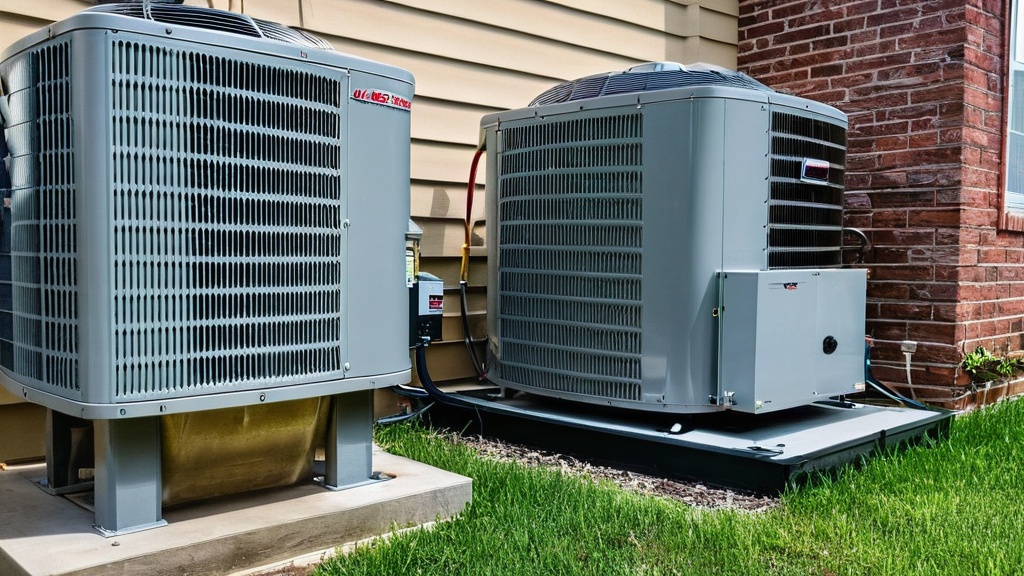
The benefits of conducting an HVAC audit extend far beyond immediate cost savings; they encompass a range of advantages that contribute to improved building performance and occupant satisfaction. One of the most significant benefits is enhanced energy efficiency. By identifying inefficiencies and implementing recommended changes, building owners can significantly reduce their energy consumption, leading to lower utility bills.
For example, studies have shown that optimizing HVAC systems can result in energy savings of 10% to 30%, depending on the existing conditions. In addition to financial savings, an HVAC audit can improve indoor air quality (IAQ), which is crucial for occupant health and productivity. Poorly maintained HVAC systems can circulate dust, allergens, and other pollutants throughout a building, leading to respiratory issues and decreased comfort levels.
By addressing issues such as dirty filters or inadequate ventilation identified during the audit process, property owners can create healthier indoor environments that promote well-being among occupants. Furthermore, improved IAQ can enhance employee productivity in commercial settings, making it a worthwhile investment for businesses looking to maximize their workforce’s potential.
Future Maintenance and Monitoring
To sustain the benefits gained from an HVAC audit, ongoing maintenance and monitoring are essential. Regular maintenance schedules should be established based on the specific needs of the system and its components. This may include routine inspections, filter changes, and cleaning of coils and ducts to prevent buildup that could hinder performance.
Implementing a proactive maintenance strategy not only extends the lifespan of equipment but also helps avoid costly emergency repairs down the line. In addition to routine maintenance, continuous monitoring of system performance can provide valuable insights into operational efficiency over time. Advanced technologies such as IoT sensors can be integrated into HVAC systems to track real-time data on energy consumption, temperature fluctuations, and airflow rates.
This data can be analyzed to identify trends or anomalies that may indicate emerging issues before they escalate into significant problems. By adopting a culture of continuous improvement through regular audits and monitoring efforts, building owners can ensure their HVAC systems remain efficient and effective for years to come.
The HVAC audit serves as a vital tool for optimizing heating and cooling systems within buildings. By systematically evaluating system performance and identifying areas for improvement, stakeholders can achieve significant energy savings while enhancing occupant comfort and health. The comprehensive nature of an HVAC audit—encompassing visual inspections, performance testing, and data analysis—ensures that all aspects of the system are thoroughly assessed.
As building owners implement recommendations from the audit findings through a well-structured plan, they not only address immediate inefficiencies but also lay the groundwork for long-term sustainability. The benefits derived from conducting an HVAC audit extend beyond financial savings; they encompass improved indoor air quality and enhanced occupant satisfaction as well. By committing to ongoing maintenance and monitoring practices post-audit, property owners can ensure their HVAC systems operate at peak efficiency well into the future.
Elion recently conducted a comprehensive HVAC audit for a corporate office in Gurgaon, focusing on optimizing energy efficiency and ensuring compliance with industry standards. This audit is part of a broader commitment to enhancing workplace environments through meticulous assessments. For those interested in understanding the importance of systematic audits, a related article titled Navigating the OHSAS Audit: A Step-by-Step Guide for Success provides valuable insights into the audit process and its significance in maintaining safety and operational excellence.
FAQs
What is an HVAC audit?
An HVAC audit is a comprehensive evaluation of a building’s heating, ventilation, and air conditioning systems. It assesses the efficiency, performance, and condition of the HVAC equipment to identify areas for improvement and energy savings.
Who conducted the HVAC audit for the corporate office in Gurgaon?
The HVAC audit for the corporate office in Gurgaon was conducted by Elion, a company specializing in energy audits and HVAC assessments.
What is the purpose of conducting an HVAC audit in a corporate office?
The purpose of conducting an HVAC audit in a corporate office is to evaluate the current HVAC system’s efficiency, identify any operational issues, recommend improvements, and reduce energy consumption and costs.
What are the typical components checked during an HVAC audit?
During an HVAC audit, components such as air conditioning units, heating systems, ventilation ducts, thermostats, filters, and control systems are inspected and tested for performance and efficiency.
How can an HVAC audit benefit a corporate office?
An HVAC audit can help a corporate office reduce energy bills, improve indoor air quality, enhance occupant comfort, extend the lifespan of HVAC equipment, and ensure compliance with environmental standards.
Is the HVAC audit conducted by Elion specific to Gurgaon?
While this particular audit was conducted for a corporate office in Gurgaon, Elion provides HVAC audit services in various locations depending on client requirements.
What qualifications does Elion have to conduct HVAC audits?
Elion is a professional company with expertise in energy management and HVAC systems, employing trained auditors who use industry-standard tools and methodologies to conduct thorough HVAC audits.
How often should a corporate office conduct an HVAC audit?
It is generally recommended to conduct an HVAC audit annually or biannually, depending on the size of the facility and the complexity of the HVAC system, to maintain optimal performance.
What happens after the HVAC audit is completed?
After the audit, Elion typically provides a detailed report outlining findings, recommendations for improvements, potential energy savings, and suggested maintenance or upgrades.
Can the HVAC audit help in reducing the environmental impact of the corporate office?
Yes, by identifying inefficiencies and recommending energy-saving measures, the HVAC audit can help reduce the corporate office’s carbon footprint and overall environmental impact.