
The default answer under NBC 2016 Part 4 and most state fire-service norms is annual, but that default doesn’t hold for every occupancy: high-hazard categories — chemical plants, LPG storage facilities, large hospitals, data centres — typically need to move to a six-monthly cycle, since the consequence of an undetected gap is higher and the equipment involved (gas detection, emergency power, life-support-critical systems) degrades in ways that can develop meaningfully within six months rather than a year. NCRB Fire Statistics 2022 recorded 9,480 electrical short-circuit fires nationwide, a reminder that the interval between audits is exactly the window in which an undetected fault has time to develop into an actual incident, which is why the frequency question isn’t a formality but a real risk-management decision tied to occupancy type. For a facility unsure which category it falls into, the practical test isn’t the building’s industry label alone but its actual hazard profile — storage of flammable or hazardous materials, occupant evacuation capability, and equipment criticality — since two facilities in the same broad industry can land in different frequency categories depending on these specifics.
Most commercial and industrial buildings need a fire safety audit annually under NBC 2016. High-hazard occupancies — chemical plants, LPG storage, large hospitals, data centres — need six-monthly audits instead, since the consequence of an undetected gap is higher there.
Key Takeaways
- Fire safety audits are crucial for ensuring the safety of occupants and protecting property from fire hazards.
- Legal requirements for fire safety audits vary by location and type of building, but they are generally mandatory for all commercial and public buildings.
- The frequency of fire safety audits should be determined based on the type of building, its occupancy, and the level of fire risk.
- Factors to consider in determining audit frequency include changes in building use, occupancy levels, and any recent fire incidents or near misses.
- Regular fire safety audits can help identify and address potential fire hazards, improve emergency preparedness, and reduce the risk of fire-related injuries and property damage.
- Infrequent fire safety audits can lead to undetected hazards, non-compliance with regulations, and increased risk of fire incidents and their consequences.
- Best practices for conducting fire safety audits include thorough inspections, documentation of findings, and timely implementation of corrective actions.
Legal Requirements for Fire Safety Audits
Legal Requirements in the United States
In the United States, the National Fire Protection Association (NFPA) has established a set of standards and codes related to fire safety, including NFPA 101: Life Safety Code and NFPA 1: Fire Code. These standards outline the requirements for conducting fire safety audits and maintaining fire protection systems in various types of buildings. Failure to comply with these standards can result in fines, legal action, and even the closure of a building or facility.
Legal Requirements in the United Kingdom
In the United Kingdom, the Regulatory Reform (Fire Safety) Order 2005 sets out the legal requirements for fire safety in non-domestic premises. This includes the requirement for building owners and managers to conduct regular fire risk assessments and implement appropriate fire safety measures. Failure to comply with these legal requirements can result in enforcement action by the local fire authority and potential prosecution.
Consequences of Non-Compliance
The consequences of non-compliance with fire safety regulations can be severe. Building owners and managers who fail to conduct regular fire safety audits and implement necessary measures can face fines, legal action, and even the closure of their building or facility. It is essential to take fire safety seriously and ensure that all necessary measures are taken to protect occupants and visitors.
Frequency of Fire Safety Audits
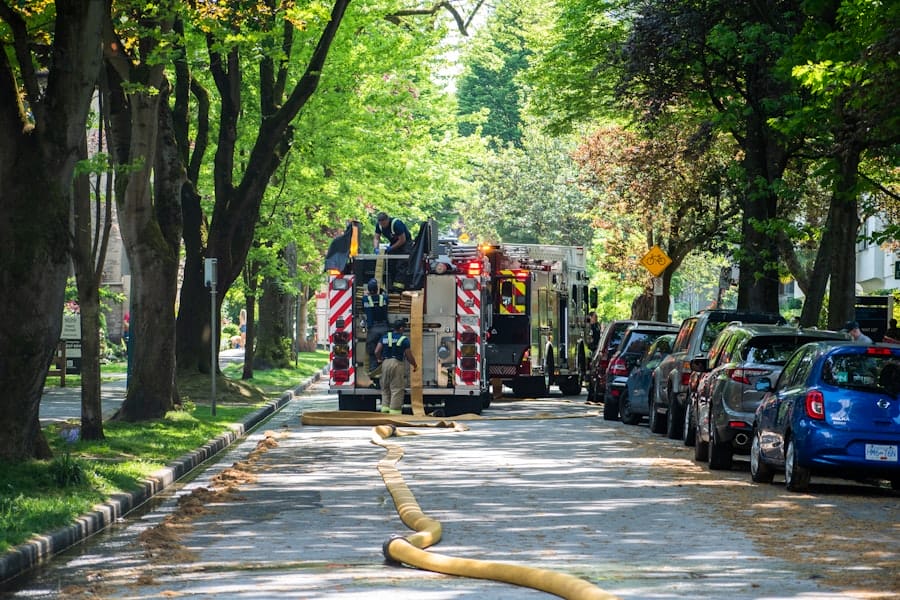
The frequency of fire safety audits can vary depending on the type of building or facility, its occupancy, and the nature of its operations. In general, it is recommended that fire safety audits be conducted at least annually, although more frequent audits may be necessary in certain circumstances. For example, high-risk buildings such as hospitals, nursing homes, and industrial facilities may require more frequent fire safety audits due to the presence of vulnerable occupants or hazardous materials.
Similarly, buildings with a high turnover of occupants or frequent changes to the layout or use of the building may also require more frequent audits to ensure that fire safety measures remain effective. On the other hand, low-risk buildings such as office buildings or retail stores may be able to conduct fire safety audits less frequently, such as every two or three years. However, it is important to note that the frequency of fire safety audits should be based on a thorough assessment of the specific risks and hazards present in the building or facility.
Factors to Consider in Determining Audit Frequency
| Factors | Considerations |
|---|---|
| Size of the Organization | Large organizations may require more frequent audits |
| Complexity of Operations | Complex operations may necessitate more frequent audits |
| Risk Exposure | High-risk industries may require more frequent audits |
| Regulatory Requirements | Compliance with specific regulations may dictate audit frequency |
| Historical Performance | Poor past performance may necessitate more frequent audits |
When determining the frequency of fire safety audits, there are several factors that building owners and managers should take into consideration. These factors can help to ensure that audits are conducted at an appropriate interval and that any potential risks are identified and addressed in a timely manner. One important factor to consider is the occupancy and use of the building.
Buildings with a high occupancy or those that are used for activities that pose a higher risk of fire, such as cooking or manufacturing, may require more frequent audits. Additionally, buildings with vulnerable occupants, such as hospitals or care homes, may also require more frequent audits to ensure their safety. Another factor to consider is any changes to the building or its operations.
If there have been significant changes to the layout, occupancy, or use of the building, it may be necessary to conduct a fire safety audit sooner than originally planned. This can help to ensure that any new risks or hazards are identified and addressed promptly. Furthermore, the effectiveness of existing fire safety measures should be taken into account when determining audit frequency.
If there have been issues with the maintenance or performance of fire protection systems, such as sprinklers or fire alarms, more frequent audits may be necessary to ensure that these systems are functioning properly.
Benefits of Regular Fire Safety Audits
Regular fire safety audits offer numerous benefits for building owners, managers, occupants, and visitors. By conducting these audits on a consistent basis, it is possible to identify potential fire hazards, assess the effectiveness of existing fire safety measures, and take proactive steps to prevent fires from occurring. One of the key benefits of regular fire safety audits is that they help to protect lives and property.
By identifying and addressing potential fire hazards, such as blocked fire exits or faulty electrical wiring, audits can significantly reduce the risk of a fire breaking out and spreading within a building. This can help to prevent injuries or fatalities and minimize property damage in the event of a fire. Furthermore, regular fire safety audits can help to ensure compliance with local fire safety regulations and building codes.
By demonstrating a commitment to maintaining a safe environment for occupants and visitors, building owners and managers can avoid legal repercussions and financial penalties for non-compliance. This can help to protect the reputation and financial stability of a business or organization. In addition, regular fire safety audits can provide peace of mind for occupants and visitors.
By knowing that a building has been thoroughly assessed for potential fire hazards and that appropriate fire safety measures are in place, individuals can feel confident in their safety while inside the building. This can help to create a positive environment for employees, customers, and other occupants.
Consequences of Infrequent Fire Safety Audits
Risk of Fires Occurring
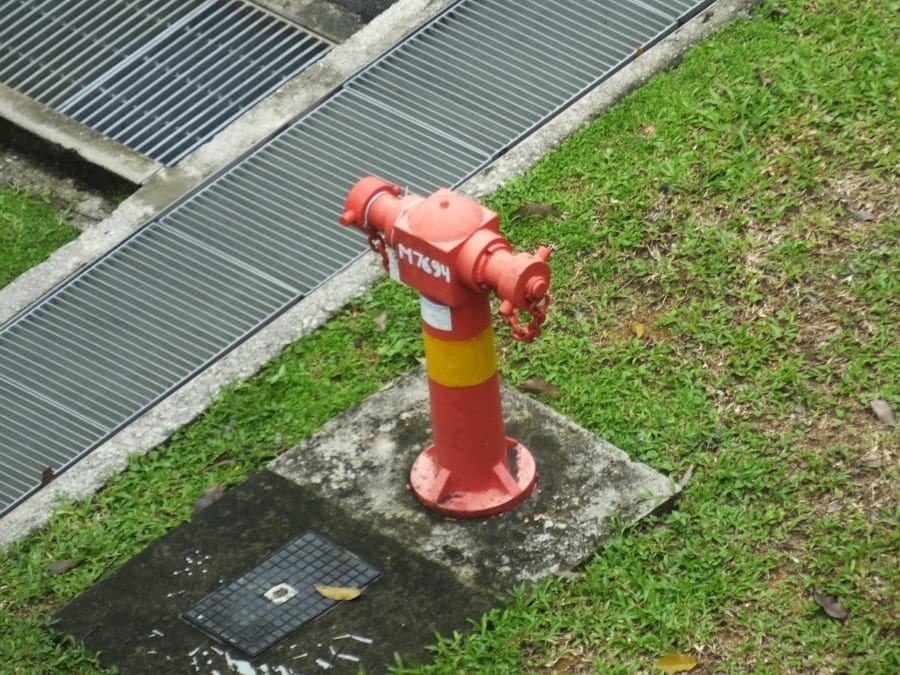
One of the most significant consequences of infrequent fire safety audits is the increased risk of fires breaking out. Without regular assessments of potential hazards such as faulty electrical wiring, flammable materials, or blocked fire exits, the likelihood of a fire occurring and spreading within a building increases. This puts occupants and visitors at risk and can result in significant property damage.
Non-Compliance with Regulations
Infrequent fire safety audits can also lead to non-compliance with local fire safety regulations and building codes. Without regular assessments of a building’s fire safety measures, there is a greater chance of failing to meet legal requirements for maintaining a safe environment. This can result in fines, legal action, and even the closure of a building or facility.
Uncertainty and Fear Among Occupants
Furthermore, infrequent fire safety audits can create a sense of uncertainty and fear among occupants and visitors. Without regular assessments of potential fire hazards and the effectiveness of existing fire safety measures, individuals may feel unsafe while inside a building. This can have a negative impact on employee morale, customer satisfaction, and the overall reputation of a business or organization.
Best Practices for Conducting Fire Safety Audits
When conducting fire safety audits, there are several best practices that building owners and managers should follow to ensure that these assessments are thorough and effective. By adhering to these best practices, it is possible to identify potential fire hazards, assess the effectiveness of existing fire safety measures, and take proactive steps to prevent fires from occurring. One best practice for conducting fire safety audits is to engage qualified professionals with expertise in fire protection engineering or fire safety management.
These individuals have the knowledge and experience necessary to conduct a comprehensive assessment of a building’s potential fire hazards and existing fire protection systems. By working with qualified professionals, building owners and managers can ensure that their fire safety audits are conducted in accordance with industry best practices. Another best practice is to take a systematic approach to conducting fire safety audits.
This involves thoroughly assessing all areas of a building for potential fire hazards, such as electrical systems, heating equipment, flammable materials, and means of egress. By taking a systematic approach, it is possible to identify any risks or deficiencies that may exist within a building’s fire protection systems. Furthermore, it is important to document the findings of a fire safety audit and develop a comprehensive plan for addressing any identified issues.
This may involve implementing new fire protection measures, such as installing sprinkler systems or updating emergency lighting, as well as establishing a schedule for regular maintenance and testing of existing fire protection systems. In conclusion, fire safety audits are essential for ensuring the safety and well-being of individuals in any building or facility. By conducting regular assessments of potential fire hazards and existing fire protection systems, it is possible to prevent fires from occurring, protect lives and property, ensure compliance with local regulations, and provide peace of mind for occupants and visitors.
Building owners and managers should adhere to best practices for conducting these audits and take proactive steps to address any identified issues in order to maintain a safe environment for all.
If you are interested in learning more about the importance of safety audits, you should check out this comprehensive electrical safety audit case study in Noida, India. This article provides valuable insights into the process of conducting safety audits and the impact they can have on ensuring the safety and efficiency of a facility.
FAQs
What is a fire safety audit?
A fire safety audit is a systematic evaluation of a building’s fire safety measures and procedures to ensure compliance with fire safety regulations and to identify any potential fire hazards.
How often should fire safety audits be conducted?
The frequency of fire safety audits can vary depending on local regulations and the type of building. In general, fire safety audits should be conducted at least once a year, but some high-risk buildings may require more frequent audits.
Who is responsible for conducting fire safety audits?
Fire safety audits are typically conducted by qualified fire safety professionals or certified fire safety inspectors who have the necessary training and expertise to assess fire safety measures and identify potential hazards.
What is the purpose of a fire safety audit?
The primary purpose of a fire safety audit is to ensure that a building’s fire safety measures are in compliance with regulations and standards, and to identify any deficiencies or hazards that need to be addressed to minimize the risk of fire.
What are some common areas that are assessed during a fire safety audit?
During a fire safety audit, various aspects of a building’s fire safety measures are assessed, including fire detection and alarm systems, emergency lighting, fire extinguishers, evacuation routes, fire doors, and overall fire safety management procedures.