
Introduction
An industrial facility in Noida faced increasing concerns related to electrical safety, system reliability, and compliance with statutory requirements. With aging electrical infrastructure, fluctuating loads, and inadequate maintenance practices, the risk of electrical hazards such as short circuits, overheating, and equipment failure was significant.
To address these challenges, the organization engaged Elion Technologies & Consulting Pvt. Ltd. to conduct a comprehensive electrical safety audit. The objective was to identify potential hazards, ensure compliance with applicable standards, and recommend corrective actions to enhance safety and operational efficiency.
Understanding the Importance of Electrical Safety Audits
Electrical safety audits are critical assessments that evaluate an organization’s electrical infrastructure and operations to ensure compliance with safety standards and regulations. These audits help identify potential electrical hazards, inadequate equipment, or unsafe practices that could endanger lives or disrupt operations. For any business, prioritizing electrical safety is essential for fostering a secure work environment and maintaining operational efficiency.
The Role of a Safety Auditor
A safety auditor, like those at Elion Technologies and Consulting Private Limited, plays a vital role in evaluating and assessing safety measures within an organization. Their expertise ensures a comprehensive examination of electrical systems and equipment, providing recommendations to enhance safety protocols and minimize risks. In this case, our safety auditors meticulously assessed the electrical safety measures at the private company in Noida.
Electrical Safety Audit in Noida, India
Focus on Electrical Equipment and Systems
- Equipment Inspection and Testing: Our audit involved a thorough inspection of electrical equipment, focusing on identifying any signs of wear and tear, loose connections, or outdated components. Testing was conducted to ensure proper functionality and compliance with safety standards.
- Electrical Panel Assessments: We closely examined the electrical panels, looking for overloading, proper labeling, and adherence to safety codes. Inadequacies were addressed to prevent potential electrical hazards and ensure a streamlined and safe electrical distribution system.
- Grounding and Earthing Systems: Evaluation of the grounding and earthing systems was crucial to ascertain their effectiveness in mitigating electrical shocks and ensuring a safe working environment.
Audit Methodology
Elion adopted a structured inspection and testing approach aligned with Indian and international standards.
1. Inspection Scope
- LT panels, distribution boards, and MCC panels
- Cable routing, joints, and terminations
- Earthing and bonding systems
- Protective devices (MCBs, MCCBs, relays)
- Load distribution and balancing
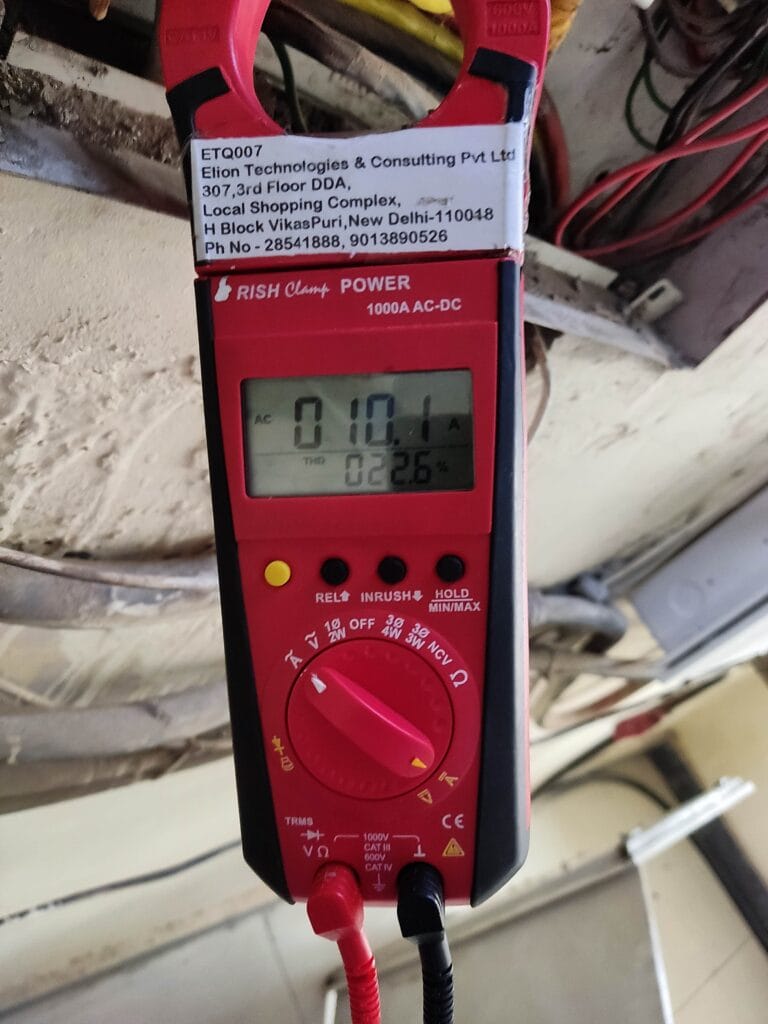
2. Tests & Measurements Conducted
- Earth Resistance Measurement using earth testers
- Insulation Resistance Testing using megger
- Load Analysis for phase imbalance and overloading
- Thermal inspection for hotspot detection
3. Standards Referenced
- IS 732 – Code of practice for electrical wiring installations
- IS 4648 – Electrical safety procedures and practices
- NFPA 70E – Electrical safety in the workplace
Key Findings & Deficiency Analysis
The audit identified several critical and moderate risks:
| Deficiency | Risk Level | Applicable Standard | Observation | Recommended Action |
|---|---|---|---|---|
| Overloaded circuits | High | IS 732 | Excess load on distribution feeders | Load redistribution and circuit redesign |
| Improper earthing | High | IS 3043 / IS 732 | High earth resistance values | Earthing system improvement |
| Absence of protective devices | Critical | IS 4648 | Missing or faulty MCBs/MCCBs | Installation/replacement of protection |
| Loose cable terminations | Medium | IS 732 | Heating observed at terminals | Tightening and proper lugging |
| Inadequate labeling & signage | Medium | NFPA 70E | Poor hazard identification | Standardized labeling and signage |
Why Elion for Electrical Safety Audits
- Extensive experience across industrial sectors
- Certified auditors with advanced testing instruments
- Strong expertise in IS and international standards
- Practical, implementation-focused recommendations
FAQs
What is an electrical safety audit?
An electrical safety audit is a systematic assessment of electrical systems to identify hazards and ensure compliance with safety standards.
How is an electrical safety audit conducted?
It involves inspection, testing (earth resistance, insulation), load analysis, and evaluation of protective systems.
Which standards apply to electrical safety audits?
IS 732, IS 4648, and NFPA 70E are commonly followed standards.
What are common electrical hazards in industries?
Overloaded circuits, poor earthing, faulty protection systems, and loose connections.
How can electrical safety be improved?
Through proper maintenance, installation of protection devices, regular audits, and adherence to standards.
Conclusion
Electrical safety audits are indispensable for any organization seeking to ensure the well-being of its employees and optimize operational efficiency. By partnering with a reputable safety auditor, like Elion Technologies and Consulting Private Limited, businesses can prioritize electrical safety, reduce risks, and create a secure and productive work environment.
If you’re interested in enhancing your electrical safety measures and optimizing your electrical equipment, contact Elion Technologies and Consulting Private Limited today. Our expert safety auditors are ready to guide you in establishing a safer workplace and achieving operational excellence through electrical safety.