
Arc flash mitigation combines engineering controls, protective equipment and procedural safeguards to reduce the incident energy a worker could be exposed to during an electrical fault. NFPA estimates that arc flash events occur at a rate of 5 to 10 incidents per day across industrial settings, resulting in over 30,000 injuries and roughly 400 fatalities annually, figures that make this one of the highest-consequence hazards on any electrical maintenance schedule. At a Kanpur food processing unit, an arc flash hazard evaluation identified a switchgear panel operating at incident energy levels requiring Category 4 PPE; retrofitting current-limiting fuses and updated relay coordination cost ₹6.2 lakh but brought the panel down to Category 1, cutting required PPE cost per technician by roughly 70%. Mitigation techniques are layered: arc-resistant switchgear and current-limiting devices reduce fault energy at the source, zone-selective interlocking and maintenance-mode switching shorten fault clearing time, and calculated PPE categories under IEEE 1584 protect workers for the residual risk that engineering controls cannot eliminate. None of these can be specified correctly without an arc flash study first modelling incident energy at each equipment point. For Indian industrial and commercial facilities running MV/LV switchgear, arc flash mitigation is now standard practice ahead of any panel that requires live or near-live work.
Arc flash mitigation reduces incident energy through engineering controls (current-limiting fuses, zone-selective interlocking, arc-resistant switchgear) plus calculated PPE per IEEE 1584. NFPA data shows 5-10 incidents daily industry-wide. An arc flash study (₹50,000-₹3 lakh) must precede mitigation to correctly size equipment.
What is an Arc Flash Hazard?
An arc flash hazard occurs when there is a fault or short circuit in an electrical system, causing an electric arc to form. This arc can release a tremendous amount of energy in the form of heat, light, and pressure. The temperatures generated during an arc flash can reach up to 35,000 degrees Fahrenheit, which is hotter than the surface of the sun. The intense light emitted during an arc flash can cause temporary or permanent blindness, while the pressure wave can cause physical injuries and damage to equipment.
The consequences of an arc flash incident can be devastating. Workers who are exposed to an arc flash can suffer severe burns, both thermal and electrical. These burns can require extensive medical treatment and rehabilitation. In some cases, workers may also experience hearing loss or other long-term health effects. Additionally, the damage caused by an arc flash can result in costly repairs or replacement of equipment, as well as significant downtime for the affected area or facility.
Importance of Arc Flash Mitigation Techniques
Implementing arc flash mitigation techniques is crucial for ensuring the safety of workers and protecting equipment in the workplace. By taking proactive measures to prevent arc flash incidents, employers can reduce the risk of injuries and fatalities among their employees. This not only helps to create a safer work environment but also demonstrates a commitment to employee well-being.
Preventing arc flash incidents also has financial benefits for employers. By avoiding injuries and property damage caused by arc flashes, employers can reduce workers’ compensation claims, insurance premiums, and potential legal liabilities. Additionally, by minimizing downtime due to equipment damage, employers can maintain productivity and avoid costly disruptions to their operations.
Conducting an Arc Flash Audit
| Metrics | Description |
|---|---|
| Arc Flash Hazard Analysis | The process of determining the potential for an arc flash incident and the level of personal protective equipment (PPE) required for workers. |
| Electrical System Documentation | The collection and organization of information related to the electrical system, including equipment specifications, one-line diagrams, and maintenance records. |
| Training and Education | The provision of information and instruction to workers on the hazards of arc flash incidents, safe work practices, and the use of PPE. |
| Equipment Labeling | The application of warning labels to electrical equipment to indicate the potential for an arc flash incident and the required level of PPE. |
| Incident Energy Analysis | The calculation of the amount of thermal energy that could be released during an arc flash incident, used to determine the level of PPE required. |
| Preventative Maintenance | The regular inspection and repair of electrical equipment to reduce the likelihood of an arc flash incident. |
One of the first steps in mitigating arc flash hazards is to conduct an arc flash audit. This involves identifying potential hazards, assessing the risks associated with those hazards, and developing a plan to mitigate those risks. It is important to hire a qualified professional to conduct the audit, as they will have the expertise and knowledge to accurately assess the risks and develop an effective mitigation plan.
During the audit, the professional will evaluate the electrical system and equipment in the workplace to identify potential arc flash hazards. This may involve reviewing electrical drawings, conducting visual inspections, and collecting data on equipment ratings and settings. The professional will also assess the likelihood and severity of potential arc flash incidents based on factors such as equipment design, maintenance practices, and worker behavior.
Once the audit is complete, the professional will provide recommendations for mitigating the identified risks. This may include implementing engineering controls, administrative controls, and personal protective equipment (PPE) measures. The recommendations should be prioritized based on the level of risk and feasibility of implementation.
Arc Flash Study: Understanding the Risks
In addition to conducting an arc flash audit, it is also important to conduct an arc flash study to understand the specific risks and hazards in a particular workplace. An arc flash study involves analyzing the electrical system and equipment to determine the incident energy levels and arc flash boundaries. This information is crucial for selecting appropriate PPE and determining safe work practices.
The study takes into account various factors that can contribute to arc flash incidents. These factors include equipment design, maintenance practices, worker behavior, and environmental conditions. By understanding these factors, employers can implement measures to minimize the likelihood of arc flash incidents.
The study also helps in determining the appropriate level of PPE required for workers in different areas of the workplace. This ensures that workers are adequately protected from the potential hazards of an arc flash. The study should be conducted by a qualified professional who has the knowledge and expertise to accurately analyze the electrical system and calculate incident energy levels.
Mitigation Techniques: Engineering Controls
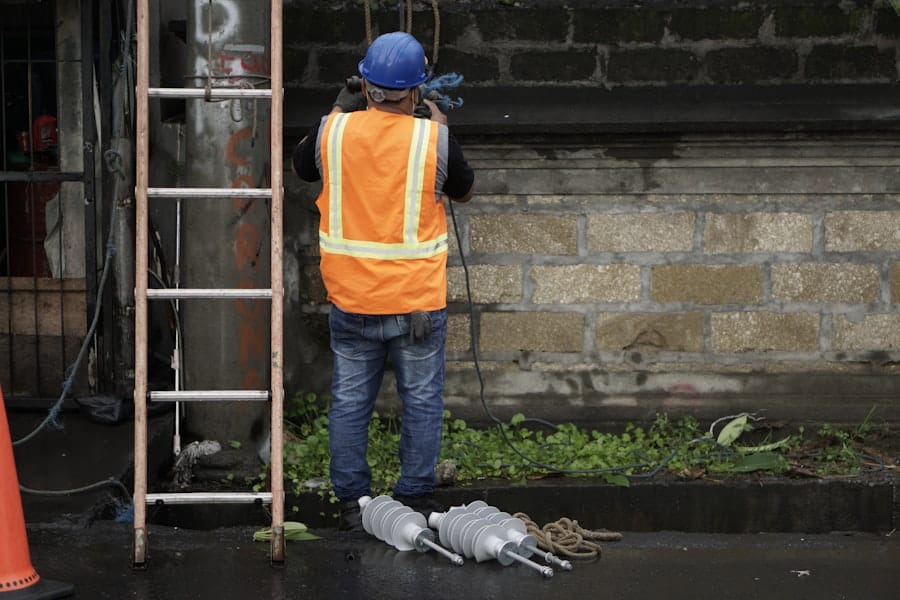
Engineering controls are an essential part of arc flash mitigation. These controls involve designing, installing, and maintaining electrical systems and equipment in a way that minimizes the risk of arc flash incidents. There are several engineering controls that can be used to mitigate arc flash hazards.
One example of an engineering control is the use of arc-resistant switchgear and circuit breakers. These devices are designed to contain and redirect the energy released during an arc flash, reducing the risk of injury and damage. Arc-resistant equipment is constructed with reinforced enclosures, pressure relief vents, and other features that help to minimize the impact of an arc flash.
Another engineering control is proper equipment installation and maintenance. Regular inspections, testing, and maintenance of electrical systems and equipment can help to identify potential issues before they become hazards. This includes checking for loose connections, damaged insulation, and other signs of wear or damage.
Mitigation Techniques: Administrative Controls
In addition to engineering controls, administrative controls play a crucial role in preventing arc flash incidents. These controls involve implementing policies, procedures, and training programs to ensure that workers are aware of the risks associated with arc flashes and know how to work safely.
One example of an administrative control is the implementation of lockout/tagout procedures. These procedures require workers to de-energize electrical systems and equipment before performing maintenance or repair work. By ensuring that workers follow proper lockout/tagout procedures, employers can minimize the risk of accidental energization and subsequent arc flash incidents.
Worker training is another important administrative control. Employers should provide comprehensive training on arc flash hazards, safe work practices, and the proper use of PPE. This training should be ongoing and include regular refresher courses to ensure that workers stay up to date with the latest information and best practices.
Mitigation Techniques: Personal Protective Equipment (PPE)
Personal protective equipment (PPE) is an essential component of arc flash mitigation. PPE is designed to protect workers from the thermal and electrical hazards associated with an arc flash. There are several types of PPE that can be used to mitigate arc flash hazards.
Arc-rated clothing is one of the most important pieces of PPE for protecting workers from arc flash incidents. This clothing is made from flame-resistant materials that are designed to self-extinguish and minimize burn injuries. Arc-rated clothing includes coveralls, shirts, pants, and jackets that are specifically designed to provide protection against arc flashes.
Gloves are another important piece of PPE for protecting workers’ hands from arc flash hazards. Arc-rated gloves are made from materials that provide insulation and protection against electrical shock and burns. These gloves should be selected based on the specific hazards present in the workplace, such as voltage levels and exposure times.
Face shields and goggles are also important for protecting workers’ eyes and face from the intense light emitted during an arc flash. These protective devices should be made from materials that provide adequate protection against ultraviolet (UV) radiation and infrared (IR) radiation.
Training and Education for Arc Flash Prevention
Training and education are crucial for preventing arc flash incidents in the workplace. Employers should provide comprehensive training programs that cover topics such as hazard recognition, PPE selection and use, emergency response procedures, and safe work practices.
Hazard recognition training helps workers to identify potential arc flash hazards in their work environment. This includes understanding the signs of electrical faults, recognizing equipment that may be at risk of an arc flash, and knowing how to respond to warning signs or alarms.
PPE selection and use training is essential for ensuring that workers understand how to properly select, inspect, and use the appropriate PPE for their specific tasks. This includes understanding the different types of PPE available, knowing how to properly don and doff PPE, and understanding the limitations and maintenance requirements of PPE.
Emergency response procedures training is crucial for ensuring that workers know how to respond in the event of an arc flash incident. This includes knowing how to evacuate the area, how to use fire extinguishers, and how to provide first aid to injured workers.
Creating a Safe Work Environment for All
In conclusion, arc flash hazards are a serious concern in many workplaces, and it is crucial for employers and employees to understand and mitigate these hazards. By implementing arc flash mitigation techniques, employers can protect workers from severe injuries and fatalities, as well as prevent damage to equipment and costly downtime. Conducting an arc flash audit and study, implementing engineering and administrative controls, providing appropriate PPE, and training workers on arc flash prevention are all essential steps in creating a safe work environment for all. It is important for employers to prioritize safety and take proactive measures to prevent arc flash incidents in their workplaces.
If you’re interested in learning more about Arc Flash Mitigation, you may also want to check out this informative article on Elion Technologies’ website. The article titled “Preventing Catastrophe and Optimizing Performance with Thermography at a Bangalore Software Company” discusses how thermography can be used to prevent arc flash incidents and improve the overall safety and performance of a software company in Bangalore. It provides valuable insights into the importance of implementing effective arc flash mitigation strategies. Elion Technologies – Preventing Catastrophe and Optimizing Performance with Thermography at a Bangalore Software Company
FAQs
Q1: What is the difference between an arc flash study and arc flash mitigation?
An arc flash study identifies and calculates arc flash hazards by determining incident energy levels, arc flash boundaries, and required PPE using IEEE 1584 methodology. Arc flash mitigation involves implementing engineering controls—such as protection relay optimization, maintenance switches, arc-resistant switchgear, current-limiting devices, or zone-selective interlocking—to reduce incident energy and improve worker safety.
Q2: How much does arc flash mitigation cost for an industrial panel in India?
Arc flash mitigation costs vary depending on the chosen solution. Basic mitigation measures such as relay setting optimization may cost ₹20,000–₹75,000 per panel, while advanced solutions including maintenance switches, arc-resistant equipment, or current-limiting upgrades can range from ₹1 lakh to ₹10 lakh or more for critical electrical systems.
Q3: What PPE categories does NFPA 70E/IEEE 1584 require for arc flash protection?
NFPA 70E defines PPE Categories 1 through 4 based on calculated incident energy. Category 1 requires arc-rated clothing with a minimum 4 cal/cm² rating, while Category 4 requires multi-layer arc flash suits rated 40 cal/cm² or higher. The required PPE is determined by the incident energy calculated during the arc flash study and may vary between individual panels.
Q4: How often should an arc flash risk assessment be updated?
NFPA 70E recommends updating an arc flash risk assessment at least every five years, or immediately after significant modifications to the electrical distribution system, including changes to transformers, protective device settings, utility fault current, switchgear configuration, or major facility expansions.
Q5: Can arc flash incident energy be reduced without replacing switchgear?
Yes. Incident energy can often be reduced without replacing switchgear by optimizing protective device settings, installing maintenance-mode switches, reducing breaker clearing times, implementing zone-selective interlocking, adding differential protection, or using current-limiting fuses or circuit breakers, depending on the existing electrical system design.