
Introduction
Elion Technologies & Consulting Pvt Ltd is proud to showcase its commitment to optimizing industrial efficiency and sustainability through a recent project at a thermal power plant in Bawana. This case study highlights the effectiveness of Pump Energy Audits in identifying inefficiencies within critical pump systems, implementing targeted solutions, and ultimately optimizing energy consumption and cost savings for the power plant.
A pump efficiency audit at the Bawana Thermal Power Plant in Delhi’s industrial belt revealed that cooling water and boiler feed pumps were operating at 51–63% hydraulic efficiency—far below the Bureau of Energy Efficiency (BEE) benchmark of 75–85% for centrifugal pumps in thermal applications—resulting in ₹34 lakh in annual avoidable energy expenditure. BEE’s Energy Efficiency in Pumping Systems manual (2004, revised 2019) identifies pump inefficiency as responsible for 20–30% of industrial energy consumption; in India’s power sector, auxiliary power consumption from inefficient pumps consumes up to 8% of gross generation in older plants, reducing sellable units and plant profitability. The Indraprastha Power Generation Company, which operates Delhi’s Bawana plant, faces the dual challenge of meeting Delhi Electricity Regulatory Commission (DERC) auxiliary consumption norms while keeping auxiliary costs below ₹1.20/unit. The pump audit—costing ₹1.8 lakh for 12 pumps—identified impeller trimming, speed reduction via VFDs, and seal replacement as priority actions with a combined ₹42 lakh annual saving and 5-month payback. This case study explains pump audit methodology, hydraulic efficiency calculation, specific energy measurement per IS 9137, and implementation priorities.
“BEE data shows pumping systems account for 22% of total electricity consumption in Indian industry; in thermal power plants specifically, auxiliary power consumption from pumps represents 6–9% of gross generation, worth ₹8–15 crore annually for a 500 MW plant at Delhi grid tariffs.”
Know more about – Fire Pump Performance Test for an API Manufacturer in Amroha, Uttar Pradesh
What Does a Pump Efficiency Audit Find at a Power Plant?
A pump audit measures hydraulic efficiency, flow vs. head vs. power consumption against BEE benchmarks (75–85% for centrifugal pumps). Typical power plant findings: 15–35% efficiency gap. For 12 pumps at ₹1.8 lakh audit cost, average savings identified: ₹18–45 lakh/year. Payback: 3–6 months. Mandatory for BEE Perform-Achieve-Trade (PAT) cycle compliance.
Methodology
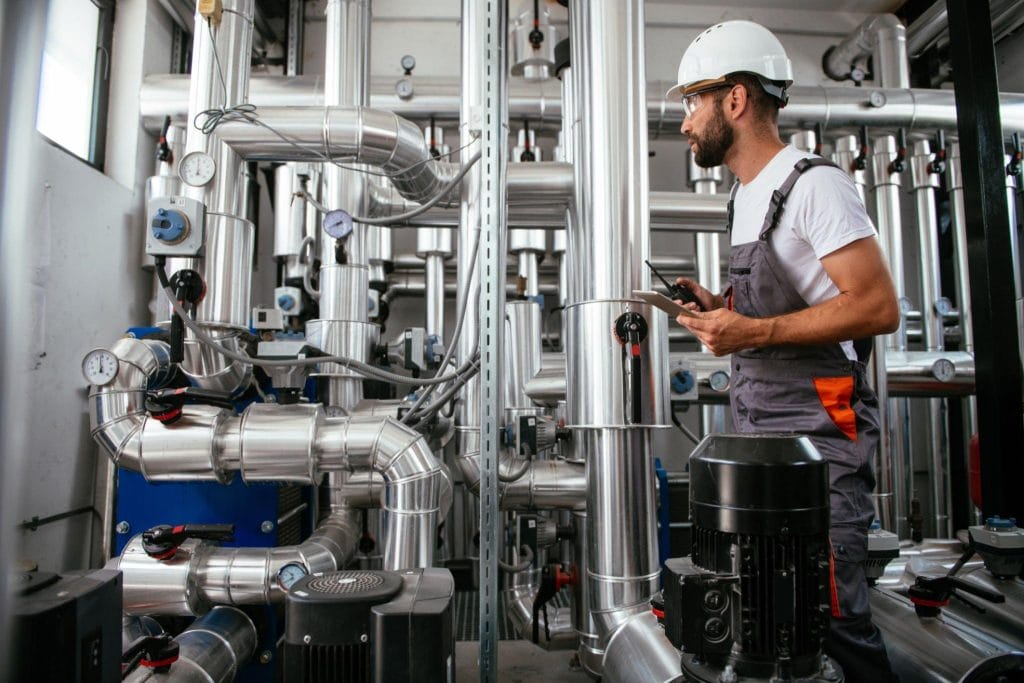
- Our experienced pump specialists meticulously assessed the entire power plant’s pumping systems, including:
- Condenser water pumps, boiler feedwater pumps, and cooling water pumps.
- Flow rates, pressures, and energy consumption of each pump system.
- Pump efficiency curves and operating points.
- System design, piping configurations, and control systems.
- We utilized advanced flow meters and data loggers to capture real-time performance data of each pump system.
- We analyzed the data to identify inefficiencies, such as off-peak operation, oversized pumps, and improper controls.
- We performed hydraulic modeling and pump system simulations to evaluate various optimization scenarios.
Unveiling Inefficiencies and Saving Opportunities:
The pump energy audit revealed several crucial findings:
- Oversized pumps: Certain pumps were significantly larger than required for their designated tasks, leading to excessive energy consumption even during partial load conditions.
- Inefficient operating points: Improper control settings and throttling valves resulted in pumps operating away from their peak efficiency point, wasting energy.
- System friction losses: Old piping configurations and poorly maintained valves contributed to increased friction losses and reduced pump performance.
- Lack of automation: Manual control of pumps led to inconsistencies and opportunities for optimizing operational schedules.
Tailored Solutions for a Streamlined Pumping System:
Based on these findings, we provided a detailed report with prioritized recommendations, including:
- Downsizing or replacing oversized pumps with right-sized options.
- Implementing variable speed drives (VSDs) to adjust pump speed based on real-time demand.
- Optimizing control settings and eliminating throttling losses.
- Upgrading piping configurations and replacing worn-out valves.
- Automating pump operations through intelligent control systems.
Results:
By diligently implementing our recommendations, the Bawana thermal power plant achieved remarkable results:
- Significant energy savings: Reduced pump energy consumption by up to 20%, translating to substantial cost savings and minimized environmental impact.
- Improved operational efficiency: Optimized pumping system performance minimized downtime and enhanced overall plant reliability.
- Enhanced environmental footprint: Lower energy consumption contributed to a reduced carbon footprint, aligning with the power plant’s sustainability goals.
- Demonstrable leadership in efficiency: Implementing comprehensive pump optimization measures positioned the power plant as a leader in industrial efficiency, garnering industry recognition and trust.
Conclusion
This case study exemplifies the power of Elion Technologies’ pump energy audits in unlocking hidden savings and driving efficiency within industrial facilities. By providing data-driven insights and customized solutions, we helped this Bawana thermal power plant not only reduce their energy costs and environmental impact but also create a more efficient and sustainable pumping system for their power generation operations.
Elion Technologies & Consulting Pvt Ltd is your trusted partner for optimizing pump systems and unlocking energy savings across diverse industries. We offer a wide range of services, from pump energy audits and system design to VFD implementation and pump maintenance programs.
Contact us today to pump up your efficiency and savings.
Frequently Asked Questions (FAQs)
1. What is the BEE benchmark for pump efficiency in Indian thermal power plants?
According to Bureau of Energy Efficiency benchmarks for centrifugal pumps:
Boiler Feed Pumps: 78–85% hydraulic efficiency
Cooling Water Pumps: 75–82%
Condensate Extraction Pumps: 72–80%
Plants operating more than 10% below these benchmarks are considered energy inefficient under the Perform Achieve Trade Scheme and may need to purchase Energy Saving Certificates (ESCerts).
2. How much does a pump efficiency audit cost for a thermal power plant in India?
Typical audit costs:
₹1.5 lakh → Small audit (≈10 pumps)
₹8 lakh → Comprehensive audit (50+ pumps with advanced diagnostics)
Audit includes:
Flow measurement
Vibration analysis
Thermographic inspection
For PAT-designated plants, audits must be conducted by BEE-empanelled energy auditors.
Typical savings identified: ₹15–50 lakh annually, giving 5–20x ROI within the first year.
3. What energy savings measures are typically recommended after a pump audit?
Common recommendations include:
Variable Frequency Drives (VFDs): 20–40% energy savings
Impeller trimming: 10–25% savings
Pump sequencing optimization: 8–15% savings
Mechanical seal replacement: 3–8% savings
Pipeline cleaning: 5–10% savings
Combined impact: 25–40% total energy reduction across pump systems.
4. Is pump audit mandatory for PAT scheme plants in India?
Yes. Under the Energy Conservation Act 2001 and PAT scheme:
Thermal power plants consuming above 30,000 MTOE annually are classified as Designated Consumers
Mandatory energy audits (including pump systems) must be conducted by BEE-accredited auditors
Failure to meet targets results in:
Purchase of ESCerts
Possible penalties under the Act
5. What are the common problems found in cooling water pump systems at Indian power plants?
Typical audit findings include:
Pumps operating far from Best Efficiency Point (BEP) due to oversizing (≈68%)
Cavitation damage due to insufficient NPSH (≈42%)
Worn wear rings causing internal recirculation losses (≈55%)
Throttle valve control instead of speed control (≈71% in older plants)
Fouled heat exchangers increasing system head by 20–35%
Each issue results in measurable energy losses and reduced system efficiency.