
Introduction
Elion Technologies & Consulting Pvt. Ltd is proud to showcase its commitment to comprehensive fire safety solutions through a recent project at a leading hydropower plant in Manipur. This case study highlights the effectiveness of External Fire Audits in identifying potential fire hazards, optimizing fire protection systems, and ultimately ensuring the safety of critical infrastructure and personnel.
Project Overview:
Our client, a leading hydropower operator, recognized the critical importance of maintaining robust fire protection measures within their Manipur plant. Recognizing the unique challenges posed by mountainous terrain and water-based operations, they engaged Elion Technologies to conduct a comprehensive external fire audit.
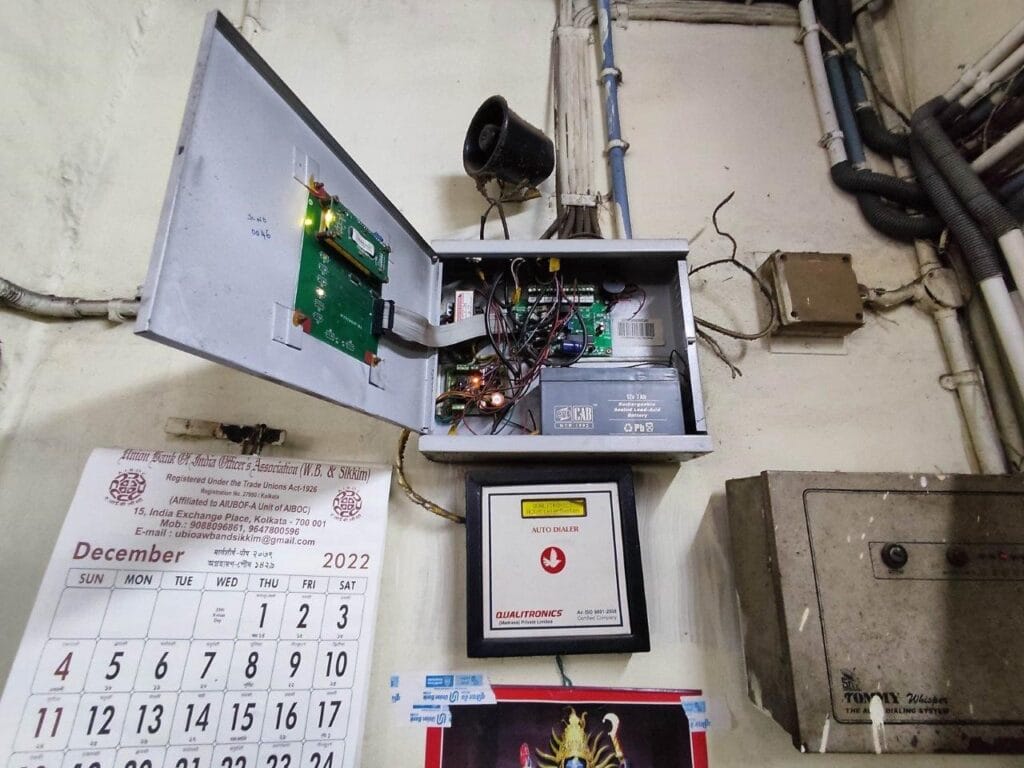
Methodology
- Our experienced fire safety experts meticulously assessed the entire hydropower plant complex, including:
- Turbines and hydroelectric equipment.
- Control rooms and electrical infrastructure.
- Storage facilities for flammable materials (oils, lubricants).
- Fuel handling and transportation systems.
- Emergency exits and evacuation routes.
- We reviewed existing fire protection systems, including sprinklers, fire alarms, and firefighting equipment.
- We evaluated local firefighting capacity and access routes for emergency services in the remote mountainous location.
- We considered fire risks specific to hydropower plants, such as electrical faults, flammable oils, and potential dam breaks.
Unveiling Potential Threats:
The external fire audit revealed several areas for improvement:
- Inadequate fire protection coverage: Certain critical areas lacked sprinkler systems or had outdated detection technology.
- Poor housekeeping practices: Accumulation of oil and lubricant residues around equipment increased fire risk.
- Insufficient fire exit signage and emergency lighting: Evacuation routes in case of power outages were inadequately marked.
- Limited local firefighting capacity: The remote location made relying solely on local fire fighting services potentially risky.
Tailored Recommendations and Implementation:
Based on these findings, we provided a detailed report with prioritized recommendations, including:
- Installing additional sprinkler systems and upgrading fire detection technology in vulnerable areas.
- Implementing stricter housekeeping protocols and designated collection points for flammable materials.
- Improving fire exit signage and installing emergency lighting systems for safe evacuation during power outages.
- Collaborating with local authorities to improve firefighting capacity and emergency response procedures for the remote location.
- Conducting regular fire drills and training programs for plant personnel on fire safety protocols and emergency response.
We worked closely with the client to implement these recommendations, providing technical guidance and support for system upgrades, training programs, and emergency response planning.
Results:
By implementing our recommendations, the Manipur hydropower plant achieved significant improvements in fire safety:
- Enhanced protection of critical infrastructure: Upgraded fire protection systems and improved housekeeping practices minimized the risk of fire damage to vital equipment.
- Improved worker safety: Clear evacuation routes, emergency lighting, and comprehensive fire safety training ensured the safety of personnel in case of an incident.
- Enhanced compliance with regulations: Addressing vulnerabilities identified through the audit ensured compliance with relevant fire safety codes and regulations.
- Peace of mind for management: Knowing their plant was equipped with robust fire protection measures and well-prepared for emergencies provided invaluable peace of mind for management.
Conclusion
This case study exemplifies the power of Elion Technologies’ external fire audits in safeguarding critical infrastructure like hydropower plants. By meticulously analyzing potential risks and providing tailored recommendations, we helped this Manipur plant not only improve fire safety but also enhance operational continuity and protect the well-being of personnel.
Elion Technologies & Consulting Pvt Ltd is your trusted partner for ensuring the comprehensive fire safety of your facilities. We offer a wide range of services, from external fire audits and risk assessments to fire protection system design, installation, and training programs.
Contact us today to create a safer and more resilient future for your critical infrastructure.
Frequently Asked Questions (FAQs)
1. What fire protection is mandatory for transformer bays at Indian hydropower plants?
Fire protection for transformer bays in hydropower plants must comply with multiple standards, including NFPA 850 and CEA Regulations 2010.
Key requirements include:
Fire walls between adjacent transformer bays (minimum 3-hour rating as per National Building Code of India 2016 Part 4)
Oil collection pits with proper drainage systems
Automatic fire detection (heat detectors or infrared line detectors)
Fixed water spray or foam-based fire suppression systems (for transformers above 10 MVA)
Emergency oil dump systems for rapid oil removal
2. How does remote location affect fire safety requirements for Manipur hydropower plants?
As per NFPA 850, hydropower plants in remote locations with fire brigade response times exceeding 20 minutes require enhanced fire protection systems.
This includes:
Higher fire compartmentation ratings (3-hour instead of standard 1-hour)
Larger on-site firefighting water storage
Automatic suppression systems for all Class B fire hazards (oil systems, cable tunnels)
Fully trained on-site fire response teams equipped for independent emergency handling
3. What are the most critical fire hazards in a hydropower powerhouse?
Major fire risks in hydropower plants include:
Power transformers – Oil-filled units (10,000–50,000 litres) with high fire load and potential losses of ₹3–15 crore per incident
Cable tunnels – High fire load from insulation, with risk of total plant shutdown
Generator stator windings – Insulation-related fire hazards
Hydraulic turbine oil systems – Includes governor and hydraulic oils
Control rooms – Fire risks from SCADA and electrical equipment
Each of these areas requires specific protection measures aligned with NFPA 850.
4. What does a hydropower fire safety audit cost in India?
A comprehensive fire safety audit for a 50–200 MW hydropower plant typically costs:
₹80,000 to ₹2,50,000, depending on scope and site conditions
Scope includes:
Inspection of transformer bays, cable tunnels, control rooms, and generator halls
Fire suppression system testing
Fire barrier integrity assessment
Emergency response plan review
Compliance gap analysis as per CEA and NFPA
Note: Remote site mobilisation can increase costs by 20–40%.
5. How often must a hydropower plant conduct a fire safety audit in India?
As per regulatory and industry standards:
CEA Regulations 2010 → Annual fire safety review mandatory
National Building Code of India 2016 Part 4 → Annual audit for high-risk industrial facilities
NFPA 850 → Comprehensive fire protection surveys every 3 years with annual system testing
Additionally, financial institutions like Power Finance Corporation and Rural Electrification Corporation often require third-party fire audit reports annually for compliance and funding approvals.