
Introduction
Elion Technologies & Consulting Pvt. Ltd is proud to showcase its commitment to comprehensive safety solutions through a recent project at a leading logistics warehouse in Palwal, Haryana. This case study highlights the effectiveness of Safety Audits in identifying potential hazards, optimizing operational procedures, and ultimately creating a safer and more efficient working environment for warehouse personnel.
A logistics warehouse safety and efficiency audit in Palwal identifies the combination of fire risk, electrical hazards, and energy waste that characterise modern distribution centres — where high-density racking, EV charging stations, and 24/7 operations create compounding compliance obligations.
The National Safety Council (NSC) India reports that warehousing and logistics is among India’s fastest-growing employment sectors and its most rapidly rising high-incident category, with 8.3 recordable incidents per 1,000 workers annually. Fire risk is acutely elevated: NCRB data shows logistics warehouses experienced over 4,000 fire incidents nationally in 2022, with high-value stock concentration making average losses ₹85 lakhs per incident. Palwal, as a major logistics hub in the Delhi-NCR-Haryana corridor, is subject to Haryana Fire and Emergency Services Act 2009 and Haryana Building Code compliance.
For a 20,000–50,000 sq.ft logistics warehouse in Palwal with 50–150 workers, automated racking systems, and EV/forklift charging infrastructure, an audit addresses three simultaneous needs: safety compliance (fire NOC, Factories Act for 10+ workers, IS 732 electrical compliance), energy efficiency (lighting and HVAC optimisation worth ₹2–6 lakhs annually), and client-facing due diligence (SMETA/BSCI safety compliance for international brand clients). Addressing all three in a single audit provides the most efficient path to compliance.
Palwal’s positioning as an NH-19 corridor logistics hub, with proximity to Delhi NCR and access to Rajasthan, UP, and Haryana markets, means warehouses here increasingly serve international retail, FMCG, and automotive clients with strict supplier safety audit requirements. A documented third-party safety and efficiency audit is a commercial prerequisite for retaining these contracts.
“NSC data shows logistics warehouses in India’s NCR corridor experienced a 34% increase in recordable incidents in 2021–22, driven by rapid scale-up of operations without proportionate safety infrastructure investment — making Palwal’s growing 3PL sector a high-priority NSC concern.“
Known more about – Safety Audit for logistic exporter in Mumbai
Logistics Warehouse Safety and Efficiency Audit
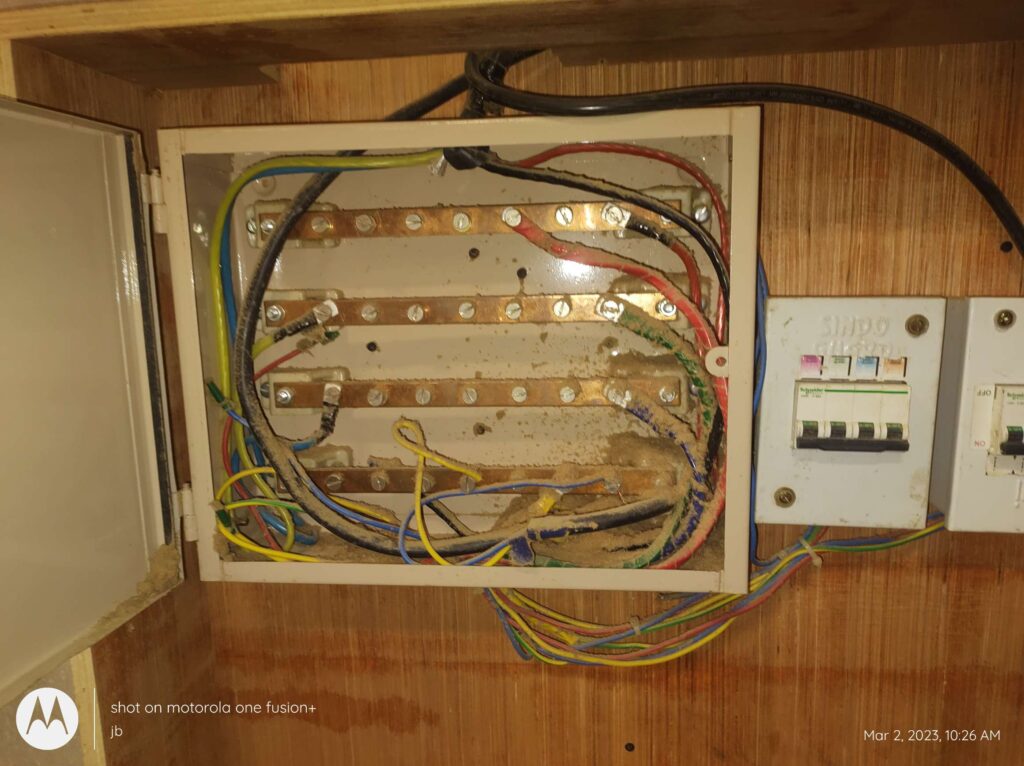
Logistics warehouse safety and efficiency audits cover fire protection (detection, suppression, NBC Part 4), electrical safety (racking zone circuits, charging stations), racking structural integrity (IS 801), HVAC and lighting efficiency, and emergency response. Palwal's NCR-adjacent location makes compliance with Haryana Fire NOC and IS 732 especially important for clients requiring international buyer audits.
Methodology
Our experienced safety specialists meticulously assessed the entire warehouse, including:
- Physical layout and infrastructure: Examining building structure, material storage practices, traffic flow, and emergency exits.
- Material handling equipment: Inspecting forklifts, cranes, conveyor belts, and other equipment for functionality and safety compliance.
- Work procedures and protocols: Evaluating lifting techniques, load securing practices, personal protective equipment (PPE) usage, and training programs.
- Documentation and record-keeping: Reviewing safety manuals, incident reports, and emergency response procedures.
Unveiling Potential Risks:
The safety audit revealed several areas for improvement:
- Inadequate storage practices: Unstable stacking of heavy materials posed a risk of collapse.
- Improper forklift operation: Unsafe driving practices and lack of designated pedestrian walkways increased collision risks.
- Incomplete training: Insufficient training on material handling techniques and emergency procedures put workers at risk.
- Outdated equipment: Some equipment lacked proper safety features or required maintenance.
- Poor housekeeping: Cluttered aisles and spills created tripping hazards and obstructed emergency exits.
Tailored Recommendations and Implementation:
Based on these findings, we provided a detailed report with prioritized recommendations, including:
- Implementing designated storage zones and safe stacking protocols.
- Developing forklift operator training programs and enforcing safe driving practices.
- Providing comprehensive safety training for all personnel on material handling, PPE usage, and emergency procedures.
- Upgrading or replacing outdated equipment with improved safety features.
- Enhancing housekeeping practices and maintaining clear emergency exit access.
We worked closely with the client to implement these recommendations, providing guidance on training programs, equipment selection, and operational procedures.
Results:
By implementing our recommendations, the Palwal logistics warehouse achieved significant improvements:
- Reduced accident rates: Improved training, safe procedures, and equipment upgrades drastically reduced workplace accidents and injuries.
- Enhanced operational efficiency: Optimized storage practices, clear walkways, and improved equipment functionality maximized efficiency and reduced downtime.
- Improved employee satisfaction: A safer and more organized work environment boosted employee morale and created a positive work atmosphere.
- Reduced insurance costs: Demonstrated commitment to safety led to lower insurance premiums for the client.
Conclusion
This case study exemplifies the power of Elion Technologies’ comprehensive safety audits in optimizing logistics warehouse operations. By analyzing both physical and procedural aspects, we helped this Palwal warehouse not only improve safety but also enhance efficiency and create a positive work environment for their employees.
Elion Technologies & Consulting Pvt Ltd is your trusted partner for ensuring the safety and efficiency of your workplace. We offer a wide range of services, from safety audits and risk assessments to training programs, safety equipment recommendations, and implementation support.
Contact us today to create a safer and more productive work environment for your employees.
Frequently Asked Questions (FAQs)
1. What fire safety compliance is required for a logistics warehouse in Palwal?
Fire safety for logistics warehouses in Palwal must comply with:
Haryana Fire and Emergency Services Act 2009 → Fire NOC mandatory for warehouses above 500 sq. mt
National Building Code of India 2016 Part 4 requirements, including:
Automatic fire detection systems for warehouses above 500 sq. mt storing combustible goods
Sprinkler systems for warehouses above 2,000 sq. mt with high fire load
Fire hydrant systems with adequate pressure and flow
Fire extinguishers as per IS 15683
Annual fire safety audit for NOC renewal
2. What electrical safety requirements apply to EV/forklift charging areas in warehouses?
EV and electric forklift charging zones require specific electrical safety measures:
Dedicated charging circuits with proper overcurrent protection
Ventilation systems to disperse hydrogen gas (as per IS 5571)
RCCB/ELCB protection on all charging circuits
Anti-spark connectors and proper bonding of battery terminals
Annual thermographic inspection of charging panels to detect overheating
3. What racking safety standards apply to logistics warehouses in India?
Racking systems in Indian warehouses follow both Indian and international standards:
IS 801
EN 15512
Rack Manufacturers Institute guidelines
Key inspection areas include:
Load capacity vs. actual stored weight
Damage to uprights and beams from forklift impact
Anchor bolt integrity
Anti-collapse mesh installation
Clearance between top rack and sprinkler deflectors
4. How much energy can a Palwal logistics warehouse save from an efficiency audit?
A typical warehouse efficiency audit identifies savings across multiple systems:
LED retrofit of dock and storage lighting → 30–50% savings
Occupancy sensor-based aisle lighting → additional 20–30% savings
HVAC optimisation in dock areas → 15–25% savings
Variable speed drives (VFDs) on exhaust fans → 25–35% motor savings
Total impact:
₹1.5–6 lakhs annual savings for a 20,000–50,000 sq. ft warehouse
Payback period: 12–24 months
5. Do international retail and FMCG clients require safety audits for Palwal warehouses?
Yes, most global retail and FMCG companies mandate third-party safety audits for logistics warehouses.
SMETA 4-Pillar Audit includes:
Fire safety
Electrical safety
Emergency preparedness
Worker health & safety
Warehouses serving companies like Flipkart, Amazon, or Unilever must maintain valid third-party audit reports as part of contract compliance.