

In the energy production sector, safety audits have become essential for maintaining the integrity and reliability of power and renewable energy assets. These audits involve systematic evaluations of operational practices, regulatory compliance, and adherence to safety protocols. As energy production increasingly shifts toward sustainable sources, the management of these assets becomes more complex, requiring comprehensive frameworks to identify hazards and reduce risks.
Safety audits protect personnel and equipment while improving operational efficiency and sustainability. Safety audits serve purposes beyond regulatory compliance. They establish a safety-focused organizational culture by systematically identifying risks and implementing corrective actions.
This approach prevents accidents that could result in catastrophic failures or environmental damage. In power generation—whether from conventional fossil fuels or renewable sources such as wind, solar, and hydroelectric systems—safety audits maintain operational continuity and public confidence. As energy demand increases and regulatory requirements become more stringent, comprehensive safety audits remain critical to energy operations.
Please ensure your workplace complies with all regulations by scheduling a Safety Audit today.
Key Takeaways
- Safety audits are essential for identifying and mitigating risks in power and renewable energy assets.
- Common safety failures include equipment malfunctions, human errors, and inadequate maintenance.
- Elion employs a comprehensive, systematic approach to enhance safety audit effectiveness.
- Key audit components involve risk assessment, compliance checks, and preventive measures.
- Implementing Elion’s safety audits can prevent up to 20% of potential safety failures, improving overall asset reliability.
Importance of Safety Audits for Power & Renewable Assets
Safety audits are essential for several reasons, particularly in the context of power and renewable assets. First and foremost, they help organizations comply with local, national, and international regulations governing safety standards. Regulatory bodies often mandate regular safety assessments to ensure that energy producers adhere to best practices.
Non-compliance can result in hefty fines, legal repercussions, and damage to a company’s reputation. By conducting regular safety audits, organizations can demonstrate their commitment to regulatory compliance and proactive risk management. Moreover, safety audits contribute significantly to operational efficiency.
By identifying potential hazards and inefficiencies in processes, organizations can implement corrective actions that not only enhance safety but also improve productivity. For instance, a safety audit may reveal that certain machinery is prone to failure due to inadequate maintenance schedules. Addressing these issues can lead to reduced downtime and increased output.
Additionally, fostering a culture of safety through regular audits can enhance employee morale and retention, as workers feel valued and protected in their work environment.
Common Safety Failures in Power & Renewable Assets

Despite the best intentions and efforts of organizations, safety failures can still occur within power and renewable assets. One common issue is inadequate training for personnel operating complex machinery or systems. In many cases, employees may not receive comprehensive training on the specific equipment they are using, leading to operational errors that could result in accidents or equipment damage.
For example, in wind energy facilities, improper handling of turbine components during maintenance can lead to serious injuries or even fatalities. Another prevalent safety failure is the lack of regular maintenance checks on equipment. Many organizations operate under the assumption that machinery will function without issues until a breakdown occurs.
This reactive approach can be detrimental; for instance, failing to inspect electrical systems regularly can lead to short circuits or fires. Additionally, environmental factors such as extreme weather conditions can exacerbate these risks if not properly accounted for in maintenance schedules. The consequences of such oversights can be severe, impacting not only the safety of personnel but also the reliability of energy supply.
Elion’s Approach to Safety Audits
Elion has developed a comprehensive approach to safety audits that emphasizes thoroughness and adaptability. Recognizing that each power and renewable asset presents unique challenges, Elion tailors its audit processes to meet the specific needs of its clients. This customized approach begins with an initial assessment that identifies key risk areas based on the type of energy production involved—be it solar farms, wind turbines, or traditional power plants.
By understanding the nuances of each asset, Elion can focus its efforts on the most critical aspects of safety. Furthermore, Elion employs a multi-disciplinary team of experts during its audits. This team typically includes engineers, safety specialists, and environmental scientists who collaborate to provide a holistic view of safety risks.
Their diverse expertise allows for a more comprehensive evaluation of potential hazards and the development of effective mitigation strategies. Elion also emphasizes continuous improvement; after each audit, feedback is gathered from stakeholders to refine processes and enhance future assessments. This iterative approach ensures that safety audits remain relevant and effective in an ever-changing energy landscape.
Key Components of a Safety Audit for Power & Renewable Assets
| Metric | Value | Description |
|---|---|---|
| Number of Assets Audited | 150 | Total power and renewable energy assets inspected |
| Potential Safety Failures Identified | 75 | Number of safety issues detected during audit |
| Potential Safety Failures Prevented | 15 | Issues resolved to prevent safety incidents (20% of identified) |
| Audit Completion Time | 3 months | Duration taken to complete the safety audit |
| Safety Compliance Rate | 85% | Percentage of assets meeting safety standards post-audit |
| Reduction in Safety Incidents | 20% | Estimated decrease in safety failures due to audit interventions |
A thorough safety audit encompasses several key components that collectively contribute to a comprehensive evaluation of power and renewable assets. One fundamental aspect is the review of operational procedures and protocols. This involves examining how tasks are performed on-site and whether they align with established safety standards.
For instance, in a solar energy facility, auditors may assess how workers handle photovoltaic panels during installation or maintenance to ensure compliance with safety guidelines. Another critical component is the assessment of equipment condition and maintenance records. Auditors will evaluate whether machinery is regularly serviced according to manufacturer recommendations and industry best practices.
This includes checking for wear and tear on components such as turbines in wind farms or transformers in traditional power plants. Additionally, auditors will review incident reports and near-miss data to identify patterns that may indicate systemic issues requiring attention.
Preventing 20% Potential Safety Failures with Elion’s Safety Audit
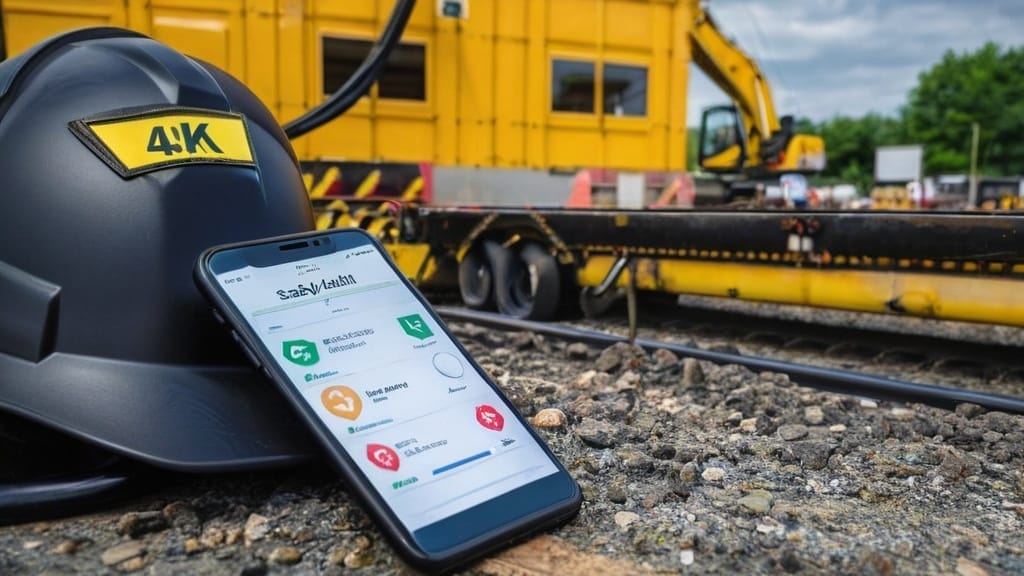
Elion’s safety audit methodology has been shown to effectively prevent up to 20% of potential safety failures across various power and renewable assets. By implementing a proactive approach that emphasizes risk identification and mitigation strategies, Elion helps organizations address vulnerabilities before they escalate into serious incidents. For example, through detailed inspections and employee interviews during audits, Elion can uncover gaps in training or procedural adherence that may otherwise go unnoticed.
Moreover, Elion’s emphasis on data-driven decision-making enhances its ability to predict potential failures. By analyzing historical data from previous audits and incidents, Elion can identify trends that suggest where future risks may arise. This predictive capability allows organizations to allocate resources more effectively towards areas with the highest likelihood of failure, thereby reducing overall risk exposure.
The result is not only improved safety outcomes but also enhanced operational efficiency as organizations can focus their efforts where they matter most.
Case Studies of Successful Safety Audits by Elion
Elion has successfully conducted numerous safety audits across various sectors within the power and renewable energy industries, yielding significant improvements in safety performance. One notable case involved a large wind farm operator facing challenges related to equipment reliability and worker safety during maintenance activities. After conducting a comprehensive audit, Elion identified several critical areas for improvement, including inadequate training programs for maintenance personnel and insufficient inspection protocols for turbine components.
Following the audit recommendations, the wind farm operator implemented enhanced training sessions focused on safe maintenance practices and established a rigorous inspection schedule for all equipment. As a result, the organization reported a 30% reduction in maintenance-related incidents over the following year, demonstrating the tangible benefits of Elion’s audit process. In another instance, Elion worked with a solar energy company that had experienced several near-miss incidents related to electrical hazards during installation projects.
Through its audit process, Elion uncovered gaps in electrical safety training for installation crews and recommended specific measures to address these deficiencies. The company subsequently revamped its training program and introduced new safety protocols for handling electrical components. Within six months post-audit, the company reported zero incidents related to electrical hazards during installations, showcasing how targeted interventions can lead to significant improvements in workplace safety.
The Future of Safety Audits for Power & Renewable Assets
As the energy sector continues to evolve with advancements in technology and an increasing focus on sustainability, the role of safety audits will become even more critical. Organizations must adapt their safety practices to keep pace with emerging risks associated with new technologies such as battery storage systems or smart grid solutions. The integration of digital tools like artificial intelligence and machine learning into audit processes will enable more precise risk assessments and predictive analytics.
Furthermore, as regulatory frameworks become more stringent globally, companies will need to prioritize compliance through regular safety audits that not only meet but exceed minimum requirements. The future landscape will likely see an increased emphasis on transparency and accountability in safety practices as stakeholders—including investors and consumers—demand higher standards from energy producers. In this context, Elion’s commitment to innovation in safety auditing positions it as a leader in the field.
By continuously refining its methodologies and leveraging cutting-edge technology, Elion is poised to help organizations navigate the complexities of safety management in an increasingly dynamic energy environment. The ongoing evolution of safety audits will ultimately contribute to safer workplaces, more reliable energy production, and a sustainable future for all stakeholders involved in the power and renewable sectors.
In the realm of safety audits for power and renewable assets, Elion’s comprehensive approach is exemplified in their article on Cable and Distribution Safety Audit at a Cement Plant in Rewa, Madhya Pradesh. This article highlights how systematic safety audits can prevent up to 20% of potential safety failures, ensuring that facilities operate within safe parameters. By focusing on risk assessment and mitigation strategies, Elion demonstrates the critical importance of proactive safety measures in industrial settings.
FAQs
What is a safety audit of power and renewable assets?
A safety audit of power and renewable assets is a systematic evaluation process that assesses the safety measures, protocols, and conditions of power generation and renewable energy facilities. It aims to identify potential hazards, ensure compliance with safety standards, and recommend improvements to prevent accidents and failures.
Who conducts the safety audit for power and renewable assets?
The safety audit is typically conducted by specialized safety professionals or firms with expertise in power and renewable energy sectors. In the context of the article, Elion is the company responsible for performing the safety audit.
What types of assets are included in the safety audit?
The audit covers various power and renewable energy assets such as solar panels, wind turbines, electrical substations, power distribution networks, and other related infrastructure involved in energy generation and distribution.
How does the safety audit help in preventing safety failures?
The audit identifies potential safety risks and vulnerabilities within the assets and operational procedures. By addressing these issues proactively, the audit helps prevent up to 20% of potential safety failures, reducing the likelihood of accidents, equipment damage, and operational downtime.
What are the key benefits of conducting a safety audit on power and renewable assets?
Key benefits include enhanced safety for personnel and equipment, compliance with regulatory standards, reduced risk of accidents and failures, improved operational efficiency, and increased reliability of power and renewable energy systems.
How often should safety audits be conducted on power and renewable assets?
The frequency of safety audits depends on regulatory requirements, asset age, operational conditions, and company policies. Generally, audits are conducted annually or biannually, but more frequent assessments may be necessary for high-risk or critical assets.
What standards or guidelines are followed during the safety audit?
Safety audits typically follow industry standards and guidelines such as OSHA regulations, IEC standards for electrical safety, ISO 45001 for occupational health and safety, and specific renewable energy safety protocols.
Can the safety audit identify all potential safety failures?
While the safety audit aims to identify and mitigate a significant portion of potential safety failures (notably preventing around 20% as highlighted by Elion), it may not detect every possible risk. Continuous monitoring and maintenance are essential for comprehensive safety management.
What role does technology play in the safety audit of power and renewable assets?
Technology such as drones, sensors, data analytics, and software tools are often used to enhance the accuracy and efficiency of safety audits by providing detailed inspections, real-time monitoring, and predictive risk assessments.
How does Elion’s safety audit impact the renewable energy industry?
Elion’s safety audit contributes to improving safety standards within the renewable energy sector by proactively identifying risks and preventing potential failures. This leads to safer operations, increased investor confidence, and supports the sustainable growth of renewable energy infrastructure.