

Elion’s Green Audit represents a pivotal initiative aimed at enhancing sustainability and energy efficiency within the institution’s campus. As environmental concerns escalate globally, educational institutions are increasingly recognizing their role in fostering sustainable practices. The Green Audit at Elion serves as a comprehensive assessment of the campus’s energy consumption, resource utilization, and overall environmental impact.
This initiative not only aligns with global sustainability goals but also positions Elion as a leader in promoting eco-friendly practices within the academic community. The impetus for conducting a Green Audit stems from a growing awareness of the urgent need to address climate change and reduce carbon footprints. By systematically evaluating energy use and resource management, Elion aims to identify areas where improvements can be made, ultimately leading to a more sustainable campus environment.
This initiative is not merely a compliance exercise; it embodies a commitment to fostering a culture of sustainability among students, faculty, and staff. Through the Green Audit, Elion seeks to inspire a collective effort towards environmental stewardship, ensuring that future generations inherit a healthier planet. For organizations aiming to improve sustainability, conducting a Green Audit is an essential step.
Key Takeaways
- Elion’s Green Audit systematically assesses campus energy use to identify inefficiencies.
- The audit process involves detailed data collection and analysis for targeted improvements.
- Implementing energy-efficient solutions leads to measurable reductions in energy consumption.
- Continuous monitoring ensures sustained impact and informs ongoing sustainability efforts.
- The initiative fosters a sustainable campus culture with lessons guiding future energy strategies.
The Process of Conducting the Green Audit
The process of conducting Elion’s Green Audit is methodical and thorough, involving multiple stages that ensure a comprehensive evaluation of the campus’s environmental performance. Initially, a dedicated team comprising sustainability experts, facility managers, and student volunteers is assembled to oversee the audit. This multidisciplinary approach ensures that various perspectives are considered, leading to a more holistic understanding of the campus’s energy dynamics.
The first step involves gathering baseline data on energy consumption across different facilities, including classrooms, laboratories, dormitories, and administrative buildings. Once the baseline data is collected, the team employs various tools and methodologies to analyze energy usage patterns. This includes utilizing energy management software that tracks real-time consumption and identifies peak usage times.
Additionally, on-site inspections are conducted to assess the condition of existing infrastructure, such as HVAC systems, lighting fixtures, and insulation. By combining quantitative data with qualitative observations, the audit team can pinpoint inefficiencies and areas for potential improvement. This rigorous process not only highlights current energy practices but also sets the stage for developing targeted strategies to enhance sustainability on campus.
Identifying Energy Inefficiencies and Opportunities for Improvement
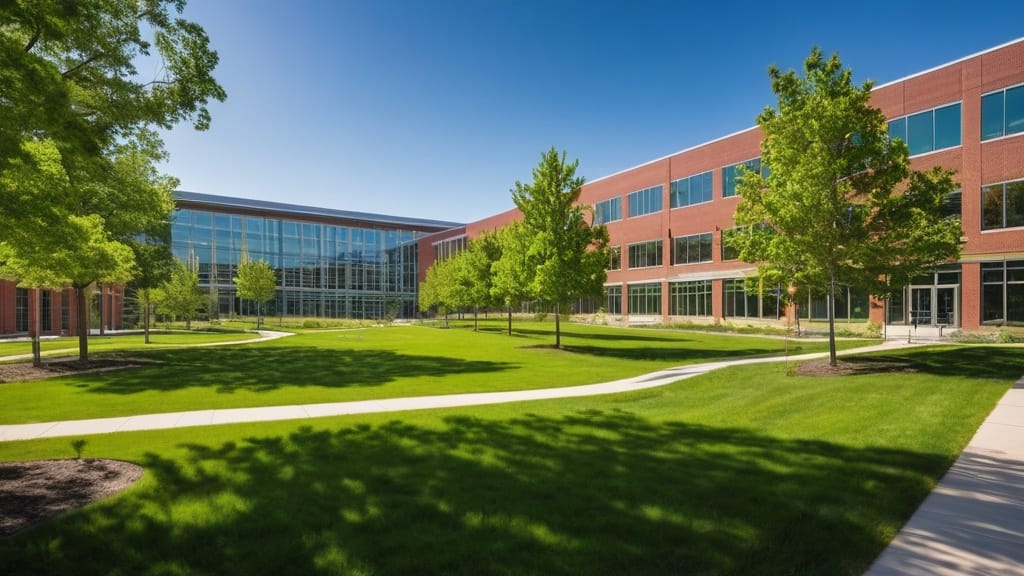
A critical component of Elion’s Green Audit is the identification of energy inefficiencies that may be contributing to excessive resource consumption. Through detailed analysis, the audit team uncovers specific areas where energy is being wasted or used inefficiently. For instance, outdated lighting systems may be consuming more electricity than necessary due to their age or lack of proper maintenance.
Similarly, HVAC systems that are not regularly serviced can lead to increased energy costs while failing to provide adequate climate control in buildings. In addition to identifying inefficiencies, the audit process also reveals opportunities for improvement that can significantly enhance energy performance. For example, the team may discover that certain buildings are equipped with single-pane windows that allow heat loss during winter months.
By recommending the installation of double-glazed windows or window films, Elion can improve insulation and reduce heating costs. Furthermore, opportunities for integrating renewable energy sources, such as solar panels or wind turbines, may also be identified during this phase. These findings not only contribute to immediate cost savings but also align with broader sustainability goals by reducing reliance on fossil fuels.
Implementing Energy-Efficient Solutions
Once inefficiencies and opportunities for improvement have been identified, the next step in Elion’s Green Audit process is the implementation of energy-efficient solutions. This phase involves prioritizing recommendations based on factors such as cost-effectiveness, feasibility, and potential impact on energy consumption. For instance, replacing incandescent bulbs with LED lighting is often one of the first steps taken due to its relatively low cost and significant energy savings.
LED lights consume up to 75% less energy than traditional bulbs and have a longer lifespan, making them an attractive option for campus-wide implementation. In addition to lighting upgrades, Elion may also explore more extensive renovations aimed at improving overall building efficiency. This could include retrofitting existing HVAC systems with smart thermostats that optimize temperature settings based on occupancy patterns or investing in high-efficiency boilers that reduce energy consumption for heating purposes.
Furthermore, engaging students in sustainability initiatives—such as organizing workshops on energy conservation practices—can foster a sense of ownership and responsibility towards maintaining these improvements. By actively involving the campus community in the implementation process, Elion not only enhances its energy efficiency but also cultivates a culture of sustainability.
Monitoring and Measuring the Impact of Changes
| Metric | Before Green Audit | After Green Audit | Improvement | Notes |
|---|---|---|---|---|
| Energy Consumption (kWh/month) | 15,000 | 10,500 | 30% Reduction | Optimized lighting and HVAC systems |
| Carbon Emissions (tons CO2/year) | 120 | 84 | 30% Reduction | Shift to renewable energy sources |
| Water Usage (liters/day) | 5,000 | 3,750 | 25% Reduction | Installation of water-efficient fixtures |
| Waste Generated (kg/month) | 800 | 560 | 30% Reduction | Enhanced recycling and composting programs |
| Energy Cost Savings (per month) | — | — | 25% Savings | Reduced energy bills due to efficiency measures |
| Number of Energy-Efficient Appliances Installed | 50 | 120 | 140% Increase | Upgraded to LED lighting and energy star rated devices |
Monitoring and measuring the impact of implemented changes is essential for assessing the effectiveness of Elion’s Green Audit initiatives. After solutions are put into place, ongoing evaluation allows the institution to track progress towards its sustainability goals and make necessary adjustments as needed. This phase typically involves setting up key performance indicators (KPIs) that provide quantifiable metrics for evaluating energy consumption reductions and cost savings.
For example, Elion may establish KPIs related to overall energy usage per square foot of building space or reductions in greenhouse gas emissions resulting from implemented changes. By utilizing advanced energy management systems that provide real-time data analytics, the audit team can continuously monitor performance and identify any deviations from expected outcomes. This proactive approach enables Elion to respond swiftly to any emerging issues while reinforcing its commitment to transparency and accountability in sustainability efforts.
Creating a Sustainable Campus Ecosystem

Creating a sustainable campus ecosystem extends beyond mere energy efficiency; it encompasses a holistic approach to environmental stewardship that integrates various aspects of campus life. At Elion, this vision involves fostering collaboration among different departments and stakeholders to promote sustainable practices across all facets of campus operations. For instance, integrating sustainability into the curriculum can empower students with knowledge about environmental issues while encouraging them to engage in practical solutions.
Moreover, establishing green spaces on campus—such as community gardens or native plant landscaping—can enhance biodiversity while providing educational opportunities for students interested in ecology and conservation. These initiatives not only contribute to a healthier environment but also create spaces for community engagement and social interaction among students and faculty alike. By cultivating a sense of community around sustainability efforts, Elion can inspire collective action towards creating a more resilient campus ecosystem.
Lessons Learned and Best Practices
Throughout the Green Audit process at Elion, several lessons have emerged that can serve as best practices for other institutions seeking to enhance their sustainability efforts. One key takeaway is the importance of stakeholder engagement; involving students, faculty, and staff from the outset fosters a sense of ownership and commitment to sustainability initiatives. Regular communication about progress and challenges faced during the audit process can also help maintain momentum and enthusiasm among participants.
Another valuable lesson is the need for flexibility in implementing solutions. While certain strategies may yield immediate results, others may require longer-term investments or behavioral changes within the campus community. Therefore, adopting an adaptive management approach allows Elion to refine its strategies based on ongoing feedback and evolving circumstances.
Additionally, documenting successes and challenges throughout the audit process provides valuable insights that can inform future sustainability initiatives.
The Future of Energy Efficiency at Elion’s Campus
Looking ahead, the future of energy efficiency at Elion’s campus appears promising as the institution continues to build upon its Green Audit initiatives. With advancements in technology and an increasing emphasis on renewable energy sources, there are numerous opportunities for further enhancing sustainability efforts. For instance, exploring partnerships with local utility companies could facilitate access to incentives for implementing energy-efficient upgrades or participating in demand response programs.
Furthermore, as awareness of climate change grows among students and faculty alike, there is potential for increased advocacy for sustainable policies at both institutional and governmental levels. By positioning itself as a leader in sustainability within higher education, Elion can attract environmentally conscious students who prioritize institutions committed to addressing global challenges. Ultimately, by embracing innovation and fostering collaboration within its community, Elion can continue to pave the way towards a more sustainable future while inspiring others to follow suit in their own sustainability journeys.
In the pursuit of creating a more energy-efficient campus ecosystem, Elion’s green audit has proven to be a pivotal step forward. For those interested in understanding the broader implications of safety and efficiency in industrial settings, the article on arc flash hazard analysis provides valuable insights into the importance of safety audits and their role in enhancing operational efficiency. This connection underscores the significance of comprehensive audits in fostering sustainable practices across various sectors.
FAQs
What is Elion’s Green Audit?
Elion’s Green Audit is a comprehensive assessment conducted to evaluate the energy consumption, waste management, and environmental impact of a campus. It identifies areas where energy efficiency can be improved and sustainability practices can be implemented.
How does a Green Audit contribute to creating an energy-efficient campus?
A Green Audit helps identify inefficiencies in energy use, waste generation, and resource management. By analyzing these factors, it provides actionable recommendations to reduce energy consumption, lower carbon footprints, and promote sustainable practices, leading to an energy-efficient campus ecosystem.
What are the key components evaluated during Elion’s Green Audit?
The audit typically assesses energy usage patterns, lighting systems, HVAC efficiency, water consumption, waste management practices, and the overall environmental impact of campus operations.
What kind of results can a campus expect after implementing recommendations from Elion’s Green Audit?
Campuses can expect reduced energy costs, improved resource management, enhanced sustainability, lower greenhouse gas emissions, and a healthier environment for students and staff.
Is Elion’s Green Audit a one-time process or ongoing?
While the initial audit provides a baseline assessment, ongoing monitoring and periodic audits are recommended to ensure continuous improvement and sustained energy efficiency.
Who can benefit from Elion’s Green Audit?
Educational institutions, corporate campuses, and any large facilities aiming to improve their environmental footprint and energy efficiency can benefit from Elion’s Green Audit.
How does Elion’s Green Audit support sustainability goals?
By identifying energy-saving opportunities and promoting eco-friendly practices, the audit aligns campus operations with broader sustainability goals such as reducing carbon emissions and conserving natural resources.
What steps are involved in conducting Elion’s Green Audit?
The process includes data collection on energy and resource use, site inspections, analysis of current practices, identification of inefficiencies, and formulation of recommendations for improvement.
Can Elion’s Green Audit help in complying with environmental regulations?
Yes, the audit can help campuses identify areas where they may not meet regulatory standards and provide guidance on how to achieve compliance through improved practices.
How does Elion ensure the accuracy and reliability of its Green Audit findings?
Elion employs experienced environmental experts and uses standardized assessment tools and methodologies to ensure thorough and accurate evaluation of campus energy and sustainability metrics.