

Implementing water efficiency initiatives is crucial for both environmental sustainability and economic resilience. As water scarcity becomes a more pressing concern globally, organizations of all sizes are seeking effective strategies to reduce their water consumption. This article draws on expert recommendations to provide a comprehensive guide for successfully implementing these vital initiatives.
Before you can effectively manage your water use, you need to understand exactly where it’s going. Think of water as a precious resource flowing through your organization’s veins – you need to map out its entire circulatory system to identify areas of leakage or inefficiency. This involves a thorough audit of your water consumption, from the smallest drip to the largest process. For businesses looking to optimize their water usage, conducting a Water Audit is an essential first step.
Conducting a Comprehensive Water Audit
A water audit is more than just looking at your utility bills. It’s a detailed examination of every point of water use within your facility or operations. Experts recommend starting with a clear scope: what areas will you include? Residential buildings, industrial processes, landscaping, employee facilities? Be specific.
Identifying All Water Sources and Uses
It’s essential to catalog every place water enters your operation. This includes municipal water, well water, rainwater harvesting systems, and even recycled water. For each source, document precisely how and where the water is used. This might involve:
- Processes: Manufacturing, cooling, cleaning, sanitation.
- Facilities: Restrooms, kitchens, irrigation systems, fire suppression.
- Equipment: Boilers, chillers, washing machines, toilets, faucets.
Quantifying Consumption at Each Point
Once you’ve identified the uses, the next step is to measure the volume of water consumed. This can be achieved through various methods:
- Sub-metering: Installing individual meters on different sections of your plumbing system or specific pieces of equipment provides the most granular data. This is like having a personal fitness tracker for each part of your water usage.
- Direct Measurement: For processes where sub-metering isn’t feasible, manual measurements or flow rate calculations can be used.
- Estimation based on historical data: While less precise, understanding typical consumption patterns can provide a baseline.
Analyzing Consumption Patterns and Identifying Inefficiencies
With the data in hand, you can begin to analyze it. Look for:
- Peak usage times: When is water consumption highest? Are there opportunities to shift demand or reduce use during these periods?
- Unusual spikes: Sudden increases in water use can indicate leaks or malfunctioning equipment.
- Areas of high consumption: Which processes or facilities are the biggest water users? These are your prime targets for efficiency improvements.
- Potential leaks: Even small drips over time can amount to significant water loss. A single faucet dripping at a rate of one drop per second can waste over 3,000 gallons per year.
In addition to the expert recommendations for implementing water efficiency initiatives, a related article discusses the importance of fire risk assessment in industrial settings, highlighting how proactive measures can significantly reduce hazards. This article provides insights into the effective strategies employed at a textile dyeing unit in Amritsar, showcasing the intersection of safety and efficiency in water-intensive industries. For more details, you can read the full article here: Fire Risk Assessment Reduces Hazards at a Textile Dyeing Unit in Amritsar.
Setting Realistic Goals and Developing a Strategy
Armed with a clear understanding of your water consumption, you can set meaningful, achievable goals. These aren’t just arbitrary numbers; they serve as your roadmap to a more water-efficient future.
Defining SMART Water Efficiency Goals
Your goals should be SMART:
- Specific: Instead of “reduce water use,” aim for “reduce overall water consumption by 15%.”
- Measurable: Ensure you have the means to track progress towards your goals.
- Achievable: Set targets that are realistic given your resources and operational constraints.
- Relevant: Goals should align with your organization’s broader sustainability objectives.
- Time-bound: Establish a clear timeframe for achieving your goals, such as “within the next 18 months.”
Prioritizing Initiatives Based on Impact and Feasibility
Not all water-saving measures offer the same return. Experts advise a strategic approach to prioritization:
Low-Cost, High-Impact Solutions
These are often the first steps you should consider. They typically involve behavioral changes or simple retrofits:
- Staff Training and Awareness: Educating employees about the importance of water conservation and providing practical tips can be surprisingly effective. Think of it as instilling a culture of water mindfulness. Simple actions like reporting leaks promptly or being mindful of water use during breaks can collectively make a big difference.
- Leak Detection and Repair Programs: Regularly inspecting for and promptly fixing leaks from pipes, faucets, and toilets can prevent significant waste.
- Water-Efficient Fixtures: Replacing old, inefficient toilets, faucets, and showerheads with low-flow alternatives is a straightforward upgrade with a rapid return on investment.
Capital-Intensive Projects with Long-Term Benefits
These initiatives require more significant investment but can lead to substantial long-term savings and environmental benefits:
- Process Optimization: Re-engineering industrial processes to use less water or to recycle water internally. This might involve closed-loop cooling systems or more efficient cleaning methods.
- Water Recycling and Reuse Systems: Implementing systems to treat and reuse wastewater for non-potable purposes, such as irrigation, toilet flushing, or industrial cooling. This is akin to turning a “waste” stream into a valuable secondary resource.
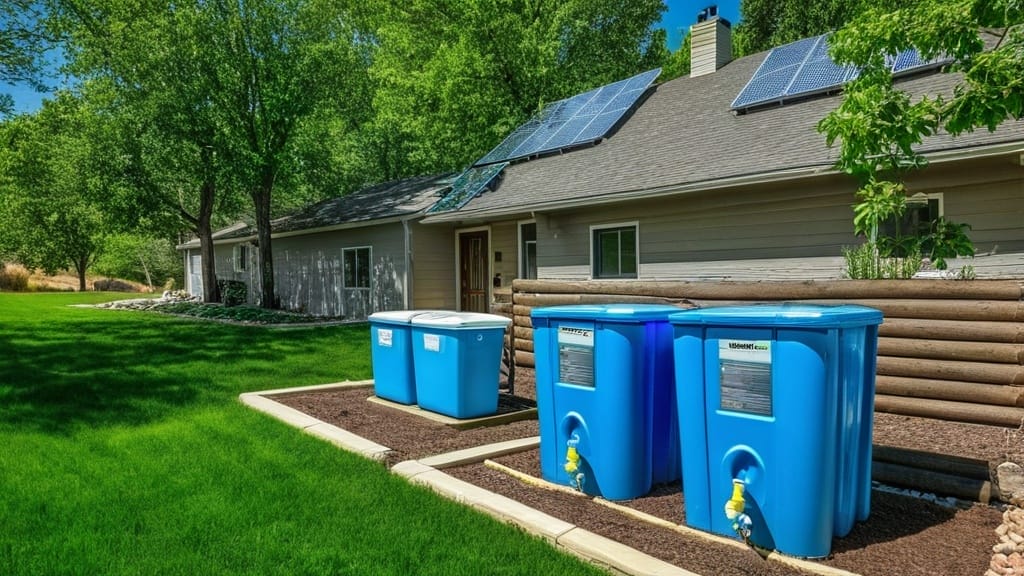
- Rainwater Harvesting: Collecting and storing rainwater for use in landscaping, irrigation, or other non-potable applications. This taps into a free, natural water source.
- Drought-Tolerant Landscaping (Xeriscaping): Replacing water-intensive lawns and ornamental plants with native, low-water-use species. This transforms your landscape from a thirsty consumer into a resilient, natural system.
Developing a Phased Implementation Plan
A phased approach ensures that your initiatives are implemented systematically and that resources are allocated effectively. Break down your strategy into manageable stages, each with its own set of objectives and timelines. This prevents overwhelming your team and allows for learning and adaptation as you progress.
Implementing Water-Saving Technologies and Practices

Once your strategy is in place, the real work of implementation begins. This involves selecting and adopting the right technologies and encouraging water-wise practices across your organization.
Smart Technologies for Water Management
Modern technology offers powerful tools for monitoring and controlling water use.
Advanced Metering Infrastructure (AMI) and Smart Sensors
AMI systems provide real-time data on water consumption, allowing for immediate detection of anomalies. Smart sensors can monitor soil moisture in landscaping or detect leaks in plumbing systems before they become major problems. These are your vigilant guardians, constantly watching over your water flow.
Automated Control Systems
Automated systems can optimize water use in processes like irrigation, ensuring watering only occurs when and where it’s needed. They can also shut off water to equipment when it’s not in use.
Optimizing Water Usage in Key Areas
Different areas within an organization have unique water use profiles and offer distinct opportunities for savings.
Water Efficiency in Restrooms and Facilities
Restrooms are often significant water consumers. Simple upgrades can yield substantial results:
- Low-Flow Toilets and Urinals: Modern low-flow models use significantly less water per flush than older, standard models.
- Aerators for Faucets: Aerators mix air into the water stream, reducing flow while maintaining effective pressure for washing.
- Waterless Urinals: Where appropriate, waterless urinals eliminate water consumption entirely.
- Smart Faucets: Motion-sensor faucets can reduce water use by automatically shutting off when hands are removed.
Water Conservation in Landscaping and Irrigation
Outdoor water use, especially in arid or semi-arid regions, can be a major expense.
- Choosing Drought-Tolerant Plants: As mentioned, selecting native or adapted species that require minimal supplemental watering is a fundamental step.
- Efficient Irrigation Systems: Drip irrigation and low-volume sprinkler systems deliver water directly to plant roots, minimizing evaporation and runoff.
- Smart Irrigation Controllers: These systems adjust watering schedules based on weather data and soil moisture levels, preventing overwatering.
- Mulching: Applying mulch around plants helps retain soil moisture and suppress weeds, reducing the need for irrigation.
Water Efficiency in Industrial and Commercial Processes
The specific opportunities in these sectors are vast and highly dependent on industry type.
- Cooling Towers: Optimizing cooling tower operation, implementing drift eliminators, and regularly checking for leaks can significantly reduce water blowdown.
- Washing and Cleaning: Employing high-pressure, low-volume cleaning equipment and optimizing wash cycles reduces water use.
- Process Water Recycling: Implementing closed-loop systems to cool, clean, or quench within a process, then treating and reusing the water, dramatically cuts intake. Think of it as giving your process water a second, third, or even fourth life.
- Steam Systems: Insulating steam lines and regularly maintaining boilers can prevent energy and water loss.
Engaging Stakeholders and Fostering a Culture of Conservation
Technical solutions are only part of the equation. Human behavior and engagement are equally critical for long-term success.
Communicating Effectively with Employees and Stakeholders
Clear and consistent communication is key to gaining buy-in and fostering a sense of shared responsibility.
Raising Awareness and Providing Education
Regularly communicate the importance of water conservation, the organization’s goals, and the progress being made. Educational workshops, informational posters, and internal newsletters can help keep water efficiency top-of-mind.
Implementing Incentive Programs
Consider rewarding departments or individuals who demonstrate exceptional water-saving efforts. This can create a friendly competition and encourage proactive engagement.
Involving Key Departments and Personnel
Water conservation is not solely the responsibility of a sustainability department or maintenance team.
Cross-Functional Collaboration
Engage facilities management, operations, engineering, procurement, and even marketing. Each department has a role to play in identifying opportunities and implementing solutions. Procurement, for instance, can prioritize purchasing water-efficient equipment.
Empowering Champions
Identify individuals within different departments who are passionate about water conservation and empower them to be champions for the initiative. These enthusiastic individuals can be powerful advocates.
Incorporating Water Efficiency into Procurement and Design Standards
Make water efficiency a standard consideration in all new projects and purchasing decisions.
- Procurement Policies: Require that new equipment and fixtures meet specific water efficiency standards.
- Design Guidelines: For new construction or renovations, integrate water efficiency requirements into the initial design phase. This is far more cost-effective than retrofitting later.
In the pursuit of enhancing water efficiency initiatives, it is beneficial to explore various case studies that illustrate practical applications of these strategies. One such example can be found in a recent article that discusses fire safety improvements in a beverage manufacturing unit located in Siliguri, West Bengal. This case study not only highlights the importance of safety measures but also emphasizes the significance of water management in industrial settings. For more insights, you can read the article here.
Monitoring, Evaluation, and Continuous Improvement
<?xml encoding=”UTF-8″>
| Recommendation | Key Metric | Target Value | Implementation Strategy | Expected Outcome |
|---|---|---|---|---|
| Conduct Water Audits | Percentage of facilities audited | 100% | Schedule regular audits to identify inefficiencies | Identify water loss and prioritize improvements |
| Install Low-Flow Fixtures | Water flow rate (liters per minute) | <6 L/min for faucets | Replace existing fixtures with certified low-flow models | Reduce water consumption by up to 30% |
| Implement Leak Detection Systems | Leak detection frequency | Monthly monitoring | Use sensors and smart meters to detect leaks early | Minimize water loss and repair costs |
| Promote Behavioral Change | Employee participation rate | Above 80% | Conduct training and awareness campaigns | Encourage water-saving habits |
| Recycle and Reuse Water | Percentage of water recycled | At least 20% | Install greywater systems and rainwater harvesting | Reduce freshwater demand |
| Optimize Irrigation Practices | Water use efficiency (WUE) | Increase by 25% | Use drip irrigation and schedule watering times | Lower water consumption in landscaping |
Water efficiency is not a one-time project; it’s an ongoing process of refinement and adaptation.
Establishing a Robust Monitoring System
Regularly track your water consumption against your established goals. This allows you to:
- Measure Progress: Quantify the impact of your implemented initiatives.
- Identify Deviations: Quickly spot if consumption is increasing or if certain initiatives are not performing as expected.
- Demonstrate Success: Provide concrete data for reporting and for motivating further action.
Utilizing Data Analytics for Insights
Advanced data analysis can reveal hidden patterns and opportunities for further optimization. Look beyond simple consumption figures to understand the drivers of water use.
Conducting Regular Reviews and Audits
Periodically review your water efficiency strategy and the effectiveness of your implemented measures.
Performance Benchmarking
Compare your water usage against industry benchmarks or similar organizations to identify areas where you can still improve.
Post-Implementation Audits
After implementing a new technology or practice, conduct a follow-up audit to ensure it’s delivering the expected results and to identify any operational challenges.
Adapting Strategies Based on Performance and New Technologies
The landscape of water efficiency is constantly evolving.
Staying Informed About New Technologies and Best Practices
Keep abreast of emerging technologies, innovative solutions, and evolving best practices in water management.
Iterative Improvement
Use the data and insights gained from monitoring and evaluation to refine your strategies, set new goals, and embark on the next phase of your water efficiency journey. This continuous feedback loop is the engine of lasting improvement.
By embracing these expert recommendations, you can embark on a journey of meaningful water efficiency, not only contributing to a more sustainable planet but also enhancing your organization’s operational resilience and long-term economic vitality.
About the Technical Review and Authorship
Elion Technologies & Consulting Pvt. Ltd. is a professional Water audit company in India providing NBC-compliant water audits and risk assessments across industrial, commercial, and institutional facilities, along with other established safety consultants in the country.
This blog is technically authored and peer-reviewed by certified Elion safety professionals, ensuring compliance with applicable codes, statutory requirements, and recognised industry best practices. The content is intended to support informed decision-making and responsible safety management.
FAQs
What are water efficiency initiatives?
Water efficiency initiatives are programs or strategies designed to reduce water consumption and waste. They aim to promote sustainable water use through conservation, improved technology, and behavioral changes.
Why is implementing water efficiency initiatives important?
Implementing water efficiency initiatives helps conserve water resources, reduce utility costs, protect the environment, and ensure long-term water availability, especially in areas facing water scarcity.
What are some common expert recommendations for implementing water efficiency initiatives?
Experts often recommend conducting water audits, upgrading to water-efficient fixtures and appliances, promoting public awareness and education, using smart irrigation systems, and setting measurable goals for water savings.
How can organizations measure the success of water efficiency initiatives?
Success can be measured by tracking water usage before and after implementation, monitoring cost savings, assessing reductions in water waste, and evaluating compliance with established water conservation goals.
Are there any challenges associated with implementing water efficiency initiatives?
Yes, challenges may include initial investment costs, lack of awareness or engagement, technical limitations, and the need for ongoing maintenance and monitoring to sustain water savings.