

Elion, a leader in advanced inspection technologies, has established itself as a pivotal player in the realm of thermography inspection. This non-invasive technique utilizes infrared cameras to detect thermal anomalies in various industrial settings, providing critical insights into equipment performance and safety. By identifying temperature variations that may indicate underlying issues, Elion’s thermography inspection services play a crucial role in predictive maintenance and operational efficiency.
The application of this technology is particularly significant in high-stakes industries such as petrochemicals, where even minor equipment failures can lead to catastrophic consequences. The process of thermography inspection involves scanning equipment and infrastructure with specialized infrared cameras that capture thermal images. These images reveal temperature differences that can signify problems such as overheating components, electrical faults, or insulation failures.
Elion’s commitment to leveraging cutting-edge technology ensures that their inspections are not only thorough but also tailored to meet the specific needs of each facility. This proactive approach to maintenance helps organizations mitigate risks, reduce downtime, and ultimately enhance productivity. For detailed information on thermal imaging technology, visit Thermography.
Key Takeaways
- Elion utilizes advanced thermography inspection techniques to enhance safety and efficiency in petrochemical plants.
- Gujarat’s petrochemical industry benefits significantly from early detection of equipment issues through thermography.
- Thermography inspections help identify potential failures, reducing downtime and preventing accidents.
- Elion’s detailed findings provide actionable recommendations to improve plant maintenance and operational reliability.
- Future plans include expanding thermography inspections across Gujarat to support sustainable growth in the petrochemical sector.
Overview of the Petrochemical Industry in Gujarat
Gujarat stands as a cornerstone of India’s petrochemical industry, contributing significantly to the nation’s economy. The state is home to a multitude of refineries and petrochemical plants, which produce a wide array of products including plastics, fertilizers, and synthetic fibers. The strategic location of Gujarat along the western coast of India provides easy access to international shipping routes, facilitating the import of raw materials and export of finished products.
This geographical advantage has attracted numerous domestic and international players to invest in the region, making it a hub for petrochemical manufacturing. The growth of the petrochemical sector in Gujarat has been bolstered by government initiatives aimed at promoting industrial development. Policies that encourage foreign direct investment (FDI) and provide incentives for infrastructure development have led to the establishment of several industrial parks dedicated to petrochemical production.
As a result, Gujarat has witnessed a surge in production capacity, with companies continuously expanding their operations to meet the growing demand for petrochemical products both domestically and globally. However, this rapid expansion also brings challenges related to safety, environmental compliance, and operational efficiency, underscoring the need for advanced inspection techniques like thermography.
Importance of Thermography Inspection in Petrochemical Plants
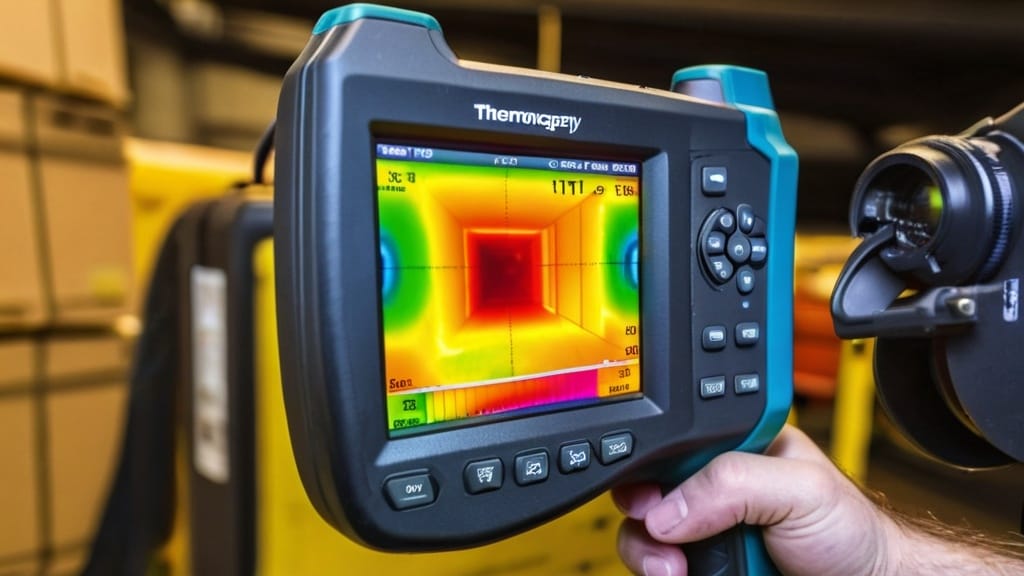
In the context of petrochemical plants, thermography inspection serves as an essential tool for maintaining operational integrity and safety. The nature of petrochemical processes often involves high temperatures and pressures, which can lead to equipment wear and tear over time. Regular thermographic inspections help identify potential issues before they escalate into serious problems, thereby preventing costly downtime and ensuring compliance with safety regulations.
For instance, detecting overheating in electrical components can avert electrical fires or equipment failures that could disrupt production. Moreover, thermography inspection contributes to energy efficiency within petrochemical facilities. By identifying areas where heat is being lost or where insulation is failing, companies can implement corrective measures that not only enhance safety but also reduce energy consumption.
This is particularly relevant in an era where sustainability is becoming increasingly important for industrial operations. By optimizing energy use through thermographic analysis, petrochemical plants can lower their carbon footprint while simultaneously improving their bottom line.
Elion’s Approach to Conducting Thermography Inspection
Elion employs a systematic approach to thermography inspection that emphasizes thoroughness and precision. The process begins with a comprehensive assessment of the facility’s layout and equipment. Trained technicians utilize state-of-the-art infrared cameras to capture thermal images across various components, including electrical panels, piping systems, and mechanical equipment.
This initial phase is crucial as it establishes a baseline for normal operating temperatures, allowing for more accurate identification of anomalies. Following the data collection phase, Elion’s team conducts a detailed analysis of the thermal images. This involves comparing the captured data against established benchmarks and industry standards to pinpoint areas of concern.
The findings are then compiled into a comprehensive report that outlines identified issues along with their potential implications for safety and operational efficiency. Elion places a strong emphasis on collaboration with plant management to ensure that recommendations are practical and aligned with the facility’s operational goals. This collaborative approach fosters a culture of continuous improvement within the organization.
Findings and Recommendations from the Inspection
| Parameter | Details |
|---|---|
| Inspection Type | Conducted Thermography Inspection |
| Industry | Petrochemical |
| Location | Gujarat, India |
| Date of Inspection | March 2024 |
| Equipment Inspected | Heat exchangers, pipelines, storage tanks, electrical panels |
| Number of Anomalies Detected | 12 |
| Temperature Range Recorded | 25°C to 180°C |
| Inspection Duration | 3 days |
| Benefits | Early fault detection, reduced downtime, improved safety |
| Follow-up Actions Recommended | Maintenance on 5 critical points, further detailed analysis on 3 areas |
The findings from Elion’s thermography inspections often reveal critical insights into the operational health of petrochemical plants. Common issues identified include hotspots in electrical systems, inadequate insulation on piping, and overheating motors or pumps. For example, during a recent inspection at a major refinery in Gujarat, Elion’s technicians discovered several electrical panels exhibiting elevated temperatures that indicated potential overloads.
Such findings prompted immediate corrective actions to prevent possible equipment failure or fire hazards. In addition to identifying existing problems, Elion’s inspections also provide valuable recommendations for preventive maintenance strategies. These may include routine thermal imaging as part of a broader predictive maintenance program, regular training for staff on recognizing thermal anomalies, and investment in upgraded insulation materials for piping systems.
By implementing these recommendations, petrochemical plants can enhance their operational reliability while minimizing risks associated with equipment failure.
Impact of Thermography Inspection on the Petrochemical Industry
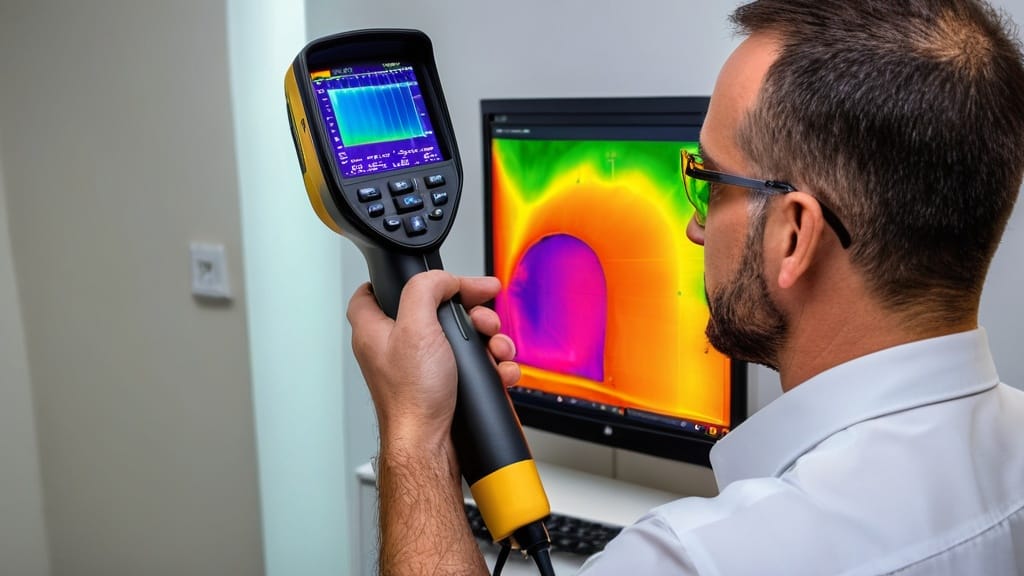
The impact of thermography inspection on the petrochemical industry is profound and multifaceted. By enabling early detection of potential issues, this technology significantly reduces the likelihood of unplanned downtime, which can be extremely costly in terms of lost production and repair expenses. For instance, a single day of halted operations at a large petrochemical facility can result in millions of dollars in lost revenue.
Therefore, regular thermographic inspections serve as a critical component of an effective maintenance strategy that safeguards against such financial losses. Furthermore, thermography inspection enhances safety protocols within petrochemical plants. By identifying overheating components or insulation failures before they lead to catastrophic incidents, companies can protect their workforce and minimize environmental risks associated with chemical spills or fires.
This proactive approach not only fosters a safer working environment but also helps organizations comply with stringent regulatory requirements governing industrial safety and environmental protection.
Future Plans for Thermography Inspections in Gujarat
Looking ahead, Elion is poised to expand its thermography inspection services across Gujarat’s burgeoning petrochemical sector. As more companies recognize the value of predictive maintenance strategies, the demand for advanced inspection technologies is expected to grow significantly. Elion plans to invest in further training for its technicians to ensure they remain at the forefront of technological advancements in thermography.
This commitment to continuous improvement will enable Elion to provide even more accurate and reliable inspections tailored to the unique needs of each facility. Additionally, Elion aims to integrate artificial intelligence (AI) and machine learning into its thermography analysis processes. By leveraging these technologies, Elion can enhance its ability to predict potential failures based on historical data trends and real-time thermal imaging results.
This innovative approach will not only improve the accuracy of inspections but also enable clients to make more informed decisions regarding maintenance schedules and resource allocation.
Conclusion and Key Takeaways from Elion’s Inspection
Elion’s thermography inspection services represent a vital resource for the petrochemical industry in Gujarat, offering significant benefits in terms of safety, efficiency, and cost savings. Through meticulous inspections and detailed analysis, Elion empowers companies to proactively address potential issues before they escalate into serious problems. The findings from these inspections not only highlight areas for immediate attention but also provide actionable recommendations that contribute to long-term operational excellence.
As the petrochemical sector continues to evolve in Gujarat, the importance of advanced inspection technologies like thermography will only increase. Elion’s commitment to innovation and excellence positions it as a key partner for companies seeking to enhance their maintenance strategies and ensure safe operations in this critical industry. The future of thermography inspections looks promising as more organizations recognize their value in safeguarding both personnel and assets while driving productivity forward.
Elion’s recent thermography inspection at a petrochemical industry in Gujarat highlights the importance of proactive maintenance in industrial settings. This approach not only enhances operational efficiency but also contributes to safety and environmental sustainability. For further insights into Elion’s commitment to improving industrial practices, you can read about their air audit conducted at a cold storage facility in Hisar, which emphasizes the significance of air quality management in various sectors. Check out the article here.
FAQs
What is thermography inspection?
Thermography inspection is a non-destructive testing technique that uses infrared cameras to detect heat patterns and temperature variations on equipment surfaces. It helps identify potential issues such as overheating, electrical faults, or insulation failures.
Why is thermography inspection important in the petrochemical industry?
Thermography inspection is crucial in the petrochemical industry because it helps detect equipment malfunctions early, preventing costly downtime, ensuring safety, and maintaining operational efficiency by identifying hotspots or abnormal temperature changes.
Who conducted the thermography inspection at the petrochemical industry in Gujarat?
Elion conducted the thermography inspection at the petrochemical industry located in Gujarat.
What types of equipment are typically inspected using thermography in petrochemical plants?
Common equipment inspected includes electrical panels, motors, pumps, valves, pipelines, and heat exchangers to detect overheating, leaks, or insulation issues.
How does thermography inspection benefit the petrochemical industry?
It helps in early fault detection, reduces maintenance costs, improves safety by preventing equipment failures, and enhances the reliability and lifespan of critical assets.
Is thermography inspection safe for use in petrochemical environments?
Yes, thermography is a safe, non-contact, and non-invasive method that can be performed without interrupting plant operations, making it suitable for hazardous environments like petrochemical plants.
How often should thermography inspections be conducted in petrochemical facilities?
The frequency depends on the facility’s maintenance schedule and risk assessment but is typically performed annually or semi-annually to ensure ongoing equipment health.
What qualifications do inspectors need to perform thermography inspections?
Inspectors should be trained and certified in infrared thermography, often holding certifications such as Level I, II, or III from recognized bodies like the Infrared Training Center (ITC).
Can thermography detect all types of equipment faults?
While thermography is effective for detecting thermal anomalies, it may not identify all faults. It is often used alongside other inspection methods for comprehensive equipment assessment.
What was the purpose of Elion’s thermography inspection at the Gujarat petrochemical industry?
The purpose was to assess the condition of critical equipment, identify potential thermal issues, and support preventive maintenance efforts to ensure safe and efficient plant operations.