

Elion’s Process Safety Audit is a systematic evaluation that assesses the safety protocols and operational integrity of facilities that handle hazardous materials. The audit examines existing safety measures, identifies potential risks, and determines areas requiring improvement. Its primary goal is to verify that facilities comply with industry standards and regulatory requirements while promoting a strong safety culture among staff.
Through detailed analysis of processes, equipment, and human factors, Elion works to reduce risks in chemical processing operations and strengthen overall safety performance. The audit methodology includes a comprehensive review of documentation, structured interviews with staff members, and direct observation of operational activities. This integrated approach enables auditors to understand the facility’s safety culture and operational practices in detail.
The audit results demonstrate regulatory compliance and establish priorities for ongoing safety enhancements. Given that safety failures in this industry can have severe consequences, Elion’s commitment to thorough process safety audits reflects its responsibility to protect employees and the environment.
Key Takeaways
- Elion conducted a comprehensive process safety audit at their solvent-based processing facility.
- The audit identified critical safety risks and operational vulnerabilities within the facility.
- Recommendations focused on enhancing safety protocols, equipment maintenance, and emergency preparedness.
- Implementation included updated safety measures and targeted training programs for all personnel.
- Ongoing monitoring and continuous improvement plans were established to sustain and advance safety performance.
Overview of the Solvent-Based Processing Facility
The solvent-based processing facility under review is a complex operation that utilizes various solvents in the production of chemical intermediates. This facility is characterized by its intricate network of processing units, storage tanks, and distribution systems, all of which require stringent safety measures due to the volatile nature of the materials involved. The facility operates under strict regulatory oversight, necessitating adherence to guidelines set forth by agencies such as the Occupational Safety and Health Administration (OSHA) and the Environmental Protection Agency (EPA).
Within this facility, several key processes are employed, including solvent extraction, distillation, and crystallization. Each of these processes presents unique hazards, such as flammability, toxicity, and reactivity. The facility is equipped with advanced technology designed to monitor and control these risks, including automated shut-off systems and real-time monitoring of environmental conditions.
However, despite these technological advancements, human factors remain a significant concern. The interaction between personnel and complex machinery can lead to errors that compromise safety, making it imperative for the facility to maintain a robust safety culture. Please ensure your workplace complies with all regulations by scheduling a Safety Audit today.
Key Findings from the Process Safety Audit
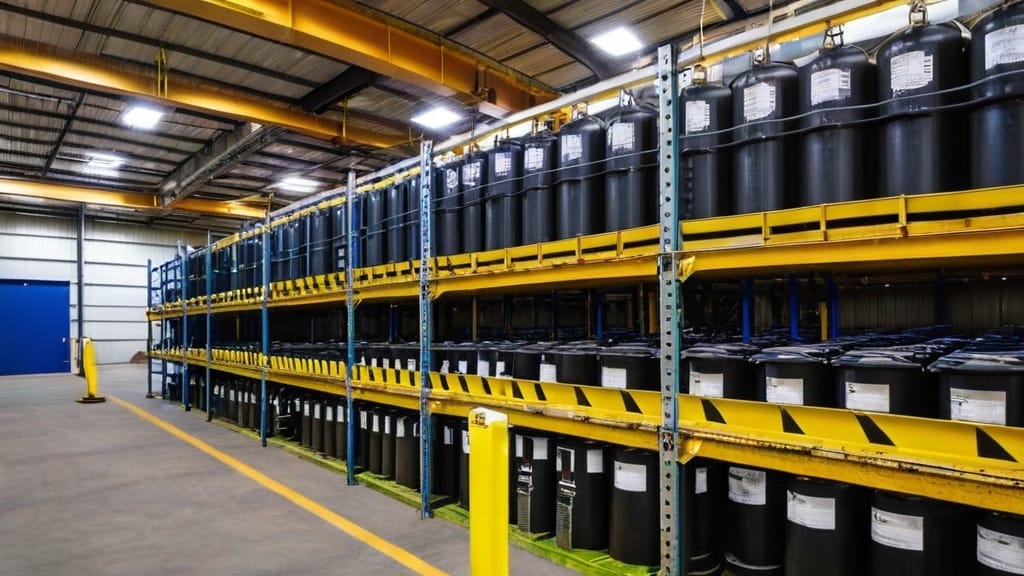
The process safety audit conducted at the solvent-based processing facility revealed several critical findings that warrant immediate attention. One of the most significant issues identified was the lack of comprehensive risk assessments for certain high-hazard processes. While some areas had undergone thorough evaluations, others were found to be inadequately assessed, leaving potential vulnerabilities unaddressed.
This inconsistency in risk assessment practices poses a serious threat to operational safety and could lead to catastrophic incidents if not rectified. Another key finding was related to the maintenance of safety equipment. The audit uncovered instances where safety devices, such as pressure relief valves and emergency shutdown systems, had not been regularly tested or maintained according to established schedules.
This neglect raises concerns about the reliability of these systems during emergency situations. Additionally, the audit highlighted gaps in documentation practices, with some critical safety procedures lacking proper records or being outdated. These findings underscore the need for a more systematic approach to both risk management and equipment maintenance within the facility.
Recommendations for Improving Process Safety
To address the findings from the process safety audit, several recommendations have been proposed aimed at enhancing overall safety within the solvent-based processing facility. First and foremost, it is essential to implement a comprehensive risk assessment program that encompasses all high-hazard processes. This program should involve regular reviews and updates to ensure that any changes in operations or new technologies are adequately evaluated for potential risks.
Engaging cross-functional teams in this process can provide diverse perspectives and foster a culture of shared responsibility for safety. In addition to improving risk assessments, it is crucial to establish a rigorous maintenance schedule for all safety equipment. This schedule should include regular inspections, testing, and documentation of maintenance activities to ensure compliance with industry standards.
Furthermore, investing in advanced monitoring technologies can enhance real-time oversight of critical systems, allowing for prompt identification of potential failures before they escalate into serious incidents. By prioritizing these recommendations, the facility can significantly reduce its risk profile and enhance its overall safety performance.
Implementation of Safety Measures
| Audit Parameter | Metric | Details |
|---|---|---|
| Facility Type | Solvent-Based Processing | Handling and processing of organic solvents |
| Audit Duration | 5 Days | Comprehensive on-site evaluation |
| Number of Safety Checks | 120 | Including equipment, procedures, and personnel |
| Non-Compliance Issues Found | 8 | Issues related to storage and ventilation |
| Recommendations Provided | 15 | Improvements in process controls and emergency response |
| Risk Level Before Audit | High | Due to solvent volatility and handling practices |
| Risk Level After Audit | Moderate | Post-implementation of corrective actions |
| Personnel Trained | 25 | On updated safety protocols and emergency procedures |
The successful implementation of recommended safety measures requires a structured approach that involves collaboration across various departments within the facility. A dedicated safety committee should be established to oversee the implementation process, ensuring that all stakeholders are engaged and informed throughout each phase. This committee would be responsible for developing an action plan that outlines specific tasks, timelines, and accountability measures for each recommendation.
Moreover, integrating technology into safety measures can streamline implementation efforts. For instance, utilizing software solutions for tracking maintenance schedules and risk assessments can enhance efficiency and accuracy in documentation practices. Additionally, incorporating automated monitoring systems can provide real-time data on equipment performance and environmental conditions, allowing for proactive responses to potential hazards.
By leveraging technology alongside human expertise, the facility can create a more resilient safety framework that adapts to evolving challenges.
Training and Education for Facility Personnel

A cornerstone of effective process safety management is ensuring that all personnel are adequately trained and educated about safety protocols and procedures. The audit revealed gaps in training programs, particularly concerning new employees and those transitioning into different roles within the facility. To address this issue, a comprehensive training curriculum should be developed that encompasses both initial onboarding and ongoing education for all staff members.
This training program should cover essential topics such as hazard recognition, emergency response procedures, and proper use of personal protective equipment (PPE). Additionally, incorporating hands-on training exercises can enhance retention and understanding of safety protocols among employees. Regular refresher courses should also be mandated to keep personnel updated on any changes in procedures or regulations.
By fostering a culture of continuous learning and improvement, the facility can empower its workforce to take an active role in maintaining a safe working environment.
Monitoring and Continuous Improvement
Monitoring the effectiveness of implemented safety measures is vital for ensuring long-term success in process safety management. Establishing key performance indicators (KPIs) related to safety metrics can provide valuable insights into the facility’s performance over time. These KPIs may include metrics such as incident rates, near-miss reports, and compliance with maintenance schedules.
Regularly reviewing these indicators allows management to identify trends and areas requiring further attention. In addition to quantitative metrics, qualitative feedback from employees should also be solicited through surveys or focus groups. This feedback can provide insights into the effectiveness of training programs and overall safety culture within the facility.
By fostering an environment where employees feel comfortable sharing their experiences and suggestions, management can gain a deeper understanding of potential challenges and opportunities for improvement. Continuous improvement should be viewed as an ongoing journey rather than a destination; thus, regular audits and assessments should be integrated into the facility’s operational framework.
Conclusion and Future Safety Initiatives
As Elion continues its commitment to enhancing process safety within its solvent-based processing facility, it is essential to recognize that safety is not merely a compliance obligation but a fundamental aspect of operational excellence. The findings from the recent process safety audit have provided valuable insights that will guide future initiatives aimed at mitigating risks and fostering a culture of safety among employees. Looking ahead, Elion plans to implement additional initiatives focused on enhancing communication around safety practices and encouraging employee engagement in safety programs.
This may include establishing safety champions within each department who can serve as liaisons between management and staff regarding safety concerns. Furthermore, exploring partnerships with external organizations specializing in process safety can provide access to best practices and innovative solutions that can further strengthen Elion’s safety framework. By prioritizing process safety through continuous improvement efforts, comprehensive training programs, and proactive monitoring strategies, Elion aims not only to comply with regulatory requirements but also to set industry standards for excellence in safety management.
The journey toward achieving an exemplary safety culture is ongoing; however, with steadfast commitment and collaboration across all levels of the organization, Elion is poised to lead by example in creating a safer working environment for all employees.
In addition to the recent Elion Conducted Process Safety Audit at a Solvent-Based Processing Facility, it’s essential to understand the broader implications of safety audits in various industries. For instance, the article on why your business needs a safety audit certificate: protecting your employees and your bottom line highlights the critical role that safety audits play in ensuring workplace safety and compliance, ultimately benefiting both employees and the organization’s financial health.
FAQs
What is a process safety audit?
A process safety audit is a systematic evaluation of a facility’s processes, equipment, and safety management systems to identify potential hazards and ensure compliance with safety standards.
Who conducted the process safety audit at the solvent-based processing facility?
Elion conducted the process safety audit at the solvent-based processing facility.
What is the purpose of conducting a process safety audit?
The purpose is to assess the effectiveness of safety controls, identify risks related to hazardous materials and processes, and recommend improvements to prevent accidents and ensure safe operations.
What type of facility was audited by Elion?
Elion audited a solvent-based processing facility, which involves the use of chemical solvents in manufacturing or processing operations.
What are the key areas typically reviewed during a process safety audit?
Key areas include hazard identification, risk management practices, equipment integrity, emergency response plans, employee training, and compliance with regulatory requirements.
Why is process safety important in solvent-based processing facilities?
Process safety is critical because solvent-based processes often involve flammable, toxic, or reactive chemicals that pose significant risks to personnel, the environment, and property if not properly managed.
What outcomes can be expected from a process safety audit?
Outcomes include a detailed report highlighting safety gaps, recommendations for corrective actions, enhanced safety procedures, and improved compliance with industry standards.
How often should process safety audits be conducted?
The frequency varies depending on regulatory requirements and facility risk levels, but audits are generally conducted periodically, such as annually or biennially, to maintain safety standards.
Who benefits from the findings of a process safety audit?
Facility management, employees, regulatory agencies, and the surrounding community benefit from improved safety practices and reduced risk of incidents.
Can process safety audits prevent accidents?
While audits cannot guarantee the prevention of all accidents, they significantly reduce risks by identifying hazards and ensuring that effective safety measures are in place.