

Elion, a prominent player in the industrial sector, has undertaken a comprehensive Hazard and Operability Study (HAZOP) to enhance safety and operational efficiency within its facilities. This systematic examination is crucial for identifying potential hazards that could compromise the integrity of operations and the safety of personnel. The HAZOP study is not merely a regulatory requirement; it is a proactive approach to risk management that seeks to foster a culture of safety and reliability in industrial processes.
By meticulously analyzing each component of their operations, Elion aims to preemptively address risks before they manifest into real-world incidents. The significance of conducting a HAZOP study cannot be overstated, especially in industries where the consequences of operational failures can be catastrophic. Elion’s commitment to safety is reflected in its rigorous approach to this study, which involves cross-disciplinary teams working collaboratively to dissect processes and identify vulnerabilities.
This initiative not only safeguards employees and the environment but also enhances the company’s reputation as a responsible and forward-thinking organization. The following sections will delve into the specifics of Elion’s industrial utility system, the methodology employed in the HAZOP study, and the subsequent findings and recommendations that emerged from this critical analysis.
Key Takeaways
- Elion’s HAZOP study systematically assesses risks within the industrial utility system.
- The methodology involves detailed hazard identification and analysis of potential deviations.
- Key hazards and their possible consequences are identified alongside existing safeguards.
- Recommendations focus on effective mitigation strategies to enhance system safety.
- Implementation of findings aims to improve operational safety and guide future risk management.
Overview of the Industrial Utility System
Elion’s industrial utility system is a complex network designed to support various manufacturing processes through the provision of essential services such as electricity, water, steam, and compressed air. Each component of this system plays a vital role in ensuring that production runs smoothly and efficiently. For instance, the electricity supply is critical for powering machinery, while steam is often used for heating processes or driving turbines.
Water quality and availability are equally important, as they directly impact both production efficiency and product quality. The interconnectivity of these utilities means that a failure in one area can have cascading effects throughout the entire system. For example, if the water supply is interrupted, it could halt production lines that rely on water for cooling or cleaning, leading to significant downtime and financial losses.
Understanding this intricate web of dependencies is essential for identifying potential hazards during the HAZOP study. Elion’s industrial utility system is not just a collection of isolated components; it is a dynamic ecosystem where each element must function optimally to ensure overall operational success. For comprehensive risk assessment and process safety, consider consulting experts in Hazop.
Methodology of the HAZOP Study

The methodology employed in Elion’s HAZOP study follows a structured approach that aligns with industry best practices. The process begins with assembling a multidisciplinary team comprising engineers, safety experts, operators, and management personnel. This diverse group brings together a wealth of knowledge and experience, enabling a comprehensive examination of each aspect of the industrial utility system.
The team conducts brainstorming sessions where they systematically review each process node, identifying deviations from normal operating conditions that could lead to hazardous situations. To facilitate this analysis, the team utilizes guide words such as “more,” “less,” “as well as,” and “none” to prompt discussions about potential deviations. For instance, when examining the steam generation process, the team might explore scenarios where there is “more” steam than expected, leading to overpressure situations.
Each identified deviation is then assessed for its potential causes and consequences, allowing the team to prioritize risks based on their severity and likelihood. This methodical approach ensures that no stone is left unturned in the quest for safety improvements.
Identification of Potential Hazards
The identification of potential hazards is a critical phase in Elion’s HAZOP study, as it lays the groundwork for subsequent analyses and recommendations. During this stage, the multidisciplinary team meticulously examines each component of the industrial utility system for possible failure points. For example, in the electrical supply system, potential hazards may include equipment malfunctions, power surges, or failures in backup systems.
Each of these scenarios could lead to significant operational disruptions or even catastrophic incidents if not addressed. In addition to equipment-related hazards, human factors are also considered during this phase. Operator errors, inadequate training, or lapses in communication can all contribute to unsafe conditions within the facility.
By taking a holistic view of potential hazards—encompassing both technical and human elements—Elion’s HAZOP study aims to create a robust safety framework that addresses all conceivable risks. This thorough identification process is essential for developing effective mitigation strategies that will be discussed in later sections.
Analysis of Consequences and Safeguards
| Parameter | Details |
|---|---|
| Project Name | Elion Conducted HAZOP Study at Industrial Utility System |
| Industry | Industrial Utility |
| Study Type | HAZOP (Hazard and Operability Study) |
| Number of Nodes Analyzed | 25 |
| Number of Deviations Identified | 40 |
| Number of Recommendations | 30 |
| Key Hazards Identified | Overpressure, Leakage, Equipment Failure |
| Duration of Study | 4 weeks |
| Team Size | 6 members |
| Outcome | Improved safety protocols and operational procedures |
Once potential hazards have been identified, the next step in Elion’s HAZOP study involves analyzing the consequences associated with each hazard and evaluating existing safeguards. This analysis is crucial for understanding the potential impact of identified risks on personnel, equipment, and the environment. For instance, if a failure in the water supply system were to occur, the consequences could range from minor production delays to severe operational shutdowns or even environmental contamination if hazardous materials are involved.
In parallel with consequence analysis, the team assesses existing safeguards designed to mitigate these risks. These safeguards may include engineering controls such as pressure relief valves or automated shutdown systems, as well as administrative controls like standard operating procedures (SOPs) and training programs for personnel. By evaluating both the effectiveness of these safeguards and any gaps that may exist, Elion can prioritize areas for improvement and develop targeted recommendations aimed at enhancing overall safety.
Recommendations and Mitigation Strategies
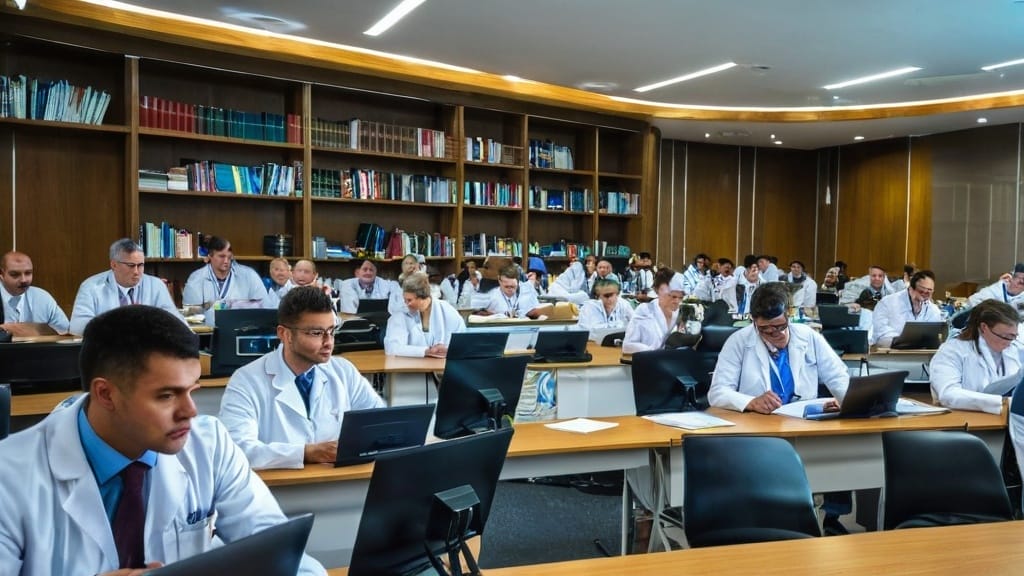
Based on the findings from the hazard identification and consequence analysis phases, Elion’s HAZOP study culminates in a series of recommendations and mitigation strategies tailored to address identified risks. These recommendations may encompass a wide range of actions, from engineering modifications to procedural changes aimed at bolstering safety protocols. For example, if an analysis reveals that certain equipment lacks adequate redundancy, the recommendation might involve installing backup systems or enhancing maintenance schedules to ensure reliability.
Training programs also play a pivotal role in mitigating risks associated with human factors. If operator errors are identified as a significant hazard during the study, Elion may implement enhanced training sessions focused on emergency response procedures or equipment operation best practices. Additionally, fostering a culture of safety within the organization is essential; encouraging open communication about safety concerns can empower employees to report issues before they escalate into serious incidents.
Implementation of HAZOP Study Findings
The successful implementation of findings from Elion’s HAZOP study requires a coordinated effort across various levels of the organization. Once recommendations have been developed, it is imperative that management allocates resources effectively to ensure that necessary changes are made promptly. This may involve investing in new technologies or equipment upgrades as well as dedicating time for employee training sessions.
Moreover, establishing clear timelines and accountability measures is crucial for tracking progress on implementation efforts. Regular follow-up meetings can help ensure that all stakeholders remain engaged in the process and that any challenges encountered during implementation are addressed swiftly. By fostering collaboration among departments—such as engineering, operations, and safety—Elion can create an environment where safety improvements are not only prioritized but also integrated into daily operations.
Conclusion and Future Considerations
As Elion moves forward with its commitment to safety through the insights gained from its HAZOP study, it is essential to recognize that risk management is an ongoing process rather than a one-time event. Continuous monitoring and reassessment of hazards will be necessary as operations evolve and new technologies are introduced into the industrial utility system. Regularly scheduled reviews of safety protocols will help ensure that Elion remains vigilant against emerging risks.
Furthermore, engaging with industry peers and participating in knowledge-sharing initiatives can provide valuable insights into best practices for hazard management. By staying informed about advancements in safety technologies and methodologies, Elion can further enhance its operational resilience and maintain its reputation as an industry leader committed to safety excellence. The journey toward an even safer workplace is ongoing; through diligence and proactive measures, Elion can continue to protect its employees and stakeholders while achieving operational success.
Elion recently conducted a HAZOP study at an industrial utility system, highlighting the critical importance of identifying and mitigating potential hazards in complex processes. For those interested in understanding more about the significance of HAZOP analysis, a related article titled “Uncover Hidden Risks: The Importance of Process HAZOP Analysis Services” provides valuable insights into how these studies can enhance safety and operational efficiency. You can read the article [here](https://elion.co.in/uncover-hidden-risks-the-importance-of-process-hazop-analysis-services/).
Need expert assistance with HAZOP? Contact Elion Technologies and Consulting Pvt. Ltd. now.
FAQs
What is a HAZOP study?
A HAZOP (Hazard and Operability) study is a structured and systematic examination of a complex planned or existing process or operation. Its purpose is to identify and evaluate potential hazards and operability problems to improve safety and efficiency.
Who conducted the HAZOP study at the industrial utility system?
The HAZOP study at the industrial utility system was conducted by Elion, a company specializing in engineering and safety assessments.
What is the purpose of conducting a HAZOP study in an industrial utility system?
The purpose is to identify potential hazards, operational issues, and deviations from design intent that could lead to safety risks or operational inefficiencies, thereby enabling corrective actions to be implemented.
Which industries typically use HAZOP studies?
HAZOP studies are commonly used in industries such as chemical processing, oil and gas, power generation, pharmaceuticals, and any other sectors involving complex industrial processes.
What are the main benefits of a HAZOP study?
The main benefits include improved safety by identifying hazards early, enhanced operational reliability, compliance with regulatory requirements, and prevention of costly accidents or downtime.
How is a HAZOP study typically conducted?
A multidisciplinary team systematically reviews the process design using guide words to identify deviations from normal operation, assesses the causes and consequences of these deviations, and recommends actions to mitigate risks.
What kind of systems are considered industrial utility systems?
Industrial utility systems include supporting infrastructure such as steam generation, compressed air, water treatment, cooling systems, and electrical distribution that provide essential services to industrial plants.
Is a HAZOP study a one-time activity?
No, HAZOP studies are often conducted during design phases, after modifications, or periodically to ensure ongoing safety and operability as systems evolve.
What qualifications do personnel conducting a HAZOP study need?
Personnel should have expertise in process engineering, safety management, and operational knowledge of the system under review, often including engineers, safety specialists, and operators.
Can the findings of a HAZOP study lead to design changes?
Yes, the study may identify necessary design modifications, procedural changes, or additional safety measures to mitigate identified risks.