

Elion, a leading consultancy firm specializing in safety and risk management, has established a reputation for conducting thorough fire safety audits across various industries. With an increasing number of incidents related to fire hazards, particularly in high-density environments like warehouse clusters, the need for comprehensive safety assessments has never been more critical. Elion’s fire safety audit is designed to identify potential risks, evaluate existing safety measures, and provide actionable recommendations to enhance fire safety protocols.
This systematic approach not only aims to protect human life but also seeks to safeguard property and ensure compliance with local regulations. The audit process involves a meticulous examination of the physical infrastructure, operational practices, and emergency preparedness of the facilities. By leveraging advanced technology and industry best practices, Elion’s team of experts conducts a detailed analysis that encompasses everything from fire detection systems to employee training programs.
The ultimate goal is to create a safer working environment that minimizes the risk of fire-related incidents while fostering a culture of safety awareness among all stakeholders involved.
Key Takeaways
- Elion conducted a comprehensive fire safety audit focusing on warehouse clusters, emphasizing the critical need for fire prevention.
- The Bhiwandi warehouse cluster was assessed to identify fire risks and safety gaps.
- Elion’s audit methodology included detailed inspections, risk analysis, and stakeholder consultations.
- Key recommendations involved upgrading fire safety infrastructure and enhancing emergency response protocols.
- Ongoing training and future improvement plans aim to sustain and elevate fire safety standards in the warehouse cluster.
Importance of Fire Safety in Warehouse Clusters
Fire safety in warehouse clusters is paramount due to the unique challenges posed by these environments. Warehouses often store large quantities of flammable materials, ranging from packaging supplies to chemicals, which can significantly increase the risk of fire outbreaks. The sheer scale of these facilities, combined with the complexity of their operations, necessitates stringent fire safety measures.
A single spark can lead to catastrophic consequences, not only endangering lives but also resulting in substantial financial losses and operational disruptions. Moreover, the interconnected nature of warehouse clusters means that a fire in one facility can quickly spread to adjacent buildings, exacerbating the situation. This potential for rapid escalation underscores the importance of having robust fire prevention strategies in place.
Regular audits and assessments are essential to ensure that all safety protocols are up-to-date and effective. By prioritizing fire safety, warehouse operators can mitigate risks, protect their assets, and maintain business continuity even in the face of emergencies. For comprehensive safety measures, consider scheduling a Fire Audit to ensure your premises meet all fire safety regulations.
Overview of the Warehouse Cluster in Bhiwandi

Bhiwandi, located in the Thane district of Maharashtra, India, is one of the largest logistics hubs in the country. The warehouse cluster in this region is characterized by its high density and diverse range of operations, including storage, distribution, and manufacturing. With numerous warehouses operating within close proximity to one another, Bhiwandi presents both opportunities and challenges for fire safety management.
The area’s rapid industrial growth has led to an influx of businesses seeking to capitalize on its strategic location, further intensifying the need for effective fire safety measures. The warehouses in Bhiwandi vary in size and function, housing everything from textiles to electronics. This diversity means that each facility may have different fire risks associated with its specific operations.
For instance, textile warehouses may face hazards related to flammable fabrics, while those storing chemicals must contend with the dangers posed by hazardous materials. Understanding these unique risks is crucial for developing tailored fire safety strategies that address the specific needs of each warehouse within the cluster.
Elion’s Methodology for Conducting Fire Safety Audit
Elion employs a comprehensive methodology for conducting fire safety audits that encompasses several key phases. The first step involves a preliminary assessment where auditors gather information about the facility’s layout, operations, and existing fire safety measures. This initial phase is critical for identifying potential vulnerabilities and understanding the context in which the audit will take place.
Auditors may review blueprints, conduct interviews with facility managers, and analyze historical data on fire incidents to gain insights into the specific risks faced by each warehouse. Following this assessment, Elion’s team conducts a detailed on-site inspection. This involves evaluating fire detection and suppression systems, emergency exits, signage, and overall compliance with local fire codes and regulations.
The auditors also observe operational practices, such as material handling procedures and employee training programs. By combining quantitative data with qualitative observations, Elion can develop a comprehensive picture of the facility’s fire safety posture. Once the audit is complete, Elion compiles its findings into a detailed report that outlines identified risks and provides actionable recommendations for improvement.
This report serves as a roadmap for warehouse operators looking to enhance their fire safety measures and ensure compliance with regulatory standards.
Key Findings and Recommendations from the Audit
| Metric | Details |
|---|---|
| Audit Location | Warehouse Cluster, Bhiwandi |
| Conducted By | Elion |
| Date of Audit | Not Specified |
| Number of Warehouses Audited | Not Specified |
| Key Focus Areas | Fire detection systems, Emergency exits, Fire extinguishers, Electrical safety |
| Compliance Level | Not Specified |
| Recommendations Provided | Yes (Details not specified) |
| Follow-up Actions | Scheduled (Details not specified) |
The findings from Elion’s fire safety audit at the Bhiwandi warehouse cluster revealed several critical areas for improvement. One significant concern was the inadequacy of fire detection systems in some facilities. Many warehouses relied on outdated smoke detectors that were not sensitive enough to detect early signs of a fire.
Additionally, some facilities lacked comprehensive sprinkler systems or had systems that were not properly maintained. These deficiencies highlighted the urgent need for upgrades to ensure timely detection and suppression of fires. Another key finding was related to employee training and awareness.
While many warehouse staff had received basic training on fire safety protocols, there was a noticeable gap in knowledge regarding emergency response procedures. Employees were often unsure about evacuation routes or how to operate fire extinguishers effectively. To address this issue, Elion recommended implementing regular training sessions that not only cover basic fire safety but also include practical drills to reinforce learning.
Furthermore, the audit identified issues related to storage practices within the warehouses. In some cases, flammable materials were stored too close to heat sources or were not properly labeled. Elion emphasized the importance of adhering to best practices for material storage to minimize fire risks.
Recommendations included establishing clear guidelines for safe storage practices and conducting regular inspections to ensure compliance.
Implementation of Fire Safety Measures at the Warehouse Cluster
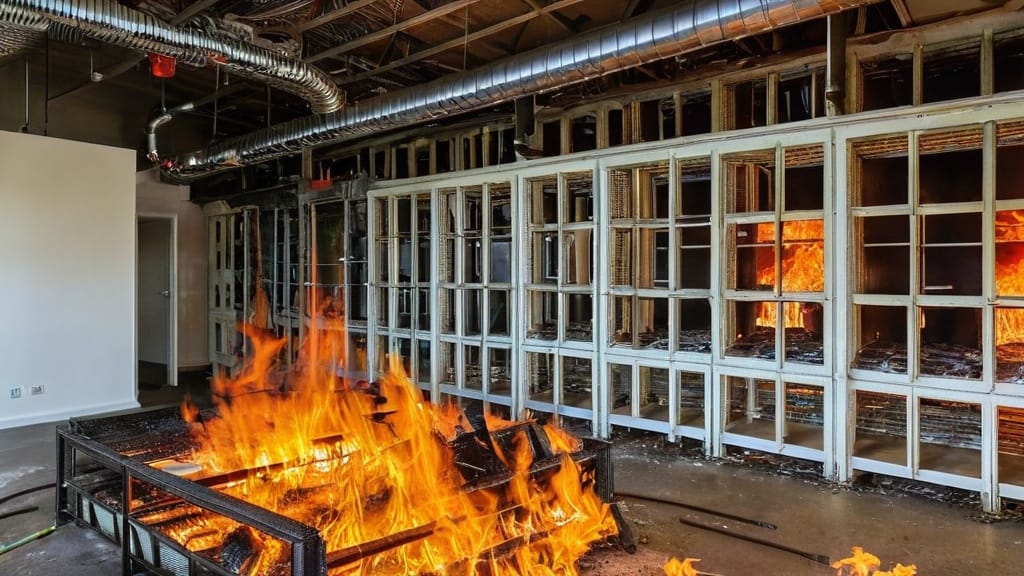
Following the audit’s findings, warehouse operators in Bhiwandi began implementing a series of fire safety measures aimed at addressing identified vulnerabilities. One of the first steps taken was upgrading fire detection systems across multiple facilities. New smoke detectors with advanced sensitivity features were installed, along with state-of-the-art sprinkler systems designed to activate automatically in case of a fire outbreak.
These upgrades significantly enhanced the ability to detect fires early and respond effectively. In addition to technological improvements, warehouse operators also focused on revising their emergency response plans. Clear evacuation routes were established throughout each facility, complete with illuminated exit signs and regular drills conducted to familiarize employees with these routes.
This proactive approach ensured that staff members were well-prepared in case of an emergency, reducing panic and confusion during actual incidents. Moreover, operators took steps to improve storage practices by implementing stricter guidelines for handling flammable materials. Designated storage areas were established for hazardous substances, complete with appropriate labeling and signage to alert employees to potential risks.
Regular audits were scheduled to monitor compliance with these new practices and ensure ongoing adherence to safety protocols.
Training and Awareness Programs for Warehouse Staff
Recognizing that technology alone cannot guarantee fire safety, Elion emphasized the importance of training and awareness programs for warehouse staff as part of their comprehensive approach to fire safety management. These programs were designed not only to educate employees about fire hazards but also to empower them with practical skills needed during emergencies. Training sessions were organized regularly, covering topics such as identifying potential fire hazards, understanding the operation of firefighting equipment, and practicing evacuation procedures.
Interactive workshops allowed employees to engage actively with the material being presented, fostering a deeper understanding of their roles in maintaining a safe working environment. Additionally, hands-on training sessions provided employees with opportunities to practice using fire extinguishers and participating in mock evacuation drills. To further enhance awareness, visual aids such as posters and infographics were strategically placed throughout the warehouses.
These materials served as constant reminders of best practices for fire safety and emergency procedures. By creating a culture of safety awareness among staff members, warehouse operators aimed to ensure that everyone understood their responsibilities in preventing fires and responding effectively when incidents occurred.
Future Plans for Fire Safety Improvement at the Warehouse Cluster
Looking ahead, warehouse operators in Bhiwandi are committed to continuous improvement in their fire safety measures. Building on the foundation established by Elion’s audit and subsequent recommendations, plans are underway to implement additional enhancements aimed at further reducing risks associated with fire hazards. One key initiative involves investing in advanced technology solutions such as integrated fire alarm systems that can provide real-time monitoring and alerts directly to emergency services in case of an incident.
This proactive approach aims to minimize response times and improve overall emergency management capabilities within the cluster. Furthermore, operators are exploring partnerships with local firefighting authorities to conduct joint training exercises that simulate real-life scenarios. These collaborative efforts will not only strengthen relationships between warehouse operators and emergency responders but also enhance preparedness across the entire cluster.
In addition to technological advancements and collaborative training initiatives, there is a growing emphasis on fostering a culture of continuous learning among staff members. Regular feedback sessions will be held post-drills to identify areas for improvement and share lessons learned from any incidents or near-misses that occur within the cluster. By prioritizing ongoing education and investment in cutting-edge technology solutions, warehouse operators in Bhiwandi aim to create an environment where fire safety is ingrained in every aspect of operations—ultimately leading to safer workplaces for all employees involved.
Elion recently conducted a fire safety audit at a warehouse cluster in Bhiwandi, highlighting the critical importance of maintaining safety standards in industrial settings. For those interested in understanding the broader implications of safety audits, a related article discusses the significance of regular safety audits on college campuses, which can provide valuable insights into best practices that can be applied across various environments. You can read more about it in this article: The Importance of Regular Safety Audits on College Campuses.
Need expert assistance with Fire safety? Contact Elion Technologies and Consulting Pvt. Ltd. now.
FAQs
What is the purpose of the fire safety audit conducted by Elion?
The purpose of the fire safety audit conducted by Elion is to assess the fire safety measures and protocols in place at the warehouse cluster in Bhiwandi, identify potential fire hazards, and recommend improvements to enhance overall safety.
Where was the fire safety audit conducted?
The fire safety audit was conducted at a warehouse cluster located in Bhiwandi, a prominent industrial and logistics hub.
Who conducted the fire safety audit?
The fire safety audit was conducted by Elion, a company specializing in fire safety services and audits.
What does a fire safety audit typically involve?
A fire safety audit typically involves inspecting fire detection and suppression systems, evaluating emergency exits and evacuation plans, checking compliance with fire safety regulations, and identifying any risks or deficiencies that could lead to fire hazards.
Why is fire safety important in warehouse clusters?
Fire safety is crucial in warehouse clusters because these facilities often store large quantities of goods and materials, which can be highly flammable. Effective fire safety measures help prevent fire outbreaks, protect lives, minimize property damage, and ensure business continuity.
What are the expected outcomes of the fire safety audit?
The expected outcomes include a detailed report highlighting current fire safety conditions, identification of risks, recommendations for corrective actions, and guidance on improving fire prevention and emergency response strategies.
How often should fire safety audits be conducted in warehouses?
Fire safety audits should be conducted regularly, typically annually or as required by local fire safety regulations, to ensure ongoing compliance and address any new risks or changes in warehouse operations.
Can the findings of the fire safety audit help in regulatory compliance?
Yes, the findings and recommendations from the fire safety audit can help warehouse operators comply with local fire safety laws and regulations, thereby avoiding penalties and enhancing safety standards.
What role do warehouse management teams play during a fire safety audit?
Warehouse management teams are responsible for facilitating the audit process by providing access to facilities, sharing relevant documentation, and implementing recommended safety improvements based on the audit findings.
Is the fire safety audit limited to physical inspections only?
No, the fire safety audit includes both physical inspections of the premises and systems, as well as reviews of fire safety policies, training records, emergency preparedness plans, and maintenance logs.