

Elion provides fire risk assessment services that address fire safety management requirements in residential townships. The company conducts systematic evaluations to identify potential fire hazards, assess current safety protocols, and develop specific recommendations based on each community’s infrastructure and layout. Their methodology incorporates technical analysis tools and professional expertise to deliver comprehensive assessments.
The company’s services emphasize prevention and preparedness rather than emergency response. Elion’s assessments focus on identifying vulnerabilities and implementing safety measures before incidents occur. Their evaluations examine factors such as building materials, electrical systems, escape routes, fire suppression equipment, and emergency procedures.
The resulting recommendations typically include upgrades to fire detection systems, improvements to evacuation plans, modifications to building layouts, and resident education programs. Elion’s fire risk assessments follow established safety standards and regulatory requirements. The process involves site inspections, documentation review, hazard mapping, and consultation with property managers and safety personnel.
Assessment reports include risk classifications, priority recommendations, implementation timelines, and compliance guidelines to help residential townships maintain appropriate fire safety standards.
Key Takeaways
- Elion provides specialized fire risk assessment services tailored for residential townships.
- Fire risk assessments are crucial for identifying potential hazards and enhancing safety in residential communities.
- Elion employs a systematic methodology to evaluate fire risks and develop actionable recommendations.
- Implementing Elion’s fire safety recommendations significantly improves fire prevention and emergency preparedness.
- Successful case studies demonstrate the tangible benefits of fire risk assessments in safeguarding residential townships.
Importance of Fire Risk Assessment for Residential Townships
Fire risk assessments are indispensable for residential townships, serving as the foundation for effective fire safety management. These assessments help identify vulnerabilities within a community, such as inadequate fire exits, outdated electrical systems, or insufficient fire-fighting equipment. By pinpointing these risks, townships can take informed steps to enhance their safety protocols, ultimately reducing the likelihood of devastating fire incidents.
The importance of such assessments cannot be overstated; they are essential for safeguarding lives and property. Moreover, fire risk assessments contribute to compliance with local regulations and insurance requirements. Many jurisdictions mandate regular fire safety evaluations, and failure to comply can result in legal repercussions or increased insurance premiums.
By engaging Elion’s services, residential townships not only fulfill their legal obligations but also demonstrate a commitment to the well-being of their residents. This proactive stance can enhance community trust and cohesion, as residents feel assured that their safety is a priority. For a comprehensive Fire Risk Assessment, visit Fire Risk Assessment.
Methodology Used by Elion for Conducting Fire Risk Assessment
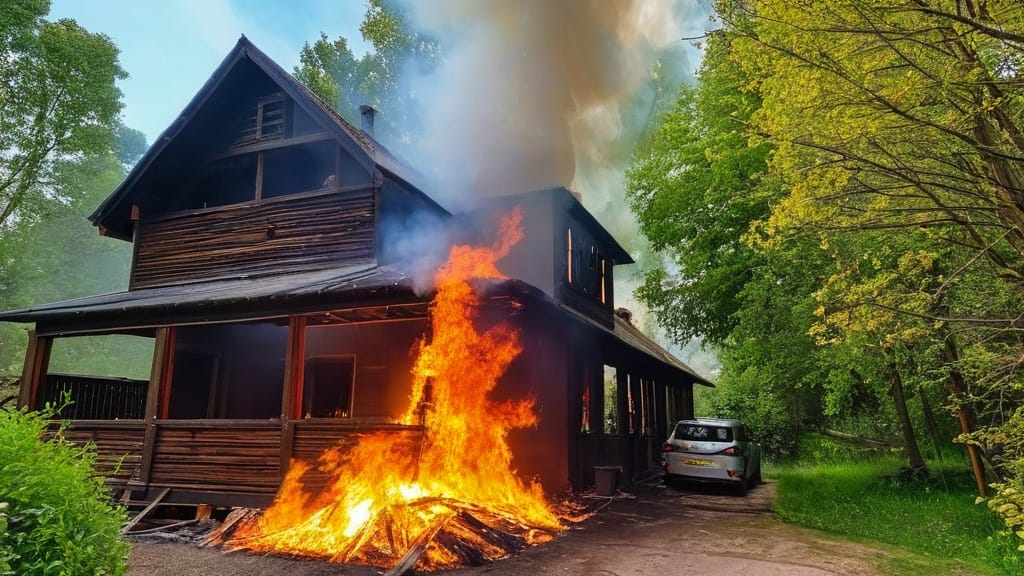
Elion employs a systematic methodology for conducting fire risk assessments that encompasses several key stages. Initially, the process begins with a comprehensive site inspection, where trained professionals evaluate the physical layout of the township, including building structures, access routes, and communal areas. This on-site evaluation is crucial for understanding the unique characteristics of each residential community and identifying specific fire hazards that may be present.
Following the site inspection, Elion utilizes advanced risk assessment tools and software to analyze the data collected. This analysis includes evaluating existing fire safety measures, such as alarm systems, sprinkler systems, and emergency exits. The team also considers factors such as occupancy levels and the types of materials used in construction, which can significantly influence fire behavior.
By integrating quantitative data with qualitative observations, Elion develops a comprehensive risk profile for the township that highlights both strengths and weaknesses in its fire safety strategy.
Findings and Recommendations from Elion’s Fire Risk Assessment
The findings from Elion’s fire risk assessments often reveal critical insights into the safety landscape of residential townships. Common issues identified may include inadequate signage for emergency exits, poorly maintained fire extinguishers, or a lack of regular fire drills among residents. These findings serve as a wake-up call for many communities that may have previously underestimated their vulnerability to fire hazards.
Elion’s detailed reports provide a clear picture of these risks, allowing township management to prioritize areas that require immediate attention. In addition to identifying risks, Elion offers tailored recommendations designed to address the specific needs of each township. These recommendations may range from simple measures, such as improving lighting around emergency exits, to more complex solutions like upgrading fire alarm systems or implementing community-wide fire safety training programs.
By providing actionable steps that are both practical and effective, Elion empowers residential townships to take charge of their fire safety initiatives and foster a safer living environment for all residents.
Implementation of Fire Safety Measures Based on Elion’s Recommendations
| Parameter | Details |
|---|---|
| Project Name | Elion Conducted Fire Risk Assessment for a Residential Township |
| Location | Residential Township (Specific location not provided) |
| Assessment Date | Not specified |
| Number of Buildings Assessed | Not specified |
| Fire Risk Level | Low / Medium / High (Not specified) |
| Key Fire Hazards Identified | Electrical faults, flammable materials storage, inadequate fire exits |
| Fire Safety Recommendations | Installation of smoke detectors, regular fire drills, clear signage, fire extinguisher placement |
| Compliance Status | Compliant / Non-compliant (Not specified) |
| Follow-up Actions | Periodic re-assessment, staff training, maintenance of fire safety equipment |
Once Elion’s recommendations have been delivered, the next crucial step is their implementation within the residential township. This phase often involves collaboration between township management, local authorities, and residents to ensure that all proposed measures are effectively integrated into daily operations. For instance, if Elion recommends conducting regular fire drills, township management may work with local fire departments to schedule these drills and educate residents on proper evacuation procedures.
Additionally, the implementation process may require financial investment in new equipment or infrastructure upgrades. Townships may need to allocate budgetary resources for purchasing modern fire extinguishers or installing advanced alarm systems. However, many communities find that the long-term benefits of these investments far outweigh the initial costs.
By prioritizing fire safety measures based on Elion’s recommendations, residential townships not only enhance their safety protocols but also increase property values and appeal to potential residents who prioritize safety.
Benefits of Conducting Fire Risk Assessment for Residential Townships

Conducting a fire risk assessment offers numerous benefits for residential townships beyond mere compliance with regulations. One significant advantage is the enhancement of community awareness regarding fire safety issues. When residents are informed about potential risks and educated on preventive measures, they become active participants in maintaining a safe environment.
This collective responsibility fosters a sense of community and encourages neighbors to look out for one another. Furthermore, regular fire risk assessments can lead to reduced insurance premiums for residential townships. Insurance companies often offer discounts to properties that demonstrate proactive risk management strategies.
By engaging Elion’s services and implementing recommended safety measures, townships can potentially lower their insurance costs while simultaneously improving their overall safety profile. This financial incentive serves as an additional motivator for communities to prioritize fire risk assessments as part of their long-term planning.
Case Study: Successful Implementation of Elion’s Recommendations in a Residential Township
A notable case study highlighting the successful implementation of Elion’s recommendations can be found in Maplewood Township, a suburban community that faced significant fire risks due to its aging infrastructure and dense population. After engaging Elion for a comprehensive fire risk assessment, several critical vulnerabilities were identified, including outdated electrical systems and insufficient emergency exit signage. In response to these findings, Maplewood Township took decisive action by prioritizing upgrades to its electrical systems and installing clear signage throughout the community.
Additionally, they organized regular fire drills in collaboration with local firefighters to ensure residents were well-prepared in case of an emergency. The results were remarkable; not only did the township experience a significant reduction in potential fire hazards, but residents also reported feeling more secure in their homes. The success of this initiative was further underscored by a decrease in insurance premiums following the implementation of Elion’s recommendations.
Maplewood Township serves as an exemplary model for other residential communities looking to enhance their fire safety measures through proactive risk assessment and implementation strategies.
The Role of Fire Risk Assessment in Ensuring Safety in Residential Communities
Fire risk assessments play an indispensable role in ensuring the safety and well-being of residents within communities. Through thorough evaluations conducted by experts like Elion, residential townships can identify vulnerabilities and implement effective strategies to mitigate risks. The proactive nature of these assessments not only enhances compliance with regulations but also fosters a culture of safety among residents.
As demonstrated through successful case studies like Maplewood Township, the benefits of conducting regular fire risk assessments extend beyond immediate safety improvements; they also contribute to long-term financial savings and increased community cohesion. In an era where fire hazards remain a significant concern, investing in comprehensive fire risk assessments is not just prudent—it’s essential for safeguarding lives and property within residential communities.
Elion recently conducted a comprehensive fire risk assessment for a residential township, ensuring the safety and well-being of its residents. This initiative aligns with Elion’s commitment to fire safety across various sectors, as highlighted in a related article about how Elion prepared a school campus in Daman for fire emergencies. For more insights on this topic, you can read the article here.
For any queries about Fire Risk Assessment, contact Elion Technologies and Consulting Pvt. Ltd.— your trusted safety and compliance partner.
FAQs
What is a fire risk assessment?
A fire risk assessment is a systematic evaluation of a building or area to identify potential fire hazards, assess the risk of fire occurring, and determine the measures needed to reduce or eliminate those risks.
Who conducted the fire risk assessment for the residential township?
The fire risk assessment for the residential township was conducted by Elion, a company specializing in safety and risk management services.
Why is a fire risk assessment important for a residential township?
A fire risk assessment is important for a residential township to ensure the safety of residents, protect property, comply with legal regulations, and implement effective fire prevention and emergency response measures.
What areas are typically evaluated during a fire risk assessment in a residential township?
During a fire risk assessment, areas such as building structures, electrical systems, fire detection and alarm systems, emergency exits, fire extinguishers, and potential sources of ignition are evaluated.
How often should fire risk assessments be conducted in residential areas?
Fire risk assessments should be conducted regularly, typically annually or whenever there are significant changes to the building or its use, to ensure ongoing safety and compliance with fire safety regulations.
What are the outcomes of a fire risk assessment?
The outcomes include a detailed report identifying fire hazards, risk levels, recommendations for improvements, and an action plan to enhance fire safety and emergency preparedness.
Can residents access the results of the fire risk assessment?
Access to the fire risk assessment results depends on the policies of the township management or the conducting company, but generally, summaries or key findings may be shared with residents to inform them about safety measures.
Does Elion provide fire safety solutions after the assessment?
Typically, companies like Elion not only conduct assessments but also offer recommendations and solutions to mitigate identified risks, which may include installation of fire safety equipment, training, and maintenance services.
Is a fire risk assessment mandatory for residential townships?
Fire risk assessments are often required by local fire safety regulations and building codes to ensure that residential townships comply with safety standards and protect occupants.
How can residents contribute to fire safety in their township?
Residents can contribute by following fire safety guidelines, reporting hazards, participating in fire drills, maintaining clear access to emergency exits, and staying informed about fire prevention measures.