

Elion, a leader in energy management solutions, has established a reputation for delivering comprehensive energy audit services tailored to various sectors, including industrial, commercial, and municipal operations. The company’s approach is rooted in a commitment to sustainability and efficiency, aiming to help organizations reduce their energy consumption while enhancing operational performance. By leveraging advanced technologies and methodologies, Elion provides clients with actionable insights that lead to significant cost savings and environmental benefits.
The energy audit services offered by Elion encompass a thorough assessment of energy usage patterns, identification of inefficiencies, and recommendations for improvement. These audits are not merely about identifying where energy is wasted; they also focus on understanding the unique operational dynamics of each facility. This tailored approach ensures that the solutions proposed are not only effective but also practical and aligned with the specific needs of the organization.
As part of its mission, Elion seeks to empower clients to make informed decisions regarding their energy consumption, ultimately contributing to a more sustainable future.
Key Takeaways
- Elion provides specialized energy audit services tailored for water treatment plants.
- The Maharashtra water treatment plant serves as a case study for assessing energy use and efficiency.
- Conducting energy audits is crucial for identifying energy-saving opportunities in water treatment operations.
- Elion employs a systematic methodology to evaluate energy consumption and recommend improvements.
- Implementing energy efficiency measures leads to cost savings, reduced environmental impact, and sustainable management.
Overview of the Water Treatment Plant in Maharashtra
The water treatment plant located in Maharashtra serves as a critical infrastructure component for the region, providing clean and safe drinking water to millions of residents. This facility employs a range of processes, including coagulation, sedimentation, filtration, and disinfection, to ensure that the water meets stringent health and safety standards. Given the increasing demand for water due to population growth and urbanization, the plant faces significant challenges in maintaining efficiency while managing operational costs.
Maharashtra’s water treatment plant is equipped with various technologies designed to optimize water purification processes. However, like many facilities of its kind, it grapples with issues related to energy consumption. The plant’s operations are energy-intensive, with pumps, motors, and treatment processes consuming substantial amounts of electricity.
As such, there is a pressing need for effective energy management strategies that can enhance operational efficiency while ensuring the sustainability of water resources. You can learn more about improving efficiency by conducting an Energy Audit for your facility.
Importance of Energy Audit for Water Treatment Plants

Energy audits are essential for water treatment plants as they provide a systematic evaluation of energy use and identify opportunities for improvement. These audits help facility managers understand where energy is being consumed and where inefficiencies exist. In an era where energy costs are rising and environmental regulations are becoming more stringent, conducting an energy audit is not just beneficial; it is imperative for the long-term viability of water treatment operations.
Moreover, energy audits can lead to significant financial savings. By pinpointing areas where energy is wasted—such as outdated equipment or inefficient processes—water treatment plants can implement targeted upgrades that reduce consumption and lower utility bills. Additionally, these audits contribute to environmental sustainability by minimizing the carbon footprint associated with energy use.
In a sector that is increasingly under scrutiny for its environmental impact, adopting energy-efficient practices can enhance a plant’s reputation and compliance with regulatory standards.
Methodology Used by Elion in Conducting the Energy Audit
Elion employs a comprehensive methodology when conducting energy audits for water treatment plants. The process begins with an initial assessment that involves gathering data on current energy consumption patterns, operational schedules, and equipment specifications. This data collection phase is crucial as it lays the groundwork for a detailed analysis of energy use across various processes within the plant.
Following data collection, Elion utilizes advanced analytical tools to evaluate the information gathered. This includes benchmarking against industry standards and identifying key performance indicators (KPIs) that highlight areas of concern. The team conducts site visits to observe operations firsthand, allowing them to identify inefficiencies that may not be apparent through data alone.
This hands-on approach ensures that the audit captures the nuances of the facility’s operations, leading to more accurate recommendations.
Findings and Recommendations from the Energy Audit
| Parameter | Details | Unit | Before Audit | After Audit | Improvement |
|---|---|---|---|---|---|
| Energy Consumption | Total electricity used by plant | kWh/month | 150,000 | 120,000 | 20% |
| Power Factor | Average power factor of plant equipment | Ratio | 0.75 | 0.92 | 22.7% |
| Water Treatment Capacity | Volume of water treated | MLD (Million Liters per Day) | 10 | 10 | 0% |
| Energy Cost Savings | Monthly reduction in energy cost | Units | — | — | 15,000 |
| CO2 Emission Reduction | Estimated reduction in carbon emissions | kg CO2/month | — | — | 3,500 |
| Equipment Upgrades | Number of equipment replaced or upgraded | Count | 0 | 5 | 5 |
The findings from Elion’s energy audit of the Maharashtra water treatment plant revealed several critical areas for improvement. One significant observation was that a considerable portion of energy was being consumed by aging pumps and motors that were operating below optimal efficiency levels. Additionally, the audit identified that certain processes were running longer than necessary due to outdated control systems that lacked automation capabilities.
Based on these findings, Elion provided a series of recommendations aimed at enhancing energy efficiency. One key suggestion was to upgrade the existing pumps and motors to more energy-efficient models that comply with modern standards. Furthermore, implementing an automated control system could optimize operational schedules by adjusting pump speeds based on real-time demand rather than fixed schedules.
This would not only reduce energy consumption but also extend the lifespan of equipment through reduced wear and tear.
Implementation of Energy Efficiency Measures
Implementing the recommended energy efficiency measures requires careful planning and coordination among various stakeholders within the water treatment plant. Elion works closely with facility management to develop a phased implementation plan that prioritizes actions based on potential impact and feasibility. This collaborative approach ensures that all parties are aligned on objectives and timelines.
One of the first steps in implementation involved upgrading the pumps and motors identified during the audit. Elion assisted in selecting appropriate models that met both performance requirements and energy efficiency standards. Additionally, training sessions were conducted for plant personnel to familiarize them with new equipment and control systems.
This training was crucial in ensuring that staff could effectively operate and maintain the upgraded systems, maximizing their benefits over time.
Benefits of Energy Efficiency for the Water Treatment Plant
The benefits of implementing energy efficiency measures in the Maharashtra water treatment plant extend beyond mere cost savings. By reducing energy consumption, the facility not only lowers its operational expenses but also contributes positively to environmental sustainability efforts. A decrease in energy use translates into a reduced carbon footprint, aligning with global initiatives aimed at combating climate change.
Moreover, enhanced energy efficiency can lead to improved reliability and performance of plant operations. Upgraded equipment often operates more smoothly and requires less maintenance, which can minimize downtime and disruptions in service delivery. This reliability is particularly important for water treatment plants tasked with providing consistent access to clean drinking water for communities.
Ultimately, these improvements can enhance public trust in the facility’s ability to deliver essential services.
Future Plans for Sustainable Energy Management
Looking ahead, Elion envisions a future where sustainable energy management becomes integral to the operations of water treatment plants across Maharashtra and beyond. The company plans to expand its services by incorporating renewable energy solutions such as solar power into its offerings. By integrating solar panels into the infrastructure of water treatment facilities, plants can harness clean energy sources to further reduce reliance on conventional electricity.
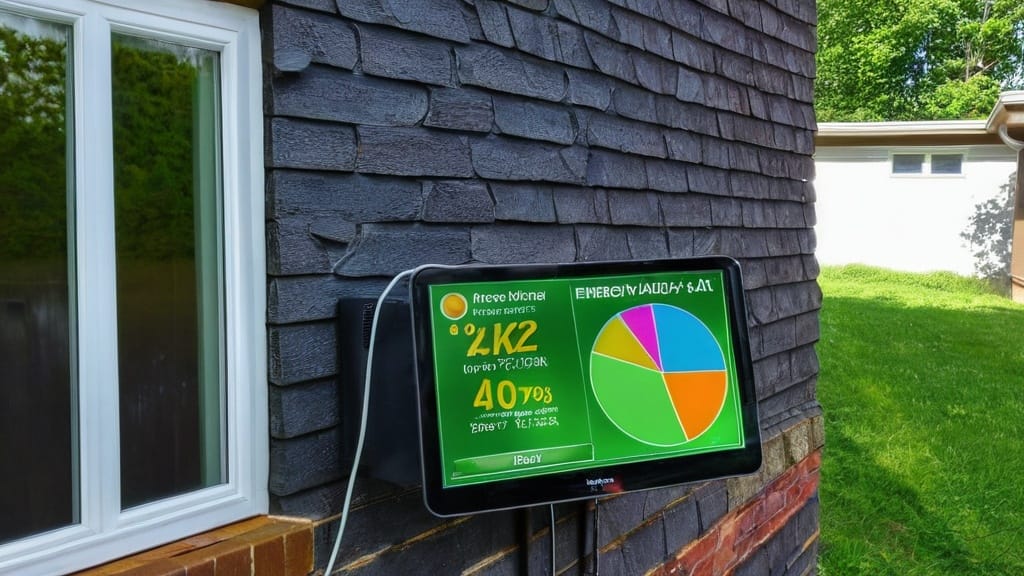
Additionally, Elion aims to develop ongoing monitoring systems that allow for real-time tracking of energy consumption post-audit implementation. These systems will enable facility managers to identify new inefficiencies as they arise and make data-driven decisions regarding further improvements. By fostering a culture of continuous improvement in energy management practices, Elion seeks to ensure that water treatment plants remain at the forefront of sustainability efforts while effectively meeting community needs.
In conclusion, Elion’s commitment to enhancing energy efficiency through comprehensive audits and tailored solutions positions it as a key player in promoting sustainable practices within critical infrastructure sectors like water treatment. The collaboration between Elion and facilities such as those in Maharashtra exemplifies how targeted interventions can lead to significant advancements in both operational efficiency and environmental stewardship.
Elion recently conducted an energy audit for a water treatment plant in Maharashtra, focusing on optimizing energy consumption and enhancing operational efficiency. This initiative aligns with Elion’s commitment to sustainability and energy management across various sectors. For further insights into Elion’s diverse projects, you can read about their air audit at a cold storage facility in Hisar by following this link.
FAQs
What is the purpose of conducting an energy audit at a water treatment plant?
An energy audit aims to assess the energy consumption patterns of the water treatment plant, identify areas of energy wastage, and recommend measures to improve energy efficiency and reduce operational costs.
Who conducted the energy audit for the water treatment plant in Maharashtra?
The energy audit for the water treatment plant in Maharashtra was conducted by Elion, a company specializing in energy management and efficiency solutions.
What are the key benefits of an energy audit for a water treatment plant?
Key benefits include reduced energy consumption, lower utility bills, improved operational efficiency, enhanced equipment performance, and a reduced environmental footprint.
What types of energy-saving measures are typically recommended after such an audit?
Recommendations may include upgrading to energy-efficient pumps and motors, optimizing process controls, improving lighting systems, implementing variable frequency drives, and enhancing maintenance practices.
Is the energy audit specific to the water treatment plant in Maharashtra, or can it be applied elsewhere?
While the audit was conducted for a specific plant in Maharashtra, the methodologies and recommendations can be adapted and applied to other water treatment facilities with similar operational characteristics.
How does an energy audit contribute to sustainability goals?
By identifying and implementing energy-saving measures, the audit helps reduce greenhouse gas emissions and resource consumption, supporting broader environmental and sustainability objectives.
What is the typical process involved in conducting an energy audit at a water treatment plant?
The process generally includes data collection on energy use, site inspection, equipment evaluation, analysis of energy consumption patterns, identification of inefficiencies, and preparation of a detailed report with recommendations.
Can the results of the energy audit lead to cost savings for the water treatment plant?
Yes, by implementing the recommended energy efficiency measures, the plant can significantly reduce its energy costs and improve overall financial performance.
Are there any government incentives or support programs for energy audits in India?
Yes, various government schemes and incentives are available in India to promote energy efficiency, including subsidies and support for conducting energy audits and implementing energy-saving technologies.
How often should a water treatment plant undergo an energy audit?
It is generally recommended to conduct an energy audit every 3 to 5 years or whenever there are significant changes in plant operations or equipment to ensure ongoing energy efficiency.