

Elion, a leader in the industrial sector, has long recognized the critical importance of preparedness in the face of emergencies. In an environment where the stakes are high and the potential for accidents looms large, the company has implemented a comprehensive emergency response training program. This initiative culminated in a recent emergency drill designed to test the readiness of its Emergency Response Team (ERT).
The drill not only served as a practical exercise but also as a vital opportunity for team members to refine their skills, assess their response strategies, and enhance their overall effectiveness in crisis situations. The drill simulated a range of potential emergencies, from chemical spills to equipment failures, reflecting the diverse challenges that industrial operations may encounter. By immersing the ERT in realistic scenarios, Elion aimed to foster a culture of safety and preparedness that extends beyond mere compliance with regulations.
The exercise was meticulously planned, involving collaboration across various departments and external agencies, ensuring that all aspects of emergency response were thoroughly evaluated. This article delves into the significance of such drills, the specific objectives set forth by Elion, and the lessons learned that will shape future training initiatives.
Key Takeaways
- Elion conducted a comprehensive emergency drill to enhance the preparedness of its industrial Emergency Response Team (ERT).
- Emergency response training is crucial for industrial ERT teams to effectively manage real-life incidents and ensure safety.
- The drill focused on realistic scenarios to test team coordination, response time, and problem-solving under pressure.
- Key challenges during the drill highlighted areas for improvement, leading to valuable lessons for future training.
- The exercise significantly improved the ERT team’s readiness, with plans for ongoing training to maintain and enhance skills.
Importance of Emergency Response Training for Industrial ERT Teams
Emergency response training is not merely a regulatory requirement; it is a fundamental component of operational integrity in industrial settings. For companies like Elion, where the potential for hazardous incidents is ever-present, having a well-trained ERT is essential for minimizing risks and ensuring the safety of employees and the surrounding community. The training equips team members with the knowledge and skills necessary to respond effectively to emergencies, thereby reducing the likelihood of escalation and mitigating potential damage.
Moreover, regular training fosters a sense of confidence among team members. When individuals are well-prepared, they are more likely to act decisively and efficiently during an actual emergency. This confidence is crucial in high-pressure situations where every second counts.
Additionally, emergency response training promotes teamwork and communication among ERT members, which are vital elements in executing a successful response. By practicing together, team members develop a shared understanding of roles and responsibilities, enhancing their ability to coordinate efforts seamlessly when faced with real-life challenges. Please review our comprehensive Emergency Plan to ensure safety and preparedness.
Overview of the Emergency Drill conducted by Elion

The recent emergency drill at Elion was a meticulously orchestrated event that involved multiple scenarios designed to test various aspects of the ERT’s capabilities. The drill was conducted over several hours and included participation from not only internal team members but also external emergency services, such as local fire departments and medical responders. This collaboration was instrumental in creating a realistic environment that mirrored potential real-world emergencies.
During the drill, participants faced scenarios that included a simulated chemical leak from one of the production units, an explosion in a storage area, and an electrical failure leading to a fire outbreak. Each scenario was designed to challenge the ERT’s ability to assess risks, implement safety protocols, and communicate effectively under pressure. Observers were present to evaluate the team’s performance, providing valuable feedback on their response strategies and decision-making processes.
The drill was not just about executing procedures; it was also an opportunity for participants to think critically and adapt to evolving situations.
Key Objectives and Goals of the Emergency Drill
The primary objective of Elion’s emergency drill was to evaluate the readiness of its ERT in responding to various emergency situations. This encompassed assessing individual competencies as well as team dynamics during high-stress scenarios. A secondary goal was to identify any gaps in current training protocols or resources that could hinder effective response efforts.
By establishing clear objectives, Elion aimed to create a structured framework for evaluating performance and implementing improvements. Another significant goal was to enhance inter-agency collaboration. By involving local emergency services in the drill, Elion sought to strengthen relationships with external responders who would play a critical role in real emergencies.
This collaboration allowed for joint training opportunities and facilitated discussions on best practices for emergency management. Furthermore, the drill aimed to reinforce safety culture within the organization by emphasizing the importance of preparedness at all levels of operation. By engaging employees in these exercises, Elion hoped to instill a proactive mindset towards safety that would permeate throughout the company.
Challenges Faced and Lessons Learned during the Emergency Drill
| Metric | Details |
|---|---|
| Event Name | Elion Conducted Emergency Drill for an Industrial ERT Team |
| Date | April 2024 |
| Location | Industrial Facility |
| Number of Participants | 25 ERT Team Members |
| Duration | 3 Hours |
| Drill Scenario | Fire outbreak and chemical spill |
| Response Time | 5 minutes |
| Evacuation Time | 12 minutes |
| Equipment Tested | Fire extinguishers, gas detectors, first aid kits |
| Outcome | Successful drill with identified areas for improvement in communication |
Despite thorough planning, the emergency drill presented several challenges that tested the resilience and adaptability of the ERT. One notable challenge was communication breakdowns during high-stress scenarios. As team members became engrossed in their specific tasks, some lost sight of the overall situation, leading to delays in information sharing.
This highlighted the need for improved communication protocols that ensure all team members remain informed about evolving circumstances. Another challenge encountered was related to resource allocation during simulated emergencies. In one scenario, it became evident that certain equipment was not readily accessible or functional when needed most.
This underscored the importance of regular equipment checks and maintenance schedules as part of ongoing training efforts. The lessons learned from these challenges will inform future drills and training sessions, ensuring that Elion’s ERT is better equipped to handle real-life emergencies with greater efficiency.
Impact of the Emergency Drill on the Industrial ERT Team’s Preparedness
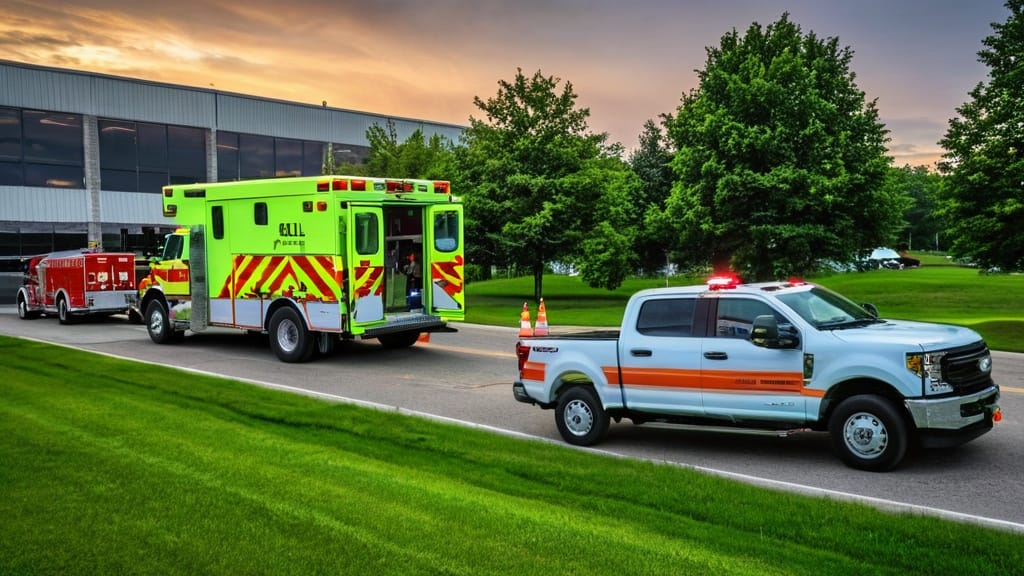
The impact of the emergency drill on Elion’s ERT was profound and multifaceted. First and foremost, it served as a wake-up call regarding areas that required immediate attention and improvement. Team members left the drill with a clearer understanding of their strengths and weaknesses, which is essential for personal development and team cohesion.
The experience fostered a renewed commitment among participants to prioritize safety and preparedness in their daily operations. Additionally, feedback from observers provided valuable insights into how well the team performed under pressure. This external perspective is crucial for identifying blind spots that internal evaluations might overlook.
The lessons learned from this drill will be integrated into future training programs, ensuring that all team members are continuously improving their skills and knowledge base. Ultimately, this drill has significantly enhanced Elion’s ERT’s overall preparedness, positioning them to respond more effectively to actual emergencies.
Future Plans for Continued Training and Improvement of the Industrial ERT Team
In light of the insights gained from the recent emergency drill, Elion is committed to implementing a robust plan for ongoing training and improvement of its ERT. Future training sessions will incorporate lessons learned from the drill, focusing on enhancing communication strategies and ensuring that all equipment is readily available and functional during emergencies. Regular refresher courses will be scheduled to keep team members updated on best practices and new developments in emergency response protocols.
Moreover, Elion plans to conduct more frequent drills that simulate different types of emergencies beyond those covered in the recent exercise. By diversifying scenarios, team members will gain exposure to a wider range of potential incidents, further honing their skills in adaptability and critical thinking under pressure. Collaboration with external agencies will also continue to be a priority, fostering relationships that can enhance overall community safety during emergencies.
Conclusion and Key Takeaways from Elion’s Emergency Drill
Elion’s recent emergency drill has underscored the vital role that preparedness plays in industrial operations. Through realistic simulations and collaborative efforts with external agencies, the company has taken significant strides toward enhancing its Emergency Response Team’s capabilities. The challenges faced during the drill have provided invaluable lessons that will inform future training initiatives, ensuring continuous improvement in response strategies.
The commitment to ongoing training reflects Elion’s dedication to safety not only within its operations but also within the broader community it serves. As industries continue to evolve and face new challenges, proactive measures like these will be essential in safeguarding lives and minimizing risks associated with industrial activities. The key takeaways from this exercise will resonate throughout Elion’s culture, reinforcing the importance of preparedness as an integral part of its operational ethos.
Elion recently conducted an emergency drill for its Industrial Emergency Response Team (ERT) to enhance preparedness and response capabilities in critical situations. This initiative aligns with the company’s commitment to safety and operational excellence. For further insights into how strategic consulting can enhance business operations, you may find the article on maximizing impact through water stewardship consulting particularly relevant.
Need expert assistance with Emergency Plan? Contact Elion Technologies and Consulting Pvt. Ltd. now.
FAQs
What is an Emergency Response Team (ERT)?
An Emergency Response Team (ERT) is a group of trained personnel designated to respond quickly and effectively to emergencies such as fires, chemical spills, or other industrial accidents within a facility.
Why did Elion conduct an emergency drill for their Industrial ERT team?
Elion conducted the emergency drill to test and improve the readiness, coordination, and response capabilities of their Industrial ERT team in handling potential industrial emergencies.
What activities are typically involved in an emergency drill for an Industrial ERT team?
An emergency drill usually involves simulated emergency scenarios, evacuation procedures, communication tests, use of safety equipment, and coordination among team members to practice and evaluate their response actions.
How often should emergency drills be conducted for industrial teams?
Emergency drills are generally recommended to be conducted at least annually, though the frequency can vary depending on industry regulations, company policies, and the specific risks associated with the facility.
What are the benefits of conducting emergency drills for industrial teams?
Emergency drills help identify gaps in emergency plans, improve team coordination, enhance individual skills, ensure compliance with safety regulations, and ultimately increase the safety of personnel and property.
Who participates in an emergency drill at an industrial facility?
Participants typically include the Industrial ERT team members, facility management, safety officers, and sometimes external emergency services or observers to evaluate the drill.
What industries commonly have Industrial Emergency Response Teams?
Industries such as manufacturing, chemical processing, oil and gas, mining, and utilities commonly have Industrial ERTs due to the higher risk of industrial accidents.
How does an emergency drill impact overall workplace safety?
Regular emergency drills reinforce safety protocols, improve employee confidence in handling emergencies, reduce response times, and help create a culture of safety awareness within the workplace.