

Elion, a leader in electrical safety consulting, has established a reputation for conducting thorough and effective electrical safety audits across various industrial sectors. These audits are designed to identify potential hazards, assess compliance with safety regulations, and recommend improvements to enhance the overall safety of electrical systems. The importance of such audits cannot be overstated, especially in industries where electrical systems play a critical role in operations.
By systematically evaluating the electrical infrastructure, Elion aims to mitigate risks associated with electrical failures, which can lead to severe accidents, equipment damage, and even loss of life. The process of an electrical safety audit involves a comprehensive examination of the electrical installations, equipment, and practices within a facility. This includes reviewing documentation, inspecting physical installations, and interviewing personnel to understand their safety practices and awareness.
Elion’s approach is not merely about compliance; it emphasizes fostering a culture of safety that permeates every level of the organization. This article will delve into the specifics of an electrical safety audit conducted by Elion at a cement manufacturing plant in Rajasthan, highlighting the significance of electrical safety in industrial settings and the methodologies employed during the audit.
Key Takeaways
- Elion conducted a comprehensive electrical safety audit at a cement manufacturing plant in Rajasthan.
- Electrical safety is critical in industrial environments to prevent accidents and ensure operational continuity.
- The audit identified key risks and provided tailored recommendations to enhance electrical safety protocols.
- Implementation of recommended safety measures led to improved safety practices and awareness among plant personnel.
- Ongoing compliance and future audits are planned to maintain and strengthen the plant’s electrical safety culture.
Overview of the Cement Manufacturing Plant in Rajasthan
The cement manufacturing plant in Rajasthan is one of the largest facilities in the region, playing a pivotal role in meeting the growing demand for cement in India’s rapidly expanding infrastructure sector. This plant operates with advanced technology and machinery, producing various types of cement that cater to different construction needs. The scale of operations necessitates a robust electrical infrastructure to power heavy machinery, lighting systems, and other essential equipment.
Given the complexity and size of the plant, ensuring electrical safety is paramount to maintaining operational efficiency and safeguarding personnel. The plant’s operations are characterized by high energy consumption and significant electrical loads, which can pose various risks if not managed properly. The facility employs hundreds of workers who rely on safe electrical systems for their daily tasks.
Any electrical failure could not only halt production but also endanger lives. Therefore, the management recognizes the critical need for regular assessments of their electrical systems to ensure compliance with safety standards and to foster a safe working environment. This context sets the stage for Elion’s electrical safety audit, which aims to identify vulnerabilities and recommend actionable improvements. For ensuring compliance and preventing hazards, it is essential to conduct a comprehensive Electrical Safety Audit.
Importance of Electrical Safety in Industrial Settings

Electrical safety is a fundamental aspect of industrial operations that cannot be overlooked. In environments like cement manufacturing plants, where heavy machinery and high-voltage systems are commonplace, the risks associated with electrical hazards are amplified. Electrical accidents can lead to severe injuries or fatalities, as well as significant financial losses due to downtime and equipment damage.
Moreover, non-compliance with electrical safety regulations can result in legal repercussions and damage to a company’s reputation. The importance of electrical safety extends beyond immediate physical risks; it also encompasses operational efficiency and productivity. A safe electrical environment fosters employee confidence and morale, which can lead to increased productivity and reduced turnover rates.
Furthermore, regular audits and adherence to safety protocols can help organizations avoid costly accidents and ensure compliance with local and international regulations. In essence, prioritizing electrical safety is not just about protecting workers; it is also about safeguarding the organization’s assets and ensuring long-term sustainability.
Elion’s Methodology for Conducting Electrical Safety Audits
Elion employs a systematic methodology for conducting electrical safety audits that encompasses several key phases. The first phase involves pre-audit preparation, where Elion’s team reviews existing documentation related to electrical systems, including schematics, maintenance records, and previous audit reports. This preparatory work allows auditors to gain an understanding of the facility’s electrical infrastructure and identify areas that may require closer examination during the on-site audit.
The on-site audit phase is where Elion’s methodology truly shines. Auditors conduct a thorough inspection of all electrical installations, including switchgear, transformers, circuit breakers, wiring systems, and grounding mechanisms. They assess compliance with relevant standards such as the National Electrical Code (NEC) or local regulations specific to India.
Additionally, interviews with plant personnel provide insights into their understanding of safety practices and any challenges they face in adhering to protocols. This comprehensive approach ensures that no aspect of electrical safety is overlooked. Following the on-site assessment, Elion compiles its findings into a detailed report that outlines identified hazards, compliance gaps, and recommendations for improvement.
This report serves as a roadmap for the facility’s management to enhance their electrical safety practices. The methodology emphasizes not only identifying problems but also providing practical solutions that can be implemented effectively within the existing operational framework.
Findings and Recommendations from the Audit at the Cement Plant
| Audit Parameter | Details | Findings | Recommendations |
|---|---|---|---|
| Location | Cement Manufacturing Plant, Rajasthan | – | – |
| Date of Audit | March 2024 | – | – |
| Electrical Equipment Inspected | Transformers, Switchgear, Motors, Cables | Minor insulation wear on some cables | Replace worn cables within 3 months |
| Compliance with Safety Standards | IEC, OSHA Electrical Safety Standards | 85% compliance | Improve grounding and earthing systems |
| Personnel Training | Electrical Safety Awareness | 70% staff trained | Conduct refresher training sessions quarterly |
| Protective Equipment Usage | Insulated gloves, helmets, safety boots | 90% usage compliance | Ensure 100% compliance during high-risk tasks |
| Emergency Preparedness | Fire extinguishers, emergency shutdown procedures | All equipment functional | Conduct emergency drills bi-annually |
| Overall Safety Rating | Based on audit findings | Good (75/100) | Address minor issues to achieve excellent rating |
The audit conducted by Elion at the cement manufacturing plant in Rajasthan revealed several critical findings related to electrical safety. One significant issue identified was inadequate grounding practices throughout the facility. Many pieces of equipment were found to be improperly grounded or lacked grounding altogether, which poses a serious risk of electric shock or fire hazards.
Additionally, several circuit breakers were outdated or not functioning correctly, increasing the likelihood of electrical failures during operation. In response to these findings, Elion provided a series of recommendations aimed at addressing these vulnerabilities. First and foremost was the urgent need to upgrade grounding systems across all equipment to ensure compliance with safety standards.
This would involve installing new grounding rods and ensuring that all machinery is properly bonded to prevent potential electric shock incidents. Furthermore, Elion recommended replacing outdated circuit breakers with modern devices that offer better protection against overloads and short circuits. Another key recommendation was to enhance training programs for employees regarding electrical safety practices.
While many workers were aware of basic safety protocols, there was a noticeable gap in knowledge regarding emergency procedures and proper use of personal protective equipment (PPE). By implementing regular training sessions and drills, the plant could significantly improve its overall safety culture and empower employees to take an active role in maintaining a safe working environment.
Implementation of Safety Measures and Best Practices
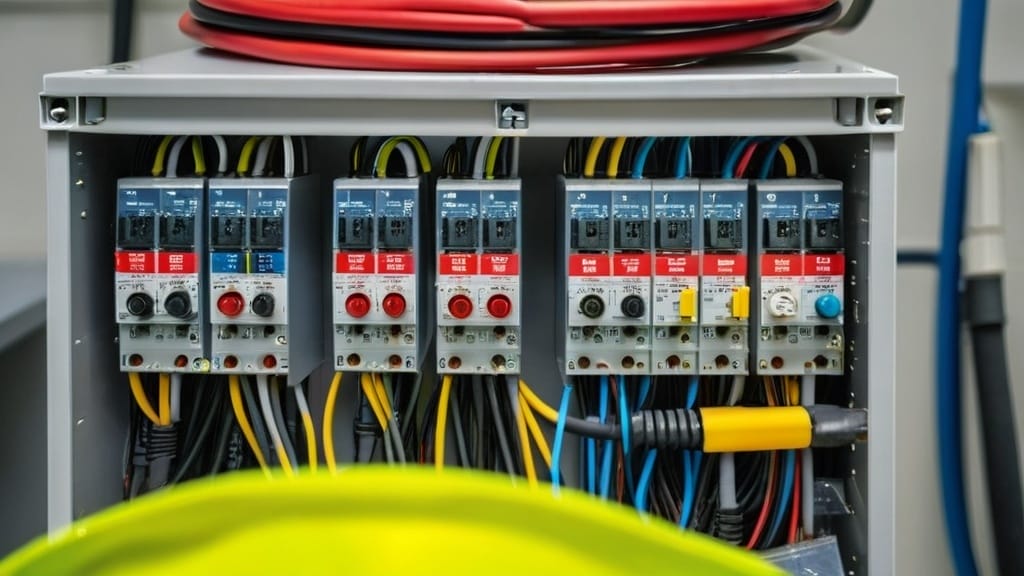
Following the audit’s findings and recommendations, the cement manufacturing plant began implementing several critical safety measures aimed at enhancing its electrical safety protocols. The management prioritized upgrading grounding systems as an immediate response to one of the most pressing issues identified during the audit. This involved engaging qualified electricians to assess existing grounding setups and install new grounding systems where necessary.
The process was meticulously planned to minimize disruption to ongoing operations while ensuring that all installations met regulatory standards. In addition to physical upgrades, the plant also initiated a comprehensive training program focused on electrical safety best practices. This program included workshops led by Elion’s experts who provided hands-on training on proper equipment handling, emergency response procedures, and the importance of using PPE when working near electrical systems.
By fostering an environment where employees felt empowered to speak up about safety concerns and participate in training sessions, the plant management aimed to cultivate a proactive approach to electrical safety. Moreover, regular maintenance schedules were established for all electrical equipment as part of the implementation phase. This included routine inspections of circuit breakers, transformers, and wiring systems to ensure they remained in optimal condition.
By adopting a preventive maintenance strategy rather than a reactive one, the plant aimed to reduce the likelihood of unexpected failures that could lead to accidents or production downtime.
Impact of the Audit on the Overall Safety Culture at the Plant
The impact of Elion’s electrical safety audit on the overall safety culture at the cement manufacturing plant has been profound. Prior to the audit, there was a general awareness of safety protocols among employees; however, many workers viewed these protocols as mere formalities rather than essential practices for their daily operations. The audit served as a wake-up call that highlighted specific vulnerabilities within their electrical systems and underscored the importance of adhering to safety measures.
As a result of the audit findings and subsequent implementation of recommended practices, there has been a noticeable shift in employee attitudes towards safety. Workers have become more engaged in discussions about electrical hazards and are more likely to report potential issues without fear of reprisal. The training programs have instilled a sense of responsibility among employees regarding their own safety as well as that of their colleagues.
This cultural shift has not only improved compliance with safety protocols but has also fostered teamwork as employees collaborate on maintaining a safe working environment. Furthermore, management has recognized that promoting a strong safety culture goes beyond compliance; it involves continuous improvement and open communication about safety concerns. Regular meetings are now held where employees can voice their observations regarding electrical systems or suggest improvements based on their experiences on the floor.
This collaborative approach has strengthened relationships between management and staff while reinforcing the idea that everyone plays a vital role in ensuring workplace safety.
Future Steps for Ensuring Ongoing Electrical Safety Compliance
To ensure ongoing compliance with electrical safety standards at the cement manufacturing plant, several future steps have been outlined by both Elion and plant management. One critical step is establishing a routine schedule for follow-up audits conducted by Elion or internal safety teams trained in electrical safety assessments. These audits will serve as checkpoints to evaluate whether implemented measures are effective and if any new risks have emerged since the initial audit.
Additionally, continuous education will be emphasized through refresher training sessions for all employees on electrical safety practices. As technology evolves and new equipment is introduced into operations, it is essential that workers remain informed about best practices related to these changes. Incorporating real-life scenarios into training sessions can enhance understanding and retention among employees.
Another important aspect will be fostering partnerships with local regulatory bodies to stay updated on changes in electrical safety regulations or standards that may affect operations at the plant. By maintaining open lines of communication with these entities, management can ensure that they are not only compliant but also ahead of any potential regulatory changes. Finally, creating an internal reporting system for employees to anonymously report unsafe conditions or near-miss incidents will be crucial in maintaining vigilance regarding electrical safety.
This system will encourage proactive identification of hazards before they result in accidents while reinforcing a culture where every employee feels responsible for contributing to workplace safety. Through these ongoing efforts, the cement manufacturing plant aims not only to comply with current regulations but also to establish itself as a leader in electrical safety within the industry—setting an example for others while ensuring that its workforce remains safe and secure in their daily operations.
Elion recently conducted a comprehensive electrical safety audit at a cement manufacturing plant in Rajasthan, highlighting the importance of maintaining safety standards in industrial environments. This audit is part of a broader commitment to ensuring workplace safety, which is further emphasized in our article on unveiling the dangers of arc flash. Understanding the risks associated with electrical hazards is crucial for preventing accidents and ensuring the safety of workers in various industries.
FAQs
What is the purpose of an electrical safety audit?
An electrical safety audit is conducted to assess the safety measures and compliance of electrical systems within a facility. It helps identify potential hazards, ensure adherence to safety standards, and recommend improvements to prevent electrical accidents.
Who conducted the electrical safety audit at the cement manufacturing plant in Rajasthan?
The electrical safety audit at the cement manufacturing plant in Rajasthan was conducted by Elion, a company specializing in electrical safety and related services.
Why is electrical safety important in a cement manufacturing plant?
Electrical safety is crucial in a cement manufacturing plant because the facility operates heavy machinery and electrical equipment that can pose risks such as electrical shocks, fires, and equipment damage. Ensuring electrical safety protects workers, equipment, and the overall production process.
What areas are typically inspected during an electrical safety audit?
During an electrical safety audit, inspectors typically examine electrical panels, wiring, grounding systems, protective devices, equipment maintenance records, and compliance with relevant electrical safety standards and regulations.
What are the expected outcomes of the electrical safety audit conducted by Elion?
The expected outcomes include a detailed report highlighting any electrical safety risks, recommendations for corrective actions, compliance status with safety standards, and guidance to enhance the overall electrical safety of the cement manufacturing plant.
How often should electrical safety audits be conducted in industrial plants?
Electrical safety audits should be conducted regularly, typically annually or as recommended by regulatory authorities and industry best practices, to ensure ongoing compliance and safety.
Can the findings of the electrical safety audit help in reducing downtime at the plant?
Yes, by identifying and addressing electrical safety issues proactively, the audit can help prevent electrical failures and accidents, thereby reducing unplanned downtime and improving operational efficiency.
Is the electrical safety audit mandatory for cement manufacturing plants in Rajasthan?
While specific regulations may vary, electrical safety audits are generally mandated by occupational safety and electrical regulatory authorities to ensure safe working conditions in industrial plants, including cement manufacturing facilities.