
Elion’s Safety Audit constitutes a systematic examination of safety procedures and protocols at the organization’s industrial gas filling facility. The audit functions as both a regulatory compliance measure and a preventive tool for hazard identification, risk assessment, and mitigation strategy development. The evaluation process covers multiple operational areas, including equipment performance, maintenance procedures, and personnel training programs.
The audit’s primary objective is to establish comprehensive safety standards that protect workers and the local community. Safety audits are essential in industries handling hazardous materials, particularly compressed and liquefied gases, where operational risks can result in serious accidents, injuries, or environmental damage. Industrial gas facilities face specific challenges including high-pressure systems, chemical exposure risks, and storage safety requirements.
Elion implements a structured audit methodology that meets industry safety standards while pursuing ongoing safety improvements. This analysis examines the specific audit procedures conducted at Elion’s industrial gas filling facility and evaluates the components that form an effective safety management system.
Key Takeaways
- Elion’s Safety Audit evaluates safety measures at an industrial gas filling facility.
- The audit reviews safety procedures, equipment inspections, and employee training compliance.
- Proper handling and storage of hazardous materials are critical focus areas.
- Emergency response and contingency plans are assessed for effectiveness.
- Recommendations aim to enhance safety protocols and ensure ongoing compliance.
Overview of the Industrial Gas Filling Facility
Elion’s industrial gas filling facility is a state-of-the-art operation designed to handle a variety of gases used in numerous applications, including medical, industrial, and commercial sectors. The facility is equipped with advanced technology that ensures the efficient filling and distribution of gases such as oxygen, nitrogen, argon, and carbon dioxide. Each gas has specific handling requirements due to its unique properties, which necessitates a tailored approach to safety and operational procedures.
The layout of the facility is meticulously planned to optimize workflow while minimizing risks associated with gas handling. Designated areas for filling, storage, and distribution are clearly marked, and access is restricted to authorized personnel only. This segregation of spaces helps prevent cross-contamination and reduces the likelihood of accidents.
Additionally, the facility incorporates modern safety features such as explosion-proof equipment, ventilation systems, and emergency shut-off valves, all of which play a vital role in maintaining a safe working environment. Please ensure your workplace complies with all regulations by scheduling a Safety Audit today.
Safety Procedures and Protocols
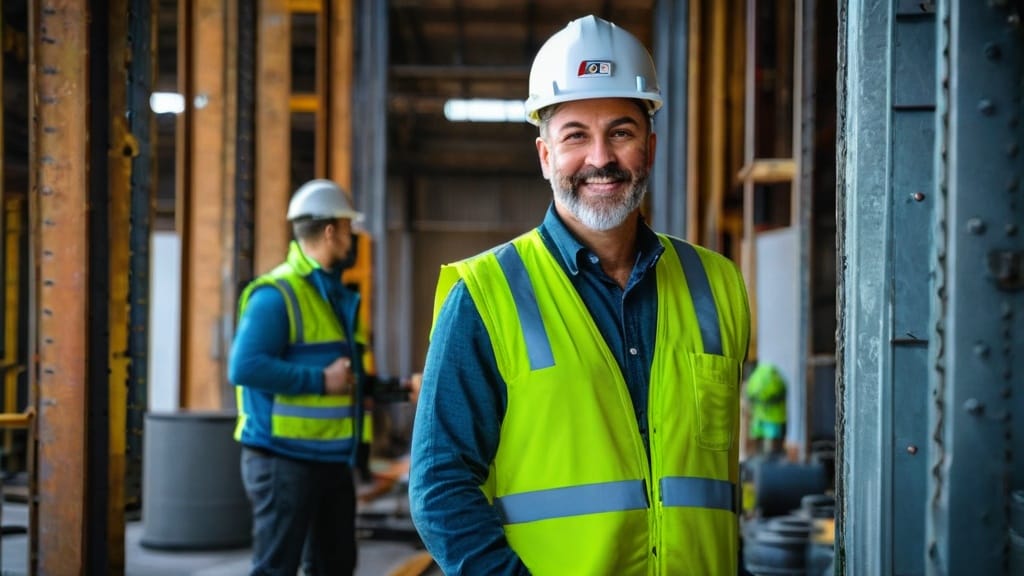
Safety procedures and protocols at Elion’s facility are designed to address the specific risks associated with industrial gas operations. These procedures are documented in a comprehensive safety manual that outlines best practices for every aspect of gas handling, from receiving raw materials to filling cylinders and transporting finished products. Each procedure is developed based on industry standards and regulatory requirements, ensuring compliance while promoting a culture of safety.
One key aspect of these protocols is the use of personal protective equipment (PPE). Employees are required to wear appropriate PPE at all times while on the facility floor. This includes safety goggles, gloves, and flame-resistant clothing, which are essential for protecting workers from potential hazards such as leaks or spills.
Regular training sessions are conducted to ensure that all employees understand the importance of PPE and how to use it effectively. Furthermore, safety signage is prominently displayed throughout the facility to remind employees of the necessary precautions and procedures.
Equipment and Facility Inspection
Regular inspections of equipment and the facility itself are integral components of Elion’s safety audit process. These inspections are conducted by trained personnel who assess the condition and functionality of all equipment used in gas filling operations. This includes checking for leaks in gas lines, ensuring that filling machines are calibrated correctly, and verifying that safety devices such as pressure relief valves are operational.
In addition to routine inspections, Elion employs a preventive maintenance program that schedules regular servicing of equipment to minimize the risk of failure. This proactive approach not only extends the lifespan of machinery but also enhances overall safety by reducing the likelihood of accidents caused by equipment malfunction. Inspection records are meticulously maintained, providing a historical account of equipment performance and any issues that have been addressed over time.
Employee Training and Compliance
| Audit Parameter | Details | Findings | Recommendations |
|---|---|---|---|
| Facility Name | Industrial Gas Filling Facility | N/A | N/A |
| Audit Date | April 2024 | N/A | N/A |
| Safety Compliance Score | 85% | Minor non-compliance in storage protocols | Improve gas cylinder storage and labeling |
| Number of Safety Incidents Reported | 2 (past 12 months) | Both related to improper handling | Conduct additional staff training on handling procedures |
| Emergency Response Readiness | Good | Emergency drills conducted quarterly | Maintain regular drills and update emergency plans |
| Personal Protective Equipment (PPE) Usage | 90% compliance | Some lapses in PPE usage during night shifts | Increase supervision and awareness during all shifts |
| Equipment Maintenance Status | Up to date | No major equipment failures reported | Continue scheduled maintenance and inspections |
Employee training is a cornerstone of Elion’s safety culture. All personnel working in the industrial gas filling facility undergo comprehensive training programs that cover various aspects of safety protocols, emergency response procedures, and equipment operation. New hires participate in an extensive orientation program that familiarizes them with the facility’s layout, safety procedures, and their specific roles within the organization.
Ongoing training sessions are also conducted regularly to keep employees updated on any changes in regulations or procedures. These sessions often include hands-on demonstrations and simulations that allow employees to practice their skills in a controlled environment. Compliance with training requirements is monitored closely, with records maintained to ensure that all employees meet the necessary qualifications for their positions.
This commitment to continuous education not only enhances employee competence but also reinforces the importance of safety in daily operations.
Hazardous Material Handling and Storage
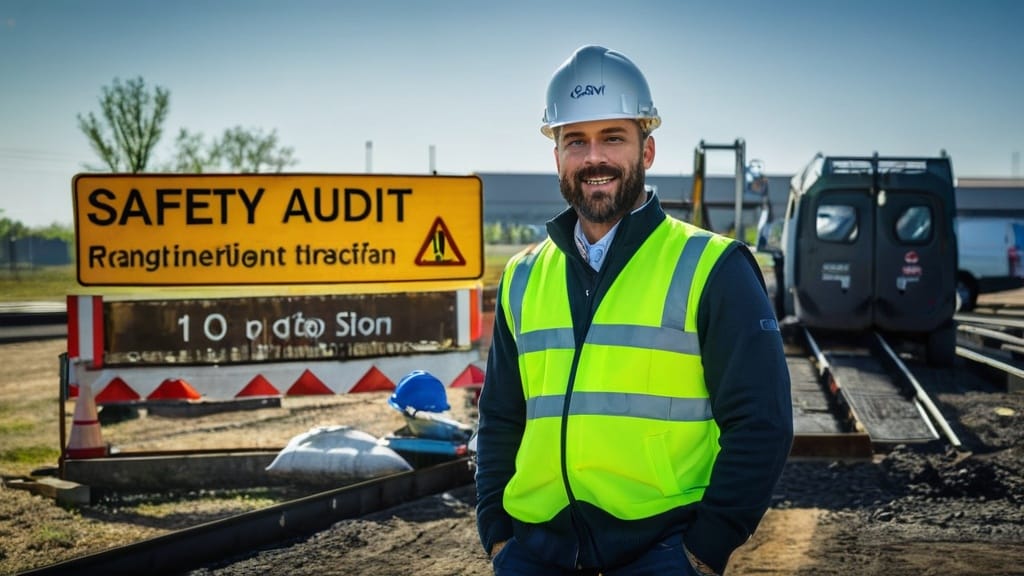
Handling and storing hazardous materials is a critical aspect of operations at Elion’s industrial gas filling facility. Each type of gas presents unique challenges and risks that must be managed effectively to prevent accidents or exposure. Elion adheres to strict guidelines for the safe handling of gases, which include proper labeling, storage conditions, and transportation methods.
Storage areas for hazardous materials are designed with safety in mind. For instance, gas cylinders are stored upright in designated racks that prevent tipping or falling. Additionally, these storage areas are equipped with ventilation systems to disperse any potential leaks quickly.
The facility also employs secondary containment measures for liquid gases to prevent spills from spreading beyond designated areas. Employees are trained on proper handling techniques, including how to safely connect and disconnect cylinders during filling operations.
Emergency Response and Contingency Plans
Elion recognizes that despite rigorous safety measures, emergencies can still occur. Therefore, comprehensive emergency response plans are established to address potential incidents such as gas leaks, fires, or explosions. These plans outline specific actions to be taken in various scenarios, ensuring that employees know how to respond effectively and safely.
Regular drills are conducted to test the effectiveness of these emergency response plans. Employees participate in simulations that mimic real-life scenarios, allowing them to practice their response skills under pressure. These drills not only reinforce training but also help identify areas for improvement within the emergency response framework.
Additionally, Elion maintains relationships with local emergency services to ensure coordinated responses in case of a significant incident.
Recommendations and Follow-Up Actions
Following the completion of Elion’s safety audit, several recommendations have been identified to enhance safety practices further within the industrial gas filling facility. One key recommendation is to implement more frequent inspections of high-risk areas within the facility. While current inspection protocols are robust, increasing the frequency could help identify potential issues before they escalate into serious problems.
Another recommendation involves enhancing employee engagement in safety initiatives. Encouraging employees to participate actively in safety committees or suggestion programs can foster a sense of ownership over safety practices. By involving employees in decision-making processes related to safety improvements, Elion can benefit from their firsthand experiences and insights.
Follow-up actions will include scheduling additional training sessions focused on specific areas identified during the audit process. These sessions will address any gaps in knowledge or compliance observed among employees. Furthermore, regular reviews of emergency response plans will be conducted to ensure they remain relevant and effective as operations evolve.
In conclusion, Elion’s commitment to safety through its comprehensive audit process reflects its dedication to maintaining a secure working environment for employees while ensuring compliance with industry standards. By continuously evaluating and improving safety practices, Elion not only protects its workforce but also contributes positively to the broader community it serves.
Elion recently conducted a comprehensive safety audit at an industrial gas filling facility, highlighting the critical importance of maintaining safety standards in high-risk environments. For businesses looking to enhance their safety protocols, understanding the various risks they face is essential. A related article that delves into this topic is “The Top 10 Risks Every Business Should Assess: How Our Company Can Guide You,” which provides valuable insights on risk assessment and management strategies. You can read more about it [here](https://elion.co.in/the-top-10-risks-every-business-should-assess-how-our-company-can-guide-you/).
Need expert assistance with Safety Audit? Contact Elion Technologies and Consulting Pvt. Ltd. now.
FAQs
What is the purpose of a safety audit at an industrial gas filling facility?
A safety audit at an industrial gas filling facility is conducted to evaluate the effectiveness of safety protocols, identify potential hazards, ensure compliance with regulatory standards, and recommend improvements to prevent accidents and ensure the safety of workers and the environment.
Who typically conducts safety audits at industrial gas filling facilities?
Safety audits are usually conducted by qualified safety professionals or specialized companies like Elion, who have expertise in industrial safety standards and regulations related to gas filling operations.
What are some common hazards identified during safety audits at gas filling facilities?
Common hazards include gas leaks, improper handling or storage of gases, inadequate ventilation, faulty equipment, lack of proper personal protective equipment (PPE), and insufficient emergency response plans.
How often should safety audits be conducted at industrial gas filling facilities?
The frequency of safety audits depends on regulatory requirements and company policies but typically occurs annually or semi-annually. Additional audits may be conducted after incidents or significant changes in operations.
What are the benefits of conducting a safety audit at an industrial gas filling facility?
Benefits include improved workplace safety, reduced risk of accidents, compliance with legal and industry standards, enhanced employee awareness, and identification of areas for operational improvement.
What actions are taken after a safety audit is completed?
After a safety audit, a detailed report is prepared outlining findings and recommendations. The facility management then implements corrective actions to address identified issues, updates safety procedures, and may conduct follow-up audits to ensure compliance.
Does Elion provide training as part of their safety audit services?
While the article does not specify, companies like Elion often offer training and consultation services to help facility staff understand safety protocols and implement recommended improvements following an audit.
Are safety audits mandatory for industrial gas filling facilities?
Safety audits are often required by regulatory agencies to ensure compliance with occupational health and safety laws, though specific requirements vary by jurisdiction and facility type.