
Elion’s Safety Audit is a systematic evaluation program designed to improve safety protocols in automated warehouse facilities. With increasing adoption of automation technologies in logistics and warehousing operations, maintaining safety standards for workers and equipment has become essential. The audit methodology involves identifying potential hazards, evaluating current safety measures, and developing recommendations based on established industry standards.
Through comprehensive assessment of operational environments, the program aims to establish safety practices that protect personnel while maintaining operational efficiency. The audit functions as a risk management tool rather than a standard compliance check. Modern warehouse automation systems introduce complex safety considerations that require specialized evaluation approaches.
Elion’s Safety Audit provides a structured framework for assessing safety protocols and ensuring they address the requirements of contemporary automated warehousing operations. The program emphasizes the integration of technological safety features with human factor considerations to create effective workplace safety systems.
Key Takeaways
- Elion conducts comprehensive safety audits to ensure warehouse automation facilities operate securely.
- Safety is critical in automated warehouses to prevent accidents and protect staff and equipment.
- The audit process includes thorough evaluation of facility design, equipment, and operational procedures.
- Key findings lead to actionable recommendations and implementation of enhanced safety measures.
- Continuous training and monitoring are essential for maintaining and improving safety standards over time.
Importance of Safety in Warehouse Automation Facilities
The significance of safety in warehouse automation facilities cannot be overstated. As these environments become more reliant on automated systems, the potential for accidents and injuries can increase if proper safety measures are not implemented. Automated machinery, such as robotic arms and conveyor systems, can pose unique risks, including entrapment, collisions, and equipment malfunctions.
Therefore, establishing robust safety protocols is essential to mitigate these risks and protect workers. Moreover, the financial implications of workplace accidents can be substantial. Injuries not only lead to direct costs associated with medical treatment and compensation but also result in indirect costs such as lost productivity and increased insurance premiums.
A safe working environment fosters employee morale and productivity, as workers are more likely to perform optimally when they feel secure in their surroundings. Thus, prioritizing safety in warehouse automation facilities is not just a regulatory requirement; it is a strategic business decision that can lead to improved operational outcomes. Please ensure your workplace complies with all regulations by scheduling a comprehensive Safety Audit today.
Overview of the Warehouse Automation Facility

Warehouse automation facilities are designed to streamline operations through the integration of advanced technologies. These facilities typically employ a combination of automated storage and retrieval systems (AS/RS), conveyor systems, and robotics to enhance efficiency and reduce labor costs. The layout of such facilities is meticulously planned to optimize workflow, minimize handling times, and ensure that products are stored and retrieved in the most efficient manner possible.
In addition to physical infrastructure, these facilities often utilize sophisticated software systems for inventory management and order fulfillment. This technology enables real-time tracking of goods, predictive analytics for inventory levels, and seamless communication between various components of the supply chain. However, the complexity of these systems necessitates a thorough understanding of their operational dynamics to ensure that safety measures are effectively integrated into every aspect of the facility’s design and operation.
Elion’s Safety Audit Process
Elion’s Safety Audit process is a multi-faceted approach that involves several key steps to ensure a comprehensive evaluation of safety practices within warehouse automation facilities. The process begins with a preliminary assessment, where auditors gather information about existing safety protocols, equipment, and operational workflows. This initial phase is crucial for identifying areas that may require further investigation or improvement.
Following the preliminary assessment, auditors conduct on-site inspections to observe operations firsthand. This includes evaluating the functionality of automated systems, assessing employee interactions with machinery, and identifying potential hazards in the physical environment. The audit team employs a combination of qualitative observations and quantitative measurements to create a detailed picture of the facility’s safety landscape.
After completing the inspections, auditors compile their findings into a report that outlines identified risks, compliance with safety regulations, and recommendations for enhancements.
Findings and Recommendations from the Safety Audit
| Audit Parameter | Metric | Result | Comments |
|---|---|---|---|
| Number of Safety Checks Conducted | 50 | Completed | All scheduled checks performed |
| Compliance Rate | 95% | Pass | Minor non-compliance issues found |
| Number of Hazards Identified | 3 | Addressed | Hazards mitigated within 48 hours |
| Employee Safety Training Completion | 100% | Completed | All staff trained on new protocols |
| Equipment Safety Checks | 20 | Passed | All automation equipment inspected |
| Emergency Response Drill | 1 | Successful | Drill conducted with full participation |
| Audit Duration | 3 days | Completed | Audit conducted as per schedule |
The findings from Elion’s Safety Audit often reveal critical insights into the safety culture and practices within warehouse automation facilities. Common issues identified during audits may include inadequate training for employees on operating automated systems, insufficient maintenance protocols for machinery, or gaps in emergency response procedures. For instance, auditors may discover that certain automated equipment lacks proper guarding mechanisms or that emergency stop buttons are not easily accessible.
Based on these findings, Elion provides tailored recommendations aimed at addressing specific vulnerabilities. These recommendations may include implementing regular training sessions for staff on equipment operation and safety protocols, enhancing maintenance schedules for machinery to prevent malfunctions, or redesigning workspaces to improve accessibility to emergency equipment. By prioritizing these recommendations, facilities can significantly reduce the likelihood of accidents and create a safer working environment.
Implementation of Safety Measures
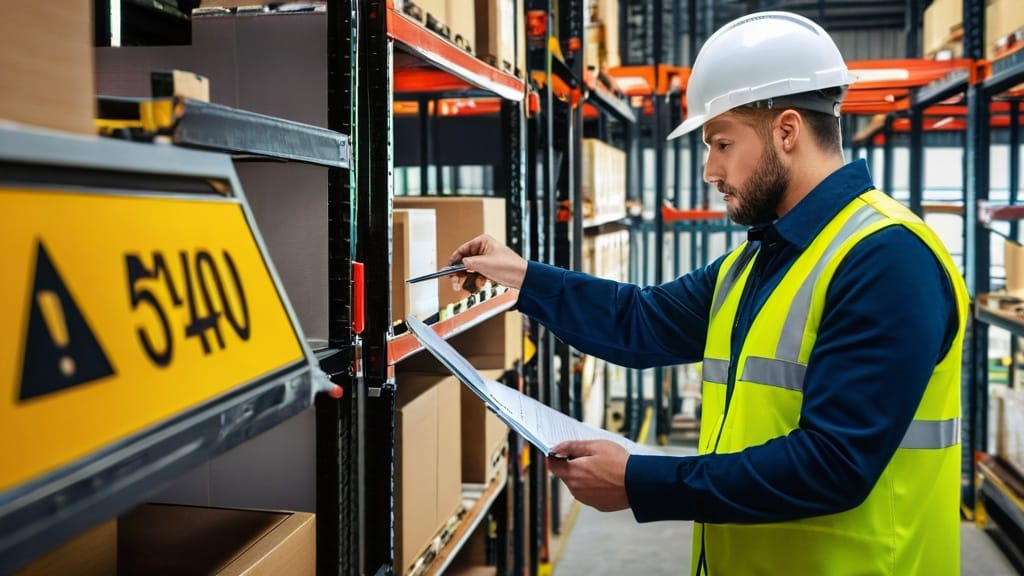
Implementing safety measures following an audit is a critical step in fostering a culture of safety within warehouse automation facilities. This process often begins with prioritizing the recommendations based on their potential impact on safety and feasibility of implementation. For example, if an audit identifies that certain automated systems lack adequate safety guards, addressing this issue may take precedence over less critical recommendations.
Once priorities are established, facility management must allocate resources effectively to ensure that safety measures are implemented promptly. This may involve investing in new equipment, upgrading existing machinery with safety features, or redesigning workflows to minimize risks associated with human-machine interactions. Additionally, clear communication regarding the importance of these measures is essential to garner employee buy-in and ensure compliance with new protocols.
Training and Education for Warehouse Staff
Training and education play a pivotal role in maintaining safety within warehouse automation facilities. Following the implementation of new safety measures, it is imperative that all employees receive comprehensive training on updated protocols and equipment usage. This training should encompass not only operational procedures but also emergency response strategies to prepare staff for potential incidents.
Moreover, ongoing education initiatives can reinforce a culture of safety by keeping employees informed about best practices and emerging technologies in warehouse automation. Regular workshops or refresher courses can help ensure that staff remain vigilant about safety concerns and are equipped to handle any challenges that may arise in their work environment. By fostering an atmosphere where continuous learning is encouraged, organizations can significantly enhance their overall safety performance.
Ongoing Safety Monitoring and Improvement
The commitment to safety does not end with the implementation of measures or training; it requires ongoing monitoring and improvement efforts. Elion emphasizes the importance of establishing a system for regular safety audits and assessments to ensure that protocols remain effective over time. This continuous evaluation allows organizations to adapt to changes in technology, operations, or regulations that may impact safety.
Additionally, fostering open lines of communication between management and staff regarding safety concerns is vital for ongoing improvement. Employees should feel empowered to report hazards or suggest enhancements without fear of reprisal. By creating a feedback loop where insights from frontline workers are valued, organizations can identify potential issues before they escalate into serious incidents.
Ultimately, ongoing monitoring and improvement efforts contribute to a resilient safety culture that prioritizes the well-being of all individuals within warehouse automation facilities.
Elion recently conducted a safety audit for a warehouse automation facility, ensuring that all safety protocols are met and that the environment is conducive to efficient operations. This audit is part of Elion’s commitment to enhancing safety standards across various industries. For further insights into Elion’s auditing processes, you may find the article on their recent audit at a paint manufacturing unit in Udaipur, Rajasthan, particularly interesting. You can read it here: Emergency Preparedness Boosted: Team Elion’s Audit at a Paint Manufacturing Unit in Udaipur, Rajasthan.
Need expert assistance with Safety Audit? Contact Elion Technologies and Consulting Pvt. Ltd. now.
FAQs
What is the purpose of the safety audit conducted by Elion?
The safety audit conducted by Elion aims to evaluate and ensure the safety standards and protocols at a warehouse automation facility. It helps identify potential hazards, assess compliance with safety regulations, and recommend improvements to maintain a safe working environment.
What does a safety audit for a warehouse automation facility typically involve?
A safety audit for a warehouse automation facility typically involves a thorough inspection of the facility’s equipment, machinery, and operational processes. It includes reviewing safety procedures, employee training, emergency preparedness, and compliance with relevant safety standards and regulations.
Who conducts the safety audit at the warehouse automation facility?
The safety audit is conducted by Elion, a company or team specializing in safety assessments and audits. They have the expertise to evaluate the facility’s safety measures and provide recommendations for improvement.
Why is safety auditing important for warehouse automation facilities?
Safety auditing is important for warehouse automation facilities because it helps prevent accidents, injuries, and equipment damage. It ensures that automated systems operate safely and that employees work in a hazard-free environment, ultimately improving operational efficiency and compliance with legal requirements.
What are the expected outcomes of Elion’s safety audit?
The expected outcomes of Elion’s safety audit include a detailed report highlighting any safety risks or non-compliance issues, recommendations for corrective actions, and strategies to enhance overall safety performance at the warehouse automation facility.
How often should safety audits be conducted in warehouse automation facilities?
Safety audits should be conducted regularly, typically annually or semi-annually, depending on the facility’s size, complexity, and regulatory requirements. Regular audits help maintain ongoing safety compliance and address new risks as they arise.
Can the safety audit impact the operation of the warehouse automation facility?
While the safety audit may require temporary access restrictions or operational pauses during inspections, its overall impact is positive. It helps identify and mitigate risks that could otherwise lead to costly accidents or downtime, thereby supporting safer and more efficient operations.