
Elion Technologies and consulting specializes in process safety management and has developed a systematic approach for conducting process safety audits in high-risk industries, including pharmaceuticals. A process safety audit involves the systematic evaluation of facility operations to identify potential hazards and assess the effectiveness of current safety measures. These audits function as essential tools for protecting personnel, the environment, and product integrity, while also meeting regulatory requirements.
Elion utilizes structured methodologies to improve safety protocols and promote continuous improvement in pharmaceutical manufacturing facilities. Process safety audits serve multiple purposes beyond regulatory compliance. They represent a proactive approach to risk management by identifying potential system failures before they result in serious incidents.
In the pharmaceutical industry, safety failures can lead to significant financial losses and pose serious risks to public health. Elion’s audit process is designed to provide assurance to stakeholders, including employees, management, and regulatory agencies. The following sections examine the essential elements of process safety in pharmaceutical facilities, Elion’s specific audit methodologies, and the measurable benefits of comprehensive safety audits.
Please ensure your workplace complies with all regulations by scheduling a Safety Audit today.
Key Takeaways
- Elion’s Process Safety Audit is a comprehensive evaluation designed to enhance safety in pharmaceutical plants.
- Process safety is critical in pharmaceutical manufacturing to prevent accidents and ensure product integrity.
- The audit methodology includes detailed inspections, risk assessments, and compliance checks tailored to the plant’s operations.
- Key findings from the audit lead to actionable recommendations that improve safety protocols and reduce hazards.
- Implementing audit-based safety measures results in safer work environments and long-term operational benefits for pharmaceutical facilities.
Importance of Process Safety in Pharmaceutical Plants
The pharmaceutical industry is characterized by its complex processes and the handling of hazardous materials, making process safety an essential component of operational integrity. The potential for chemical spills, explosions, or exposure to toxic substances necessitates rigorous safety protocols. In this context, process safety is not just about adhering to regulations; it is about safeguarding human lives and ensuring the reliability of drug production.
A lapse in safety can lead to severe consequences, including product recalls, legal liabilities, and damage to a company’s reputation. Moreover, the importance of process safety extends to the broader implications for public health. Pharmaceuticals are critical in treating diseases and improving quality of life; thus, any disruption in their production can have far-reaching effects on patient care.
For instance, during the COVID-19 pandemic, the demand for vaccines and therapeutics surged, highlighting the need for robust safety measures in pharmaceutical manufacturing. A failure in process safety could not only halt production but also compromise the efficacy and safety of life-saving medications. Therefore, investing in process safety is not merely a regulatory obligation; it is a moral imperative that underscores the industry’s commitment to public health.
Overview of the Pharmaceutical Plant Undergoing the Audit

The pharmaceutical plant selected for Elion’s process safety audit is a mid-sized facility specializing in the production of active pharmaceutical ingredients (APIs). This plant operates under stringent regulatory oversight due to its involvement in producing medications that are critical for treating chronic illnesses. The facility employs advanced technologies and processes that require careful management to mitigate risks associated with chemical reactions, equipment failures, and human error.
The plant’s layout includes multiple production lines, each dedicated to different APIs, along with storage areas for raw materials and finished products. Given the complexity of operations, the facility has implemented various safety measures, including automated monitoring systems and emergency response protocols. However, as with any manufacturing environment, there are inherent risks that necessitate regular assessments to ensure that safety practices are not only compliant but also effective in preventing incidents.
The audit aims to evaluate these existing measures and identify areas for improvement.
Methodology Used by Elion in Conducting the Process Safety Audit
Elion employs a multi-faceted methodology when conducting process safety audits, which encompasses several key phases: preparation, data collection, analysis, and reporting. The preparation phase involves defining the scope of the audit and assembling a team of experts with diverse backgrounds in engineering, safety management, and regulatory compliance. This interdisciplinary approach ensures that all aspects of process safety are considered.
During the data collection phase, Elion utilizes a combination of document reviews, interviews with personnel, and direct observations of operations. This comprehensive approach allows auditors to gather insights into both formal procedures and informal practices that may impact safety. For example, while reviewing standard operating procedures (SOPs), auditors may also engage with operators to understand how these procedures are implemented in practice.
This dual perspective helps identify discrepancies between written protocols and actual behaviors on the shop floor. Following data collection, Elion conducts a thorough analysis to assess compliance with industry standards and best practices. This includes evaluating risk assessments, incident reports, and training records to identify trends or recurring issues.
The final phase involves compiling findings into a detailed report that outlines identified hazards, assesses their potential impact, and provides actionable recommendations for improvement.
Findings and Recommendations from the Audit
| Audit Parameter | Description | Findings | Recommendations | Status |
|---|---|---|---|---|
| Hazard Identification | Assessment of potential chemical and process hazards | Identified 5 critical hazards related to solvent handling | Implement additional ventilation and leak detection systems | In Progress |
| Process Safety Management | Review of safety protocols and management systems | Safety procedures documented but not consistently followed | Conduct regular training and audits to ensure compliance | Pending |
| Emergency Response | Evaluation of emergency preparedness and response plans | Emergency drills conducted quarterly; response time satisfactory | Update emergency contact lists and improve communication systems | Completed |
| Equipment Integrity | Inspection of critical equipment and maintenance records | Some equipment nearing end of service life | Schedule replacement or refurbishment within 6 months | In Progress |
| Training & Competency | Assessment of staff training on process safety | 80% of staff completed mandatory safety training | Ensure 100% completion and refresher courses annually | Pending |
The audit conducted by Elion revealed several critical findings regarding the pharmaceutical plant’s process safety practices. One significant issue identified was a lack of consistency in training programs for employees across different production lines. While some operators received comprehensive training on emergency response procedures, others had not been adequately trained on specific hazards associated with their tasks.
This inconsistency poses a risk during emergency situations when quick decision-making is essential. Another finding highlighted deficiencies in equipment maintenance protocols. Although routine inspections were conducted, records indicated that some equipment had not been serviced according to recommended schedules.
This oversight raises concerns about potential equipment failures that could lead to hazardous situations. Additionally, the audit uncovered gaps in communication regarding changes in processes or materials used in production. Employees reported feeling uninformed about updates that could affect their work environment.
Based on these findings, Elion provided several recommendations aimed at enhancing process safety within the plant. First, it was suggested that the facility implement a standardized training program that ensures all employees receive consistent instruction on safety protocols relevant to their specific roles. This program should include regular refresher courses to keep knowledge current and reinforce safe practices.
Second, Elion recommended establishing a more rigorous equipment maintenance schedule that includes detailed documentation of all maintenance activities. This would help ensure that all equipment operates safely and efficiently while minimizing downtime due to unexpected failures. Lastly, improving communication channels between management and staff regarding changes in processes or materials was emphasized as crucial for fostering a culture of safety awareness.
Implementation of Safety Measures Based on the Audit
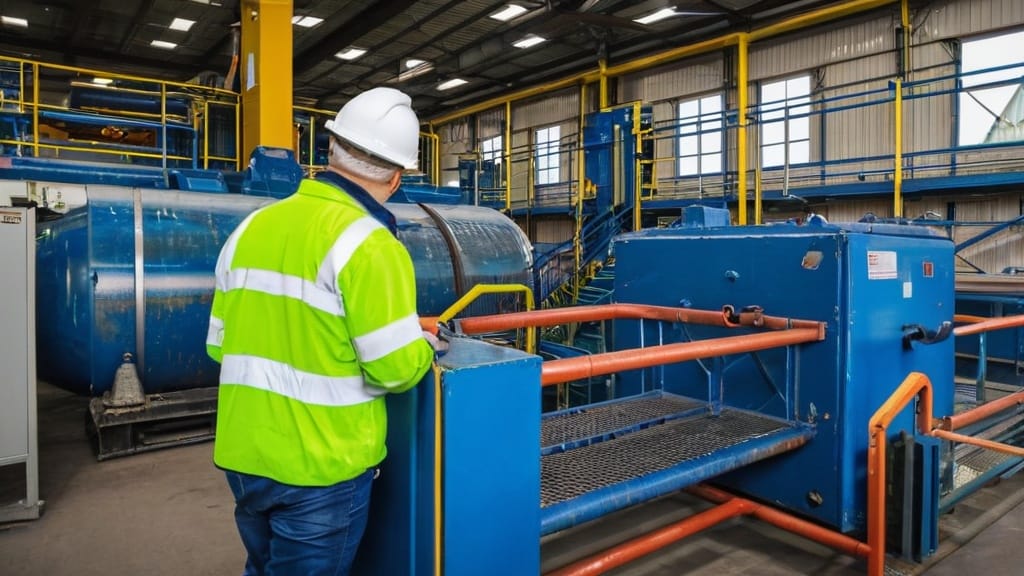
Following the completion of Elion’s audit and the presentation of findings and recommendations, the pharmaceutical plant initiated a series of actions aimed at implementing enhanced safety measures. The first step involved revising the training program to create a comprehensive curriculum tailored to different roles within the facility. This new program incorporated interactive elements such as simulations and scenario-based training exercises designed to engage employees actively.
To ensure effective implementation, management established a dedicated team responsible for overseeing training initiatives and tracking employee progress. Regular assessments were introduced to evaluate knowledge retention and application of safety practices on the job. By fostering an environment where employees feel empowered to voice concerns or suggest improvements related to safety training, the plant aimed to cultivate a proactive approach to risk management.
In parallel with training enhancements, the plant also took significant strides toward improving equipment maintenance protocols. A new computerized maintenance management system (CMMS) was implemented to streamline scheduling and documentation of maintenance activities. This system allows for real-time tracking of equipment status and alerts maintenance personnel when service is due or overdue.
Furthermore, management instituted regular meetings between production teams and safety officers to discuss ongoing changes in processes or materials used in production. These meetings serve as platforms for open dialogue about potential hazards associated with new procedures or substances while reinforcing a culture of transparency and collaboration.
Benefits of Conducting Process Safety Audits for Pharmaceutical Plants
Conducting process safety audits offers numerous benefits for pharmaceutical plants beyond mere compliance with regulations. One primary advantage is the identification and mitigation of risks before they escalate into serious incidents. By proactively addressing vulnerabilities within operations, plants can significantly reduce the likelihood of accidents that could result in injury or environmental harm.
Additionally, audits foster a culture of continuous improvement by encouraging organizations to regularly evaluate their practices against industry standards and best practices. This commitment to ongoing assessment not only enhances operational efficiency but also boosts employee morale as workers feel valued when their safety concerns are taken seriously. Moreover, successful implementation of audit recommendations can lead to cost savings over time.
For instance, improved equipment maintenance can reduce unplanned downtime and extend the lifespan of machinery, ultimately lowering operational costs associated with repairs or replacements. Furthermore, enhanced training programs can lead to fewer workplace accidents, resulting in lower insurance premiums and reduced liability costs. Finally, conducting regular process safety audits strengthens stakeholder confidence—be it among employees who want assurance about their workplace safety or investors who seek transparency regarding operational risks.
A strong reputation for prioritizing safety can enhance market competitiveness while attracting top talent who value working for organizations committed to ethical practices.
Conclusion and Future Considerations
As pharmaceutical plants continue to navigate an increasingly complex regulatory landscape alongside evolving technological advancements, the importance of robust process safety measures cannot be overstated. Elion’s process safety audit serves as an invaluable tool for identifying vulnerabilities within operations while providing actionable recommendations tailored specifically for each facility’s unique challenges. Looking ahead, it will be essential for pharmaceutical companies to remain vigilant in their commitment to process safety by integrating lessons learned from audits into their organizational culture.
Continuous training initiatives should evolve alongside industry standards while fostering an environment where employees feel empowered to contribute ideas related to improving workplace safety. Furthermore, as new technologies emerge—such as automation and artificial intelligence—pharmaceutical plants must adapt their safety protocols accordingly. Embracing innovation while maintaining rigorous safety standards will be crucial in ensuring that these advancements do not inadvertently introduce new risks into operations.
In conclusion, Elion’s process safety audit exemplifies how proactive risk management can lead not only to enhanced operational integrity but also contribute positively towards public health outcomes within the pharmaceutical industry. By prioritizing process safety today, organizations can pave the way for safer workplaces tomorrow while continuing their vital mission of delivering life-saving medications to those in need.
Elion recently conducted a comprehensive process safety audit for a pharmaceutical plant, emphasizing the importance of maintaining high safety standards in the industry. For those interested in further enhancing their safety protocols, a related article on bridging safety gaps can be found here: Bridging the Safety Divide: Steps for Effective Process Safety Gap Analysis. This resource provides valuable insights into identifying and addressing potential safety deficiencies within various operational frameworks.
Need expert assistance with Safety Audit? Contact Elion Technologies and Consulting Pvt. Ltd. now.
FAQs
What is a process safety audit?
A process safety audit is a systematic evaluation of a facility’s processes, equipment, and safety management systems to identify potential hazards and ensure compliance with safety standards.
Who conducted the process safety audit for the pharmaceutical plant?
Elion conducted the process safety audit for the pharmaceutical plant.
Why is process safety important in pharmaceutical plants?
Process safety is crucial in pharmaceutical plants to prevent accidents, protect workers, ensure product quality, and comply with regulatory requirements.
What are the typical areas reviewed during a process safety audit?
Typical areas reviewed include hazard identification, risk management, equipment integrity, emergency response plans, safety training, and compliance with industry standards.
How often should process safety audits be conducted?
Process safety audits are generally conducted periodically, such as annually or biannually, depending on regulatory requirements and the complexity of the plant operations.
What benefits does a pharmaceutical plant gain from a process safety audit?
Benefits include improved safety performance, reduced risk of accidents, enhanced regulatory compliance, and increased operational efficiency.
Is the process safety audit mandatory for pharmaceutical plants?
While requirements vary by region, many regulatory bodies mandate regular process safety audits to ensure safe operation of pharmaceutical manufacturing facilities.
What qualifications do auditors like Elion typically have?
Auditors usually have expertise in chemical engineering, safety management, and experience with pharmaceutical manufacturing processes and relevant safety standards.
What happens after a process safety audit is completed?
After the audit, a report is generated detailing findings, recommendations, and corrective actions that the plant management should implement to improve safety.
Can process safety audits help in preventing environmental hazards?
Yes, by identifying and mitigating risks related to chemical handling and waste management, process safety audits help prevent environmental incidents.