
Elion Technologies and consulting Fire Risk Assessment Services deliver thorough evaluations of fire hazards across various settings, with particular expertise in industrial facilities. The company identifies potential fire threats and develops effective mitigation strategies, establishing itself as a fire safety industry leader. Elion employs highly qualified professionals who utilize sophisticated methodologies and technologies for accurate risk assessment.
Their services meet regulatory requirements while also strengthening organizational safety culture. Fire risk assessments are critical, particularly in industrial environments where flammable materials, complex equipment, and high personnel concentration significantly elevate fire incident probability. Elion’s methodology is based on comprehensive understanding of both physical infrastructure and operational processes within industrial facilities.
Through detailed evaluations, Elion enables organizations to identify vulnerabilities, establish risk priorities, and implement customized strategies to protect assets and personnel.
Key Takeaways
- Elion provides specialized fire risk assessment services tailored for industrial facilities.
- Conducting fire risk assessments is crucial to identify hazards and prevent fire-related incidents in industrial settings.
- Elion uses a systematic methodology to evaluate fire risks and develop actionable safety recommendations.
- Implementing Elion’s recommendations enhances fire safety and reduces potential damage at industrial sites.
- Ongoing fire risk assessments with Elion support continuous improvement and future fire safety planning.
Importance of Fire Risk Assessment at Industrial Facilities
Fire risk assessments are critical for industrial facilities due to the unique challenges they face. These environments often house large quantities of hazardous materials, intricate machinery, and numerous employees, all of which can contribute to an elevated risk of fire. A well-executed fire risk assessment serves as a proactive measure that not only identifies potential fire hazards but also evaluates the effectiveness of existing fire safety measures.
This process is essential for ensuring compliance with local regulations and industry standards, which often mandate regular assessments. Moreover, the financial implications of a fire incident can be devastating for an industrial facility. Beyond the immediate costs associated with property damage and business interruption, there are long-term repercussions such as increased insurance premiums and potential legal liabilities.
By investing in a thorough fire risk assessment, organizations can mitigate these risks and protect their financial interests. Additionally, fostering a culture of safety through regular assessments can enhance employee morale and confidence, knowing that their workplace prioritizes their well-being. For a comprehensive Fire Risk Assessment, visit Fire Risk Assessment.
Overview of the Industrial Facility Assessed by Elion
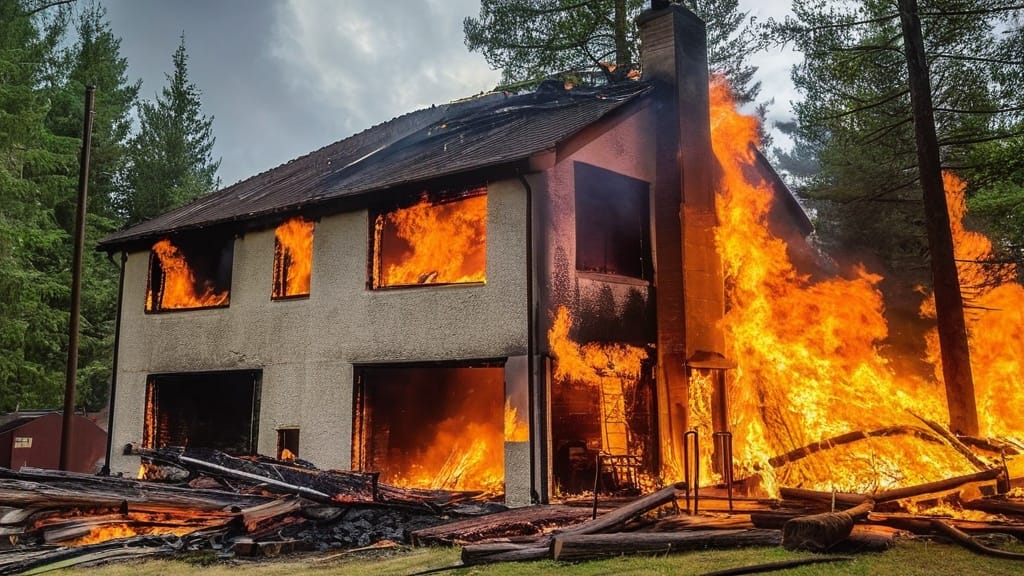
The industrial facility assessed by Elion is a large manufacturing plant specializing in the production of chemical components used in various industries, including automotive and electronics. This facility operates on a 24/7 basis, employing over 300 workers who are involved in different stages of production, from raw material handling to final assembly. The presence of flammable chemicals, high-temperature processes, and extensive machinery creates a complex environment where fire risks must be meticulously evaluated.
The layout of the facility includes multiple production lines, storage areas for raw materials and finished products, as well as maintenance workshops. Each section presents unique fire hazards that require careful consideration during the assessment process. For instance, the storage areas contain various chemicals that are classified as flammable or reactive, necessitating stringent safety protocols.
Additionally, the facility’s reliance on heavy machinery increases the likelihood of mechanical failures that could lead to ignition sources. Understanding these dynamics is crucial for Elion to provide an accurate risk assessment tailored to the specific needs of the facility.
Methodology Used by Elion for Fire Risk Assessment
Elion employs a systematic methodology for conducting fire risk assessments that encompasses several key steps. The process begins with a comprehensive site visit where assessors evaluate the physical layout of the facility, identify potential fire hazards, and review existing safety measures. This initial phase is critical for gathering firsthand information about the operational processes and materials used within the facility.
Following the site visit, Elion utilizes a combination of qualitative and quantitative risk assessment techniques. This includes hazard identification through checklists and interviews with facility personnel to gain insights into their experiences and concerns regarding fire safety. Additionally, quantitative data such as historical incident reports and statistical analyses are employed to evaluate the likelihood and potential impact of various fire scenarios.
By integrating these approaches, Elion ensures a thorough understanding of both the inherent risks present in the facility and the effectiveness of current mitigation strategies.
Findings and Recommendations from Elion’s Fire Risk Assessment
| Assessment Parameter | Details | Risk Level | Recommendations |
|---|---|---|---|
| Facility Type | Industrial Manufacturing Plant | N/A | N/A |
| Assessment Date | 2024-06-15 | N/A | N/A |
| Fire Hazard Sources | Flammable liquids storage, electrical equipment, welding operations | High | Implement strict storage protocols, regular equipment maintenance, and welding safety procedures |
| Fire Detection Systems | Smoke detectors, heat sensors, manual call points | Moderate | Upgrade to address coverage gaps and ensure regular testing |
| Fire Suppression Systems | Sprinkler system, portable extinguishers | Moderate | Increase number of extinguishers and conduct staff training |
| Emergency Exits | 4 clearly marked exits, unobstructed | Low | Maintain clear pathways and conduct regular drills |
| Staff Training | Basic fire safety training completed by 70% of staff | Moderate | Increase training frequency and coverage to 100% |
| Overall Fire Risk Rating | N/A | Moderate to High | Implement recommended controls and review quarterly |
The findings from Elion’s fire risk assessment revealed several critical areas of concern within the industrial facility. One significant issue identified was the inadequate separation between flammable material storage areas and production lines. This lack of physical barriers increases the risk of fire spread in the event of an incident.
Furthermore, it was noted that some emergency exits were obstructed or poorly marked, which could hinder evacuation efforts during a fire emergency. In response to these findings, Elion provided a series of recommendations aimed at enhancing fire safety within the facility. These included implementing proper storage protocols for flammable materials, such as using explosion-proof cabinets and ensuring adequate spacing between storage units.
Additionally, Elion recommended conducting regular training sessions for employees on fire safety procedures and emergency response protocols to ensure that all personnel are prepared in case of an incident. The recommendations were designed not only to address immediate concerns but also to foster a long-term culture of safety within the organization.
Implementation of Recommendations at the Industrial Facility

The implementation of Elion’s recommendations was a collaborative effort involving various stakeholders within the industrial facility. Management recognized the importance of addressing the identified risks promptly and allocated resources to facilitate necessary changes. One of the first steps taken was to reorganize storage areas to comply with safety standards.
This involved relocating flammable materials to designated zones equipped with appropriate safety features, such as ventilation systems and fire suppression equipment. In addition to physical changes, training programs were developed to educate employees about new safety protocols and emergency procedures. These sessions included hands-on drills that allowed workers to practice evacuation routes and familiarize themselves with firefighting equipment available on-site.
The management team also established a regular review process to ensure ongoing compliance with safety measures and to adapt protocols as needed based on evolving risks or changes in operations.
Benefits of Conducting Fire Risk Assessment with Elion
Engaging Elion for fire risk assessment services offers numerous benefits that extend beyond mere compliance with regulations. One significant advantage is the expertise that Elion brings to the table; their team consists of professionals with extensive experience in fire safety across various industries. This depth of knowledge allows them to provide tailored solutions that address specific challenges faced by each facility.
Furthermore, conducting a thorough fire risk assessment can lead to substantial cost savings over time. By identifying potential hazards early on and implementing effective mitigation strategies, organizations can reduce the likelihood of costly fire incidents that could disrupt operations or result in significant property damage. Additionally, fostering a culture of safety enhances employee morale and retention, as workers feel valued when their well-being is prioritized.
Ultimately, partnering with Elion not only strengthens an organization’s fire safety posture but also contributes to its overall operational resilience.
Conclusion and Future Considerations for Fire Safety at Industrial Facilities
As industrial facilities continue to evolve with advancements in technology and changes in operational practices, ongoing attention to fire safety remains paramount. The insights gained from Elion’s fire risk assessment serve as a foundation for continuous improvement in safety protocols. Organizations must recognize that fire risk assessments are not one-time events but rather integral components of an ongoing safety strategy.
Looking ahead, it is essential for industrial facilities to stay informed about emerging trends in fire safety technology and best practices. This includes exploring innovations such as smart detection systems that utilize artificial intelligence for real-time monitoring and response capabilities. Additionally, fostering collaboration among industry peers can lead to shared insights and strategies for enhancing fire safety across sectors.
By prioritizing fire risk assessments and remaining proactive in their approach to safety, organizations can create safer work environments that protect both their employees and assets from potential fire hazards.
Elion recently conducted a comprehensive fire risk assessment at an industrial facility, ensuring that safety protocols are in place to mitigate potential hazards. This assessment is part of Elion’s broader commitment to enhancing safety standards across various sectors. For further insights into Elion’s safety initiatives, you can read about their recent fire safety and security audit for a mall in Bhubaneswar, which highlights their expertise in identifying and addressing fire risks in commercial spaces. Check out the article here.
Need expert assistance with Fire Risk Assessment? Contact Elion Technologies and Consulting Pvt. Ltd. now.
FAQs
What is a fire risk assessment?
A fire risk assessment is a systematic evaluation of a facility to identify potential fire hazards, assess the risk of fire occurring, and determine the necessary measures to prevent or mitigate fire-related incidents.
Who conducted the fire risk assessment at the industrial facility?
The fire risk assessment at the industrial facility was conducted by Elion, a company specializing in safety evaluations and risk management.
Why is a fire risk assessment important for industrial facilities?
Fire risk assessments are crucial for industrial facilities because they help identify fire hazards, ensure compliance with safety regulations, protect employees and assets, and reduce the likelihood and impact of fire incidents.
What does a fire risk assessment typically involve?
A fire risk assessment typically involves inspecting the facility, identifying potential sources of ignition and combustible materials, evaluating existing fire safety measures, assessing evacuation routes, and recommending improvements to reduce fire risks.
How often should fire risk assessments be conducted?
Fire risk assessments should be conducted regularly, often annually or whenever there are significant changes to the facility, processes, or equipment that could affect fire safety.
What are the outcomes of a fire risk assessment?
The outcomes include a detailed report outlining identified fire hazards, risk levels, current safety measures, and recommendations for improvements to enhance fire safety and compliance with regulations.
Who is responsible for implementing the recommendations from a fire risk assessment?
The facility management or designated safety officers are responsible for implementing the recommendations to improve fire safety and ensure compliance with relevant laws and standards.
Does Elion provide follow-up services after the fire risk assessment?
While specific services may vary, companies like Elion often offer follow-up support, including assistance with implementing recommendations, training, and periodic re-assessments to maintain fire safety standards.