
Hazardous area classification is a critical process in industries where flammable gases, vapors, or dust may be present. This classification is essential for ensuring the safety of personnel, equipment, and the environment. The process involves identifying areas where explosive atmospheres may occur and categorizing them based on the likelihood and duration of such occurrences.
The classification is not merely a regulatory requirement; it is a fundamental aspect of risk management that helps in designing safe operational practices and selecting appropriate equipment. In many industrial settings, particularly those involving the storage and handling of flammable materials, the consequences of an explosion or fire can be catastrophic. Therefore, understanding the principles of hazardous area classification is vital for engineers, safety professionals, and management teams.
The classification typically follows guidelines set forth by international standards such as the IEC 60079 series or the National Fire Protection Association (NFPA) codes. These standards provide a framework for identifying hazardous zones and implementing necessary safety measures to mitigate risks.
Key Takeaways
- Hazardous area classification is essential for identifying risk zones in LNG storage facilities.
- LNG storage areas require specialized assessment due to the flammable nature of liquefied natural gas.
- Conducting hazardous area classification ensures safety, prevents accidents, and protects personnel and assets.
- Elion offers expert services in accurately classifying hazardous zones within LNG storage environments.
- Adhering to safety measures and regulatory standards is critical for maintaining compliance and operational safety.
Overview of LNG Storage Areas
Liquefied Natural Gas (LNG) storage areas are specialized facilities designed to store LNG at cryogenic temperatures, typically around -162 degrees Celsius. These facilities are crucial for the natural gas supply chain, allowing for the safe and efficient storage of gas that has been cooled to a liquid state for transport and distribution. LNG storage tanks are engineered to withstand extreme conditions and are often equipped with advanced safety systems to prevent leaks and spills.
The design of LNG storage areas must consider various factors, including the physical properties of LNG, potential hazards associated with its storage, and environmental impacts. LNG is non-toxic and non-corrosive; however, it is highly flammable when vaporized. Therefore, the design and operation of these facilities must prioritize safety to prevent incidents that could lead to explosions or environmental contamination.
The layout of LNG storage areas often includes multiple tanks, vaporization units, and safety barriers to manage risks effectively. Please ensure all personnel are trained to recognize hazards in the Hazard Area before entering.
Importance of Conducting Hazardous Area Classification
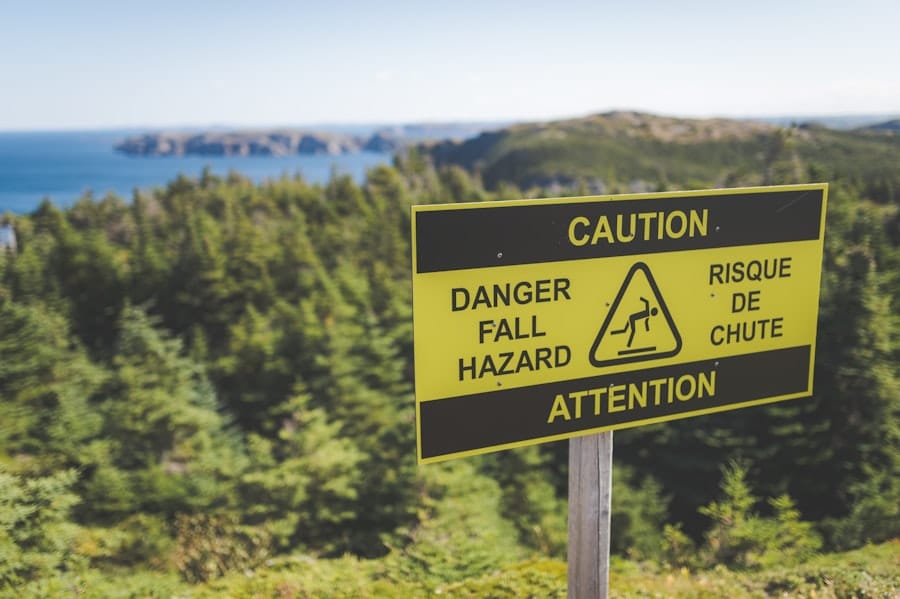
Conducting hazardous area classification in LNG storage areas is paramount for several reasons. First and foremost, it helps identify zones where explosive atmospheres may exist, allowing for the implementation of appropriate safety measures. By classifying areas based on the presence of flammable gases or vapors, organizations can ensure that equipment used in these zones meets stringent safety standards.
This classification process also aids in determining the necessary protective measures, such as explosion-proof equipment and proper ventilation systems. Moreover, hazardous area classification plays a significant role in emergency response planning. By clearly delineating hazardous zones, organizations can develop targeted emergency procedures that minimize risks during incidents.
This proactive approach not only protects personnel but also safeguards the facility and surrounding communities from potential disasters. Additionally, conducting thorough hazardous area classifications can enhance operational efficiency by reducing downtime associated with safety incidents and regulatory non-compliance.
Elion’s Expertise in Hazardous Area Classification
Elion is a recognized leader in hazardous area classification, offering specialized services tailored to the unique needs of industries such as LNG storage. With a team of experienced professionals well-versed in international standards and best practices, Elion provides comprehensive assessments that ensure compliance with regulatory requirements while prioritizing safety. Their expertise encompasses a wide range of industries, allowing them to apply lessons learned from various sectors to enhance safety protocols in LNG facilities.
Elion’s approach to hazardous area classification involves a meticulous evaluation of each facility’s specific characteristics. This includes analyzing the types of materials stored, operational processes, and potential ignition sources. By leveraging advanced modeling techniques and risk assessment methodologies, Elion can accurately classify hazardous zones and recommend appropriate safety measures.
Their commitment to continuous improvement ensures that clients receive up-to-date guidance on emerging technologies and regulatory changes that may impact hazardous area classification.
Process of Conducting Hazardous Area Classification at an LNG Storage Area
| Parameter | Value | Unit | Notes |
|---|---|---|---|
| Area Size | 1500 | m² | Total classified hazardous area |
| Classification Zones | Zone 0, Zone 1, Zone 2 | – | Based on likelihood and duration of hazardous atmosphere |
| Zone 0 Area | 200 | m² | Continuous presence of flammable gas |
| Zone 1 Area | 500 | m² | Likely presence during normal operation |
| Zone 2 Area | 800 | m² | Occasional presence of hazardous atmosphere |
| Temperature Classification | T3 | – | Maximum surface temperature 200°C |
| Gas Group | IIC | – | Includes hydrogen and acetylene |
| Ventilation Rate | 6 | Air changes per hour | Ensures dispersion of flammable gases |
| Inspection Frequency | Quarterly | – | For hazardous area equipment and controls |
The process of conducting hazardous area classification at an LNG storage area typically begins with a comprehensive site assessment. This assessment involves gathering data on the facility’s layout, operational processes, and materials handled. Engineers and safety professionals work collaboratively to identify potential sources of ignition and evaluate the likelihood of flammable gas release.
This initial phase is crucial for establishing a clear understanding of the risks associated with the facility. Once the site assessment is complete, the next step involves categorizing areas based on the frequency and duration of explosive atmospheres. The classification typically follows a three-zone system: Zone 0 (where explosive atmospheres are present continuously), Zone 1 (where explosive atmospheres are likely to occur during normal operations), and Zone 2 (where explosive atmospheres are unlikely but may occur in abnormal conditions).
Each zone requires specific safety measures and equipment standards to mitigate risks effectively. Following classification, detailed documentation is prepared to outline the findings and recommendations. This documentation serves as a reference for ongoing operations and maintenance activities, ensuring that all personnel are aware of the hazards present in their work environment.
Regular reviews and updates to the hazardous area classification are essential as operational conditions change or new technologies are introduced.
Safety Measures and Precautions in Hazardous Areas

In hazardous areas such as LNG storage facilities, implementing robust safety measures is essential to prevent accidents and protect personnel. One critical aspect is the use of intrinsically safe equipment designed to operate safely in explosive atmospheres. This includes specialized lighting, control systems, and monitoring devices that minimize the risk of ignition.
Additionally, proper grounding and bonding techniques are employed to prevent static electricity buildup, which can ignite flammable vapors. Ventilation systems also play a vital role in maintaining safety within hazardous areas. Adequate ventilation helps disperse any accumulated gases or vapors, reducing the likelihood of explosive concentrations forming.
Regular maintenance and inspection of these systems are necessary to ensure their effectiveness. Furthermore, personnel training is crucial; workers must be educated about the hazards present in their environment and trained in emergency response procedures to act swiftly in case of an incident. Another important precaution involves establishing clear access controls to hazardous areas.
Limiting access to authorized personnel only helps reduce the risk of accidental ignition sources entering these zones. Signage indicating hazardous areas should be prominently displayed to remind workers of potential dangers. Regular drills and safety audits can reinforce these precautions, ensuring that all employees remain vigilant about safety protocols.
Compliance with Regulatory Standards
Compliance with regulatory standards is a fundamental aspect of hazardous area classification in LNG storage facilities. Various organizations set forth guidelines that dictate how hazardous areas should be classified and managed. In many regions, adherence to standards such as those established by the International Electrotechnical Commission (IEC) or local regulatory bodies is mandatory for ensuring safe operations.
These standards provide detailed criteria for classifying hazardous areas based on factors such as material properties, operational conditions, and potential ignition sources. Compliance not only helps organizations avoid legal repercussions but also fosters a culture of safety within the workplace. Regular audits and inspections are often required to verify compliance with these standards, ensuring that facilities remain up-to-date with evolving regulations.
Moreover, staying compliant with regulatory standards can enhance an organization’s reputation within the industry. Clients and stakeholders increasingly prioritize safety when selecting partners for projects involving hazardous materials. By demonstrating a commitment to rigorous hazardous area classification processes and adherence to regulations, organizations can build trust with clients while minimizing risks associated with their operations.
Conclusion and Future Implications
As industries continue to evolve and adapt to new technologies, the importance of hazardous area classification will only grow. The increasing complexity of operations in LNG storage facilities necessitates ongoing vigilance regarding safety practices and regulatory compliance. Future advancements in technology may offer new tools for conducting more accurate assessments and improving safety measures within hazardous areas.
The integration of digital solutions such as real-time monitoring systems could revolutionize how organizations manage hazardous areas. These technologies can provide continuous data on gas concentrations, equipment performance, and environmental conditions, enabling proactive responses to potential hazards before they escalate into emergencies. As industries embrace these innovations, collaboration between engineers, safety professionals, and regulatory bodies will be essential to ensure that new technologies align with established safety standards.
In conclusion, hazardous area classification remains a cornerstone of safety in LNG storage facilities. By prioritizing thorough assessments, implementing robust safety measures, and adhering to regulatory standards, organizations can create safer work environments while minimizing risks associated with flammable materials. As we look toward the future, ongoing advancements in technology will undoubtedly shape how we approach hazardous area classification, ultimately enhancing safety across industries worldwide.
In the context of hazardous area classification, understanding the importance of safety audits is crucial. For instance, Elion’s article on how a third-party arc flash audit can prevent workplace accidents highlights the significance of thorough safety assessments in industrial settings, which complements the findings from the hazardous area classification conducted at the LNG storage area. Both emphasize the need for rigorous safety protocols to protect personnel and infrastructure in potentially dangerous environments.
FAQs
What is hazardous area classification?
Hazardous area classification is the process of identifying and categorizing areas where explosive gas, vapor, or dust atmospheres may occur. This classification helps in selecting appropriate equipment and safety measures to prevent accidents.
Why is hazardous area classification important in LNG storage areas?
LNG (Liquefied Natural Gas) storage areas contain flammable gases that can pose explosion risks. Proper hazardous area classification ensures that safety protocols and equipment are suitable for the specific risks, minimizing the chance of ignition and ensuring personnel safety.
Who conducted the hazardous area classification at the LNG storage area?
The hazardous area classification at the LNG storage area was conducted by Elion, a company specializing in safety and engineering services.
What factors are considered during hazardous area classification?
Factors include the type of flammable substances present, their concentration, frequency and duration of their presence, ventilation conditions, and potential ignition sources.
What are the typical zones defined in hazardous area classification?
Hazardous areas are typically divided into zones based on the likelihood and duration of explosive atmospheres: Zone 0 (continuous presence), Zone 1 (likely presence during normal operation), and Zone 2 (unlikely or short-term presence).
How does hazardous area classification impact equipment selection?
Equipment used in classified hazardous areas must be designed and certified to prevent ignition. The classification determines the type of explosion-proof or intrinsically safe equipment required.
What standards or guidelines are followed in hazardous area classification?
Common standards include IEC 60079 series, NFPA 70 (National Electrical Code), and local regulations, which provide criteria for classification and equipment requirements.
Can hazardous area classification change over time?
Yes, changes in process conditions, equipment, or facility layout can affect the classification, so periodic reviews and updates are necessary to maintain safety.
What are the benefits of conducting hazardous area classification?
Benefits include enhanced safety, compliance with regulations, prevention of accidents, optimized equipment costs, and improved operational reliability.
Is hazardous area classification only relevant to LNG storage areas?
No, hazardous area classification is relevant to any facility handling flammable gases, vapors, or dust, including chemical plants, refineries, and manufacturing facilities.