
Elion, a sustainable logistics company, conducted a comprehensive water balance audit across its operational facilities to improve resource management and operational efficiency. This audit represents part of the company’s environmental sustainability strategy, acknowledging water as an essential resource in logistics operations. The audit’s primary objectives include measuring water consumption, identifying operational inefficiencies, and developing improved resource management strategies.
Through systematic analysis of water usage patterns, Elion aims to reduce waste and optimize consumption to achieve environmental sustainability goals and reduce operational costs. The water balance audit functions as an analytical tool for evaluating water flow dynamics throughout Elion’s facilities. The audit examines the complete water usage cycle, including sourcing, consumption, discharge, and recycling processes.
This comprehensive methodology identifies areas of water waste and reveals opportunities for water reuse and conservation. The audit results will guide future resource planning and operational decision-making, supporting Elion’s position in sustainable logistics practices.
Key Takeaways
- Elion conducted a comprehensive water balance audit to improve resource planning in logistics centers.
- Efficient resource planning is crucial for reducing water consumption and operational costs in logistics facilities.
- The audit identified key areas of water use and provided actionable recommendations for optimization.
- Implementing the audit’s recommendations led to enhanced sustainability and cost savings in Elion’s logistics operations.
- Future sustainable water management strategies will build on the audit’s findings to further improve resource efficiency.
The Importance of Efficient Resource Planning in Logistics Centers
Efficient resource planning is paramount in logistics centers, where the management of various resources—including water—can significantly impact operational efficiency and environmental sustainability. In an industry characterized by high demand and rapid turnover, logistics centers must optimize their resource use to maintain competitiveness while adhering to regulatory standards and corporate social responsibility goals. Effective resource planning enables logistics centers to reduce costs, improve service delivery, and enhance their overall environmental footprint.
Water, as a critical resource in logistics operations, plays a vital role in various processes such as cleaning, cooling, and even in the production of goods. Inefficient water use can lead to increased operational costs and potential regulatory penalties, particularly in regions facing water scarcity. By implementing efficient resource planning strategies, logistics centers can not only mitigate these risks but also position themselves as leaders in sustainability.
This proactive approach fosters a culture of responsibility and innovation, encouraging continuous improvement in resource management practices. Please ensure your workplace complies with all regulations by scheduling a Safety Audit today.
Steps Taken by Elion to Conduct the Water Balance Audit
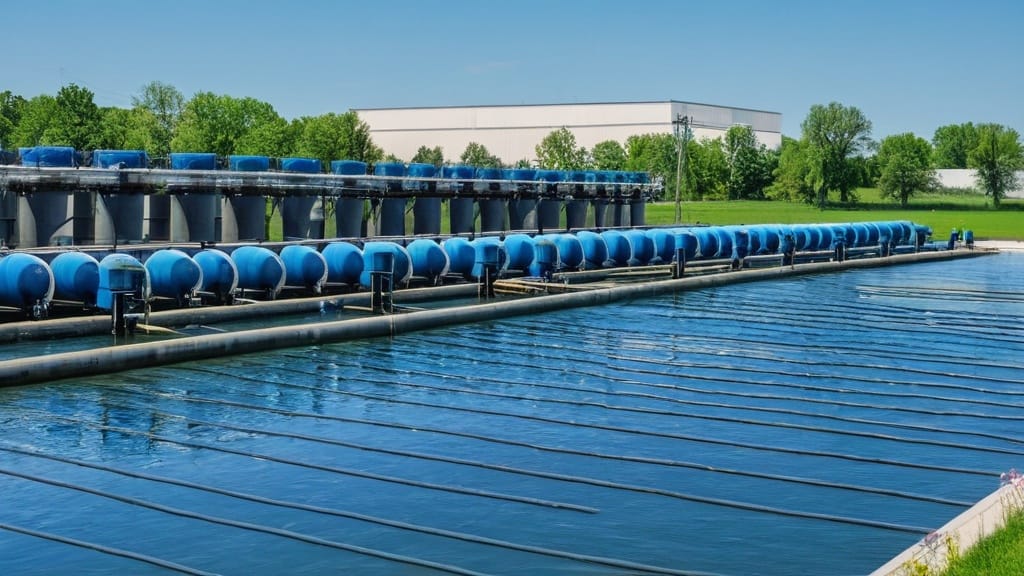
Elion’s approach to conducting the water balance audit involved several methodical steps designed to ensure comprehensive data collection and analysis. The first step was to establish a baseline understanding of current water usage across all facilities. This involved gathering historical data on water consumption, identifying sources of water supply, and mapping out the various processes that utilize water within the logistics centers.
By creating a detailed inventory of water use, Elion was able to pinpoint areas where consumption was highest and where potential savings could be realized. Following the data collection phase, Elion employed advanced analytical tools to assess the efficiency of water use across its operations. This included the use of flow meters and sensors to monitor real-time water usage, as well as software solutions that facilitated data analysis and visualization.
The audit team conducted site visits to observe operations firsthand, engaging with staff to understand their water-related practices and challenges. This qualitative data complemented the quantitative findings, providing a well-rounded view of water management within the organization.
Findings and Recommendations from the Audit
The findings from Elion’s water balance audit revealed several key insights into the company’s water usage patterns. One significant discovery was that certain processes were consuming more water than necessary due to outdated equipment or inefficient practices. For instance, some cleaning operations relied on high-pressure washing systems that used excessive amounts of water without effectively achieving cleanliness standards.
Additionally, the audit identified opportunities for rainwater harvesting and greywater recycling that had not been previously explored. Based on these findings, the audit team developed a series of recommendations aimed at enhancing water efficiency across Elion’s facilities. These included upgrading equipment to more efficient models, implementing best practices for water use in cleaning and maintenance operations, and investing in infrastructure for rainwater collection and reuse.
Furthermore, the audit emphasized the importance of employee training programs focused on water conservation techniques, ensuring that all staff members are equipped with the knowledge to contribute to more sustainable practices.
Implementation of Resource Planning Strategies Based on Audit Results
| Metric | Value | Unit | Notes |
|---|---|---|---|
| Total Water Input | 150,000 | Liters/Month | Includes municipal supply and rainwater harvesting |
| Water Used for Sanitation | 45,000 | Liters/Month | Toilets and washbasins |
| Water Used for Cooling Systems | 30,000 | Liters/Month | HVAC and refrigeration units |
| Water Used for Cleaning | 20,000 | Liters/Month | Facility and equipment cleaning |
| Water Lost to Evaporation | 10,000 | Liters/Month | Estimated losses from cooling towers |
| Water Recycled | 15,000 | Liters/Month | Greywater reuse for irrigation |
| Net Water Consumption | 120,000 | Liters/Month | Total input minus recycled water |
| Potential Water Savings | 25,000 | Liters/Month | Identified through efficiency improvements |
Following the completion of the audit, Elion moved swiftly to implement the recommended resource planning strategies. The company prioritized investments in technology upgrades that would facilitate more efficient water use. For example, replacing older cleaning equipment with modern, low-water-use alternatives not only reduced consumption but also improved cleaning effectiveness.
Additionally, Elion initiated pilot projects for rainwater harvesting systems at select facilities, allowing them to test the feasibility and benefits of such systems before broader implementation. Employee engagement was another critical component of the implementation process. Elion launched a series of workshops aimed at educating staff about the importance of water conservation and how they could contribute to these efforts in their daily tasks.
By fostering a culture of sustainability within the workforce, Elion ensured that resource planning strategies were not only top-down initiatives but also embraced by employees at all levels. This collaborative approach has been instrumental in driving meaningful change within the organization.
Benefits of Efficient Resource Planning for Logistics Centers
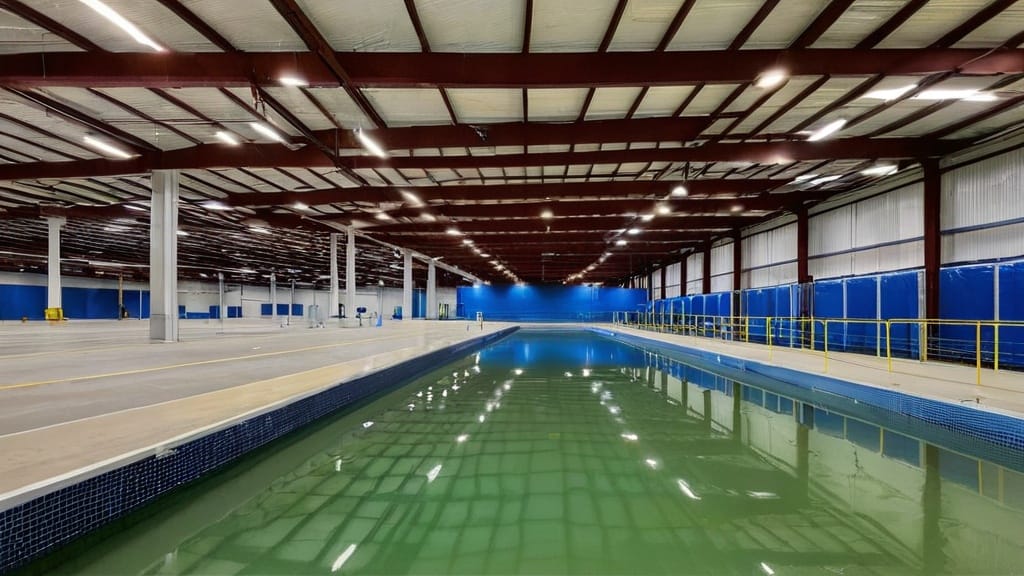
The benefits of efficient resource planning extend far beyond mere cost savings; they encompass environmental stewardship, regulatory compliance, and enhanced corporate reputation. For logistics centers like Elion, effective resource management leads to reduced operational costs through lower utility bills and minimized waste disposal fees. By optimizing water use, companies can also avoid potential fines associated with non-compliance with environmental regulations, which can be particularly stringent in regions facing water scarcity.
Moreover, adopting efficient resource planning practices enhances a company’s reputation among stakeholders, including customers, investors, and regulatory bodies. As consumers increasingly prioritize sustainability in their purchasing decisions, companies that demonstrate a commitment to responsible resource management are likely to gain a competitive edge. This positive perception can lead to increased customer loyalty and potentially open new markets that value sustainable practices.
Future Considerations for Sustainable Water Management in Logistics Centers
As Elion continues its journey toward sustainable logistics operations, several future considerations will shape its approach to water management. One critical area is the integration of smart technologies that enable real-time monitoring and analytics of water usage across facilities. By leveraging Internet of Things (IoT) devices and data analytics platforms, Elion can gain deeper insights into consumption patterns and identify anomalies that may indicate inefficiencies or leaks.
Additionally, collaboration with local governments and environmental organizations will be essential in addressing broader water management challenges within the communities where Elion operates. Engaging in partnerships can facilitate knowledge sharing and innovation in sustainable practices while also contributing to regional efforts aimed at preserving local water resources. As climate change continues to impact global water availability, proactive measures will be necessary to ensure that logistics centers can adapt to changing conditions while maintaining operational efficiency.
The Impact of Elion’s Water Balance Audit on Resource Planning in Logistics Centers
Elion’s comprehensive water balance audit has set a precedent for how logistics centers can approach resource planning with a focus on sustainability and efficiency. By systematically analyzing water usage and implementing targeted strategies for improvement, Elion has not only enhanced its operational performance but also reinforced its commitment to environmental stewardship. The insights gained from this audit will continue to inform future initiatives aimed at optimizing resource management across all facilities.
As other logistics companies observe Elion’s success in implementing efficient resource planning strategies based on audit findings, there is potential for a broader industry shift toward sustainable practices. The lessons learned from Elion’s experience underscore the importance of proactive resource management in navigating the complexities of modern logistics operations while addressing pressing environmental challenges. Through continued innovation and collaboration, logistics centers can play a pivotal role in promoting sustainable practices that benefit both their businesses and the communities they serve.
Elion recently conducted a facility water balance audit for a logistics center to support efficient resource planning, ensuring that water usage is optimized and waste is minimized. This initiative aligns with their commitment to sustainability and resource efficiency, similar to their recent efforts in energy management, as detailed in their article on an energy audit case study for a Bangalore manufacturer. For more information, you can read the article here.
For any queries about Safety Audit, contact Elion Technologies and Consulting Pvt. Ltd.— your trusted safety and compliance partner.
FAQs
What is a facility water balance audit?
A facility water balance audit is a systematic assessment of water usage within a facility. It involves measuring and analyzing all water inputs, outputs, and losses to identify opportunities for improving water efficiency and reducing waste.
Why was the water balance audit conducted at the logistics center?
The audit was conducted to support efficient resource planning by understanding the facility’s water consumption patterns. This helps in identifying areas where water use can be optimized, leading to cost savings and environmental benefits.
Who performed the water balance audit for the logistics center?
The water balance audit was conducted by Elion, a company specializing in resource management and sustainability services.
What are the benefits of conducting a water balance audit?
Benefits include improved water efficiency, reduced operational costs, enhanced sustainability, compliance with regulations, and informed decision-making for future resource planning.
What does efficient resource planning mean in the context of water use?
Efficient resource planning involves managing water consumption in a way that meets operational needs while minimizing waste and environmental impact. It includes strategies for conservation, reuse, and optimized water distribution.
How can the results of a water balance audit be used?
Results can be used to identify leaks, inefficient processes, and opportunities for water recycling. They also inform the development of water-saving initiatives and help set targets for reducing water consumption.
Is a water balance audit a one-time process or ongoing?
While a water balance audit can be conducted as a one-time assessment, it is often part of an ongoing water management strategy to continuously monitor and improve water use efficiency.
What types of facilities can benefit from a water balance audit?
Various facilities, including logistics centers, manufacturing plants, commercial buildings, and institutional campuses, can benefit from water balance audits to optimize their water use.
Does a water balance audit require specialized equipment?
Yes, conducting a water balance audit typically involves using flow meters, water quality sensors, and data analysis tools to accurately measure and assess water usage.
How does a water balance audit contribute to sustainability goals?
By identifying ways to reduce water consumption and waste, a water balance audit helps facilities lower their environmental footprint, conserve natural resources, and support broader sustainability initiatives.