
Elion’s Mock Drill Training program is a systematic safety initiative that develops emergency response capabilities in manufacturing facilities. Manufacturing environments present significant safety risks, including potential equipment malfunctions, chemical exposures, and fire hazards, making comprehensive emergency preparedness essential for worker protection and operational continuity. The program utilizes simulation-based training to replicate emergency conditions, enabling personnel to practice response procedures in controlled settings.
This methodology allows employees to develop practical skills and familiarity with emergency protocols before encountering actual incidents. The training addresses multiple emergency scenarios, including fire incidents, hazardous material releases, mechanical equipment failures, and natural disaster responses. Each training module is customized to address the specific operational characteristics and risk profiles of individual manufacturing facilities.
The program considers factors such as facility layout, equipment types, chemical inventories, and workforce size to ensure relevant and applicable training content. This facility-specific approach enhances training effectiveness by focusing on the most probable emergency scenarios and appropriate response procedures for each location. The training program serves as a critical component of comprehensive safety management systems in manufacturing operations, contributing to regulatory compliance and risk mitigation strategies.
For enhanced safety preparedness, consider enrolling your team in Mock Drill Training.
Key Takeaways
- Elion’s mock drill training is essential for enhancing emergency preparedness in manufacturing units.
- Proper planning and execution are critical for effective mock drill simulations.
- Conducting realistic emergency scenarios helps identify strengths and weaknesses in response strategies.
- Evaluating drill outcomes allows for targeted improvements in safety protocols.
- Implementing lessons learned from drills significantly boosts overall safety and readiness.
Importance of Mock Drill Training for Manufacturing Units
Mock drill training serves as a critical component in the safety framework of manufacturing units. The manufacturing sector is inherently fraught with risks, from heavy machinery operation to the handling of hazardous materials. A single oversight can lead to catastrophic consequences, not only for the employees involved but also for the organization as a whole.
Therefore, mock drills are essential for preparing employees to respond effectively in emergencies, minimizing the potential for injury and damage. Moreover, mock drills help to instill a sense of urgency and seriousness regarding safety protocols among employees. When workers participate in these drills, they gain firsthand experience in navigating emergency situations, which can significantly reduce panic and confusion during actual incidents.
This preparedness is crucial; studies have shown that organizations with regular mock drill training experience fewer accidents and injuries compared to those that do not prioritize such initiatives. By fostering a proactive safety culture, manufacturing units can protect their workforce and assets while also enhancing their overall operational efficiency.
Preparing for a Mock Drill: Planning and Execution
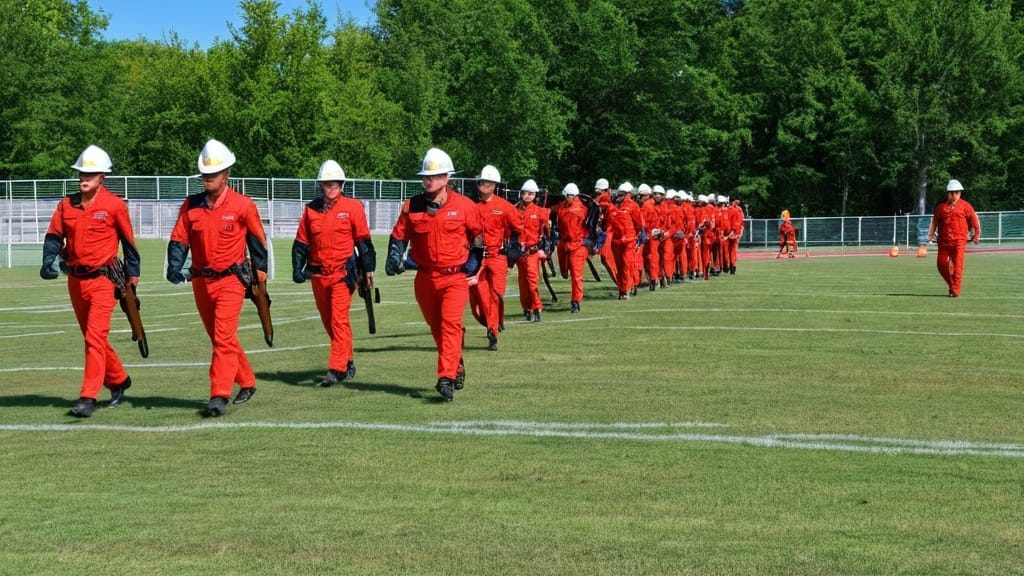
The preparation phase for a mock drill is as critical as the execution itself. It begins with a thorough assessment of the specific risks associated with the manufacturing unit. This involves identifying potential emergency scenarios that could arise based on the nature of operations, equipment used, and materials handled.
Engaging key stakeholders, including safety officers, management, and employees, is essential during this phase to ensure that all perspectives are considered in the planning process. Once potential scenarios are identified, detailed planning ensues. This includes establishing clear objectives for the drill, determining the roles and responsibilities of participants, and developing a timeline for execution.
Communication is paramount; all employees must be informed about the drill’s purpose and what is expected of them during the exercise. Additionally, logistical considerations such as securing necessary equipment, designating evacuation routes, and ensuring that emergency services are on standby must be addressed. A well-structured plan lays the foundation for a successful mock drill, ensuring that participants can focus on their roles without unnecessary distractions.
Conducting the Mock Drill: Simulating Emergency Situations
The execution of the mock drill is where theory meets practice. During this phase, participants are immersed in a simulated emergency scenario that closely mirrors potential real-life situations they may encounter in their workplace. For instance, if a chemical spill is one of the identified risks, the drill may involve creating a controlled environment where employees must respond to the spill by following established protocols—such as evacuating affected areas, notifying emergency response teams, and utilizing personal protective equipment.
Realism is key in conducting these drills; therefore, facilitators often employ various techniques to enhance the experience. This may include using sound effects to mimic alarms or incorporating actors to portray injured individuals requiring assistance. The goal is to create an environment that challenges participants to think critically and act decisively under pressure.
By simulating high-stress situations, employees can practice their responses in a safe setting, allowing them to build muscle memory that will serve them well in actual emergencies.
Evaluating the Mock Drill: Identifying Strengths and Areas for Improvement
| Metric | Details |
|---|---|
| Training Date | April 15, 2024 |
| Location | Manufacturing Unit, Sector 12 |
| Number of Participants | 50 Employees |
| Duration | 3 Hours |
| Types of Drills Conducted | Fire Evacuation, Chemical Spill Response, Equipment Shutdown |
| Trainer | Elion Safety Experts |
| Objective | Enhance Emergency Preparedness and Response Skills |
| Feedback Score | 4.7 / 5 |
| Follow-up Actions | Review and Update Safety Protocols, Schedule Next Drill in 6 Months |
After conducting a mock drill, it is imperative to evaluate its effectiveness thoroughly. This evaluation process involves gathering feedback from participants and observers to assess how well the drill met its objectives. Key performance indicators may include response times, adherence to safety protocols, and overall communication effectiveness during the exercise.
By analyzing these factors, organizations can identify both strengths and areas for improvement. Debriefing sessions play a crucial role in this evaluation phase. During these sessions, participants can share their experiences and insights regarding what worked well and what did not.
This open dialogue fosters a culture of continuous improvement and encourages employees to take ownership of their roles in emergency preparedness. Additionally, documenting lessons learned from each drill provides valuable data that can inform future training initiatives and enhance overall safety protocols within the manufacturing unit.
Implementing Learnings from the Mock Drill
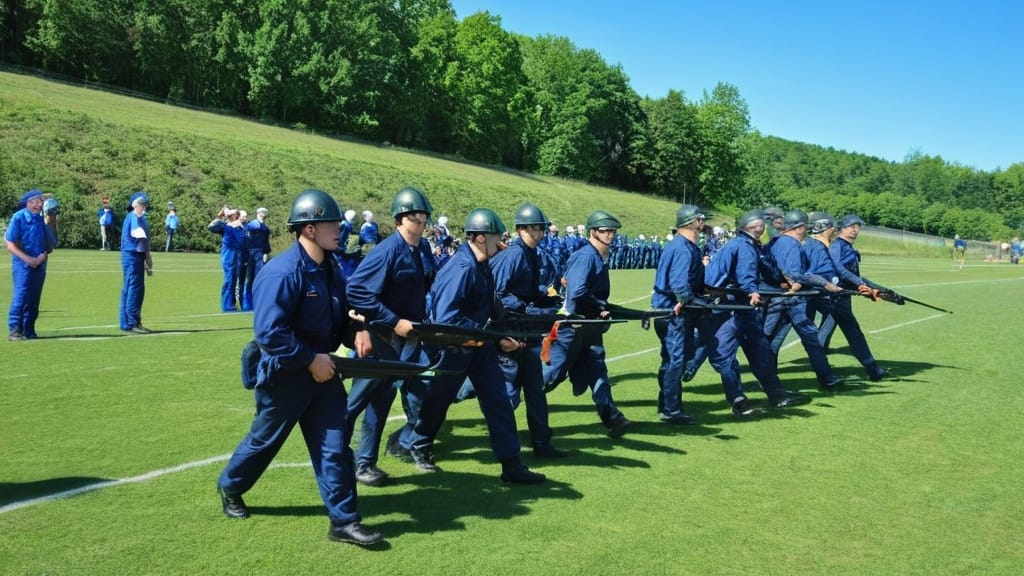
The insights gained from mock drills should not remain theoretical; they must be translated into actionable improvements within the organization. This implementation phase involves revisiting existing safety protocols and making necessary adjustments based on feedback from participants and evaluators. For instance, if a particular evacuation route was found to be ineffective during the drill, it may need to be revised or reinforced with additional signage or training.
Furthermore, ongoing training sessions should be scheduled to address any identified gaps in knowledge or skills among employees. This could involve refresher courses on emergency procedures or specialized training for specific roles within the emergency response team. By actively implementing learnings from mock drills, manufacturing units can create a dynamic safety culture that evolves alongside their operations and workforce.
Benefits of Mock Drill Training for Manufacturing Units
The benefits of mock drill training extend far beyond immediate safety improvements; they encompass a wide range of organizational advantages that contribute to overall operational success. One significant benefit is enhanced employee morale and confidence. When workers feel prepared to handle emergencies, they are more likely to approach their jobs with a sense of security and focus.
This increased confidence can lead to higher productivity levels and reduced absenteeism due to workplace-related stress. Additionally, regular mock drills can improve communication within teams and across departments. As employees practice coordinating their responses during emergencies, they develop stronger relationships and better understand each other’s roles within the organization.
This collaborative spirit can translate into improved teamwork during day-to-day operations as well. Furthermore, organizations that prioritize safety through mock drills often enjoy a positive reputation within their industry, attracting top talent and fostering customer trust.
The Role of Mock Drill Training in Ensuring Safety and Preparedness
In an era where workplace safety is paramount, Elion’s Mock Drill Training program stands out as an essential tool for manufacturing units striving for excellence in emergency preparedness. By simulating real-life scenarios and engaging employees in hands-on training, organizations can cultivate a culture of safety that permeates every level of operation. The importance of such training cannot be overstated; it not only protects employees but also safeguards organizational assets and enhances overall efficiency.
As manufacturing units continue to evolve in response to new challenges and technologies, mock drill training will remain a cornerstone of effective safety management strategies. By investing in this proactive approach to emergency preparedness, organizations can ensure that they are not only compliant with regulations but also equipped to handle any situation that may arise—ultimately leading to safer workplaces and more resilient operations.
Elion recently conducted a mock drill training for a manufacturing unit, emphasizing the importance of safety protocols and emergency preparedness in industrial settings. This initiative aligns with Elion’s commitment to enhancing safety standards across various sectors, as highlighted in a related article about an electrical safety inspection at a warehouse in Silchar, Assam, conducted by the Elion team. For more details, you can read the article here.
Need expert assistance with Mock Drill Training? Contact Elion Technologies and Consulting Pvt. Ltd. now.
FAQs
What is the purpose of the mock drill training conducted by Elion?
The mock drill training conducted by Elion aims to prepare employees and staff of the manufacturing unit for emergency situations by simulating real-life scenarios. This helps in assessing the readiness and effectiveness of safety protocols and emergency response plans.
Who participated in the mock drill training at the manufacturing unit?
The participants typically include employees, safety officers, emergency response teams, and management personnel of the manufacturing unit. External safety consultants or trainers may also be involved to oversee and evaluate the drill.
What types of emergencies are simulated during the mock drill?
Common emergencies simulated during such drills include fire outbreaks, chemical spills, equipment malfunctions, evacuation procedures, and medical emergencies. The specific scenarios depend on the nature of the manufacturing processes and associated risks.
How often does Elion conduct mock drill training for its manufacturing units?
The frequency of mock drill training varies depending on company policy and regulatory requirements. Generally, such drills are conducted annually or bi-annually to ensure continuous preparedness and compliance with safety standards.
What are the benefits of conducting mock drill training in a manufacturing unit?
Benefits include improved employee awareness and readiness, identification of gaps in emergency response plans, enhanced coordination among teams, compliance with safety regulations, and ultimately, the reduction of risks and potential damages during actual emergencies.
Does the mock drill training include evaluation and feedback?
Yes, after the drill, a thorough evaluation is conducted to assess the response effectiveness. Feedback is provided to participants, and recommendations are made to improve safety procedures and training programs.
Is participation in the mock drill mandatory for all employees?
Typically, participation is mandatory for all employees working in the manufacturing unit to ensure everyone is familiar with emergency protocols and can respond appropriately during real incidents.
How does Elion ensure the safety of participants during the mock drill?
Elion ensures safety by carefully planning the drill, using controlled scenarios, providing necessary protective equipment, and having medical and safety personnel on standby throughout the exercise.