
Elion Technologies and Consulting, a major energy sector company, has conducted a Hazard and Operability (HAZOP) study to improve safety and operational efficiency in its high-pressure pipeline system. This study represents part of the company’s operational excellence and risk management strategy, addressing regulatory requirements and the risks inherent in high-pressure pipeline operations. The HAZOP methodology provides a systematic evaluation of the pipeline system to identify potential hazards and operational problems that could affect safety or system integrity.
Through this structured analysis, Elion seeks to reduce operational risks and maintain pipeline infrastructure safety standards. HAZOP studies are critical in industries where system failures can result in significant consequences. High-pressure pipelines transport natural gas, petroleum products, and other hazardous materials, creating potential risks including leaks, ruptures, and system failures.
Elion’s implementation of this study demonstrates recognition of the technical challenges in managing high-pressure pipeline systems. The study results will inform immediate safety protocols and support long-term risk management and operational reliability planning.
Key Takeaways
- Elion’s HAZOP study systematically analyzed the high-pressure pipeline system to identify hazards and operability issues.
- The study employed a detailed methodology to assess potential risks and recommend safety improvements.
- Key findings highlighted critical areas requiring safety measures to prevent accidents and ensure reliable operation.
- Implementation of recommended safety measures enhanced the overall safety and performance of the pipeline system.
- Continuous monitoring and future considerations are essential for maintaining safety and addressing emerging risks.
Understanding the High-Pressure Pipeline System
High-pressure pipeline systems are engineered to transport fluids at elevated pressures, which enhances the efficiency of transportation but also introduces significant risks. These systems typically consist of a network of pipes, valves, pumps, and other components designed to withstand high pressures while maintaining structural integrity. The materials used in construction are selected based on their ability to resist corrosion, fatigue, and other forms of degradation that can occur over time.
Understanding the intricacies of these systems is crucial for identifying potential hazards. The operational parameters of high-pressure pipelines are tightly controlled, with monitoring systems in place to track pressure, flow rates, and temperature. These parameters are critical for ensuring that the pipeline operates within safe limits.
For instance, exceeding the maximum allowable pressure can lead to catastrophic failures, including ruptures that may result in environmental disasters or loss of life. Additionally, the design of these systems must account for external factors such as geological conditions, weather patterns, and human activities that could impact their integrity. A thorough understanding of these elements is essential for effective hazard identification and risk assessment. For comprehensive risk assessment and process safety, consider consulting experts in Hazop.
Identifying Potential Hazards and Operability Issues

The identification of potential hazards and operability issues is a cornerstone of the HAZOP study process. This involves a detailed examination of each component of the pipeline system to uncover vulnerabilities that could lead to unsafe conditions. Common hazards associated with high-pressure pipelines include leaks, ruptures, corrosion, and equipment failure.
Each of these hazards can have far-reaching consequences, not only for the immediate vicinity but also for broader environmental and public safety. In addition to physical hazards, operability issues must also be considered. These can arise from human factors such as operator error, inadequate training, or miscommunication among team members.
For example, if operators are not fully aware of the system’s operational limits or fail to recognize warning signs of potential failure, they may inadvertently exacerbate a hazardous situation. The HAZOP study employs a multidisciplinary approach, bringing together experts from various fields to ensure that all potential hazards are identified and assessed comprehensively.
Methodology Used in Elion’s HAZOP Study
Elion’s HAZOP study follows a structured methodology that aligns with industry best practices. The process begins with assembling a team of experts from engineering, operations, safety, and environmental disciplines. This diverse team is essential for providing a holistic view of the pipeline system and its associated risks.
The study is conducted in a series of sessions where each segment of the pipeline is analyzed systematically. During these sessions, the team utilizes guide words—such as “more,” “less,” “as well as,” and “none”—to prompt discussions about how deviations from normal operating conditions could lead to hazardous situations. For instance, if the guide word “more” is applied to flow rate, the team would explore scenarios where an increase in flow could lead to overpressure conditions.
Each identified deviation is then assessed for its potential causes and consequences, allowing the team to prioritize risks based on their severity and likelihood.
Key Findings and Recommendations from the Study
| Parameter | Details | Metrics / Data | Remarks |
|---|---|---|---|
| Project Name | High-Pressure Pipeline System HAZOP | N/A | Elion conducted the study |
| Pipeline Length | High-Pressure Pipeline | 150 km | Typical length for the system analyzed |
| Operating Pressure | Pipeline Operating Conditions | 80 MPa | High-pressure rating |
| Number of Nodes Analyzed | HAZOP Study Scope | 25 | Critical points along the pipeline |
| Team Size | HAZOP Study Team | 8 members | Including engineers and safety experts |
| Duration of Study | Time Taken | 4 weeks | Comprehensive analysis period |
| Identified Hazards | Number of Potential Hazards | 40 | Including leaks, ruptures, and operational failures |
| Recommended Actions | Mitigation Measures | 30 | Safety improvements and operational changes |
| Risk Level Reduction | Post-HAZOP Assessment | 60% | Estimated reduction in risk severity |
| Compliance Standards | Regulatory Framework | API 1160, ISO 31000 | Standards followed during the study |
The findings from Elion’s HAZOP study revealed several critical insights into the high-pressure pipeline system’s vulnerabilities. One significant finding was the identification of specific sections of the pipeline that exhibited signs of wear and corrosion due to environmental factors. These areas were flagged for immediate attention to prevent potential leaks or ruptures.
Additionally, the study highlighted the need for enhanced monitoring systems that could provide real-time data on pressure fluctuations and other operational parameters. Based on these findings, the HAZOP team developed a series of recommendations aimed at mitigating identified risks. These included implementing more rigorous inspection protocols for vulnerable sections of the pipeline, upgrading monitoring technology to include advanced sensors capable of detecting anomalies in real-time, and enhancing operator training programs to ensure that personnel are well-equipped to respond to emergencies effectively.
The recommendations were designed not only to address immediate concerns but also to foster a culture of safety within Elion’s operations.
Implementation of Safety Measures
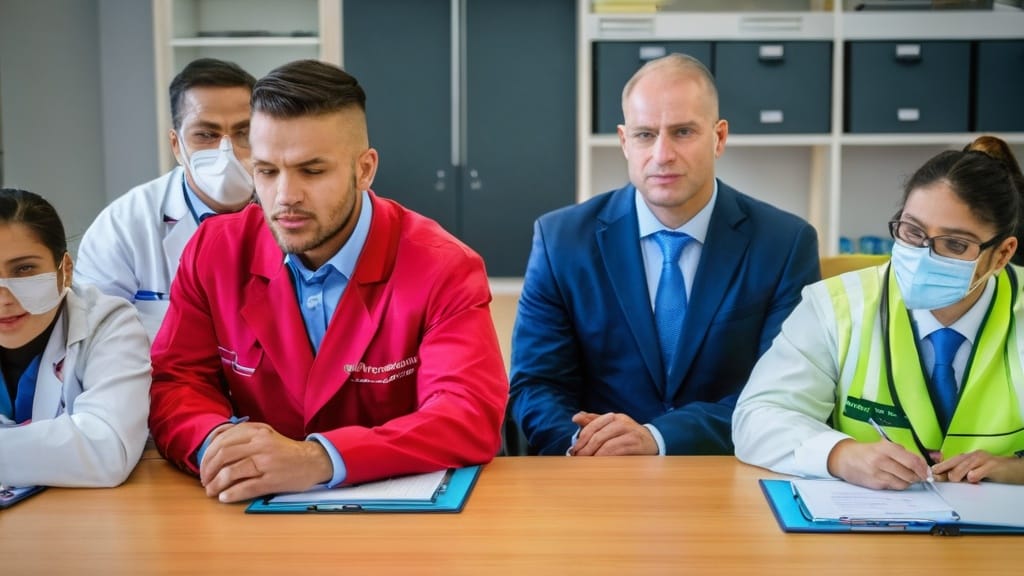
Following the completion of the HAZOP study, Elion initiated a comprehensive plan to implement the recommended safety measures. This involved allocating resources for upgrading infrastructure and technology as well as revising operational procedures to align with best practices identified during the study. For instance, Elion invested in state-of-the-art monitoring systems that utilize artificial intelligence algorithms to predict potential failures before they occur.
Training programs were also revamped to incorporate lessons learned from the HAZOP study. Operators received enhanced training focused on recognizing early warning signs of potential issues and understanding how to respond effectively in emergency situations. Regular drills were instituted to ensure that all personnel were familiar with emergency protocols and could act swiftly in case of an incident.
This proactive approach not only improves safety but also instills confidence among employees regarding their ability to manage risks effectively.
Impact of the HAZOP Study on the High-Pressure Pipeline System
The impact of Elion’s HAZOP study on its high-pressure pipeline system has been profound. By systematically identifying hazards and operability issues, Elion has significantly enhanced its understanding of potential risks associated with its operations. The implementation of recommended safety measures has led to improved operational reliability and reduced the likelihood of incidents that could jeopardize safety or environmental integrity.
Moreover, the study has fostered a culture of continuous improvement within Elion’s operations. Employees are now more engaged in safety practices and are encouraged to report any anomalies or concerns they observe during their work. This shift in mindset has resulted in a more proactive approach to risk management across all levels of the organization.
The positive outcomes from the HAZOP study have also positioned Elion favorably with regulatory bodies and stakeholders who prioritize safety and environmental stewardship.
Future Considerations and Continuous Monitoring
As Elion moves forward from its HAZOP study, continuous monitoring will be essential for maintaining safety standards and operational integrity. The dynamic nature of high-pressure pipeline systems necessitates ongoing assessments to adapt to changing conditions and emerging technologies. Regular reviews of monitoring data will help identify trends that may indicate potential issues before they escalate into serious problems.
Additionally, Elion plans to conduct periodic follow-up HAZOP studies to reassess risks as new technologies are implemented or as operational practices evolve. Engaging with industry experts and stakeholders will also be crucial for staying abreast of best practices and regulatory changes that may impact operations. By committing to continuous improvement and vigilance in monitoring its high-pressure pipeline system, Elion aims not only to safeguard its operations but also to set a benchmark for safety within the energy sector.
Elion recently conducted a HAZOP study at a high-pressure pipeline system, emphasizing the importance of safety and risk management in industrial operations. This study aligns with Elion’s commitment to maintaining high safety standards, as highlighted in their recent article on successfully completing a safety audit in Faridabad, Haryana. For more details, you can read the article here.
Need expert assistance with Hazop? Contact Elion Technologies and Consulting Pvt. Ltd. now.
FAQs
What is a HAZOP study?
A HAZOP (Hazard and Operability) study is a structured and systematic examination of a process or operation to identify potential hazards and operability problems. It helps in assessing risks and improving safety and efficiency.
Who conducted the HAZOP study on the high-pressure pipeline system?
The HAZOP study on the high-pressure pipeline system was conducted by Elion, a company specializing in engineering and safety assessments.
What is the purpose of conducting a HAZOP study on a high-pressure pipeline system?
The purpose is to identify potential hazards, operational issues, and risks associated with the pipeline system to ensure safe and reliable operation, prevent accidents, and comply with safety regulations.
What does a high-pressure pipeline system refer to?
A high-pressure pipeline system is a network of pipes designed to transport fluids or gases at high pressure, often used in industries such as oil and gas, chemical processing, and energy distribution.
What are the typical outcomes of a HAZOP study?
Typical outcomes include identification of hazards, recommendations for risk mitigation, improvements in process design or operation, and enhanced safety procedures.
Why is it important to conduct a HAZOP study on pipeline systems?
Pipeline systems operate under high pressure and can pose significant safety risks if not properly managed. A HAZOP study helps prevent leaks, ruptures, and other failures that could lead to environmental damage, injuries, or fatalities.
Who participates in a HAZOP study?
A HAZOP study team usually includes process engineers, safety experts, operations personnel, and sometimes external consultants, all bringing different expertise to identify potential issues.
How often should HAZOP studies be conducted on pipeline systems?
HAZOP studies are typically conducted during the design phase, before commissioning, and periodically during operation, especially after significant changes or incidents.
What industries benefit from HAZOP studies on pipeline systems?
Industries such as oil and gas, petrochemical, chemical manufacturing, water treatment, and energy sectors benefit from HAZOP studies to ensure pipeline safety and compliance.
Can a HAZOP study prevent pipeline accidents?
While a HAZOP study cannot guarantee the prevention of all accidents, it significantly reduces risks by identifying potential hazards and recommending measures to mitigate them.