
Elion’s Safety Audit Services have become essential for organizations aiming to improve their operational safety standards. The company delivers thorough assessments that identify potential hazards and provide practical solutions, demonstrating a dedication to creating safer workplaces. While Elion serves various industries, its specialized focus on the printing sector addresses the specific risks associated with large-scale printing operations.
The company combines industry expertise, regulatory knowledge, and advanced safety methodologies to help businesses exceed standard safety requirements. Safety audits are crucial, particularly in industries that utilize machinery and chemicals extensively. Elion specifically addresses the unique challenges facing printing presses, including mechanical hazards, chemical exposure risks, and ergonomic concerns.
Through detailed evaluations, Elion assists organizations in reducing these risks, creating healthier and safer working environments. This preventative approach not only protects employees but also improves productivity and operational efficiency, making safety audits a valuable investment for printing operations.
Key Takeaways
- Elion provides specialized safety audit services tailored for the printing industry.
- Large-scale printing presses pose unique safety challenges requiring thorough audits.
- Safety audits are critical to identifying risks and preventing accidents in printing operations.
- Elion’s audits include detailed assessments and actionable recommendations for improvement.
- Implementing audit recommendations leads to enhanced safety and operational efficiency.
Overview of the Large-Scale Printing Press
Large-scale printing presses are complex systems that integrate various technologies to produce high volumes of printed materials efficiently. These presses can range from traditional offset printing machines to modern digital presses, each with its own set of operational requirements and safety considerations. The scale of operations often necessitates the use of heavy machinery, which can pose significant risks if not properly managed.
Additionally, the printing process involves various chemicals, inks, and solvents that require careful handling to prevent exposure and environmental contamination. The operational dynamics of a large-scale printing press involve multiple stages, including pre-press preparation, printing, finishing, and distribution. Each stage presents unique challenges that can impact safety.
For instance, during the printing phase, workers may be exposed to high temperatures and moving parts, while the finishing stage may involve sharp tools and heavy lifting. Understanding these intricacies is crucial for conducting effective safety audits. Elion’s team of experts is well-versed in these operational nuances, allowing them to tailor their assessments to the specific needs of each printing facility. Please ensure your workplace complies with all regulations by scheduling a comprehensive Safety Audit today.
Importance of Safety Audits in the Printing Industry
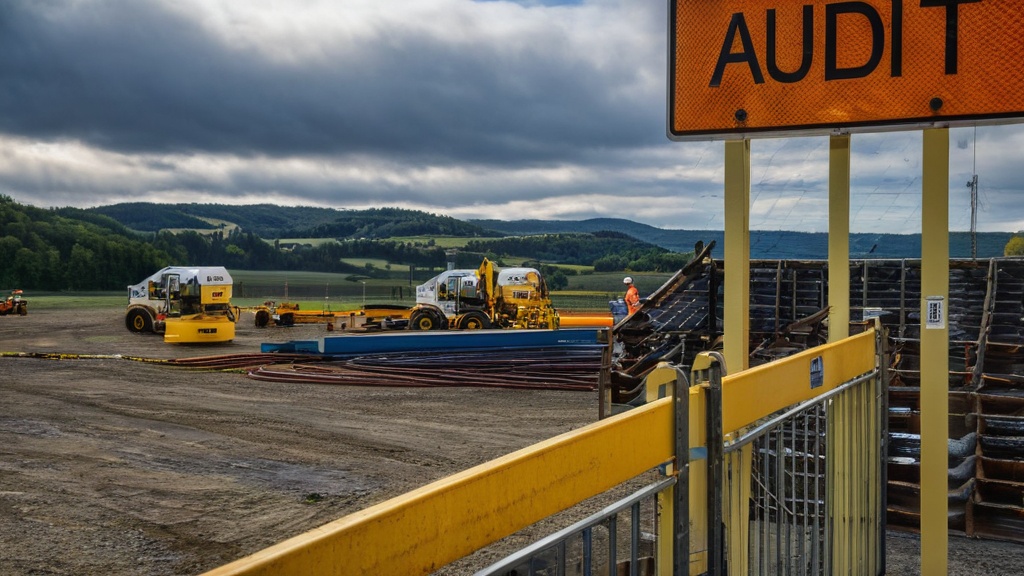
Safety audits play a pivotal role in the printing industry by systematically identifying hazards and evaluating compliance with safety regulations. The printing sector is characterized by its reliance on heavy machinery and potentially hazardous materials, making it imperative for organizations to maintain rigorous safety standards. Regular audits help ensure that companies are not only adhering to legal requirements but also fostering a culture of safety among employees.
This proactive approach can significantly reduce the likelihood of accidents and injuries, which can have devastating consequences for both workers and the organization. Moreover, safety audits contribute to operational efficiency by identifying areas where processes can be improved or streamlined. For example, an audit may reveal that certain workflows expose employees to unnecessary risks or that equipment is not being used optimally.
By addressing these issues, companies can enhance productivity while simultaneously safeguarding their workforce. Additionally, a strong safety record can improve a company’s reputation in the marketplace, attracting clients who prioritize responsible business practices. In an industry where competition is fierce, demonstrating a commitment to safety can be a significant differentiator.
Elion’s Approach to Conducting Safety Audits
Elion employs a systematic and comprehensive approach to conducting safety audits tailored specifically for the printing industry. The process begins with an initial consultation to understand the unique characteristics of the printing press in question. This includes assessing the types of machinery used, the materials handled, and the specific workflows in place.
By gathering this information upfront, Elion’s auditors can develop a customized audit plan that addresses the most pertinent safety concerns. During the audit itself, Elion utilizes a combination of observational assessments and employee interviews to gather data on current safety practices. Auditors examine equipment for compliance with safety standards, review safety protocols, and assess employee training programs.
This multifaceted approach ensures that all aspects of safety are considered, from physical hazards to organizational culture. Following the audit, Elion compiles a detailed report outlining findings and recommendations, providing clients with a clear roadmap for improving their safety practices.
Key Findings and Recommendations from the Safety Audit
| Audit Parameter | Details | Findings | Recommendations |
|---|---|---|---|
| Audit Date | March 15, 2024 | N/A | N/A |
| Location | Large-Scale Printing Press, City XYZ | N/A | N/A |
| Number of Employees Audited | 150 | N/A | N/A |
| Safety Compliance Score | 87% | Minor non-compliance in machine guarding | Install additional safety guards on printing machines |
| Fire Safety | Fire extinguishers and alarms checked | All equipment functional, but emergency exits partially blocked | Clear emergency exit pathways immediately |
| Personal Protective Equipment (PPE) Usage | Observed during audit | 90% compliance, some workers without gloves | Enforce mandatory PPE usage training |
| Electrical Safety | Inspection of wiring and equipment | One exposed wire found near control panel | Repair and insulate exposed wiring |
| Training Programs | Safety training sessions conducted | Regular sessions held quarterly | Increase frequency to monthly for high-risk areas |
| Overall Safety Rating | Good | Room for improvement in emergency preparedness | Conduct emergency drills bi-annually |
The findings from Elion’s safety audits often reveal critical insights into the operational practices of large-scale printing presses. Common issues identified may include inadequate machine guarding, insufficient training on chemical handling, or lack of proper personal protective equipment (PPE). For instance, an audit might uncover that certain machines lack appropriate safety guards, exposing operators to potential injuries from moving parts.
In such cases, Elion recommends immediate corrective actions, such as installing guards or implementing lockout/tagout procedures during maintenance. In addition to addressing immediate hazards, Elion’s recommendations often extend to enhancing overall safety culture within the organization. This may involve developing comprehensive training programs that educate employees about safe practices and emergency procedures.
Furthermore, establishing regular safety meetings can foster open communication about safety concerns and encourage employees to take an active role in maintaining a safe work environment. By implementing these recommendations, organizations can create a more robust safety framework that not only addresses current issues but also anticipates future challenges.
Implementation of Safety Measures at the Printing Press

Once Elion’s recommendations have been provided, the next step involves implementing the suggested safety measures at the printing press. This process requires collaboration between management and employees to ensure that changes are effectively integrated into daily operations. For example, if an audit identified inadequate PPE usage among workers, management might initiate a program to distribute appropriate gear while also conducting training sessions on its proper use.
Additionally, implementing new safety protocols may necessitate adjustments in workflows or equipment usage. For instance, if certain machines require additional guarding or modifications for safe operation, maintenance teams must be engaged to carry out these changes promptly. Communication is key during this phase; employees should be informed about new procedures and encouraged to provide feedback on their effectiveness.
By fostering an environment where safety is prioritized and valued, organizations can significantly reduce risks associated with large-scale printing operations.
Impact of the Safety Audit on the Printing Press Operations
The impact of Elion’s safety audit on printing press operations can be profound and multifaceted. One immediate effect is often a noticeable reduction in workplace accidents and incidents. By addressing identified hazards and implementing recommended measures, organizations can create a safer environment for their employees.
This not only protects workers but also minimizes downtime associated with accidents or injuries, leading to improved productivity. Furthermore, the implementation of enhanced safety measures can lead to increased employee morale and engagement. When workers feel safe in their environment and see that their employer is committed to their well-being, they are more likely to be motivated and productive.
This positive shift in workplace culture can translate into higher quality output and greater efficiency in operations. Additionally, as companies demonstrate their commitment to safety through improved practices and outcomes, they may find themselves more competitive in securing contracts with clients who prioritize responsible business practices.
Conclusion and Future Safety Considerations
As organizations in the printing industry continue to evolve and adapt to new technologies and market demands, ongoing attention to safety will remain paramount. The insights gained from Elion’s safety audits provide a foundation for continuous improvement in safety practices. However, it is essential for companies to recognize that safety is not a one-time effort but rather an ongoing commitment that requires regular reassessment and adaptation.
Looking ahead, organizations should consider integrating technology into their safety practices as part of their future strategy. Innovations such as real-time monitoring systems for machinery or digital training platforms can enhance safety measures further by providing immediate feedback and resources for employees. Additionally, fostering a culture of continuous learning around safety will empower employees at all levels to take ownership of their roles in maintaining a safe work environment.
By prioritizing these considerations, companies can ensure that they remain at the forefront of safety excellence in the ever-evolving landscape of the printing industry.
Elion recently conducted a comprehensive safety audit for a large-scale printing press, ensuring that all safety protocols were meticulously followed to protect both employees and equipment. This initiative aligns with our commitment to maintaining high safety standards across various industries. For further insights into our safety practices, you may find our article on the safety audit conducted for the Nagpur oil and gas industry particularly relevant, which can be accessed here.
Need expert assistance with safety audit? Contact Elion Technologies and Consulting Pvt. Ltd. now.
FAQs
What is the purpose of a safety audit in a large-scale printing press?
A safety audit aims to systematically evaluate the workplace environment, equipment, and procedures to identify potential hazards and ensure compliance with safety regulations. In a large-scale printing press, this helps prevent accidents, protect employees, and maintain operational efficiency.
Who conducted the safety audit for the large-scale printing press?
The safety audit was conducted by Elion, a company or organization specializing in safety assessments and audits.
What areas are typically examined during a safety audit in a printing press?
Areas examined usually include machinery safety, electrical systems, fire prevention measures, chemical handling, employee safety training, emergency procedures, and overall workplace ergonomics.
How often should safety audits be conducted in large-scale printing presses?
Safety audits are generally recommended to be conducted at least annually or more frequently depending on the size of the operation, regulatory requirements, and any changes in processes or equipment.
What are the benefits of conducting a safety audit in a printing press?
Benefits include identifying and mitigating risks, ensuring compliance with legal standards, reducing workplace accidents, improving employee safety awareness, and enhancing overall productivity.
What actions are taken after a safety audit is completed?
After the audit, a detailed report is prepared outlining findings and recommendations. The printing press management then implements corrective measures to address identified issues and improve safety protocols.
Is employee involvement important during a safety audit?
Yes, employee involvement is crucial as workers provide valuable insights into daily operations and potential hazards, and their cooperation helps ensure effective implementation of safety measures.
Does a safety audit cover environmental safety aspects in a printing press?
Yes, environmental safety such as proper waste disposal, chemical management, and pollution control are often part of the audit to ensure compliance with environmental regulations.
Can safety audits help reduce insurance costs for printing presses?
Yes, demonstrating a commitment to safety through regular audits can potentially lower insurance premiums by reducing the risk of accidents and claims.
Are safety audits mandatory for large-scale printing presses?
Requirements vary by jurisdiction, but many regions mandate regular safety audits or inspections for industrial operations, including printing presses, to ensure workplace safety compliance.