
Elion, a leader in renewable energy solutions, has established itself as a pioneer in thermography inspection services tailored specifically for solar plants. With the increasing reliance on solar energy as a sustainable power source, the need for effective monitoring and maintenance of solar installations has never been more critical. Thermography, or thermal imaging, is a non-invasive diagnostic tool that allows for the detection of temperature variations in electrical and mechanical systems.
By employing advanced infrared cameras, Elion can identify potential issues before they escalate into significant problems, ensuring optimal performance and longevity of solar assets. The significance of thermography inspection extends beyond mere maintenance; it plays a vital role in enhancing the overall efficiency of solar plants. As solar energy production is directly linked to the performance of photovoltaic (PV) panels and associated equipment, any inefficiencies can lead to substantial energy losses.
Elion’s thermography services are designed to provide comprehensive assessments that not only pinpoint existing issues but also offer insights into preventive measures. This proactive approach is essential in an industry where every percentage point of efficiency can translate into considerable financial returns. Visit From Thermography Test Procedure to Audit Report – Elion Sets the Benchmark
Key Takeaways
- Elion offers specialized thermography inspection services crucial for maintaining solar plant efficiency.
- Thermography inspection helps identify hidden faults and prevent potential failures in solar plants.
- The Rajasthan solar plant served as a case study demonstrating the effectiveness of Elion’s inspection methods.
- Key findings revealed critical hotspots and inefficiencies, enabling targeted maintenance actions.
- Implementing thermography inspections leads to improved solar plant performance and informs future maintenance strategies.
Importance of Thermography Inspection in Solar Plants
Thermography inspection is crucial for solar plants due to the unique operational challenges they face. Solar panels are exposed to various environmental conditions, including extreme temperatures, dust accumulation, and moisture ingress, all of which can adversely affect their performance. By utilizing thermographic technology, operators can detect hot spots, which are indicative of malfunctioning cells or connections within the solar array.
These anomalies can lead to reduced energy output and, if left unaddressed, may result in irreversible damage to the panels. Moreover, thermography inspections contribute significantly to safety protocols within solar facilities. Electrical components can overheat due to poor connections or component failures, posing fire hazards.
Regular thermal imaging allows for early detection of these risks, enabling timely interventions that safeguard both personnel and equipment. The ability to visualize temperature distributions across the solar plant not only enhances operational safety but also fosters a culture of preventive maintenance that is essential for long-term sustainability. For detailed information on thermal imaging technology, visit Thermography.
Overview of the Solar Plant in Rajasthan
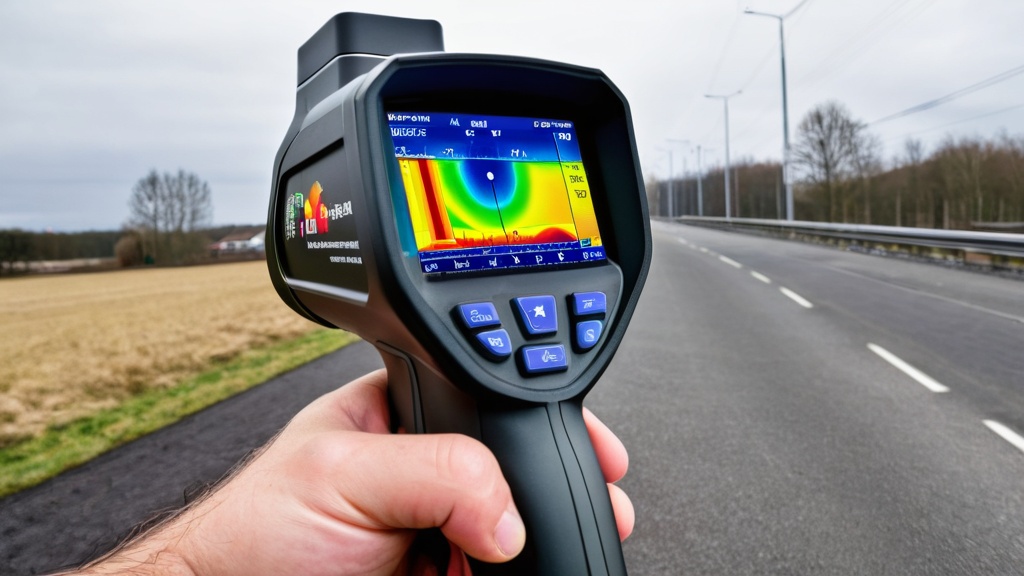
Rajasthan is home to one of the largest solar power plants in India, reflecting the region’s commitment to harnessing renewable energy. The plant spans several acres and features thousands of photovoltaic panels that convert sunlight into electricity. Given Rajasthan’s geographical advantages—ample sunlight and vast open spaces—the solar plant plays a pivotal role in meeting the energy demands of both local and national grids.
However, the harsh climatic conditions, including high temperatures and dust storms, pose significant challenges to the efficiency and reliability of solar operations. The scale of the Rajasthan solar plant necessitates rigorous monitoring and maintenance protocols to ensure optimal performance. With such a large number of PV modules in operation, even minor inefficiencies can lead to substantial energy losses.
Therefore, implementing advanced inspection techniques like thermography is essential for maintaining high operational standards. The plant’s management recognizes that regular thermographic assessments are integral to maximizing energy output while minimizing downtime and maintenance costs.
Elion’s Approach to Conducting Thermography Inspection
Elion employs a systematic approach to thermography inspection that begins with thorough planning and preparation. Before conducting inspections, Elion’s team assesses the specific requirements of the solar plant, taking into account factors such as layout, equipment types, and historical performance data. This preparatory phase ensures that the inspection process is tailored to the unique characteristics of the facility, allowing for a more effective evaluation.
During the inspection itself, Elion utilizes state-of-the-art infrared cameras equipped with high-resolution sensors capable of capturing minute temperature variations across the solar panels and associated electrical components. The team conducts a comprehensive scan of the entire facility, focusing on critical areas such as junction boxes, inverters, and connections between panels. The data collected is then analyzed using advanced software that generates detailed thermal maps highlighting areas of concern.
This meticulous approach not only identifies existing issues but also provides valuable insights into potential future problems.
Key Findings from the Thermography Inspection
| Parameter | Details |
|---|---|
| Project Name | Elion Thermography Inspection – Rajasthan Solar Plant |
| Location | Rajasthan, India |
| Inspection Type | Conducted Thermography Inspection |
| Date of Inspection | April 2024 |
| Number of Panels Inspected | 5,000+ |
| Key Metrics Monitored | Hotspots, Electrical Faults, Panel Degradation, Connection Issues |
| Inspection Technology | Infrared Thermal Imaging Cameras |
| Findings | Identified 2% panels with hotspots, 1.5% with connection faults |
| Recommended Actions | Panel replacement, connection repairs, preventive maintenance |
| Inspection Duration | 7 days |
| Inspection Team | Elion Certified Thermography Experts |
The thermography inspection conducted by Elion at the Rajasthan solar plant yielded several critical findings that underscore the importance of regular monitoring. One notable discovery was the presence of multiple hot spots on several PV modules, indicating localized overheating due to faulty connections or damaged cells. These hot spots can significantly reduce the efficiency of individual panels and compromise overall energy production.
Additionally, the inspection revealed several instances of thermal anomalies in junction boxes where electrical connections were found to be loose or corroded. Such issues can lead to increased resistance and heat generation, posing risks not only to the affected components but also to the entire system’s integrity. By identifying these problems early through thermographic analysis, Elion was able to recommend targeted maintenance actions that would mitigate risks and enhance performance. How Elion Delivers Reliable Thermography Service in India
Impact of Thermography Inspection on Solar Plant Performance
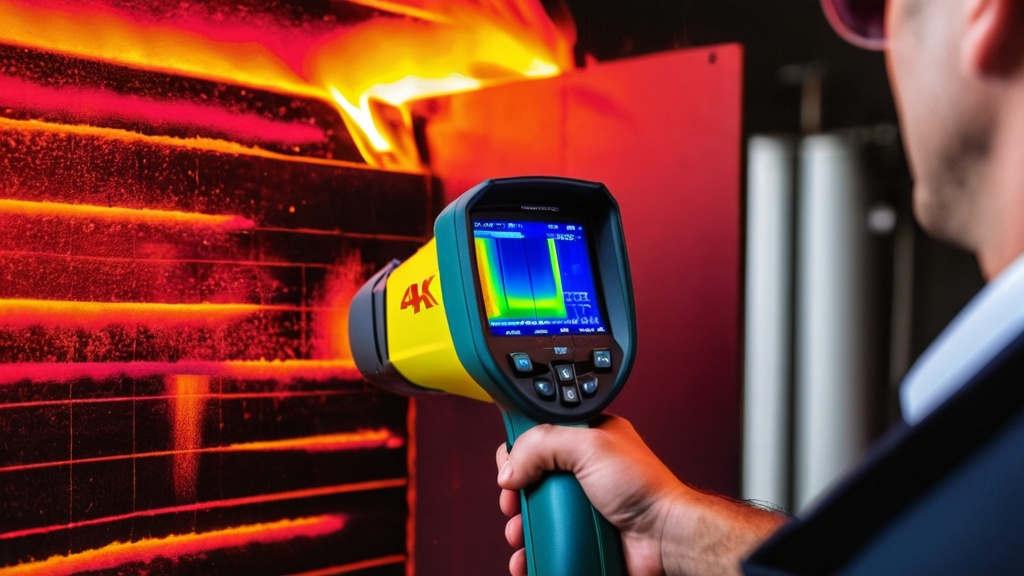
The impact of thermography inspection on the performance of the Rajasthan solar plant has been profound. By addressing the issues identified during inspections promptly, Elion has helped improve energy output significantly. For instance, rectifying faulty connections and replacing damaged PV modules resulted in an increase in overall efficiency by several percentage points—an achievement that translates directly into higher energy production and revenue generation.
Furthermore, regular thermographic assessments have fostered a culture of proactive maintenance within the facility. The management team has recognized the value of ongoing monitoring as a means to prevent future issues rather than merely reacting to them as they arise. This shift in mindset has led to more strategic planning regarding maintenance schedules and resource allocation, ultimately enhancing the plant’s operational reliability and reducing unexpected downtime.
Future Recommendations for Maintenance and Improvement
Based on the findings from the thermography inspection and ongoing performance evaluations, Elion has put forth several recommendations aimed at further enhancing the efficiency and reliability of the Rajasthan solar plant. One key suggestion is to implement a routine thermographic monitoring schedule that aligns with seasonal changes and environmental conditions. Regular inspections during peak sunlight months can help identify any emerging issues before they escalate into significant problems.
Additionally, investing in advanced monitoring technologies such as real-time thermal imaging systems could provide continuous oversight of panel performance. These systems can alert operators to temperature anomalies as they occur, allowing for immediate corrective actions. Training personnel on interpreting thermal data effectively will also empower them to make informed decisions regarding maintenance priorities.
Conclusion and Implications for the Solar Industry
The insights gained from Elion’s thermography inspection services at the Rajasthan solar plant highlight the critical role that advanced diagnostic tools play in optimizing solar energy production. As the global demand for renewable energy continues to rise, adopting proactive maintenance strategies will be essential for maximizing efficiency and ensuring long-term sustainability in solar operations. The findings from this case study serve as a valuable reference for other solar facilities seeking to enhance their performance through innovative inspection techniques.
In an industry where technological advancements are rapidly evolving, embracing methods like thermography will not only improve operational efficiency but also contribute to broader environmental goals by maximizing clean energy output. As stakeholders in the solar sector recognize the importance of regular monitoring and maintenance, it is likely that thermography will become an industry standard—paving the way for more resilient and efficient solar power systems worldwide.
Elion recently conducted a thermography inspection at a solar plant in Rajasthan, showcasing the importance of advanced thermal imaging technology in maintaining the efficiency and safety of solar energy systems. This inspection is part of a broader commitment to ensuring optimal performance in electrical systems, which is further explored in our article on Preventive vs Reactive Maintenance – Role of Thermography & Arc Flash Safety Audits. This resource delves into the methodologies and analyses that underpin effective electrical system management, highlighting the critical role of inspections like those performed at the solar plant.
Need expert assistance with Thermography? Contact Elion Technologies and Consulting Pvt. Ltd. now.
FAQs
What is thermography inspection?
Thermography inspection is a non-invasive diagnostic technique that uses infrared cameras to detect heat patterns and temperature variations in equipment or structures. It helps identify potential issues such as overheating, electrical faults, or mechanical wear.
Why is thermography inspection important for solar plants?
Thermography inspection is important for solar plants because it helps detect faulty solar panels, electrical connections, and other components before they lead to significant failures. This ensures optimal performance, safety, and longevity of the solar power system.
Who conducted the thermography inspection at the solar plant in Rajasthan?
The thermography inspection at the solar plant in Rajasthan was conducted by Elion, a company specializing in advanced inspection and maintenance services.
What are the benefits of conducting thermography inspections at solar plants?
Benefits include early detection of defects, prevention of equipment failure, improved energy efficiency, reduced downtime, and enhanced safety for maintenance personnel.
How often should thermography inspections be performed on solar plants?
The frequency of thermography inspections depends on the size and complexity of the solar plant, but typically, inspections are recommended annually or biannually to maintain optimal performance.
What types of issues can thermography detect in solar plants?
Thermography can detect issues such as hot spots on solar panels, faulty electrical connections, inverter malfunctions, and overheating components that may indicate potential failures.
Is thermography inspection safe for solar plant equipment?
Yes, thermography inspection is a safe, non-contact method that does not interfere with the operation of solar plant equipment.
Where is Rajasthan located, and why is it significant for solar energy?
Rajasthan is a state in northwestern India known for its high solar irradiance, making it an ideal location for solar power generation and large-scale solar plants.