
In recent years, the concept of eco-smart campuses has gained significant traction as educational institutions strive to align their operations with sustainable practices. An eco-smart campus is characterized by its commitment to environmental stewardship, resource efficiency, and the promotion of a culture of sustainability among students, faculty, and staff. These campuses are designed not only to minimize their ecological footprint but also to serve as living laboratories for sustainability education.
By integrating green technologies, sustainable building practices, and innovative waste management systems, eco-smart campuses aim to create a harmonious relationship between the built environment and the natural world. The rise of eco-smart campuses is driven by a growing awareness of climate change and environmental degradation. Educational institutions are uniquely positioned to lead the charge toward sustainability, as they can influence future generations through education and research.
By adopting eco-smart principles, campuses can reduce energy consumption, lower greenhouse gas emissions, and promote biodiversity. Furthermore, these initiatives often enhance the quality of life for students and staff, creating healthier and more engaging learning environments. As such, eco-smart campuses represent a critical step toward a more sustainable future, where education and environmental responsibility go hand in hand. For organizations aiming to improve sustainability, conducting a Green Audit is an essential step.
Key Takeaways
- Eco-smart campuses integrate sustainability into their infrastructure and operations to reduce environmental impact.
- Green audits are essential tools for assessing and improving campus sustainability practices.
- Elion plays a leading role in advocating and facilitating eco-smart initiatives across educational institutions.
- Conducting green audits involves systematic evaluation of energy use, waste management, and resource efficiency.
- Implementing audit recommendations leads to measurable improvements in campus sustainability and environmental performance.
The Importance of Green Audits in Driving Sustainability
Green audits play a pivotal role in advancing sustainability initiatives on campuses by providing a comprehensive assessment of environmental performance. These audits evaluate various aspects of campus operations, including energy use, water consumption, waste management, and transportation systems. By identifying areas for improvement, green audits serve as a foundation for developing targeted strategies that enhance sustainability efforts.
They not only highlight inefficiencies but also offer insights into best practices that can be adopted to foster a more sustainable campus environment. Moreover, green audits facilitate accountability and transparency within institutions. By publicly sharing audit results and sustainability goals, campuses can engage stakeholders—students, faculty, staff, and the surrounding community—in their sustainability journey.
This engagement fosters a sense of ownership and responsibility among all members of the campus community, encouraging them to participate actively in sustainability initiatives. The data collected during green audits can also be instrumental in securing funding for sustainability projects, as it provides concrete evidence of the institution’s commitment to reducing its environmental impact.
Elion’s Leadership in Promoting Eco-Smart Campuses
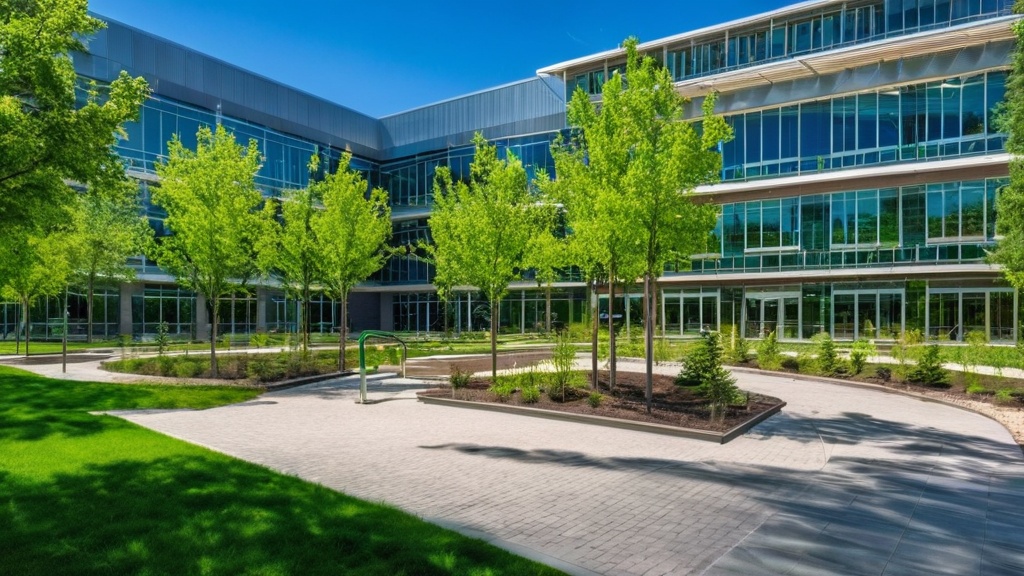
Elion has emerged as a leader in promoting eco-smart campuses through its innovative approaches to sustainability and environmental stewardship. The organization recognizes that educational institutions have a unique opportunity to model sustainable practices and inspire future leaders in environmental responsibility. Elion’s initiatives encompass a wide range of strategies aimed at transforming traditional campuses into eco-smart environments that prioritize sustainability.
One of Elion’s key contributions is its development of comprehensive sustainability frameworks tailored specifically for educational institutions. These frameworks provide guidelines for implementing green technologies, optimizing resource use, and fostering a culture of sustainability on campus. By collaborating with universities and colleges, Elion has successfully launched numerous projects that showcase the potential of eco-smart campuses.
For instance, Elion has partnered with institutions to install solar panels, implement rainwater harvesting systems, and create green spaces that enhance biodiversity while providing educational opportunities for students.
The Process of Conducting Green Audits
Conducting a green audit involves a systematic approach that encompasses several stages to ensure a thorough evaluation of campus sustainability practices. The first step typically involves establishing an audit team composed of diverse stakeholders from various departments within the institution. This team is responsible for defining the scope of the audit, identifying key performance indicators (KPIs), and determining the methodologies to be used in data collection.
Once the audit team is in place, data collection begins. This phase may involve gathering information on energy consumption patterns, water usage statistics, waste generation rates, and transportation habits among students and staff. Surveys and interviews can also be conducted to gain insights into the campus community’s perceptions of sustainability initiatives.
After data collection is complete, the audit team analyzes the findings to identify trends, strengths, and weaknesses in current practices. This analysis culminates in a comprehensive report that outlines recommendations for improvement and sets measurable goals for future sustainability efforts.
Key Findings and Recommendations from Green Audits
| Metric | Description | Elion’s Contribution | Impact on Campuses |
|---|---|---|---|
| Energy Consumption Reduction | Percentage decrease in energy use after green audits | Identified inefficient systems and recommended upgrades | Average 20% reduction in energy use across audited campuses |
| Water Usage Efficiency | Improvement in water conservation measures | Implemented water-saving technologies and practices | Up to 30% reduction in water consumption |
| Waste Management Improvement | Increase in recycling and waste diversion rates | Developed waste audit protocols and recycling programs | Waste diversion rates improved by 25% |
| Carbon Footprint Reduction | Decrease in greenhouse gas emissions | Promoted renewable energy adoption and efficiency measures | Average 15% reduction in campus carbon emissions |
| Green Certification Achievements | Number of campuses achieving sustainability certifications | Guided campuses through certification processes | 10+ campuses certified under recognized green standards |
| Stakeholder Engagement | Participation rate in sustainability initiatives | Organized workshops and awareness campaigns | Over 70% of campus community engaged in sustainability programs |
The findings from green audits often reveal critical insights into the environmental performance of campuses. Common areas of concern include high energy consumption due to outdated infrastructure, excessive water usage from inefficient fixtures, and inadequate waste management practices leading to increased landfill contributions. For instance, many campuses may discover that their energy consumption peaks during specific times of the day or year, indicating opportunities for demand-side management strategies.
Based on these findings, green audits typically provide actionable recommendations aimed at enhancing sustainability efforts. These may include upgrading lighting systems to energy-efficient LED technology, implementing smart building management systems that optimize heating and cooling based on occupancy patterns, or introducing comprehensive recycling programs that encourage waste reduction. Additionally, audits may suggest educational campaigns to raise awareness about sustainable practices among students and staff, fostering a culture of environmental responsibility throughout the campus community.
Implementing Sustainable Practices and Technologies
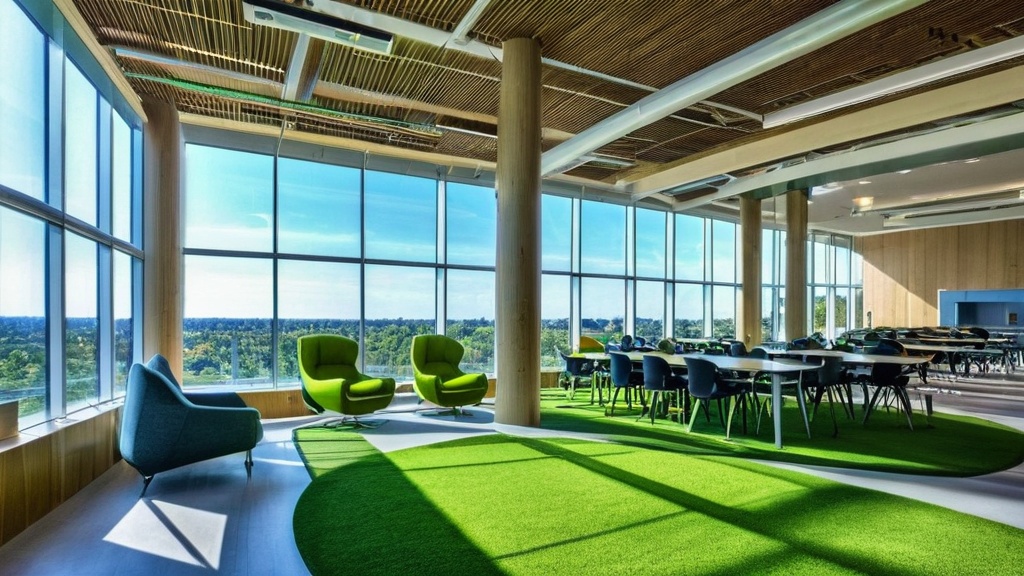
The implementation of sustainable practices and technologies is crucial for transforming audit recommendations into tangible outcomes on eco-smart campuses. This process often begins with prioritizing initiatives based on feasibility, cost-effectiveness, and potential impact on sustainability goals. For example, retrofitting existing buildings with energy-efficient systems may be prioritized over new construction projects due to lower upfront costs and quicker returns on investment.
One notable technology gaining traction on eco-smart campuses is renewable energy systems such as solar panels and wind turbines. By harnessing clean energy sources, campuses can significantly reduce their reliance on fossil fuels while lowering operational costs over time. Additionally, smart technologies such as energy management systems enable real-time monitoring of energy consumption patterns, allowing institutions to make data-driven decisions that enhance efficiency.
Water conservation measures are also essential components of sustainable practices on campuses. Implementing low-flow fixtures in restrooms and kitchens can lead to substantial reductions in water usage. Furthermore, rainwater harvesting systems can capture precipitation for irrigation purposes or non-potable uses within campus facilities.
These technologies not only conserve resources but also serve as educational tools for students learning about water management and conservation.
The Impact of Green Audits on Campus Sustainability
The impact of green audits extends far beyond mere compliance with environmental regulations; they catalyze meaningful change within campus communities. By providing a clear assessment of current practices and identifying areas for improvement, green audits empower institutions to take proactive steps toward enhancing their sustainability efforts. The resulting initiatives often lead to significant reductions in energy consumption, water usage, and waste generation.
Moreover, green audits foster collaboration among various departments within an institution. When stakeholders from facilities management, academic departments, student organizations, and administration come together to address sustainability challenges identified in audits, it creates a sense of shared responsibility for achieving common goals. This collaborative approach not only enhances the effectiveness of sustainability initiatives but also cultivates a culture of innovation where new ideas can flourish.
The positive outcomes resulting from green audits can also enhance an institution’s reputation within the broader community. As campuses demonstrate their commitment to sustainability through measurable improvements in environmental performance, they attract prospective students who prioritize eco-friendly practices in their choice of educational institutions. Additionally, partnerships with local businesses and organizations focused on sustainability can further amplify the impact of green audits by fostering community engagement and collaboration.
Future Outlook for Eco-Smart Campuses and Elion’s Role
Looking ahead, the future of eco-smart campuses appears promising as more institutions recognize the importance of sustainability in their operations and educational missions. The increasing urgency surrounding climate change and environmental degradation will likely drive further investment in sustainable practices across higher education institutions worldwide. As technology continues to evolve, new solutions will emerge that enable campuses to enhance their sustainability efforts even further.
Elion is poised to play a pivotal role in this evolving landscape by continuing to provide leadership and support for eco-smart initiatives on campuses. Through ongoing research and development efforts focused on innovative technologies and best practices in sustainability, Elion can help institutions navigate the complexities of implementing effective solutions tailored to their unique needs. Furthermore, as educational institutions increasingly seek partnerships with organizations like Elion to advance their sustainability goals, collaborative efforts will become essential in driving systemic change across higher education.
By leveraging its expertise in conducting green audits and implementing sustainable practices, Elion can empower campuses to become leaders in environmental stewardship while inspiring future generations to prioritize sustainability in their personal and professional lives. In conclusion, eco-smart campuses represent a vital movement toward integrating sustainability into higher education. Through comprehensive green audits and the implementation of innovative practices and technologies, institutions can significantly reduce their environmental impact while fostering a culture of responsibility among students and staff alike.
As leaders like Elion continue to champion these initiatives, the potential for transformative change within educational environments becomes increasingly attainable.
In the pursuit of creating Eco-Smart Campuses, Elion plays a pivotal role in driving sustainability through green audits, as highlighted in the article “Eco-Smart Campuses: Elion’s Role in Driving Sustainability Through Green Audits.” This initiative aligns with Elion’s broader commitment to environmental responsibility, which is further exemplified by their recent work in conducting a comprehensive energy study at a paper mill in Bhopal, Madhya Pradesh. For more insights on this topic, you can read the related article here.
FAQs
What is an eco-smart campus?
An eco-smart campus is a university or college campus that integrates sustainable practices into its operations, infrastructure, and culture to minimize environmental impact and promote resource efficiency.
What are green audits in the context of campuses?
Green audits are systematic evaluations of a campus’s environmental performance, including energy use, water consumption, waste management, and carbon footprint, aimed at identifying areas for improvement and promoting sustainability.
Who is Elion and what role do they play in sustainability?
Elion is a company specializing in environmental services and sustainability solutions. They assist educational institutions by conducting green audits and implementing strategies to enhance campus sustainability.
How do green audits contribute to sustainability on campuses?
Green audits help campuses identify inefficiencies and environmental impacts, enabling them to develop targeted action plans to reduce energy consumption, waste, and emissions, thereby advancing sustainability goals.
What are some common areas assessed during a green audit on a campus?
Common areas include energy usage, water management, waste generation and recycling, transportation, procurement practices, and the overall carbon footprint of campus activities.
Can green audits lead to cost savings for campuses?
Yes, by identifying inefficiencies and recommending improvements, green audits can help campuses reduce utility bills, waste disposal costs, and operational expenses while promoting environmental responsibility.
How often should a campus conduct green audits?
It is recommended that campuses conduct green audits regularly, such as annually or biennially, to monitor progress, update sustainability strategies, and ensure continuous improvement.
What benefits do students and staff gain from eco-smart campuses?
Students and staff benefit from healthier environments, increased awareness of sustainability issues, opportunities for hands-on learning, and participation in initiatives that contribute to global environmental goals.
Are there any certifications or recognitions for eco-smart campuses?
Yes, campuses can pursue certifications such as LEED (Leadership in Energy and Environmental Design), STARS (Sustainability Tracking, Assessment & Rating System), and other green building or sustainability awards.
How can other institutions implement similar sustainability initiatives?
Institutions can start by conducting green audits, engaging stakeholders, setting clear sustainability goals, investing in energy-efficient technologies, promoting waste reduction, and partnering with experts like Elion for guidance.