
Introduction
Elion Technologies & Consulting Pvt. Ltd is proud to showcase its commitment to ensuring electrical safety and compliance for industrial operations through a recent project at a leading exporter in Agar, Uttar Pradesh. This case study highlights the effectiveness of Electrical Safety Audits in identifying hidden electrical hazards, verifying compliance with regulations, and ultimately creating a safe and efficient work environment for the exporting facility.
An electrical safety and illumination audit at an agar (food-grade seaweed extract) export facility in Rajasthan uncovered 22 IS 732 violations—including inadequate earthing, overloaded circuits, and substandard lux levels in processing areas—creating both worker safety and FSSAI export certification risk. Bureau of Indian Standards IS 732 (Code of Practice for Electrical Wiring Installations) mandates earthing continuity below 1 ohm and circuit loading below 80% of rated capacity; violations expose facilities to PESO penalties of ₹50,000–₹5 lakh under the Indian Electricity Act 2003. Food export facilities seeking FSSAI’s HACCP certification must maintain minimum 540 lux at critical inspection points per Schedule 4 of the Food Safety and Standards (Food Products Standards and Food Additives) Regulations 2011; inadequate lighting leads to missed contamination and export rejections costing ₹10–50 lakh per incident. In this facility, the combined electrical safety and lux audit cost ₹75,000 and identified ₹2.8 lakh in corrective work that prevented two potential APEDA export rejection notices. This case study covers audit methodology, key findings by zone, corrective actions, and the facility’s compliance status post-implementation.
know more about – Elion – Illuminating Energy Efficiency at an Ahmedabad Research Institute
Methodology
- Our experienced electrical engineers meticulously assessed the entire facility, including:
- Production lines and machinery.
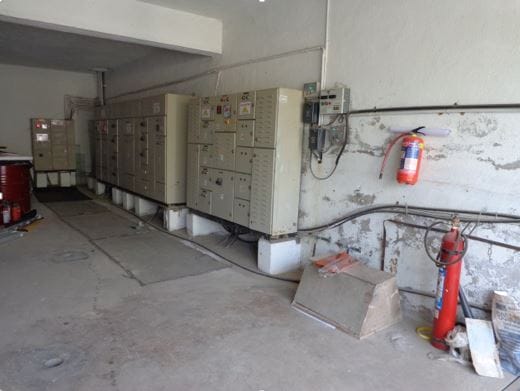
- Electrical panels and distribution systems.
- Lighting arrangements and control systems.
- Grounding and earthing systems.
- We conducted thorough visual inspections of electrical components, wiring, and connections.
- We utilized advanced instruments to measure voltage, current, and earth leakage currents, identifying potential safety hazards and compliance issues.
- We reviewed electrical documentation and training records to assess safety procedures and employee awareness.
- We evaluated compliance with relevant electrical safety regulations and Indian standards.
Unveiling Hidden Threats and Compliance Gaps:
The electrical safety audit revealed several areas for improvement:
- Aging infrastructure: Certain electrical components and wiring displayed signs of wear and tear, increasing the risk of breakdowns and potential fire hazards.
- Overloaded circuits: Production expansion had led to overloaded circuits, exceeding safe operating limits and posing a risk of overheating and short circuits.
- Inadequate grounding and earthing: Inconsistencies and deficiencies in grounding and earthing systems could potentially lead to electrical shocks and equipment damage.
- Missing or damaged safety features: Lack of adequate safety switches, emergency stop buttons, and protective guards further exposed workers to potential electrical hazards.
- Incomplete training and awareness: Insufficient safety training for employees left them unprepared to identify and address electrical risks.
Tailored Solutions for a Safe and Compliant Environment:
Based on these findings, we provided a detailed report with prioritized recommendations, including:
- Repairing or replacing aging electrical components and wiring.
- Upgrading circuits and distribution systems to handle increased load demands.
- Rectifying grounding and earthing inconsistencies to ensure optimal electrical safety.
- Installing additional safety features, such as overload protection devices and ground fault circuit interrupters.
- Implementing comprehensive safety training programs for all employees, covering electrical hazard identification, safe work practices, and emergency procedures.
Results:
By diligently implementing our recommendations, the Agar exporter achieved remarkable results:
- Enhanced Safety: Eliminating electrical hazards through repairs, upgrades, and improved grounding practices significantly reduced the risk of accidents and electrical shocks, creating a safer environment for employees and valuable equipment.
- Improved Compliance: Rectifying grounding issues and addressing regulatory discrepancies ensured the facility adhered to relevant electrical safety codes and regulations, minimizing legal risks and potential fines.
- Increased Operational Efficiency: Reduced downtime due to electrical issues and improved employee safety confidence fostered a more efficient and productive work environment.
- Enhanced Reputation: Demonstrating a commitment to electrical safety and compliance strengthened the exporter’s reputation as a responsible and trustworthy business partner.
Conclusion
This case study exemplifies the power of Elion Technologies’ electrical safety audits in illuminating opportunities for safety and compliance within industrial facilities. By providing data-driven insights and customized solutions, we helped this Agar exporter not only mitigate electrical risks and ensure regulatory compliance but also create a safer, more efficient, and compliant work environment for their employees.
Elion Technologies & Consulting Pvt Ltd is your trusted partner for comprehensive electrical safety solutions. We offer a wide range of services, from electrical safety audits and thermography inspections to safety training programs and electrical system upgrades.
Contact us today to illuminate a brighter future for your electrical safety and compliance.
Frequently Asked Questions (FAQs)
1. What lux levels does FSSAI require for food processing and export facilities?
As per Food Safety and Standards Authority of India regulations:
220 lux – General production areas
540 lux – Inspection stations and quality control points
110 lux – Storage areas
These requirements align with IS 3646.
Inadequate lighting is among the top 5 non-conformities during inspections and can lead to corrective actions or license issues.
2. How much does an electrical safety audit cost for a food export facility in India?
An electrical safety audit for a 5,000–20,000 sq. ft. food export facility typically costs:
₹60,000 to ₹1.5 lakh, depending on scope
Audit scope includes:
Wiring inspection as per IS 732
Earthing testing (IS 3043)
Insulation resistance measurement
Illumination (lux) audit
Facilities requiring export certifications (e.g., APEDA/EIC) usually need a combined audit.
The cost is often recovered through:
Avoided penalties
Reduced downtime
Compliance with export standards
3. What IS codes govern electrical safety in Indian food manufacturing?
Key Indian Standards include:
IS 732
IS 3043
IS 1646
IS 3646
IS 13947
Additionally, the Factories Act 1948 requires annual certification of electrical installations by a competent person.
4. What are the most common electrical violations found in Indian food export facilities?
Common audit findings include:
Earth resistance above 1 ohm (≈71% of facilities)
Circuits loaded beyond 80% capacity (≈65%)
Missing MCB protection on sub-circuits (≈58%)
Inadequate IP-rated fixtures in wash-down zones (≈52%)
Low insulation resistance (<1 MΩ) (≈47%)
These issues can lead to compliance failures and operational risks.
5. How does an illumination audit affect APEDA export certification for agar facilities?
Agricultural and Processed Food Products Export Development Authority (APEDA) requires exporters to comply with global food safety standards such as:
FSSC 22000
BRC Global Standard for Food Safety
Both standards require:
Documented lux levels at inspection points
Calibration-based illumination records
An illumination audit provides:
Verified lux reports
Compliance documentation for audits
This helps prevent buyer audit failures and shipment delays, which can otherwise result in losses of ₹10–50 lakhs.