
Introduction
Elion Technologies & Consulting Pvt. Ltd is proud to showcase its commitment to proactive safety and operational excellence through a recent project at a leading FMCG company in Greater Noida, Uttar Pradesh. This case study highlights the effectiveness of a combined Electrical Audit with Thermography in identifying hidden electrical hazards, optimizing energy consumption, and ultimately creating a safe and efficient production environment for the company.
A combined energy and electrical safety audit at a large FMCG manufacturing facility in Greater Noida’s industrial cluster identified 32% in avoidable energy consumption—worth ₹58 lakh annually—alongside 24 IS 732 electrical safety violations that created both production risk and regulatory exposure under the Energy Conservation Act 2001 and UP Electricity Supply Code. FMCG manufacturing is among India’s top 10 energy-intensive sectors; BEE benchmarks identify packaging lines, refrigeration, compressed air, and illumination as the four highest-impact energy reduction opportunities in FMCG plants, collectively accounting for 65–75% of total electrical load. This Greater Noida facility, with an installed capacity of 2.5 MW and annual electricity spend of ₹1.82 crore, was consuming 28% above the BEE sector benchmark for FMCG processing—a gap identified and quantified during the Level-2 energy audit (IS 14927). The combined audit cost ₹2.4 lakh and identified ₹58 lakh in annual savings through VFD installation on major drives, LED retrofit of 6,000 sq.ft. production floor, and compressed air system overhaul—with total capital investment of ₹38 lakh delivering a 7-month payback period.
“BEE’s Annual Report (2022-23) shows FMCG and food processing sectors in India consumed 45 billion kWh annually, with energy cost at 8–15% of total operating expenditure; plants implementing BEE-recommended energy conservation measures reduced their energy cost share by 3–5%, worth ₹1.2–2.8 crore annually for a ₹200 crore revenue FMCG facility.”
Know more about – Elion – Illuminating Energy Efficiency at an Ahmedabad Research Institute
Methodology
- Our experienced electrical engineers and certified thermographers meticulously assessed the entire facility, including:
- Production lines and machinery.
- Electrical panels and distribution systems.
- Lighting arrangements and control systems.
- Grounding and earthing systems.
- We conducted thorough visual inspections of electrical components, wiring, and connections.
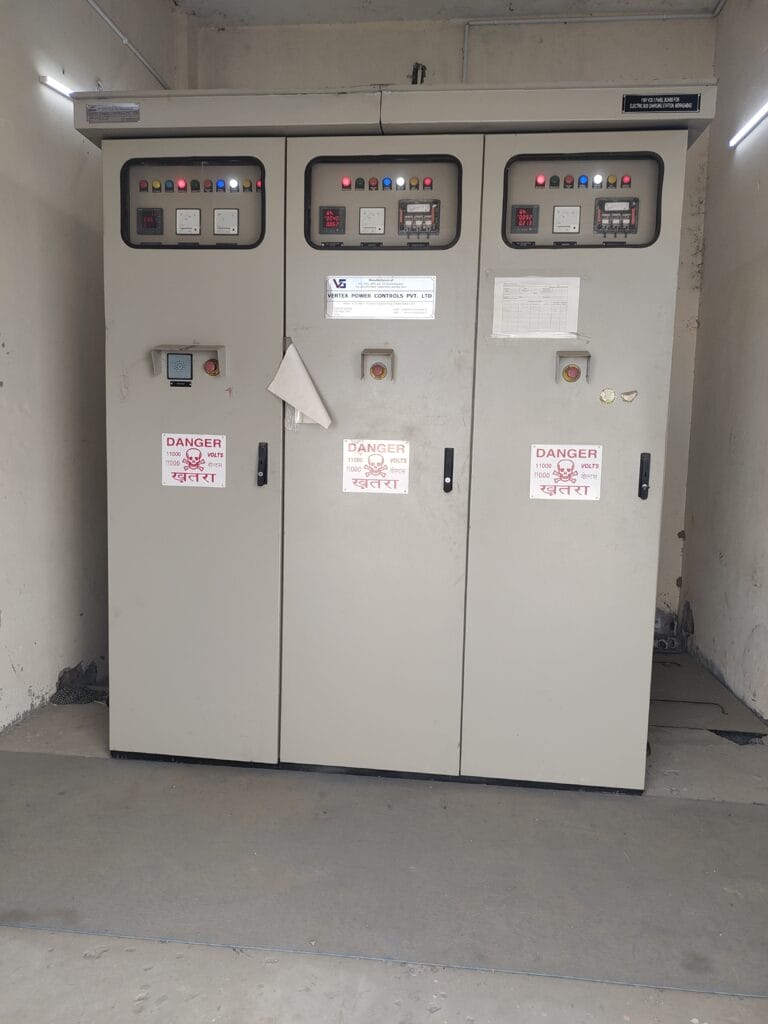
- We utilized advanced thermal imaging cameras to capture temperature variations across electrical equipment, revealing potential overheating and malfunctioning components.
- We analyzed the data from both the visual inspection and thermography to identify potential hazards, inefficiencies, and non-compliance with electrical safety regulations.
Unveiling Hidden Threats and Inefficiencies:
The combined audit revealed several crucial findings:
- Overheating connections: Thermography identified loose or overloaded connections generating excessive heat, posing a significant fire risk and potential equipment damage.
- Inefficient lighting: Traditional lighting arrangements consumed excessive energy and produced unnecessary heat, impacting both operational costs and comfort levels.
- Aging infrastructure: Certain electrical components displayed signs of wear and tear, increasing the risk of breakdowns and safety hazards.
- Grounding inconsistencies: Minor discrepancies in grounding and earthing systems potentially compromised electrical safety and equipment protection.
Tailored Solutions for Safety and Efficiency:
Based on these findings, we provided a detailed report with prioritized recommendations, including:
- Repairing or replacing faulty and overheating electrical connections.
- Upgrading to energy-efficient LED lighting systems with occupancy sensors and dimming controls.
- Replacing aging equipment with newer, safer models.
- Rectifying grounding inconsistencies to ensure optimal electrical safety.
- Implementing preventive maintenance programs and thermal imaging inspections for early detection of potential issues.
Results:
By diligently implementing our recommendations, the Greater Noida FMCG company achieved remarkable results:
- Enhanced Safety: Eliminating electrical hazards through repairs, upgrades, and improved grounding practices significantly reduced the risk of fire incidents and electrical accidents, creating a safer environment for employees and valuable equipment.
- Reduced Energy Costs: Upgraded lighting systems and optimized electrical operations led to substantial energy savings, lowering operational costs and minimizing the company’s environmental footprint.
- Improved Operational Efficiency: Replacing aging equipment and addressing inefficiencies minimized downtime and boosted production line performance.
- Enhanced Compliance: Rectifying grounding issues and addressing regulatory discrepancies ensured the facility adhered to relevant electrical safety codes and regulations.
Conclusion
This case study exemplifies the power of Elion Technologies’ combined electrical audit and thermography approach in illuminating efficiencies and safety within industrial facilities. By providing data-driven insights and customized solutions, we helped this Greater Noida FMCG giant not only mitigate electrical risks and optimize energy consumption but also create a safer and more productive work environment for their employees.
Elion Technologies & Consulting Pvt. Ltd is your trusted partner for comprehensive electrical safety and optimization solutions. We offer a wide range of services, from electrical audits and thermography inspections to energy management solutions and preventive maintenance programs.
Contact us today to illuminate a brighter future for your safety, efficiency, and sustainability.
Frequently Asked Questions (FAQs)
1. What is the BEE energy benchmark for FMCG manufacturing plants in India?
According to Bureau of Energy Efficiency Energy Performance Indicators (EPIs):
Food Processing: 80–120 kWh/tonne of product
Beverage Manufacturing: 50–80 kWh/tonne
Personal Care Products: 100–160 kWh/tonne
Plants operating more than 20% above these benchmarks are classified as energy-intensive and may be prioritised under the Perform Achieve Trade Scheme.
For example, FMCG plants in packaged food manufacturing should target <100 kWh/tonne to achieve higher efficiency ratings.
2. How much does a Level-2 energy audit cost for an FMCG plant?
Typical cost for a BEE Level-2 energy audit:
₹1.5 lakh to ₹4 lakh for plants with 1–5 MW connected load
Scope includes:
Detailed metering and load profiling
Motor load surveys
Compressed air leak detection
Refrigeration system performance analysis
Power quality assessment
Compared to Level-1 audits (₹50,000–₹1 lakh), Level-2 audits provide actionable engineering data.
For PAT-designated plants, audits must be conducted by BEE-accredited auditors and support compliance with state regulators like Uttar Pradesh Electricity Regulatory Commission.
3. What VFD savings are realistic for FMCG manufacturing equipment in India?
Installing Variable Frequency Drives (VFDs) can deliver significant savings:
Conveyor systems: 20–35% energy reduction
Packaging lines: 15–30% savings
Air handling units (AHUs): 25–45% savings
Refrigeration compressors: 15–25% savings
Example:
A 2.5 MW facility with 60% motor load
Investment: ₹15–25 lakh
Savings: ₹18–35 lakh annually
Typical payback period: 6–14 months.
4. What electrical safety risks are specific to FMCG manufacturing in India?
Common risks in FMCG plants include:
Moisture ingress in processing areas affecting insulation (testing per IS 732)
Dust accumulation in powder handling areas increasing fire risk (IP55+ recommended per National Building Code of India 2016 Part 4)
Frequent panel modifications leading to loose connections (thermography recommended quarterly)
Contamination of motor windings due to lubricants (maintenance aligned with IS 13947)
Additionally, Food Safety and Standards Authority of India inspections increasingly include electrical safety checks.
5. Is energy audit mandatory for FMCG plants under UP electricity regulations?
For large FMCG plants:
Facilities consuming >500,000 kWh/month under UPPCL tariffs must submit energy data
Plants under the Perform Achieve Trade Scheme (PAT) must:
Conduct Level-2 energy audits every 3 years
Submit energy reduction targets to BEE
Additionally:
Uttar Pradesh Electricity Regulatory Commission mandates Renewable Purchase Obligations (RPO), requiring ~8.75% renewable energy sourcing
Energy audits help document compliance and identify cost-effective strategies.