
Introduction
Elion Technologies & Consulting Pvt. Ltd is proud to showcase its commitment to preventing potential disasters and optimizing fire safety through a recent project at a leading metal manufacturing facility in Surat, Gujarat. This case study highlights the effectiveness of Fire Safety Audits in identifying hidden hazards, ensuring regulatory compliance, and ultimately creating a safer and more efficient work environment for employees.
A safety audit for a metal manufacturing facility in Surat addresses the sector’s distinctive hazard profile — molten metal, high-temperature furnaces, metal dust explosions, chemical quenching operations, and high-voltage electrical systems in extreme heat environments — where a single incident can cause multiple fatalities and ₹1–10 crore in liabilities.
The National Safety Council (NSC) India classifies metal manufacturing (foundry, forging, fabrication) as the second-highest risk manufacturing category, with 6.8 recordable injuries per 100 workers annually — 3.5× the all-India manufacturing average. The Factories Act 1948 Schedule I designates metal working processes including smelting, alloying, and casting as hazardous processes, triggering mandatory safety committee, safety officer appointment, and annual safety audit requirements for facilities with 50+ workers.
For a mid-size metal manufacturing plant in Surat’s Sachin or Pandesara industrial zone with 150 workers and annual revenue of ₹15–40 crores, the legal and financial exposure from safety non-compliance includes: Factories Inspector improvement notices (₹1–3 lakh rectification cost per notice), compensation under Employees’ Compensation Act 2010 (₹5–15 lakh per serious injury), and fire damage to molten metal handling equipment (₹20–80 lakhs per incident).
Surat’s metal manufacturing cluster — one of Gujarat’s largest, processing stainless steel, aluminium, and brass — faces compounding compliance pressure from GSPCB environmental norms, Gujarat Fire and Emergency Services NOC requirements, and increasing client audit mandates from automotive and engineering OEMs. A comprehensive safety audit that addresses all four compliance streams simultaneously is more efficient and complete than piecemeal approaches.
Metal Manufacturing Safety Audit Requirements
Metal manufacturing safety audits cover hot metal handling, furnace safety, PPE compliance, electrical systems in high-heat environments, fire suppression for metal fires, chemical handling (quenching oils, coolants), and structural integrity per Factories Act 1948 and NBC 2016 Part 4. Gujarat Factories Rules mandate annual safety audits for foundry and metal working processes classified as hazardous under Schedule I.
Methodology
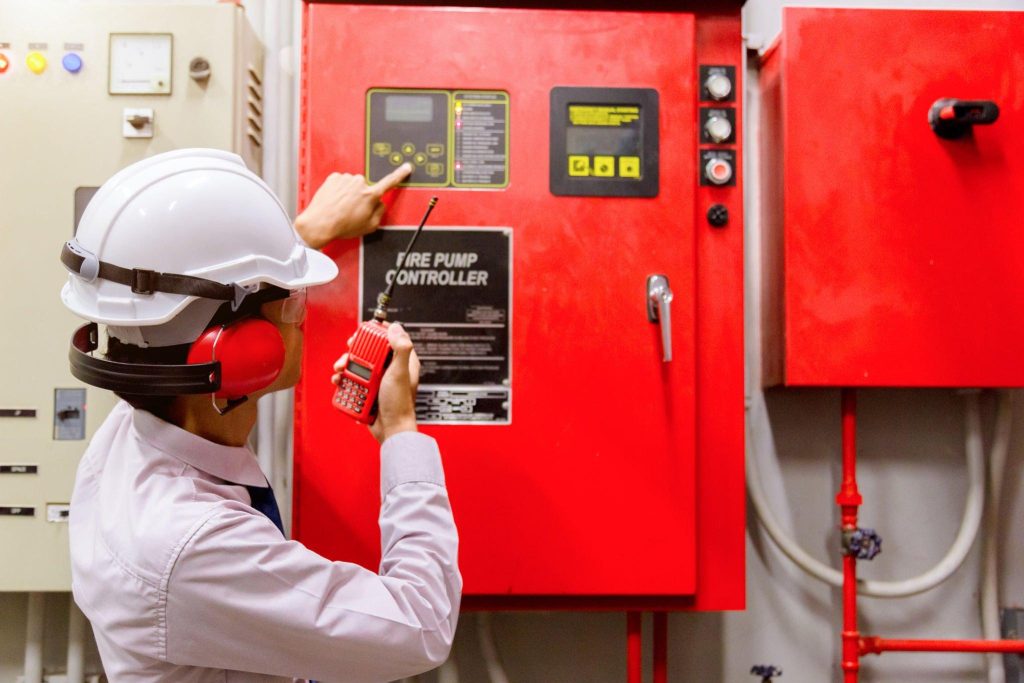
- Our experienced fire safety engineers meticulously assessed the entire manufacturing facility, including:
- Furnaces, welding stations, and other metalworking equipment.
- Flammable material storage areas (oils, lubricants, oxy-fuel gases).
- Electrical infrastructure and control panels.
- Emergency exits and evacuation routes.
- We reviewed existing fire protection systems, including sprinklers, fire alarms, and firefighting equipment.
- We evaluated employee training practices on fire safety protocols and emergency response procedures.
- We analyzed adherence to relevant fire safety codes and regulations.
Unveiling Potential Threats:
The fire safety audit revealed several areas for improvement:
- Inadequate fire protection coverage: Certain areas with high fire risk lacked sprinkler systems or had outdated detection technology.
- Poor housekeeping practices: Accumulation of metal shavings and flammable materials around equipment increased fire risk.
- Improper storage and handling of flammable materials: Unsafe storage practices for oxy-fuel gases and improper waste disposal of oily rags posed significant risks.
- Incomplete employee training: Lack of comprehensive training on fire safety protocols and emergency response procedures left employees unprepared for potential incidents.
- Compliance discrepancies: Minor deviations from certain fire safety regulations were identified.
Tailored Recommendations and Implementation:
Based on these findings, we provided a detailed report with prioritized recommendations, including:
- Installing additional sprinkler systems and upgrading fire detection technology in critical areas.
- Implementing stricter housekeeping protocols and designated collection points for metal shavings and flammable materials.
- Revising procedures for safe storage and handling of oxy-fuel gases and implementing proper waste management for oily rags.
- Developing and conducting comprehensive fire safety training programs for all personnel, including hands-on training on firefighting equipment and emergency evacuation drills.
- Collaborating with the client to address identified compliance discrepancies and ensure adherence to relevant fire safety regulations.
We worked closely with the client to implement these recommendations, providing technical guidance, training materials, and support for system upgrades and compliance adjustments.
Results:
By diligently implementing our recommendations, the Surat metal manufacturing facility achieved remarkable improvements in fire safety:
- Enhanced protection of critical infrastructure: Upgraded fire protection systems, improved housekeeping, and proper material handling minimized the risk of fire damage to equipment and infrastructure.
- Improved employee safety: Comprehensive training and awareness programs made employees better prepared for fire emergencies, potentially saving lives and reducing injuries.
- Enhanced regulatory compliance: Addressing identified discrepancies ensured the facility maintained compliance with fire safety regulations, avoiding potential fines and legal repercussions.
- Increased operational efficiency: Improved housekeeping and optimized workflows contributed to smoother operations and reduced downtime.
Conclusion
This case study exemplifies the power of Elion Technologies’ fire safety audits in optimizing metal manufacturing operations. By meticulously analyzing potential risks and providing tailored recommendations, we helped this Surat facility not only improve safety but also enhance efficiency, protect employees, and ensure regulatory compliance.
Elion Technologies & Consulting Pvt Ltd is your trusted partner for ensuring the comprehensive fire safety of your industrial facilities. We offer a wide range of services, from fire safety audits and risk assessments to fire protection system design, installation, and training programs.
Contact us today to forge a safer future for your employees and your business.
Frequently Asked Questions (FAQs)
1. What safety regulations are mandatory for metal manufacturers in Gujarat?
Metal manufacturing facilities in Gujarat must comply with multiple Indian safety regulations, including:
Factories Act 1948 (Schedule I for hazardous processes like foundry, smelting, and forging)
Gujarat Factories Rules 1963
National Building Code of India 2016 Part 4 for fire protection
IS 2148 for hazardous areas near furnaces
Gujarat Fire and Emergency Services Act for fire NOC compliance
Gujarat Pollution Control Board (GPCB) norms for dust and fumes
Manufacture Storage and Import of Hazardous Chemicals Rules 1989 for handling quenching oils
2. What PPE is mandatory for workers in metal manufacturing in India?
Mandatory PPE varies by operation but typically includes:
For furnace and hot metal work:
Face shields (IS 8521)
Aluminised heat-resistant aprons and gloves (IS 6994)
Safety footwear with metatarsal protection (IS 5557)
For welding operations:
Welding helmets (IS 1179)
UV-protective clothing
For grinding and fabrication:
Safety glasses (IS 5983)
Hearing protection (IS 9167) in areas above 85 dB
For all workers:
Safety helmets (IS 2925)
Safety footwear
3. How often must a metal manufacturing plant undergo a safety audit in India?
As per Factories Act 1948 (Schedule I hazardous processes):
Annual safety audit by a competent person
Quarterly safety committee meetings
Medical surveillance every 2 years
Accident investigation within 24 hours of serious incidents
Additionally:
National Safety Council India recommends third-party safety audits every 2 years
Gujarat rules mandate safety officer appointment for facilities with 500+ workers
4. What is a Class D metal fire and how should it be managed in a Surat metal plant?
A Class D fire involves combustible metals such as aluminium, magnesium, or titanium dust, powder, or swarf.
Key points:
These fires cannot be extinguished with water or CO₂ (can worsen the fire)
Require specialised dry powder agents like:
Copper powder
Dry sand
Met-L-X type extinguishing media
Metal plants in Surat must maintain dedicated Class D fire extinguishing systems in machining and grinding areas, as this is a common compliance gap in audits.
5. What does a metal manufacturing safety audit cost in Gujarat?
A comprehensive safety audit for a metal manufacturing facility (100–500 workers) typically costs:
₹60,000 to ₹2,00,000, depending on size and complexity
Audit scope generally includes:
Factories Act compliance (Schedule I)
Fire safety systems
Electrical safety
Chemical handling
Timeline:
2–3 days on-site audit
Detailed report with:
Non-conformance register
Severity classification
Gujarat regulatory references
Prioritised corrective action plan