
Introduction
A pump efficiency audit at a power plant identifies exactly how much energy is being wasted through degraded pumps — measured in kilowatts and rupees — and provides a prioritised replacement and maintenance roadmap that pays for itself within one operating cycle.
According to the Bureau of Energy Efficiency (BEE), pump systems account for 22–25% of industrial electricity consumption in India, and individual pump efficiency in power plants typically degrades 10–15% within 3 years of operation without structured maintenance. BEE’s pump efficiency benchmarking programme reports that 70% of pumps in Indian power plants operate below 70% of their design hydraulic efficiency, representing a collective national loss of over ₹3,000 crores annually.
Consider a 500 MW thermal power plant in Maharashtra with 40 BFP (Boiler Feed Pumps), CW (Cooling Water) pumps, and condensate extraction pumps. Each large pump drawing 800–1,200 kW of power and operating at 85% efficiency instead of the design 91% wastes 48–72 kW continuously. At Maharashtra’s HT tariff of ₹9.5/kWh and 8,000 hours/year operation, a single underperforming pump costs ₹36–55 lakhs per year in excess electricity — per pump.
Maharashtra’s power sector, under MSEDCL and state electricity board oversight, is subject to BEE’s Designated Consumer regulations requiring energy conservation targets and annual energy audit compliance. Pump efficiency audits are increasingly mandated under PAT (Perform, Achieve and Trade) scheme compliance, making them both an operational necessity and a regulatory requirement for large power generating stations.
Know more about – Fire pump performance testing
“BEE data shows 70% of pumps in Indian industrial and power facilities operate below 70% hydraulic efficiency, wasting ₹3,000 crores annually in excess electricity across the sector.“
Pump Efficiency Audit at Power Plants
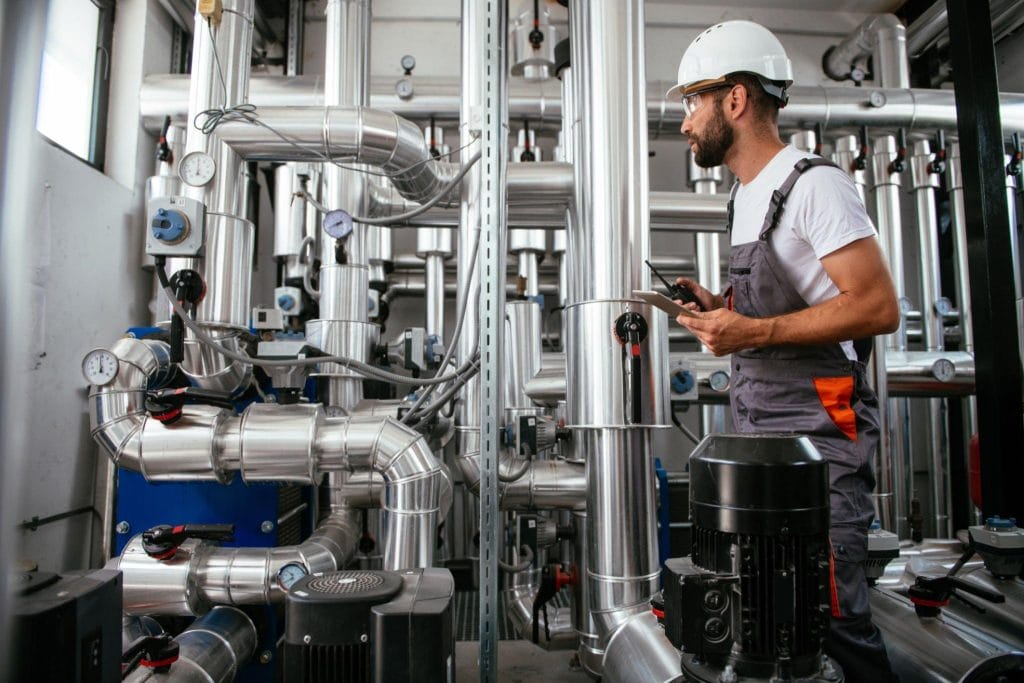
A pump efficiency audit at a power plant measures actual hydraulic efficiency vs. design specifications using calibrated flow meters and pressure gauges. Typical findings in Indian thermal and hydro plants: 20–35% efficiency loss from impeller wear, misalignment, and cavitation — representing ₹5–20L in annual recoverable losses per pump system.
Methodology
Our team of experienced engineers utilized advanced testing equipment and methods to assess pump performance:
- Flow and Pressure Measurements: Accurately measured water flow rate and pressure at various points in the system to evaluate overall pump performance.
- Power Consumption Analysis: Monitored and analyzed the power consumption of each pump during operation to identify inefficiencies.
- Performance Curve Comparison: Compared actual pump performance data with manufacturer’s specifications and industry benchmarks to identify deviations.
- Vibration Analysis: Measured pump vibration levels to detect potential mechanical issues affecting performance and reliability.
Insights and Recommendations:
The analysis of collected data revealed several areas for improvement:
- Reduced Hydraulic Efficiency: Some pumps were operating below their optimal efficiency point, leading to increased energy consumption.
- Internal Wear and Tear: Vibration analysis identified potential wear in certain pumps, impacting their performance and lifespan.
- Improper System Design: Certain aspects of the water circulation system contributed to inefficiencies, hindering optimal pump performance.
Based on these findings, we provided a detailed report with prioritized recommendations, including:
- Pump Optimization Strategies: Implementing adjustments to operating parameters, such as impeller trimming or speed control, to improve pump efficiency.
- Preventive Maintenance: Scheduling timely maintenance interventions to address identified wear and tear issues before they lead to significant performance degradation.
- System Optimization: Suggesting modifications to the water circulation system layout or component upgrades to minimize energy losses and improve overall efficiency.
Results:
By implementing our recommendations, the power plant achieved remarkable results:
- Reduced Energy Consumption: Improved pump efficiency led to a significant decrease in overall energy consumption for the water circulation system.
- Enhanced Pump Reliability: Proactive maintenance minimized downtime and extended the lifespan of critical pumping equipment.
- Cost Savings: The combined effect of energy savings and reduced maintenance costs translated to significant financial benefits for the power plant.
- Environmental Impact Reduction: Lower energy consumption contributed to a reduction in greenhouse gas emissions, aligning with the plant’s environmental sustainability goals.
Conclusion
This case study exemplifies the power of Elion Technologies’ expertise in pump efficiency testing for optimizing power plant operations. By meticulously analyzing pump performance and providing actionable recommendations, we helped this Maharashtra power plant achieve significant energy savings, reduce operational costs, and enhance the reliability of its critical infrastructure.
Elion Technologies & Consulting Pvt Ltd is your trusted partner for optimizing energy efficiency and reducing operational costs in power generation facilities. We offer a wide range of services, from pump efficiency testing and energy audits to power system optimization and renewable energy solutions.
Contact us today to unlock the full potential of your power plant’s efficiency and sustainability.
Frequently Asked Questions (FAQs)
1. How much does a pump efficiency audit cost at an Indian power plant?
A comprehensive pump efficiency audit for a power plant covering 10–40 pumps costs ₹1.5–4.5 lakhs in India. This includes calibrated flow measurement, vibration analysis, thermography of bearings and couplings, efficiency calculation against design curves, and a detailed audit report with prioritised recommendations.
Individual pump assessments typically cost ₹15,000–40,000 per pump.
2. What efficiency loss is typical in power plant pumps and what does it cost?
Power plant pumps typically lose:
5–15% hydraulic efficiency within 3 years
15–30% within 5 years
This is due to impeller wear, seal degradation, and misalignment.
For example, a 1,000 kW pump with 10% efficiency loss wastes 100 kW continuously. At ₹9/kWh for 8,000 hours/year, this equals approximately ₹72 lakhs annual loss per pump.
3. How often should power plant pumps be efficiency-audited?
As per BEE guidelines under the PAT scheme:
Critical pumps (like Boiler Feed Pumps and Cooling Water Pumps): every 12 months
Secondary pumps: every 24 months
Additionally, condition-based monitoring using vibration analysis and thermography should be continuous for critical pump systems.
4. What is the difference between a pump efficiency audit and routine pump maintenance?
Routine maintenance focuses on mechanical condition (seals, bearings, alignment).
Pump efficiency audit evaluates actual hydraulic performance by measuring:
Flow rate (m³/hr)
Head (metres)
Power consumption (kW)
It then calculates wire-to-water efficiency (%) and compares it against standards and OEM curves to quantify energy losses and prioritise improvements.
5. Which standards apply to pump efficiency in Indian power plants?
Key standards include:
BEE’s Guide Book on Energy Efficiency in Pumping Systems
PAT (Perform, Achieve and Trade) Scheme for Specific Energy Consumption (SEC) targets
IS 9137 for centrifugal pump performance testing
ASME PTC 8.2 and Hydraulic Institute Standards for large pump testing