
Introduction
Elion Technologies and Consulting Pvt. Ltd spearheaded a transformative project encompassing an array of sustainability initiatives, including Energy Audit, Green Audit, Water Management, and Indoor Air Quality for a leading college in Jaipur, Rajasthan. The client sought our expertise to enhance operational efficiency, reduce environmental impact, and foster a sustainable campus environment.
A college sustainability audit in Jaipur, Rajasthan identified combined energy, water, and safety savings of over ₹18 lakh annually through integrated auditing of electrical systems, water use, and fire safety compliance.
According to the Bureau of Energy Efficiency (BEE), educational institutions account for nearly 8% of India’s total commercial energy consumption, with average specific energy consumption of 35–60 kWh per square metre per year. The Ministry of Jal Shakti estimates Indian institutions waste 30–40% of potable water through leakages and poor metering.
A 50,000 sq.ft engineering college in Jaipur with an annual utility bill of ₹32 lakh discovered ₹9.2 lakh in energy savings (primarily HVAC and lighting inefficiencies), ₹3.8 lakh in water savings (bore-well metering and rainwater harvesting gaps), and ₹5.1 lakh in compliance penalties avoided after an integrated audit surfaced six NBC 2016 non-compliances.
Rajasthan’s educational institutions face compounded utility costs from extreme summer cooling loads (reaching 48°C) and mandatory compliance with the Rajasthan State Fire & Emergency Services Act, 2005. An integrated approach — auditing energy, water, environment, and safety together — eliminates repetitive site visits and produces a single prioritised investment roadmap, typically delivering 18–30% reduction in total operating costs within 24 months.
“BEE data shows educational buildings in India have a 25–35% energy savings potential through simple retrofits such as LED lighting, BEE 5-star HVAC upgrades, and occupancy sensors, with payback periods of 18–36 months.”
College Integrated Sustainability Audit
An integrated sustainability audit covers energy efficiency, water conservation, fire safety compliance, and environmental impact in one visit. For a typical Jaipur college (30,000–60,000 sq.ft), the audit identifies ₹12–22 lakh annual savings and ensures NBC 2016, BEE, and state fire code compliance. Duration: 3–5 days on-site.
Elion's Solution
Elion Technologies and Consulting Pvt. Ltd embraced a comprehensive and integrated approach to address the diverse sustainability challenges faced by the college:
- Pre-Audit Consultation: Elion engaged in detailed discussions with college administrators, facilities managers, and sustainability coordinators to understand the specific challenges, goals, and operational nuances of the educational institution.
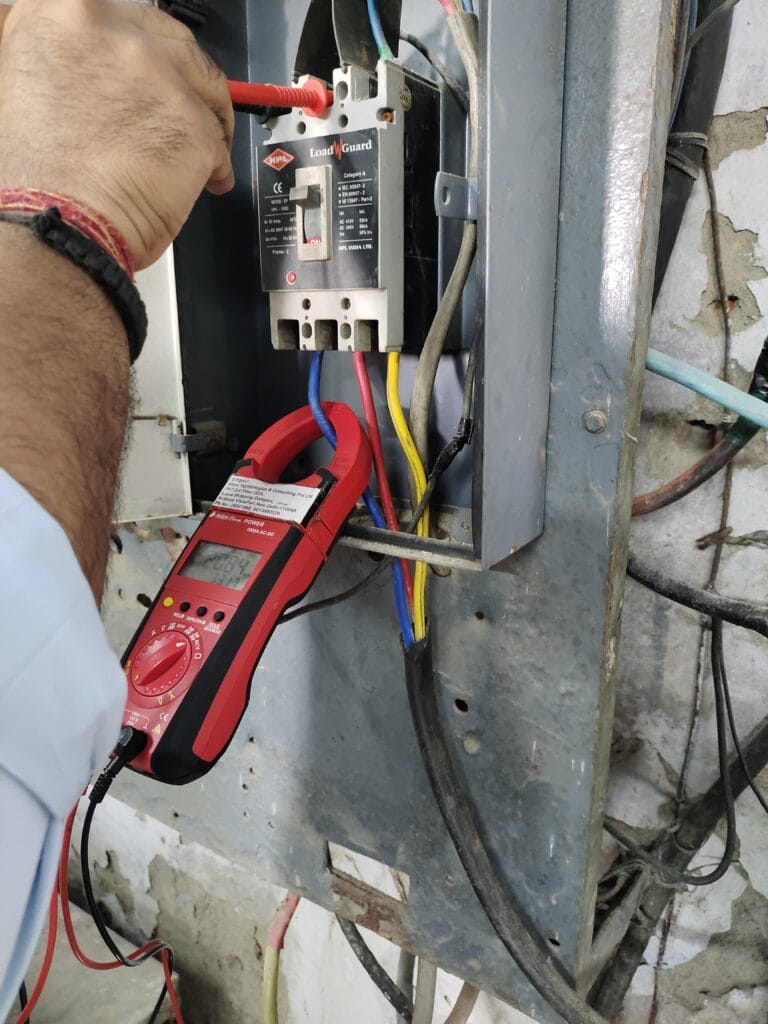
- Energy Audit: A team of energy auditors conducted a detailed Energy Audit to identify energy consumption patterns, assess equipment efficiency, and recommend energy-saving measures. This involved a comprehensive analysis of lighting systems, HVAC systems, electrical appliances, and other energy-consuming assets.
- Green Audit: Elion’s sustainability experts performed a Green Audit, assessing the college’s environmental practices, waste management, green spaces, and overall commitment to sustainable initiatives. The audit considered existing policies, practices, and potential areas for improvement.
- Waste Management: Elion conducted a Waste Management assessment, focusing on waste generation, segregation, disposal methods, and opportunities for recycling or composting. The goal was to reduce the environmental impact of waste and enhance the college’s waste management practices.
- Water Management: The Water Management component involved evaluating water usage patterns, identifying opportunities for water conservation, and recommending efficient water management practices. This encompassed landscaping, irrigation systems, and water-efficient fixtures.
- Indoor Air Quality Assessment: Elion’s environmental engineers conducted an Indoor Air Quality assessment to ensure a healthy and comfortable indoor environment for students and staff. This involved evaluating ventilation systems, pollutant sources, and recommending measures to improve air quality.
- Implementation Plan: Based on audit findings, Elion Technologies and Consulting Pvt. Ltd developed a customized Sustainability Implementation Plan. This plan included a roadmap for implementing energy-efficient measures, waste reduction strategies, water conservation initiatives, and improvements to indoor air quality.
- Employee and Student Awareness Programs: Elion organized tailored awareness programs for college employees and students. These sessions aimed to educate stakeholders on sustainability practices, energy conservation, waste reduction, and the importance of maintaining a healthy indoor environment.
Know more about Commercial energy audit
Results and Benefits
The integrated sustainability initiatives conducted by Elion Technologies and Consulting Pvt. Ltd resulted in tangible positive outcomes for the college in Jaipur:
- Reduced Environmental Impact: Implementation of energy-efficient measures, waste reduction strategies, and water conservation initiatives contributed to a noticeable reduction in the college’s overall environmental impact.
- Cost Savings: The college experienced cost savings through reduced energy consumption, improved waste management practices, and water conservation measures.
- Enhanced Campus Environment: Improved indoor air quality and the creation of green spaces enhanced the overall well-being and satisfaction of students, faculty, and staff.
Client Testimonial:
“We are extremely pleased with the comprehensive sustainability initiatives undertaken by Elion Technologies and Consulting Pvt. Ltd. Their expertise in addressing diverse aspects of sustainability has transformed our campus into a more energy-efficient, eco-friendly, and healthy environment. The collaborative approach and ongoing support provided by Elion have made a significant difference in our journey toward a sustainable future.”
Conclusion
Elion Technologies and Consulting Pvt. Ltd.’s successful execution of the integrated sustainability initiatives exemplifies our commitment to creating environmentally responsible and energy-efficient solutions for educational institutions. This case study showcases our ability to deliver a holistic approach, ultimately contributing to cost savings, operational efficiency, and a healthier campus environment.
If you have any queries, please contact at Elion Technologies and Consulting Private Limited.
Frequently Asked Questions (FAQs)
Q1: What does an integrated sustainability audit cost for a college in Jaipur?
A: An integrated sustainability audit for a college in Jaipur typically costs ₹1.5–3.5 lakh depending on built-up area (BUA). This covers energy, water, environment, and safety auditing in a single mobilisation. The fee is recovered within 6–12 months from identified savings averaging ₹12–22 lakh annually for a 30,000–60,000 sq.ft campus.
Q2: How long does an integrated sustainability audit take for an educational institution?
A: On-site audit duration is 3–5 days for campuses up to 60,000 sq.ft. The detailed audit report with prioritised recommendations is delivered within 15–21 working days. Implementation of quick-win measures (LED retrofits, tap aerators, fire exit signage) can begin immediately on receipt of the report.
Q3: Which Indian regulations apply to college sustainability audits?
A: Key regulations include: BEE Energy Conservation Act 2001 (energy benchmarking), NBC 2016 Part 4 (fire safety), Rajasthan Groundwater Act (water extraction limits), IS 3646 (lighting standards), IS 732 (electrical installations), and state fire NOC requirements under the Rajasthan Fire & Emergency Services Act, 2005.
Q4: What is the difference between an energy audit and an integrated sustainability audit for a college?
A: A standalone energy audit covers only electrical and thermal systems, identifying 15–25% energy savings. An integrated sustainability audit additionally covers water systems (15–40% waste reduction), environmental compliance (consent to operate, air/water discharge), fire and safety gaps (NBC 2016, Factories Act as applicable), and green certification readiness — delivering 3–4× more actionable recommendations in a single engagement.
Q5: How often should a college in Rajasthan conduct a sustainability audit?
A: BEE mandates designated consumers to conduct energy audits every 3 years. For fire safety, annual NOC renewal requires annual inspection. Best practice for educational institutions is a comprehensive integrated audit every 2–3 years, with quarterly monitoring of key metrics (energy consumption per student, water use per sq.ft) using smart metering.