

The escalating complexity and height of modern commercial structures necessitate constant reevaluation of fire safety protocols. A 40-floor commercial tower fire safety overhaul, therefore, represents not merely an upgrade, but a fundamental rethinking of occupant protection and structural resilience in the face of fire. This article will outline the critical components of such an overhaul, focusing on systemic improvements rather than superficial modifications.
High-rise buildings present distinct fire safety challenges compared to their low-rise counterparts. The sheer vertical distance impacts evacuation times, fire department access, and the spread of smoke and heat. Understanding these difficulties is the cornerstone of an effective overhaul. For comprehensive protection, schedule a Fire Safety Audit today.
Extended Evacuation Times
The primary challenge in high-rise fires is the time required to evacuate all occupants. Imagine a vertical city: moving thousands of people from the upper floors to ground level safely and efficiently under duress is a logistical nightmare. Stairwells, while egress routes, can become congested and compromised by smoke. This necessitates a proactive approach to vertical transportation and phased evacuation strategies.
Limited Firefighter Access
Firefighters face inherent limitations when responding to fires in tall buildings. Water pressure diminishes with height, requiring booster pumps and intricate standpipe systems. Equipment, personnel, and even basic ingress can be severely hampered by the height and the dynamic environment of a high-rise fire. Think of it as climbing a mountain under attack; every step is harder, every resource more stretched.
Smoke and Heat Propagation
Smoke and heat are often more dangerous than the flames themselves. In a high-rise, these elements can spread rapidly through vertical shafts, HVAC systems, and even exterior facades, contaminating escape routes and compromising structural integrity. This necessitates sophisticated smoke management systems that isolate and vent these hazards effectively.
Structural Integrity Considerations
While modern high-rise buildings are engineered for substantial fire resistance, prolonged exposure to intense heat can impact structural components. Compromised structural integrity can lead to localized collapses or, in extreme cases, progressive collapse. The overhaul must consider both passive fire protection and active monitoring of structural performance during fire events.
In light of the recent discussions surrounding the 40-Floor Commercial Tower Fire Safety Overhaul, it is essential to consider the broader implications of safety and air quality in high-rise buildings. An insightful article that delves into the importance of proper ventilation and air quality management can be found here: Improving Air Quality: Poultry Facility Ventilation Case Study in Namakkal. This piece highlights how effective ventilation systems not only enhance safety but also contribute to the overall well-being of occupants in commercial spaces.
Core Components of a Fire Safety Overhaul
A comprehensive fire safety overhaul extends beyond individual components, focusing on an integrated system where each element supports the others. This section details the fundamental aspects that must be addressed.
Enhanced Fire Detection and Alarm Systems
The first line of defense is swift and accurate detection. Older systems may lack the precision and redundancy required for a 40-floor structure.
Advanced Sensor Technologies
Modern fire detection systems utilize a range of sensor technologies. Beyond traditional smoke detectors, these include multi-criteria detectors that can distinguish between different smoke types and detect heat, carbon monoxide, and even flame flicker. Aspirating smoke detection systems offer extremely early warning capabilities, drawing air samples through a network of pipes to a central detection unit. This provides a distinct advantage, acting as an early warning radar for impending danger.
Intelligent Building Integration
Integrating fire alarm systems with the building management system (BMS) allows for unified control and coordinated responses. This means that upon alarm activation, the HVAC system can automatically adjust to prevent smoke spread, elevators can be recalled to safe floors, and access control systems can unlock designated egress routes. This integrated approach transforms isolated systems into a single, intelligent entity.
Voice Evacuation and Mass Notification
Clear and calm communication is paramount during an emergency. Voice evacuation systems provide pre-recorded and live messages to guide occupants, reducing panic and ensuring orderly evacuation. These systems can be zoned, allowing for targeted messages to specific floor areas, facilitating phased evacuations as opposed to a chaotic, building-wide rush. Mass notification systems extend this capability to external stakeholders, such as emergency services and building management personnel.
Redundant and Robust Fire Suppression Systems
Reliable fire suppression is the backbone of active fire protection. An overhaul must ensure these systems are not only compliant but also resilient and capable of performing under extreme conditions.
Upgraded Sprinkler Systems
Older buildings may have outdated sprinkler systems with insufficient coverage or water pressure. An overhaul necessitates reviewing and potentially upgrading sprinkler heads to address contemporary fire loads, increasing the density of coverage, and verifying the adequacy of the water supply and pressure throughout the entire building. This includes incorporating residential-type sprinklers in appropriate areas for enhanced occupant protection and potentially implementing extended coverage or quick response sprinklers.
Standpipe and Hose Systems Enhancements
Standpipe systems provide essential water access for firefighters. The overhaul should include inspection, testing, and potential replacement of existing standpipes, ensuring their integrity and adequate pressure at all levels. This includes upgrading hose valves, connections, and ensuring adequate water flow and pressure through regular maintenance and testing. Consider incorporating dry standpipes in specific areas for added redundancy or for use in challenging environments.
Special Hazard Suppression
Beyond water-based systems, certain areas within a commercial tower may require specialized fire suppression. Data centers, electrical rooms, and areas storing flammable liquids demand non-water-based agents like inert gases (e.g., argon, nitrogen) or clean agents, which extinguish fires without damaging sensitive equipment. Identifying and implementing these bespoke solutions is crucial for a comprehensive approach.
Optimizing Evacuation and Egress Strategies

Effective fire safety in high-rise buildings hinges on safe and orderly occupant evacuation. This requires more than just clearly marked exits; it demands a choreographed movement of people.
Phased Evacuation Protocols
Full building evacuations of high-rise structures are often impractical and can lead to unnecessary panic and delays. Phased evacuation protocols, where only the fire floor, floors immediately above and below, and potentially higher floors are evacuated initially, are a more efficient and safer approach. The overhaul needs to define clear zones for phased evacuation and integrate these protocols with voice evacuation systems.
Enhanced Stairwell Pressurization
Stairwells are the primary egress routes during a fire. Stairwell pressurization systems create positive pressure within the stairwells, preventing smoke from entering and maintaining a breathable environment. An overhaul must ensure these systems are robust, redundant, and properly maintained, with backup power supplies to ensure continuous operation. This pressurized “chimney” ensures a smoke-free escape route.
Emergency Exit Lighting and Signage
Clear, durable, and highly visible emergency exit lighting and signage are non-negotiable. Modern systems incorporate photoluminescent materials that glow in the dark, and robust LED lighting with extended battery backup. Signage should be multilingual and consistent throughout the building, guiding occupants even in smoke-filled conditions. Consider the psychological impact of well-lit, clearly marked escape routes; they instill confidence during a crisis.
Refuges and Areas of Rescue Assistance
For occupants with mobility impairments, designated “areas of refuge” or “areas of rescue assistance” within a building provide a safe haven away from immediate danger. These areas should be fire-rated, equipped with two-way communication systems to communicate with emergency personnel, and located near stairwells or other accessible egress points. An overhaul must identify and certify these areas, ensuring they are adequately equipped and maintained.
Advanced Fire Safety Management and Training
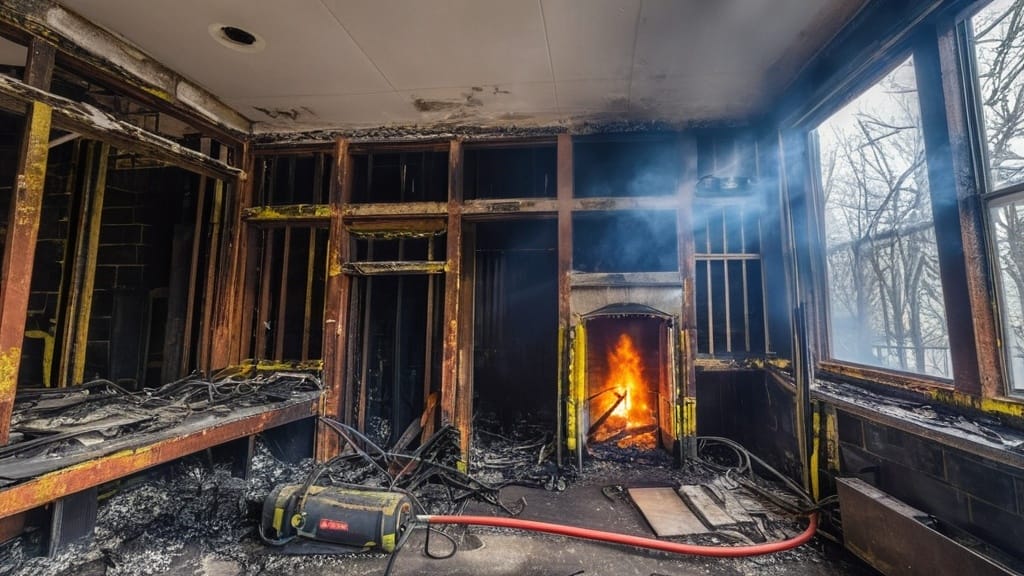
Technology alone is insufficient. Human factors, including training, drills, and effective management, are equally critical for a successful fire safety program. The system is only as good as the people who operate it and respond to it.
Regular Fire Drills and Simulations
The theoretical knowledge gained during training must be reinforced through practical application. Regular fire drills, conducted under increasingly realistic conditions, prepare occupants and staff for an actual emergency. Simulations can test the effectiveness of evacuation protocols, communication systems, and the coordination between building staff and emergency services. These drills are not merely compliance exercises; they are vital rehearsals for a life-or-death performance.
Staff Training and Emergency Response Teams
Building staff, including security, maintenance, and facility management, are often the first responders to a fire. Comprehensive training in fire safety procedures, emergency equipment operation, and crisis communication is essential. Establishing and regularly training dedicated emergency response teams (ERTs) within the building can further enhance the initial response capabilities before professional firefighters arrive. These teams can provide critical assistance in guiding occupants, operating fire safety systems, and providing initial first aid.
Integration with External Emergency Services
Seamless coordination with local fire departments and other emergency services is paramount. This includes sharing detailed building plans, conducting joint training exercises, and establishing clear communication protocols. The fire department needs to be familiar with the building’s layout, its fire safety systems, and the specific challenges it presents. Providing them with a digital twin of the building and its systems can significantly improve their operational effectiveness.
Post-Incident Review and Continuous Improvement
Every fire incident, however minor, provides valuable lessons. A formal post-incident review process, analyzing what went well and what could be improved, is essential for continuous enhancement of the building’s fire safety program. This data-driven approach allows for adaptive adjustments to protocols, training, and even system upgrades, ensuring the fire safety strategy remains dynamic and effective. This iterative process acts as a continuous feedback loop, strengthening the building’s resilience.
In light of the recent 40-Floor Commercial Tower Fire Safety Overhaul, it is essential to consider comprehensive safety measures across various industries. A related article discusses the importance of mastering safety protocols and provides a detailed checklist that can be beneficial for ensuring compliance and preparedness. For more insights, you can read about it in this ultimate PSSR checklist that highlights best practices for fire safety and risk management.
Structural and Passive Fire Protection Upgrades
| Metric | Value | Unit | Notes |
|---|---|---|---|
| Number of Floors | 40 | floors | Total floors in the commercial tower |
| Fire Alarm Coverage | 100% | percentage | All floors equipped with fire alarm systems |
| Sprinkler System Installation | 40 | floors | Sprinklers installed on every floor |
| Emergency Exit Stairwells | 4 | units | Number of stairwells for evacuation |
| Fire Extinguishers | 120 | units | Distributed throughout all floors and common areas |
| Smoke Detectors | 400 | units | Installed in offices, hallways, and utility rooms |
| Fire Drill Frequency | 4 | times/year | Scheduled fire drills for occupants |
| Evacuation Time Target | 6 | minutes | Maximum time to evacuate all occupants |
| Fire Safety Training Sessions | 12 | sessions/year | Training for staff and tenants |
| Fire Safety Compliance Rating | A+ | grade | Latest safety inspection rating |
Beyond active systems, the inherent fire resistance of the building structure itself is a fundamental layer of protection. An overhaul must scrutinize and potentially enhance these passive elements.
Fire-Rated Compartmentation
Building compartments are designed to contain fire and smoke within a limited area, preventing its spread and allowing occupants time to evacuate. This involves ensuring fire-rated walls, floors, and doors are intact and properly sealed. An overhaul should include a thorough inspection and repair of any compromised firestopping, fire barriers, and fire-resistive joints. Think of these as a series of firewalls, preventing the conflagration from overwhelming the entire system.
Fire-Resistant Materials
Reviewing and, where necessary, upgrading building materials to those with higher fire-resistance ratings is crucial. This includes insulation, interior finishes, and exterior façade materials, especially in light of recent high-rise facade fires globally. Prioritizing non-combustible or limited-combustible materials significantly reduces the fuel load within the building.
Vertical Penetration Protection
Vertical penetrations such as elevator shafts, stairwells, and utility chases act as natural conduits for fire and smoke. Ensuring these penetrations are properly sealed with fire-rated assemblies and equipped with appropriate fire dampers is critical. These safeguards prevent the rapid vertical spread of fire, effectively creating barriers in the building’s internal chimneys.
Structural Fireproofing and Protection
While modern steel and concrete structures are inherently fire-resistant, additional fireproofing may be necessary for critical structural elements. This can involve applying intumescent coatings, fire-resistive board encasements, or spray-on fireproofing. The goal is to extend the time it takes for structural components to reach critical temperatures, allowing for more time for evacuation and firefighting operations. This additional layer of protection provides a crucial buffer, enhancing the building’s “stay-put” endurance.
A 40-floor commercial tower fire safety overhaul is a significant undertaking, demanding a holistic and meticulous approach. It requires a deep understanding of fire dynamics in high-rise environments, a commitment to cutting-edge technology, and rigorous attention to human factors. This is not merely about meeting codes; it is about creating an environment where the risk to life and property is minimized through foresight, robust engineering, and continuous vigilance. The investment in such an overhaul should be viewed not as an expense, but as an essential safeguard for the building’s occupants, its longevity, and its operational continuity.
FAQs
What are the key fire safety features in a 40-floor commercial tower?
Key fire safety features typically include automatic sprinkler systems, smoke detectors, fire alarms, emergency lighting, fire-resistant building materials, clearly marked evacuation routes, and fire extinguishers on each floor.
How often should fire safety systems be inspected in a high-rise commercial building?
Fire safety systems in high-rise buildings should be inspected at least annually by certified professionals, with some components like fire alarms and sprinklers requiring more frequent testing as per local fire codes and regulations.
What evacuation procedures are recommended for a 40-floor commercial tower?
Evacuation procedures usually involve clearly marked stairwells, regular fire drills, designated assembly points outside the building, and communication plans to ensure all occupants can exit safely and quickly without using elevators during a fire.
Why is a fire safety overhaul important for tall commercial buildings?
A fire safety overhaul is important to update outdated systems, comply with current fire codes, address new risks, improve occupant safety, and ensure that fire detection, suppression, and evacuation measures are effective in a high-rise environment.
Who is responsible for implementing fire safety measures in a commercial tower?
Building owners and property managers are primarily responsible for implementing and maintaining fire safety measures, often working with fire safety consultants, local fire departments, and regulatory agencies to ensure compliance and safety.