

A 300-bed hospital has achieved accreditation from the National Accreditation Board for Hospitals & Healthcare Providers (NABH) for its fire safety protocols. This designation signifies that the facility has met stringent standards in fire prevention, detection, suppression, and evacuation. The certification process involved a comprehensive review of the hospital’s infrastructure, operational procedures, and staff training related to fire safety.
Healthcare environments present unique challenges when it comes to fire safety. The presence of vulnerable patients, often with limited mobility or consciousness, necessitates a higher level of preparedness and specialized safety measures. Fires in hospitals can have catastrophic consequences, not only due to the inherent dangers of flames and smoke but also the potential for widespread panic and disruption of critical medical care. The risk is amplified by the presence of medical gases, electrical equipment, and flammable materials used in treatment and patient care. Therefore, achieving and maintaining robust fire safety standards is not merely a regulatory requirement but a fundamental ethical obligation for any healthcare institution. It is akin to a seasoned captain ensuring every life raft on a large vessel is not only present but thoroughly inspected and the crew drilled in its use; the stakes are simply too high for negligence. For comprehensive protection, schedule a Fire Safety Audit today.
The Critical Nature of Fire Safety in Hospitals
Hospitals are not static structures but dynamic ecosystems where life is constantly being preserved. This dynamism, unfortunately, can also introduce potential fire hazards. The constant flow of people, the use of complex machinery, and the storage of various substances combine to create a landscape where vigilance is paramount. A fire incident can swiftly transform a sanctuary of healing into a scene of chaos, impacting not only those within the building but also the wider community that relies on its services.
Patients as Vulnerable Stakeholders
The primary concern in any hospital fire is the safety of patients. Many patients are bedridden, require constant monitoring, or are undergoing surgical procedures, making them inherently vulnerable during an emergency. Evacuation plans must account for these specific needs, ensuring that every individual, regardless of their physical condition, can be safely moved to a secure location.
Regulatory Frameworks and Accreditation Bodies
Globally, regulatory bodies like NABH in India play a crucial role in setting and enforcing fire safety standards for healthcare facilities. Accreditation from such bodies serves as an independent verification of a hospital’s commitment to safety and provides a degree of assurance to the public. This accreditation acts as a seal of approval, a stamp signifying that a facility has passed the rigorous scrutiny of experts in the field, much like a chef earning a Michelin star signifies culinary excellence.
The Economic and Reputational Impact of Fire Incidents
Beyond the immediate human cost, fire incidents can have devastating economic and reputational repercussions for hospitals. Property damage, loss of equipment, disruption of services, and increased insurance premiums can cripple a healthcare institution financially. Furthermore, a significant fire event can erode public trust and damage a hospital’s reputation, a hard-won asset that takes years to build and moments to shatter.
In a significant achievement for healthcare standards, the 300-bed hospital has successfully attained NABH Fire Safety Certification, ensuring enhanced safety protocols for patients and staff alike. This accomplishment highlights the hospital’s commitment to maintaining high-quality healthcare services while prioritizing safety measures. For further insights into the importance of environmental safety in healthcare facilities, you can read about Elion’s Clean and Green Campus initiative and its successful environmental audit in the related article found here: Elion’s Clean Green Campus: Ayodhya’s Environmental Audit Success.
The NABH Fire Safety Certification Process
The journey to NABH fire safety certification is a meticulous and comprehensive undertaking. It demands a systematic approach to identifying and mitigating fire-related risks within the hospital environment. The process involves detailed inspections, documentation review, and on-site assessments to ensure that the hospital’s fire safety management system is not just effective but also sustainable. This accreditation is not a fleeting endorsement but a continuous commitment to upholding the highest standards.
Pre-Assessment and Gap Analysis
Before formal assessment, hospitals typically conduct internal pre-assessments to identify potential gaps in their existing fire safety measures. This proactive step allows for the rectification of deficiencies before external auditors arrive, streamlining the accreditation process. It’s like a student taking practice exams before the final; it highlights areas needing improvement.
On-Site Inspection and Audit
The core of the NABH certification involves a rigorous on-site inspection by a team of qualified NABH assessors. These assessors meticulously examine all aspects of the hospital’s fire safety infrastructure and operational procedures. This includes a walkthrough of the entire facility, from patient wards and operating rooms to storage areas and administrative offices.
Documentation Review
Accreditation bodies require extensive documentation to support the fire safety claims. This includes policies, procedures, maintenance logs for fire safety equipment, training records, and evidence of regular fire drills. Thorough and accurate documentation demonstrates a commitment to systematic safety management.
Staff Training and Preparedness Evaluation
A critical component of the certification is evaluating the preparedness of the hospital staff. Assessors verify that all personnel, from doctors and nurses to support staff, have received adequate training in fire prevention, emergency response, and evacuation procedures. This ensures that the human element of fire safety is as robust as the physical infrastructure.
Post-Certification Monitoring and Re-Accreditation
NABH certification is not a one-time achievement. Hospitals are subject to periodic monitoring and re-assessment to ensure continued compliance with fire safety standards. This ongoing oversight reinforces the commitment to maintaining a safe environment for patients and staff.
Key Elements of the 300-Bed Hospital’s Fire Safety Infrastructure

The successful attainment of NABH fire safety certification by the 300-bed hospital is a testament to its investment in and commitment to robust fire safety infrastructure. This encompasses a multi-layered approach, integrating advanced technological solutions with well-defined operational protocols. The infrastructure acts as the silent guardian, always present and ready to respond.
Fire Detection and Alarm Systems
Modern fire detection and alarm systems are crucial for early warning. The hospital has implemented sophisticated systems that can identify the presence of smoke or heat at the earliest stages, triggering immediate alerts. This network acts as the hospital’s early warning system, analogous to a lighthouse in a perilous sea, guiding against unseen dangers.
Smoke Detectors and Heat Sensors
Strategically placed smoke detectors and heat sensors throughout the facility continuously monitor for signs of fire. These devices are calibrated to minimize false alarms while maximizing the detection of actual fire incidents.
Manual Call Points
Accessible manual call points are installed in designated areas, allowing any staff member or visitor to manually trigger an alarm in the event of discovering a fire.
Centralized Monitoring Station
The fire alarm system is linked to a centralized monitoring station within the hospital, enabling immediate dispatch of the internal fire response team and, if necessary, the local fire department.
Fire Suppression Systems
Beyond detection, effective fire suppression systems are vital for controlling and extinguishing fires. The hospital has installed a range of systems tailored to different areas and potential fire risks.
Automatic Sprinkler Systems
The majority of patient care areas and critical infrastructure are protected by automatic sprinkler systems, designed to activate when a specific temperature is reached, releasing water directly onto the source of the fire.
Fire Extinguishers
A comprehensive network of fire extinguishers, suitable for different classes of fire (e.g., Class A, B, C, D), is readily available at accessible locations throughout the hospital. Regular inspections and maintenance ensure their readiness for use.
Specialized Suppression Systems
In areas with high electrical or equipment risks, such as server rooms or radiology departments, specialized suppression systems, like carbon dioxide or inert gas systems, may be employed to extinguish fires without damaging sensitive equipment.
Evacuation Strategies and Emergency Exits
Clear and well-maintained evacuation routes and emergency exits are paramount for ensuring the safe and orderly evacuation of patients and staff. These are the arteries of escape, ensuring safe passage.
Clearly Marked Escape Routes
All escape routes are clearly marked with illuminated signage that is visible even in low-light or smoke-filled conditions.
Fire Doors and Compartmentation
Fire doors are strategically installed to prevent the spread of fire and smoke between different sections of the hospital, creating fire-resistant compartments.
Emergency Lighting
Emergency lighting systems are integrated into the evacuation plan, providing illumination along escape routes and in critical areas during power outages caused by a fire.
Building Design and Material Selection
The very fabric of the hospital building has been considered in its fire safety design. This includes the selection of fire-resistant building materials and appropriate compartmentation.
Fire-Resistant Construction Materials
The use of non-combustible and fire-resistant materials in the construction and finishing of the hospital minimizes the fuel load and slows the spread of fire.
Ventilation and Smoke Management Systems
Advanced ventilation and smoke management systems are in place to control the movement of smoke during a fire, improving visibility and creating safer evacuation pathways.
Staff Training and Emergency Preparedness
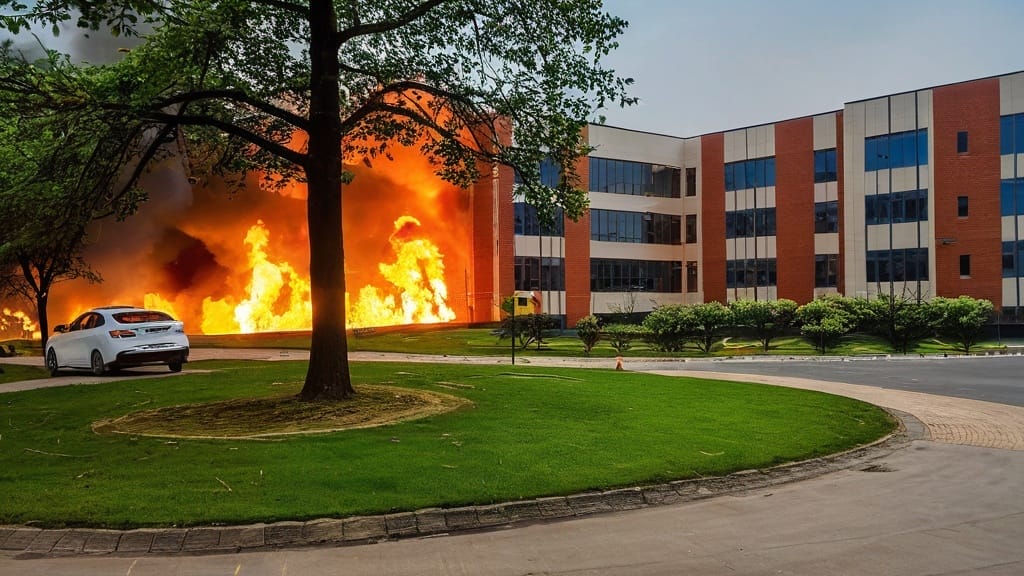
The most sophisticated fire safety infrastructure is rendered ineffective without a well-trained and prepared workforce. The 300-bed hospital has placed significant emphasis on ensuring its staff are knowledgeable and proficient in fire safety protocols and emergency response. This is not just about ticking boxes; it is about empowering individuals to act decisively when seconds count.
Regular Fire Drills and Simulations
The hospital conducts regular fire drills and simulations to test the effectiveness of evacuation plans and response procedures. These exercises help staff familiarize themselves with their roles and responsibilities during an emergency. These drills are the practice grounds for real-life scenarios, refining muscle memory and strategic thinking.
Scenario-Based Training
Drills are often designed around various fire scenarios, including those originating in different parts of the hospital or involving different degrees of complexity.
Post-Drill Evaluation and Feedback
Each drill is followed by a thorough evaluation, identifying areas for improvement and providing constructive feedback to staff.
Comprehensive Fire Safety Training Programs
All hospital staff, from clinical personnel to administrative and support staff, undergo comprehensive fire safety training. This training covers prevention, detection, and initial response techniques.
Fire Prevention Education
Staff are educated on common fire hazards within a hospital setting and the measures to prevent them. This includes proper handling of flammable materials and electrical safety.
Evacuation Procedures Training
Detailed training is provided on evacuation procedures, including how to assist patients with limited mobility and the designated assembly points.
Use of Fire Fighting Equipment
Selected staff members receive hands-on training on the proper use of fire extinguishers and other basic fire-fighting equipment. This knowledge can be crucial for initial containment.
Role-Specific Training and Responsibilities
Beyond general training, specific roles and responsibilities are assigned during fire emergencies. This ensures a coordinated and efficient response.
Ward-Level Fire Wardens
Each ward and department has designated fire wardens responsible for coordinating evacuation and ensuring all individuals are accounted for.
Incident Command System Integration
The hospital’s emergency preparedness plan integrates with a standardized incident command system, facilitating clear communication and decision-making during a crisis.
Collaboration with Local Fire Services
The hospital maintains a strong collaborative relationship with the local fire department, ensuring seamless coordination and mutual understanding of emergency protocols.
Joint Training Exercises
Occasional joint training exercises with the fire department allow for familiarization with the hospital’s layout and emergency response capabilities.
Pre-Incident Planning Discussions
Regular discussions with fire service officials help in refining pre-incident plans and addressing any specific concerns related to the hospital environment.
The recent achievement of a 300-bed hospital in obtaining NABH Fire Safety Certification highlights the growing importance of safety standards in healthcare facilities. This accomplishment not only ensures the well-being of patients and staff but also sets a benchmark for other hospitals to follow. For those interested in understanding how safety audits can enhance operational standards, a related article discusses an electrical safety audit conducted at a battery manufacturing unit in Tinsukia, Assam, which emphasizes the significance of compliance in industrial settings. You can read more about it in this detailed case study.
Benefits and Implications of NABH Fire Safety Certification
| Metric | Details |
|---|---|
| Hospital Capacity | 300 Beds |
| Certification Achieved | NABH Fire Safety Certification |
| Certification Authority | National Accreditation Board for Hospitals & Healthcare Providers (NABH) |
| Fire Safety Measures Implemented | Fire alarms, smoke detectors, emergency exits, fire extinguishers, sprinkler systems |
| Compliance Standards | National Fire Protection Standards, NABH Fire Safety Guidelines |
| Inspection Duration | 3 Days |
| Certification Validity | 3 Years |
| Key Benefits | Enhanced patient safety, reduced fire risk, improved emergency response |
Achieving NABH fire safety certification is more than an administrative accomplishment; it signifies a tangible enhancement in the hospital’s ability to protect its patients, staff, and assets. The implications extend to operational efficiency, public trust, and the overall reputation of the healthcare institution. This certification is a beacon, illuminating the hospital’s dedication to a critical aspect of healthcare delivery.
Enhanced Patient Safety and Well-being
The most significant benefit is the direct improvement in patient safety. A well-protected environment reduces the risk of harm from fire incidents, providing peace of mind to patients and their families. This is the bedrock upon which any healing environment must be built.
Improved Operational Resilience
By mitigating fire risks, the hospital enhances its operational resilience. The ability to prevent or quickly contain fires minimizes the risk of service disruptions, ensuring continuity of care for patients.
Increased Public Trust and Confidence
NABH certification acts as a strong signal to the public that the hospital prioritizes safety. This fosters greater trust and confidence among patients, their families, and the wider community. It is a tangible demonstration of commitment, a promise kept.
Compliance with Regulatory Standards
The certification ensures that the hospital is compliant with all relevant fire safety regulations and standards set by national accreditation bodies. This avoids potential penalties and legal complications.
Reduced Insurance Premiums and Liability
Demonstrating a strong commitment to fire safety can lead to reduced insurance premiums and a lower overall liability for the hospital in the event of an incident.
A Differentiator in the Healthcare Market
In a competitive healthcare landscape, NABH fire safety certification can serve as a significant differentiator, attracting patients who prioritize safety and adherence to high standards. It’s like having a premium feature that sets a product apart from its competitors.
Continuous Improvement Culture
The certification process encourages a culture of continuous improvement in fire safety practices, ensuring that the hospital remains proactive in identifying and addressing potential risks.
The Future of Fire Safety in Healthcare
The achievement of NABH fire safety certification by this 300-bed hospital marks a significant milestone, but the commitment to fire safety is an ongoing journey. As technology advances and new challenges emerge, healthcare institutions must remain agile and adaptive. The ongoing evolution of fire safety in healthcare will likely see continued integration of smart technology, data analytics, and enhanced human-factor considerations. This proactive stance is essential to ensure that the sanctuary of healing remains a secure haven.
Advancements in Fire Detection and Suppression Technology
The integration of artificial intelligence, advanced sensor networks, and new suppression agents will continue to shape fire safety protocols. Innovations such as predictive analytics for fire risk assessment will become more prevalent.
Smart Hospital Designs and Integrated Safety Systems
Future hospital designs will likely incorporate ‘smart’ building technologies that offer real-time monitoring, predictive maintenance for safety systems, and enhanced communication channels during emergencies.
The Role of Data Analytics in Fire Safety Management
Leveraging data analytics can provide insights into fire incident trends, equipment performance, and training effectiveness, enabling more targeted and effective safety interventions.
Focus on Human Factors and Behavioral Safety
While technology plays a vital role, understanding and addressing human behavior during emergencies will remain a critical area of focus, ensuring that training and protocols are aligned with real-world human responses.
The Importance of Ongoing Education and Awareness
Continuous education and awareness campaigns for both staff and patients are essential to maintain a vigilant and safety-conscious environment. This creates a collective responsibility for fire safety.
International Best Practices and Standardization
The ongoing exchange of international best practices and the harmonization of fire safety standards across different regions will contribute to a global uplift in healthcare fire safety.
The successful attainment of NABH fire safety certification by this 300-bed hospital serves as a model for other healthcare institutions, underscoring the critical importance of prioritizing and investing in robust fire safety measures. It is a testament to the fact that dedication to patient well-being extends to every facet of the healthcare environment, including the unseen, but vital, protection against fire.
FAQs
What is NABH Fire Safety Certification?
NABH Fire Safety Certification is a recognition awarded by the National Accreditation Board for Hospitals & Healthcare Providers (NABH) that ensures a hospital complies with stringent fire safety standards and protocols to protect patients, staff, and infrastructure.
Why is fire safety certification important for hospitals?
Fire safety certification is crucial for hospitals because it ensures the facility has adequate fire prevention measures, emergency response plans, and safety equipment in place, minimizing risks to patients, healthcare workers, and visitors during fire emergencies.
What does achieving NABH Fire Safety Certification indicate about a hospital?
Achieving NABH Fire Safety Certification indicates that the hospital has met or exceeded national fire safety standards, demonstrating its commitment to maintaining a safe environment and reducing fire-related hazards.
What are some key fire safety measures a 300-bed hospital must implement to obtain NABH certification?
Key fire safety measures include installing fire detection and alarm systems, maintaining clear evacuation routes, conducting regular fire drills, ensuring availability of firefighting equipment, and training staff in fire safety protocols.
How often must a hospital renew its NABH Fire Safety Certification?
Hospitals typically need to undergo periodic audits and renew their NABH Fire Safety Certification every few years, as specified by NABH guidelines, to ensure continued compliance with fire safety standards.