

Developing a sustainable water management plan for your community is an endeavor that requires foresight, collaboration, and a deep understanding of local hydrology and societal needs. Think of your community’s water system as its lifeblood; a sustainable plan ensures this vital resource flows reliably, not just for today, but for generations to come. This isn’t merely about turning a tap; it’s about safeguarding a fundamental aspect of public health, economic stability, and environmental integrity.
Water, while seemingly abundant in some regions, is a finite and vulnerable resource globally. Climate change, population growth, and evolving land-use patterns place increasing pressure on water systems. A proactive, well-structured long-term plan is not a luxury; it’s a necessity. It mitigates risks like droughts, floods, and contamination, ensures equitable access, and promotes efficient water use. By embracing sustainable practices, communities can build resilience and achieve water security. For effective Water Management, it is essential to conduct regular water audits.
Before laying the first stone of your sustainable water management plan, you must first thoroughly understand the terrain. This involves a comprehensive assessment of your community’s current water situation, much like a doctor conducting a full check-up before prescribing treatment. This foundational step provides the data needed to make informed decisions.
Assessing Current Water Sources and Demand
Begin by cataloging all existing water sources. This includes surface water bodies like rivers, lakes, and reservoirs, as well as groundwater aquifers. For each source, evaluate its capacity, current quality, and historical reliability. Are these sources recharged naturally, and at what rate? What are the potential vulnerabilities, such as pollution risks or declining water tables?
Simultaneously, meticulously assess current water demand across all sectors: residential, commercial, industrial, and agricultural. Analyze historical consumption patterns. Where are the peak demands? Are there seasonal variations? Understanding these dynamics allows you to project future needs more accurately, accounting for population growth, economic development, and potential changes in land use. This baseline data is crucial for forecasting future scenarios and identifying areas for demand reduction.
Identifying Vulnerabilities and Risks
Once you understand your water sources and demand, pinpoint the inherent frailties in your system. What are the major vulnerabilities? Is your community heavily reliant on a single water source? Are your water treatment plants aging, or do they lack capacity? Are your distribution networks prone to leaks, often losing precious water before it reaches consumers?
Consider external risks. What are the potential impacts of climate change in your region, such as increased frequency of droughts or more intense rainfall events leading to flooding or water quality degradation? Are there risks from upstream pollution or industrial discharge? Categorize these risks by their likelihood and potential severity. This risk assessment acts as your early warning system, highlighting areas where protective measures are most urgently needed.
Engaging Stakeholders and Building Consensus
A sustainable water plan is only as strong as the community that supports it. From the outset, engage a broad spectrum of stakeholders. This includes municipal leaders, local businesses, farmers, environmental groups, community elders, and individual residents. Host public forums, workshops, and surveys to gather input, listen to concerns, and foster a sense of shared ownership.
Building consensus is paramount. Different groups will have varying perspectives and priorities. Some might prioritize economic development, while others focus on environmental protection. Your role is to facilitate dialogue, identify common ground, and demonstrate how a comprehensive plan can benefit everyone. Water is a shared resource, and its management demands a shared responsibility.
In addition to exploring strategies for developing a sustainable water management plan for your community, you may find it beneficial to read about essential safety audits for businesses. This related article provides valuable insights into ensuring compliance and safety standards, which can be crucial when implementing water management practices. For more information, visit the article here: Essential Safety Audit Guidebook for Businesses.
Setting Goals and Developing Strategies
With a solid understanding of your community’s water landscape, the next phase involves translating that knowledge into actionable goals and strategies. Think of this as drawing the blueprint for your future water security.
Defining Clear, Measurable Objectives
Your goals must be SMART: Specific, Measurable, Achievable, Relevant, and Time-bound. Instead of a vague goal like “improve water quality,” aim for “reduce nitrate levels in the municipal well by 20% within five years.” This provides a tangible target and allows for progress tracking.
Consider various facets of water management when setting objectives. These might include: enhancing water supply reliability, improving raw water quality, increasing water use efficiency, reducing stormwater runoff, protecting ecological flows, or expanding wastewater treatment capacity. Each objective should tie back to the overarching vision of a sustainable and resilient water system.
Exploring Supply-Side Management Options
Supply-side management focuses on increasing the available water volume or diversifying sources. This often involves infrastructure projects or innovative source development.
Diversifying Water Sources
Reducing reliance on a single water source is a crucial strategy for resilience. Explore the feasibility of new groundwater wells, constructing additional reservoirs, or implementing inter-basin transfers if environmentally and economically viable. The goal is to create a robust portfolio of water sources that can withstand localized disruptions.
Water Reuse and Recycling
Treating and reusing wastewater for non-potable purposes, such as irrigation, industrial processes, or aquifer recharge, represents a significant opportunity. This “purple pipe” approach effectively expands your usable water supply, reducing the demand on potable sources. Investigate advanced treatment technologies for safe and efficient water recycling.
Stormwater Harvesting
Rainwater harvesting, from individual rainwater barrels to large-scale municipal retention ponds, captures and stores precipitation that would otherwise be runoff. This water can be used for irrigation, toilet flushing, or even treated for potable uses in some contexts. Green infrastructure, like permeable pavements and rain gardens, also helps replenish groundwater and reduce the burden on drainage systems.
Implementing Demand-Side Management Strategies
Demand-side management focuses on reducing the amount of water consumers use. This often yields quicker and more cost-effective results than developing new supply sources.
Water Conservation Programs
Education is key. Launch public awareness campaigns that highlight the economic and environmental benefits of water conservation. Provide practical tips for reducing water use in homes, businesses, and landscapes. Offer incentives for adopting water-efficient appliances and fixtures, such as low-flow toilets and showerheads or smart irrigation controllers.
Pricing and Incentives
Graduated water pricing, where higher consumption tiers incur increasingly higher rates, can encourage conservation. Provide rebates or grants for water-saving technologies, drought-tolerant landscaping, or industrial process optimizations. Financial incentives can be powerful drivers of behavioral change.
Leak Detection and Repair
Aging infrastructure is a silent water thief. Implement regular leak detection surveys across your distribution network. Repairing leaks promptly not only conserves water but also reduces energy consumption associated with pumping and treating lost water. Modern technologies, such as acoustic sensors and satellite imagery, can significantly improve the efficiency of leak detection programs.
Protecting Water Quality and Ecosystems

A sustainable water management plan looks beyond quantity to encompass the fundamental importance of water quality and the health of the ecosystems that provide it. Think of your natural environment as your community’s natural purification plant; preserving it is paramount.
Source Water Protection
Preventing contamination at the source is far more effective and less costly than treating polluted water downstream. Develop source water protection plans that identify potential contaminant sources within your watersheds and implement measures to mitigate risks. This often involves land-use zoning restrictions, agricultural best management practices, and proper waste disposal protocols. Regular monitoring of source water quality is essential for early detection of any issues.
Wastewater Treatment and Management
Ensure your community has robust and adequately sized wastewater treatment facilities. Invest in advanced treatment technologies to remove emerging contaminants, such as pharmaceuticals and microplastics, before discharge. Explore options for decentralized wastewater treatment in rural areas and promote proper septic system maintenance. Regular testing and compliance with stringent discharge standards are non-negotiable.
Restoring and Maintaining Aquatic Ecosystems
Healthy rivers, lakes, and wetlands play a crucial role in water purification, flood attenuation, and biodiversity. Integrate ecological restoration projects into your plan, such as riparian buffer planting, wetland creation, and removal of impediments to fish migration. Protecting these natural systems provides myriad benefits, often more cost-effectively than engineered solutions. This also includes managing invasive species that can degrade water quality and alter ecological balance.
Utilizing Technology and Innovation
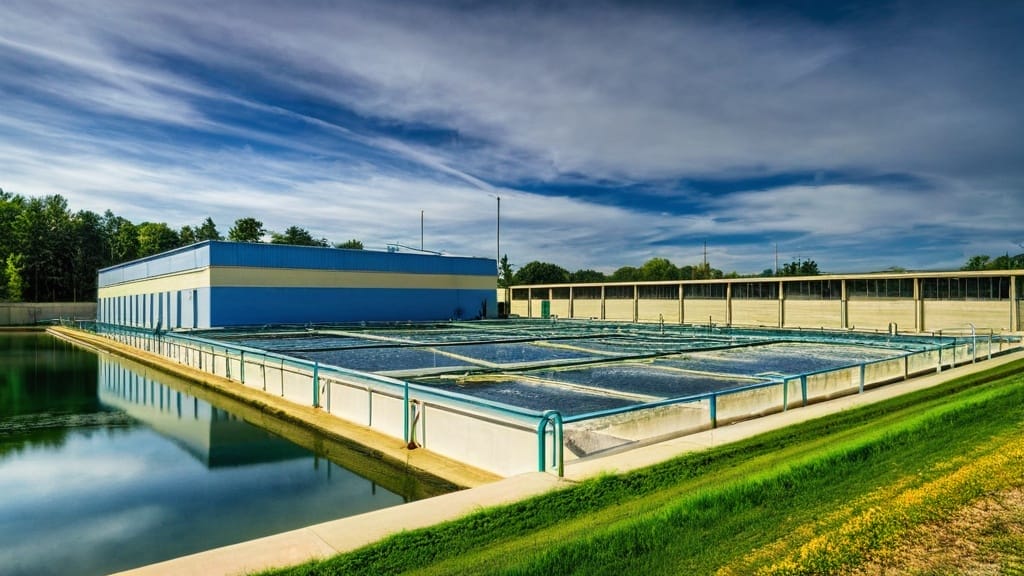
Modern challenges demand modern solutions. Technology and innovation are powerful allies in developing a more efficient, resilient, and sustainable water management system.
Advanced Monitoring and Data Analytics
Deploying smart sensors to monitor water quality, flow rates, and levels in real-time provides invaluable data. Geographic Information Systems (GIS) can map infrastructure, water sources, and consumption patterns, aiding in asset management and planning. Data analytics tools can identify trends, predict future demands, and pinpoint areas of inefficiency or potential failure, allowing for proactive interventions rather than reactive fixes. Think of this as giving your water system its own nervous system, providing immediate feedback.
Smart Water Grids
Similar to smart electricity grids, smart water grids leverage digital technologies to optimize water distribution, detect leaks, and manage pressure. Automated valves, remote monitoring, and advanced metering infrastructure (AMI) empower utilities to operate more efficiently, reduce losses, and respond quickly to issues. These systems can also provide consumers with real-time consumption data, fostering greater awareness and conservation.
Innovative Treatment Technologies
Explore cutting-edge water treatment methods, such as membrane filtration (reverse osmosis, ultrafiltration), UV disinfection, and advanced oxidation processes. These technologies can effectively remove a wider range of contaminants and make unconventional water sources, like brackish groundwater or highly impaired wastewater, viable for various uses. Research and pilot programs for new technologies, such as atmospheric water generation or bio-filtration, can also be part of a forward-looking plan.
In the quest for effective resource management, understanding the interplay between energy and water is crucial for developing a sustainable water management plan for your community. A related article discusses how energy audits, such as the one conducted at the Korba Thermal Power Station, can significantly enhance efficiency and reduce waste. By examining the findings from this audit, communities can gain insights into optimizing their water usage alongside energy consumption. For more information, you can read the article on maximizing efficiency through energy audits here.
Funding, Implementation, and Adaptive Management
| Step | Action | Key Metrics | Target Outcome |
|---|---|---|---|
| 1 | Assess Current Water Resources |
|
Comprehensive baseline data on water supply and quality |
| 2 | Engage Community Stakeholders |
|
Inclusive participation and awareness |
| 3 | Set Water Use and Conservation Goals |
|
Clear, measurable sustainability goals |
| 4 | Develop Infrastructure and Technology Plans |
|
Improved water infrastructure and technology adoption |
| 5 | Implement Education and Outreach Programs |
|
Increased community knowledge and responsible water use |
| 6 | Monitor and Evaluate Progress |
|
Ongoing assessment and plan adjustment |
A comprehensive plan is only as good as its execution and its ability to evolve. This final stage is about bringing the plan to life and ensuring its long-term viability.
Securing Funding and Resources
Sustainable water management projects often require significant capital investment. Explore various funding avenues: municipal bonds, federal and state grants, public-private partnerships, and revolving loan funds. Consider implementing water rates that accurately reflect the true cost of water treatment and delivery, including infrastructure maintenance and future upgrades. Financial sustainability is key to operationalizing your plan.
Phased Implementation and Project Management
Break down your overarching plan into manageable, phased projects. Prioritize initiatives based on risk, cost-effectiveness, and community benefit. Develop clear project scopes, timelines, budgets, and assign responsibilities. Robust project management practices, including regular progress reviews and performance metrics, are essential for staying on track.
Monitoring, Evaluation, and Adaptive Management
A sustainable water management plan is not a static document; it’s a living roadmap. Establish a framework for continuous monitoring of key performance indicators (KPIs), such as water consumption per capita, leakage rates, water quality parameters, and system reliability. Regularly evaluate the effectiveness of implemented strategies against your defined objectives.
Adaptive management means being willing to adjust your plan based on new data, changing circumstances, or unforeseen challenges. If a particular conservation program isn’t yielding the expected results, modify it. If a new contaminant emerges, adapt treatment protocols. This iterative process ensures that your community’s water management plan remains relevant, effective, and responsive to an ever-changing environment.
Developing a sustainable water management plan is a marathon, not a sprint. It demands dedication, innovation, and unwavering political will. By meticulously understanding your community’s water story, setting ambitious yet achievable goals, embracing technology, and maintaining flexibility, you can ensure that the lifeblood of your community, water, continues to flow clean and abundant for generations to come. This proactive approach lays the foundation for a resilient, healthy, and prosperous future for all.
FAQs
What is a sustainable water management plan?
A sustainable water management plan is a strategic approach designed to use water resources efficiently and responsibly to meet current and future community needs while protecting the environment. It involves assessing water supply, demand, quality, and infrastructure to ensure long-term water availability.
Why is it important for communities to develop a sustainable water management plan?
Developing a sustainable water management plan helps communities conserve water, reduce waste, protect natural ecosystems, and prepare for challenges such as droughts and population growth. It ensures reliable access to clean water and supports public health and economic stability.
What are the key components of a sustainable water management plan?
Key components include water resource assessment, demand forecasting, water conservation strategies, infrastructure maintenance and upgrades, pollution control measures, stakeholder engagement, and monitoring and evaluation systems.
How can communities involve residents in water management planning?
Communities can engage residents through public meetings, educational programs, surveys, and collaborative decision-making processes. Involving stakeholders increases awareness, encourages water-saving behaviors, and ensures the plan reflects local needs and priorities.
What role does technology play in sustainable water management?
Technology aids in monitoring water quality and usage, detecting leaks, optimizing irrigation, and managing wastewater treatment. Advanced tools like smart meters and data analytics help improve efficiency and support informed decision-making in water management.