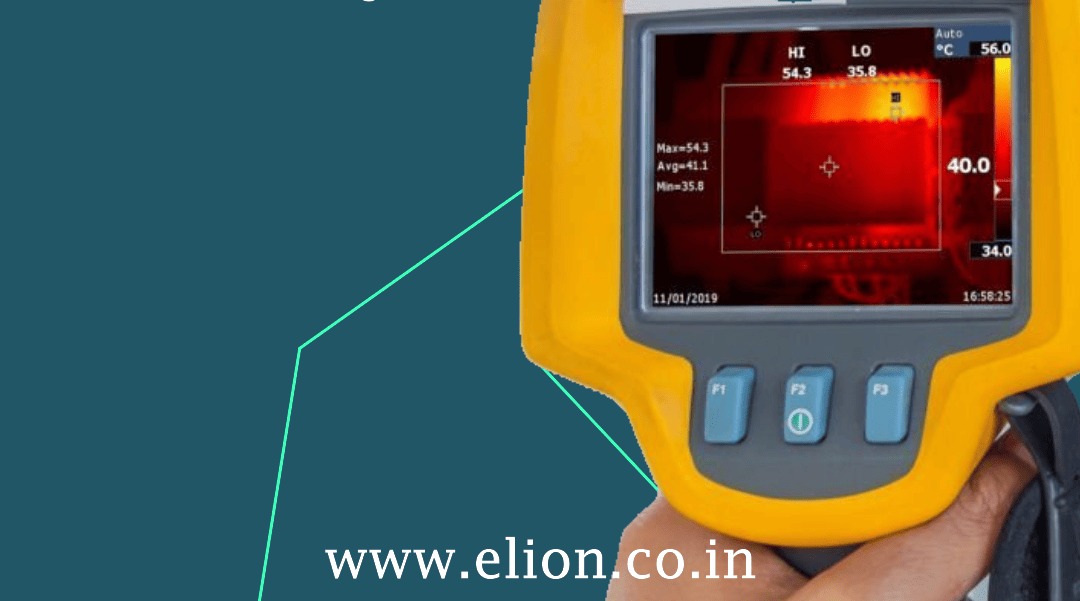
Thermography Audit
A thermography audit — also referred to as an infrared thermography inspection or thermal imaging survey — is a structured, non-contact, non-destructive engineering assessment that uses calibrated infrared cameras to detect, measure, and document surface temperature anomalies across electrical equipment, mechanical systems, building fabric, and process infrastructure. By capturing the invisible thermal radiation emitted by every physical object and converting it into quantified temperature data and visual thermal images, thermography identifies hotspots, temperature differentials, and thermal patterns that indicate developing faults, deteriorating connections, overloaded components, insulation failures, moisture ingress, and process anomalies — before these conditions escalate into equipment failures, electrical fires, safety incidents, or unplanned operational downtime.
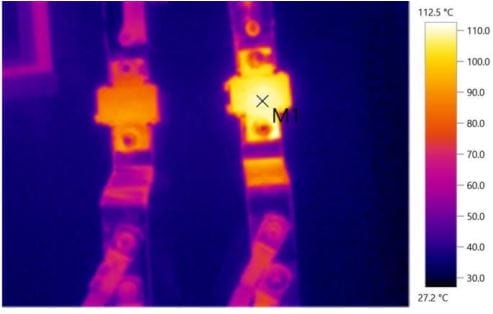
Thermography occupies a uniquely powerful position in the engineering assessment toolkit because it detects conditions that are entirely invisible to every other inspection technique at the stage when corrective action is still planned, cost-effective, and preventive. A loose or corroded electrical connection developing increased resistance generates localised heat that a thermal camera detects as a hotspot — often months before the connection deteriorates to the point of arcing, failure, or fire initiation. A refractory lining in a furnace or boiler developing a void or thinning section allows increased heat transfer to the shell — visible as a thermal anomaly in the external infrared image long before the lining fails and the process is disrupted. A roof membrane with moisture ingress retains heat differently from dry sections — identifiable in a post-sunset thermal survey long before the moisture damage becomes structurally significant or visibly apparent from below.
This predictive capability — the ability to see developing faults in their early, correctable stage — is what makes thermography audit one of the highest return-on-investment maintenance and safety tools available to industrial and commercial facility operators. The cost of identifying and correcting a loose busbar connection through a thermography audit is a fraction of the cost of replacing the switchgear assembly it would eventually destroy. The cost of identifying moisture ingress in a roof through thermal imaging is negligible compared to the structural repair and business interruption costs of the failure that undetected ingress would ultimately produce.
Why Thermography Audits Are Essential for Predictive Maintenance and Safety
The operational and safety case for periodic thermography audit in Indian industrial and commercial facilities is compelling across every engineering discipline where thermal anomalies indicate developing faults. In electrical systems — which represent the most common and highest-consequence thermography application — loose connections, overloaded conductors, unbalanced loads, failing contactors, and deteriorating insulation all generate thermal signatures that infrared thermography detects with precision and documents with photographic evidence. Electrical fires in Indian industrial and commercial facilities are a leading cause of catastrophic asset loss — and the majority originate from connection deterioration, overloading, and insulation failure conditions that thermography surveys would have identified months before ignition.
In mechanical systems, thermography detects bearing overheating before catastrophic failure, identifies hot spots in motors indicating winding faults or cooling system blockage, reveals steam trap failures through temperature differential across the trap body, and detects refractory and insulation deterioration in fired equipment. In building fabric, thermography identifies heat loss through insulation defects, moisture ingress through roof and wall elements, thermal bridging through structural members, and HVAC system air leakage — providing the building performance data that energy efficiency programmes and building envelope assessments require.
From a regulatory standpoint, thermography audit is referenced in NFPA 70B electrical equipment maintenance practice as a recommended periodic assessment technique for electrical distribution systems — and its findings are increasingly required as evidence of due diligence in insurance assessments, safety case development, and regulatory compliance programmes across Indian industrial and commercial sectors.
Applicable Standards and Regulatory Framework
Thermography audit methodology and infrared inspection practice are governed by a framework of technical standards and industry references, including:
- IEC 60068-14 — Environmental testing standard referencing thermal assessment methodology applicable to electrical and electronic equipment inspection
- IEC TR 62527 — Technical report on the use of infrared thermography for condition monitoring and diagnostics of electrical equipment
- NFPA 70B — Recommended Practice for Electrical Equipment Maintenance, specifically recommending periodic infrared thermography inspection of electrical distribution systems as a core predictive maintenance technique
- NFPA 70E — Standard for Electrical Safety in the Workplace, within which thermography findings inform arc flash hazard assessment and electrical safety programme development
- IEEE 1106 — IEEE Recommended Practice for Installation, Maintenance, Testing, and Replacement of Vented Nickel-Cadmium Batteries for Stationary Applications, referencing thermal assessment
- ISO 18434-1 — International standard for condition monitoring and diagnostics of machines — thermography — general procedures, providing the methodology framework for machine thermography applications
- ISO 10878 — Non-destructive testing — infrared thermography — vocabulary, providing standardised terminology for thermography assessment documentation
- ASTM E1213 — Standard test method for minimum resolvable temperature difference for thermal imaging systems, governing infrared camera performance characterisation
- ASTM E1899 — Standard test method for calibration of thermal imaging cameras, applicable to instrument calibration verification
- ASTM E1934 — Standard guide for examining electrical and mechanical equipment with infrared thermography, providing application methodology guidance
- BS EN 16714 series — European standard for non-destructive testing — thermographic testing, providing methodology and qualification requirements for thermography practitioners
- CEA (Measures Relating to Safety and Electric Supply) Regulations, 2010 — Within which thermography findings contribute to electrical installation safety compliance evidence
- IS 14489 — Indian Standard code of practice for occupational safety and health audit, within which thermographic survey of electrical equipment is a recognised assessment technique
- Factories Act, 1948 — Mandating safe electrical installations and equipment maintenance, within which thermography provides documented evidence of proactive safety management
- OISD Standards — Specifying predictive maintenance requirements for petroleum sector electrical and mechanical equipment, within which infrared thermography is an accepted condition monitoring technique
- BEE Guidelines and IS 14885 — Energy audit methodology references incorporating thermographic assessment of building envelope, HVAC systems, and process equipment as energy loss identification tools
- ISO 45001 — Occupational Health and Safety Management System standard requiring systematic verification of electrical and mechanical safety controls, within which thermography provides non-invasive condition assessment data
- ISO 50001 — Energy Management System standard within which thermographic assessment of insulation, steam systems, and building fabric contributes to energy performance baseline and improvement opportunity identification
- NFPA 13 — Standard for Installation of Sprinkler Systems, referencing thermal assessment in suppression system maintenance contexts
- NBC 2016 — National Building Code, within whose building services assessment scope thermographic survey of electrical systems, HVAC equipment, and building envelope is applied
For industrial insurance underwriting purposes, thermography audit findings are increasingly required documentation — with many industrial and commercial property insurers specifying annual infrared inspection of electrical distribution systems as a condition of coverage, and with thermography reports forming primary evidence in insurance claim assessments where electrical fire origin is under investigation.
Industries Where Thermography Audits Are Relevant
Thermography audit delivers value across every category of facility that operates electrical infrastructure, mechanical equipment, heated process systems, or enclosed building fabric — which encompasses virtually the complete spectrum of Indian industrial and commercial operations. Manufacturing plants with large electrical distribution networks, motor control centres, and process heating equipment represent among the most productive thermography audit environments — where a single survey across a complex distribution system consistently identifies multiple connection deficiencies, equipment hotspots, and developing faults whose correction prevents equipment damage and potential fire events. Refineries and petrochemical facilities use thermography for refractory and insulation condition assessment, steam system maintenance, rotating equipment bearing monitoring, and electrical system predictive maintenance across environments where the consequence of undetected equipment failure includes fire, explosion, and toxic release. Data centres with high-density power distribution and zero-tolerance operational continuity requirements depend on thermography to identify connection issues and cooling system anomalies before they cause server failures or power distribution incidents. Hospitals use thermography for electrical safety compliance, building envelope assessment, and HVAC system maintenance in environments where electrical incidents and facility failures have direct patient safety consequences.
The Role of Independent Engineering Assessment
An independent thermography audit provides the technical objectivity, thermography engineering expertise, and diagnostic interpretation capability that in-house maintenance teams and equipment vendor service programmes cannot consistently deliver. Thermographic image interpretation requires specialist knowledge — distinguishing genuine fault conditions from normal operational temperature variations, emissivity-related imaging artefacts, reflected thermal signatures, and environmental effects that can produce misleading thermal patterns to untrained observers. Elion’s thermography engineers hold internationally recognised infrared thermography certification — conducting surveys using calibrated cooled and uncooled focal plane array infrared cameras under the controlled conditions that produce reliable, interpretable thermal data, and applying structured diagnostic methodology to produce findings that are technically accurate, severity-classified, and accompanied by corrective action recommendations proportionate to the identified risk.
Articles, Case Studies, and Technical Resources on Thermography Audit
This category is a dedicated knowledge hub for electrical engineers, mechanical engineers, maintenance professionals, facility managers, energy auditors, HSE professionals, and compliance officers seeking technically authoritative information on infrared thermography methodology, thermal imaging application across engineering disciplines, and predictive maintenance programme development.
Resources published here include:
- Real project case studies from thermography audit engagements conducted at Indian industrial, commercial, banking, and infrastructure facilities — documenting hotspots identified, fault severity classifications applied, equipment failures predicted and prevented, and corrective actions recommended and implemented
- Technical articles on thermography methodology, infrared camera selection and operation, emissivity management, thermal image interpretation, and severity classification frameworks for electrical and mechanical thermography applications
- Industry best practices for thermography audit programme design, survey frequency determination, thermal image documentation standards, and integration of thermography findings into predictive maintenance and electrical safety programmes
- Engineering methodology explainers covering specific thermography applications — electrical switchgear and distribution panel surveys, motor and rotating equipment thermal assessment, building envelope thermography, roof moisture survey, steam trap survey, refractory condition assessment, and HVAC system thermal inspection
- Compliance references linking thermography audit requirements to NFPA 70B, CEA Electrical Safety Regulations, OISD predictive maintenance standards, IS 14489 safety audit requirements, and insurance underwriting thermography obligations
- Predictive maintenance content covering thermography integration with vibration analysis, oil analysis, and other condition monitoring techniques within comprehensive predictive maintenance programme frameworks
- Insurance and risk management content covering thermography as evidence of electrical safety due diligence, thermography findings in property insurance assessment, and thermal imaging documentation in post-incident investigation
Whether you are conducting periodic electrical system thermography for safety compliance, implementing a predictive maintenance programme for rotating equipment, assessing building envelope thermal performance, surveying steam systems for trap failures and insulation defects, investigating a recurring equipment failure pattern, preparing evidence for insurance compliance requirements, or managing multi-site thermography programmes across a large facility portfolio, the technical resources in this category provide the thermal engineering depth and application methodology needed to deploy thermography with the technical rigour that predictive maintenance and safety management demand.
Professional Thermography Audit Services by Elion
Elion Technologies & Consulting Pvt. Ltd. delivers independent thermography audit services for industrial, commercial, banking, healthcare, and infrastructure facilities across India. Our certified thermography engineers conduct comprehensive infrared inspections using calibrated high-resolution infrared cameras — covering electrical distribution panels and switchgear, motor control centres, transformers, busbar systems and cable terminations, motors and rotating equipment, steam traps and distribution pipework, refractory and insulation systems, building envelope and roof moisture surveys, HVAC equipment and air distribution systems, and process equipment thermal assessment — producing detailed thermography reports with calibrated thermal images, temperature data, fault severity classifications, photographic documentation, and prioritised corrective action recommendations referenced against NFPA 70B severity criteria and applicable Indian electrical safety standards.
To understand our survey methodology, scope of assessment, and how an independent thermography audit can support your facility’s predictive maintenance programme, electrical safety compliance, energy performance assessment, and insurance documentation requirements, visit our dedicated service page:
👉 Thermography Audit Services by Elion
Industries Where Thermography Audits Are Critical
- Manufacturing plants — automotive, engineering, textile, and process industries with large electrical and mechanical infrastructure
- Oil, gas, and petrochemical refineries, terminals, and processing facilities
- Chemical and specialty chemical manufacturing plants with process heating and fired equipment
- Pharmaceutical and biotech manufacturing facilities with critical process and utility systems
- Data centres and mission-critical IT infrastructure facilities
- Hospitals, healthcare institutions, and large medical facility networks
- Banks, financial institutions, and large data processing centres
- Hotels, resorts, and large hospitality establishment portfolios
- Steel, cement, and primary metals processing facilities with high-temperature process equipment
- Power generation plants and electrical substation installations
- Warehouses, cold storage facilities, and logistics infrastructure
- Commercial high-rise buildings and large corporate campuses
- Educational institutions and large university campus electrical networks
- Airports, metro rail systems, and large transport infrastructure
- Food and beverage processing and packaging facilities with process heating systems
Technical Topics Covered in This Knowledge Hub
Articles and case studies in this category address the complete technical landscape of thermography audit, infrared inspection methodology, and thermal imaging application across engineering disciplines, including:
- Thermography fundamentals — infrared radiation principles, emissivity, Stefan-Boltzmann law, and thermal camera operation basics
- Infrared camera selection — cooled versus uncooled detector technology, resolution requirements, temperature range specification, and lens selection for electrical and mechanical applications
- Emissivity management — emissivity value determination, correction methodology, reflective surface handling, and emissivity tape application for accurate temperature measurement
- Survey conditions management — load level requirements for electrical thermography, ambient temperature effects, solar loading considerations, and wind speed impact on thermal patterns
- Electrical distribution panel thermography — busbar connection assessment, circuit breaker thermal profiling, and phase imbalance identification
- Switchgear and motor control centre survey — contactor and relay thermal assessment, cable lug connection inspection, and incoming supply thermal profiling
- Transformer thermal survey — tank hotspot identification, radiator performance assessment, and tap changer thermal evaluation
- Busbar and cable termination survey — connection resistance hotspot identification, insulation thermal assessment, and tray fill overloading detection
- Motor thermal survey — bearing overheating detection, winding fault identification, cooling system blockage assessment, and rotor bar fault thermal signature recognition
- Rotating equipment thermal assessment — pump bearing temperature profiling, coupling thermal evaluation, and gearbox hotspot identification
- Steam trap survey — failed-open and failed-closed trap identification, trap type-specific thermal signature interpretation, and survey route planning
- Steam distribution system survey — pipe insulation defect identification, condensate pocket location, and heat loss quantification from thermal imaging data
- Refractory and furnace thermal survey — hot face temperature profiling, refractory thinning and void identification, and shell overheating pattern analysis
- Boiler thermal survey — casing hotspot identification, insulation defect mapping, and combustion zone thermal profiling
- Building envelope thermography — insulation defect identification, thermal bridging characterisation, air infiltration detection, and energy loss mapping
- Roof moisture survey — post-sunset thermal survey methodology, wet insulation identification, moisture ingress boundary mapping, and survey timing optimisation
- HVAC system thermography — chiller thermal profiling, air handling unit coil assessment, duct leakage detection, and fan motor bearing evaluation
- Electrical substation thermography — outdoor switchgear inspection, cable joint thermal assessment, and disconnector contact condition evaluation
- Solar PV system thermography — cell hotspot identification, bypass diode failure detection, soiling pattern assessment, and string performance comparison
- UPS and battery system thermography — battery cell overheating detection, charger component thermal profiling, and bus connection assessment
- Severity classification frameworks — NFPA 70B temperature rise criteria, Delta-T based classification, absolute temperature limit comparison, and risk-based priority assignment
- Thermal image documentation standards — image capture requirements, visible light image pairing, temperature marker placement, and report image quality criteria
- Thermography report structure — finding documentation format, thermal and visual image presentation, severity classification table, and corrective action recommendation content
- Quantitative versus qualitative thermography — temperature measurement accuracy requirements, calibration verification, and uncertainty assessment for quantitative applications
- Thermography certification and competency — ITC, ASNT, and ISO 18436 thermography qualification levels and their application requirements
- Thermography programme design — survey frequency determination, equipment prioritisation, survey route planning, and seasonal timing optimisation
- Integration with predictive maintenance programmes — thermography data management, trend analysis, and combined condition monitoring strategy development
- Insurance thermography requirements — survey frequency, report content, severity finding response obligations, and documentation retention
- Common thermography findings and fault patterns identified during Indian industrial and commercial facility surveys
- Post-remediation thermography verification — corrective action effectiveness confirmation and clearance thermal imaging methodology
- Thermography as evidence in electrical incident investigation — thermal imaging documentation of fault conditions and post-incident origin assessment
Elion’s Engineering Authority in Thermography Audits
Since 2010, Elion Technologies & Consulting Pvt. Ltd. has established itself as one of India’s most experienced independent engineering audit and predictive maintenance consultancies. With over 30,000 audits completed across manufacturing, banking, hospitality, refinery, pharmaceutical, healthcare, and infrastructure sectors spanning every region of India, Elion has conducted thermography audits across the complete spectrum of Indian industrial and commercial facility types — from comprehensive electrical distribution surveys in large manufacturing complexes with hundreds of distribution panels and motor control centres, to refractory and steam system thermal inspections in refineries and chemical plants, building envelope surveys in large commercial developments, and process equipment thermography in pharmaceutical and food processing facilities with critical temperature-controlled production environments. This extraordinary breadth of cross-industry thermography experience provides the application methodology knowledge, fault pattern recognition capability, severity assessment expertise, and regulatory framework understanding that distinguishes Elion’s thermography audit practice from generic maintenance inspection services and equipment manufacturer service visits.
Our thermography audit engagements are conducted by certified infrared thermography engineers holding internationally recognised thermography qualifications — using calibrated high-resolution infrared cameras with current calibration certificates, deploying structured survey methodology under controlled loading and environmental conditions, and applying diagnostic interpretation frameworks aligned with NFPA 70B severity criteria, IEC TR 62527 electrical equipment thermography guidance, ISO 18434 machine thermography methodology, and applicable OISD and CEA electrical safety standards. As a fully independent consultancy with no affiliation to electrical equipment manufacturers, switchgear suppliers, maintenance contractors, insulation material suppliers, or refractory specialists, Elion delivers thermography audit findings that are technically objective, commercially unbiased, and focused entirely on providing clients with accurate, calibrated thermal assessment data and engineering-grounded corrective action recommendations that genuinely protect electrical infrastructure, prevent equipment failures, identify energy losses, and sustain the operational reliability that India’s demanding industrial and commercial environments require.
Every thermography audit report produced by Elion is structured to serve as a technically defensible document for CEA regulatory inspections, OISD predictive maintenance compliance submissions, insurance underwriting assessments, electrical safety management programme evidence, condition-based maintenance decision-making, energy performance assessment, and management engineering infrastructure governance — giving electrical engineers, mechanical engineers, facility managers, maintenance professionals, and safety officers the independently conducted, calibrated infrared thermography assessment required to manage physical asset condition with the predictive engineering intelligence, thermal measurement rigour, and proactive maintenance discipline that preventing equipment failures, protecting personnel safety, and sustaining operational continuity in India’s industrial and commercial facilities demands.