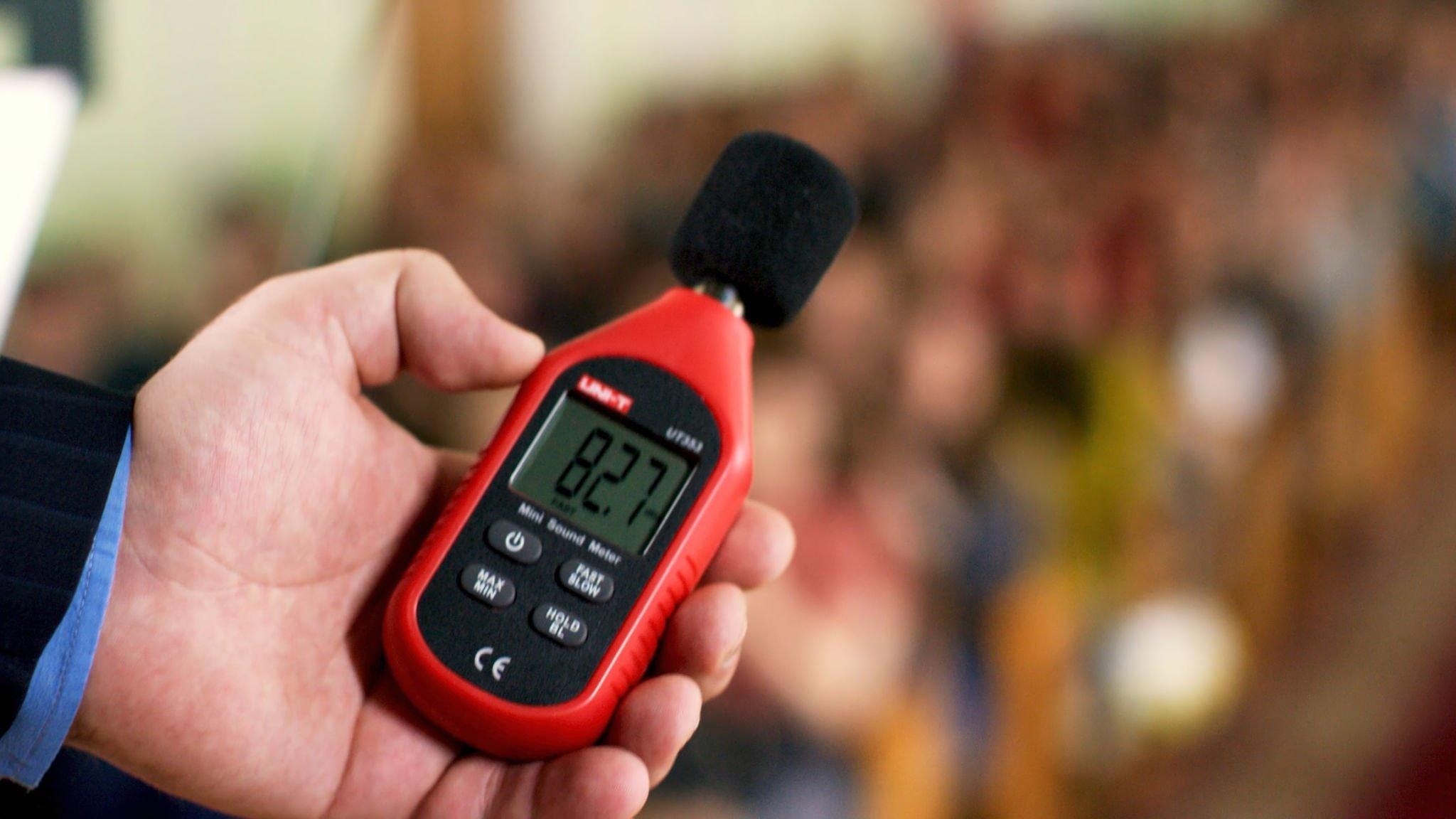
Noise Level Testing
Here is the fully optimized WordPress category page content for Noise Level Testing:
META TITLE
Noise Level Testing Articles, Case Studies & Technical Insights | Elion(71 characters — precise and keyword-targeted)
META DESCRIPTION
Explore noise level testing articles, case studies & engineering insights by Elion — India's trusted occupational noise and safety compliance consultancy since 2010.(164 characters — clean alternative below:)
Noise level testing articles, case studies & technical insights by Elion — India's trusted industrial noise and safety compliance consultancy since 2010.(153 characters)
PAGE CONTENT
Noise Level Testing: Engineering Knowledge Hub
Noise level testing is a structured, instrument-based engineering assessment that measures, documents, and evaluates the sound pressure levels present in workplace environments — at fixed area monitoring locations, at worker positions during specific operational tasks, and at facility boundaries where community noise impact must be assessed. Using calibrated sound level meters, noise dosimeters, and octave band analysers deployed according to systematic measurement protocols, it quantifies worker noise exposure against occupational exposure limits, verifies compliance with ambient noise standards at facility boundaries, and produces the documented, evidence-based noise assessment data that occupational health management, regulatory compliance, and engineering noise control programmes require.
Noise is one of the most prevalent and extensively underestimated occupational health hazards in Indian industry. Noise-induced hearing loss — the permanent, irreversible destruction of cochlear hair cells caused by sustained exposure to high sound pressure levels — is the most common occupational disease in manufacturing and heavy industrial environments globally, and among the most prevalent in India. Unlike many occupational diseases that present with early warning symptoms, noise-induced hearing loss is entirely painless in its progression. Workers are unaware that irreversible damage is occurring until the hearing loss has advanced to a level that affects speech communication and daily life — at which point the damage is complete and no medical intervention can restore what has been lost.
The insidious nature of noise-induced hearing loss makes systematic noise level testing not merely a regulatory obligation but a genuine occupational health imperative. Workers cannot protect themselves from a hazard they cannot perceive accumulating. Facility operators cannot manage noise exposure they have not measured. And the regulatory and legal consequences of failing to protect workers from a well-understood, measurable, and controllable occupational health hazard are increasingly significant in India’s evolving occupational safety enforcement environment.
Beyond occupational health, noise level testing addresses community noise impact — measuring boundary noise levels against the permissible limits established by India’s Noise Pollution Rules to ensure that facility operations do not create nuisance or health impacts for neighbouring residential, commercial, or sensitive receptor communities. In urban and peri-urban industrial locations, boundary noise compliance is an increasingly active regulatory enforcement area — with complaints, NGT proceedings, and SPCB enforcement actions all providing direct regulatory consequence for facilities operating without documented noise compliance programmes.
Why Noise Level Testing Is Essential for Occupational Health and Regulatory Compliance
The occupational health case for systematic noise level testing rests on an incontrovertible physiological reality: noise-induced hearing loss is permanent, cumulative, and dose-dependent. Every day of unprotected exposure above the damage threshold adds incrementally to a lifetime hearing loss burden that cannot be reversed. Workers in high-noise manufacturing, process, and construction environments who spend careers without adequate noise control and hearing protection accumulate hearing damage that progressively impairs their quality of life, social function, and employment capability. This is not an acceptable occupational health outcome — and it is one that systematic noise measurement, followed by engineering control and hearing conservation programme implementation, is proven to prevent.
The regulatory case for noise level testing is equally compelling. India’s occupational safety legislation places explicit noise exposure limits on employers and requires documented evidence of noise assessment, control implementation, and health surveillance as components of the hearing conservation programme that high-noise workplaces must operate. Factory inspectorates and occupational health authorities increasingly examine noise assessment documentation as a primary indicator of occupational health management programme maturity — with enforcement actions ranging from improvement notices to prosecution for persistent non-compliance.
The community noise compliance case adds a third dimension — particularly for facilities in mixed industrial-residential areas where boundary noise levels are subject to active monitoring by SPCB officers and neighbour complaints create direct regulatory and legal exposure for non-compliant operators.
Applicable Standards and Regulatory Framework
Noise level testing and occupational noise management in India are governed by a comprehensive framework of statutory regulations and technical standards, including:
- Factories Act, 1948 and State Factories Rules — Mandating protection of workers from excessive noise exposure, with specific permissible noise exposure limits and noise control obligations prescribed in State Rules schedules across work area and exposure duration categories
- Occupational Safety, Health and Working Conditions (OSH) Code, 2020 — Consolidating occupational noise exposure obligations across all employment categories, establishing maximum permissible noise exposure limits and employer hearing conservation programme obligations
- Noise Pollution (Regulation and Control) Rules, 2000 — Establishing ambient noise standards by zone classification — industrial, commercial, residential, and silence zones — with day and night time permissible limits applicable to facility boundary noise measurement
- Environment Protection Act, 1986 — The overarching statutory framework within which Noise Pollution Rules operate, providing enforcement powers for boundary noise violations
- IS 9779 — Indian Standard for measurement of noise emitted by machinery and equipment
- IS 14490 — Indian Standard code of practice for measurement of noise at workplaces and estimation of noise-induced hearing impairment
- IS 3483 — Indian Standard for noise reduction in industrial buildings
- IEC 61672 series — International standards for sound level meters, specifying Class 1 and Class 2 instrument performance requirements and calibration obligations
- IEC 61252 — International standard for personal sound exposure meters, specifying performance requirements for noise dosimeters used in personal noise exposure assessment
- ISO 9612 — International standard for determination of occupational noise exposure — engineering method, providing the internationally adopted methodology for systematic workplace noise measurement and exposure assessment
- ISO 1999 — International standard for acoustics — estimation of noise-induced hearing loss, providing the epidemiological model for predicting hearing damage risk from measured noise exposure levels
- ISO 3744 and ISO 3746 — International standards for sound power level determination of noise sources using sound pressure measurement, applicable to machinery noise emission assessment
- ACGIH Threshold Limit Values for Noise — American Conference of Governmental Industrial Hygienists noise exposure criteria, internationally referenced for occupational noise risk assessment
- OSHA 29 CFR 1910.95 — United States Occupational Safety and Health Administration noise standard, internationally referenced for hearing conservation programme design elements
- National Building Code (NBC) 2016 — Incorporating acoustic design requirements and noise control provisions for commercial and institutional buildings
- Mines Act, 1952 and Mines Rules, 1955 — Governing noise exposure and hearing conservation requirements in mining and mineral extraction operations
- Building and Other Construction Workers Act, 1996 — Establishing noise control and hearing protection obligations for construction activities
- OISD Standards — Governing occupational noise management requirements in petroleum sector facilities
- ISO 45001 — Occupational Health and Safety Management System standard requiring systematic identification, assessment, and control of noise as a recognised occupational health hazard
For facilities classified as major noise generators under the Noise Pollution Rules — including manufacturing plants, power generation installations, and large industrial complexes in proximity to residential areas — documented boundary noise measurement and compliance assessment is a condition of Consent to Operate and a subject of active SPCB enforcement.
Industries Where Noise Level Testing Is Relevant
Occupational and community noise is generated wherever machinery, processes, vehicles, and industrial activities produce sound pressure levels above the damage threshold — which encompasses the vast majority of Indian manufacturing, process, construction, and heavy service industry environments. Steel plants and primary metals processing facilities generate among the highest occupational noise exposure profiles of any industrial sector — with furnace operations, rolling mills, and material handling producing sustained noise levels that create severe hearing loss risk without comprehensive noise control and hearing conservation programmes. Textile mills with high-speed looms and weaving machinery generate intense broadband noise that has historically produced occupational hearing loss in workers across India’s textile manufacturing regions. Manufacturing plants with stamping, pressing, forging, and machining operations generate impact and continuous noise that requires systematic measurement and control. Construction sites with heavy plant, pneumatic tools, and concrete breaking operations present dynamic noise exposure environments requiring continuous assessment and hearing protection management. Airports, power generation plants, and large infrastructure facilities generate boundary noise levels that require systematic monitoring against Noise Pollution Rules permissible limits.
The Role of Independent Engineering Assessment
An independent noise level testing programme provides the calibrated measurement data, exposure assessment methodology, and engineering objectivity that internal occupational health assessments and maintenance team surveys cannot reliably deliver. Elion’s occupational health engineers conduct noise assessments using calibrated Class 1 sound level meters and integrating sound level meters compliant with IEC 61672 — applying ISO 9612 workplace measurement methodology, systematic area survey protocols, personal noise dosimetry for high-exposure workers, octave band frequency analysis for noise control engineering, and boundary noise measurement according to Noise Pollution Rules requirements — producing findings that are measurement-evidenced, standards-referenced, and accompanied by engineering recommendations for noise control, hearing conservation, and regulatory compliance.
Articles, Case Studies, and Technical Resources on Noise Level Testing
This category is a dedicated knowledge hub for occupational health and safety professionals, industrial hygienists, facility engineers, HSE managers, environmental compliance officers, and plant managers seeking technically reliable information on workplace noise measurement, occupational hearing loss prevention, and community noise compliance management.
Resources published here include:
- Real project case studies from noise level testing engagements conducted at Indian industrial, commercial, and infrastructure facilities — documenting noise exposure levels measured, high-risk work areas identified, hearing loss risk quantified, boundary noise compliance status assessed, and noise control and hearing conservation recommendations implemented
- Technical articles on noise measurement methodology, personal noise dosimetry, octave band analysis, noise mapping techniques, and hearing loss risk prediction using ISO 1999 methodology
- Industry best practices for hearing conservation programme development, noise control engineering priority determination, audiometric surveillance programme design, and hearing protection selection and fit-testing
- Regulatory compliance guides covering Factories Act noise exposure limit obligations, OSH Code hearing conservation requirements, Noise Pollution Rules boundary limit compliance, ISO 45001 noise hazard management integration, and OISD petroleum sector noise management standards
- Engineering methodology explainers covering specific testing components — ISO 9612 work shift noise exposure measurement, personal noise dosimeter deployment and data extraction, octave band frequency analysis for source characterisation, noise mapping methodology, and boundary noise measurement against Noise Pollution Rules zone standards
- Noise control engineering content covering engineering control hierarchy application, acoustic enclosure design principles, vibration isolation assessment, damping material specification, and noise barrier effectiveness evaluation
- Occupational health content covering noise-induced hearing loss pathophysiology, audiometric surveillance programme design, hearing protection adequacy assessment, and hearing conservation programme effectiveness evaluation
Whether you are conducting workplace noise assessment for the first time, reviewing a hearing conservation programme, investigating a worker hearing loss compensation claim, preparing for a factory inspectorate inspection, responding to a community noise complaint, developing noise control engineering solutions for a high-noise production area, or managing boundary noise compliance under the Noise Pollution Rules, the technical resources in this category provide the engineering and regulatory depth needed to manage occupational and environmental noise with measurement rigour and genuine health protection commitment.
Professional Noise Level Testing Services by Elion
Elion Technologies & Consulting Pvt. Ltd. delivers independent noise level testing services for industrial, manufacturing, commercial, infrastructure, and construction facilities across India. Our occupational health and environmental engineering teams conduct comprehensive noise assessments using calibrated Class 1 sound level meters and personal noise dosimeters — covering area noise surveys across all work zones, personal noise exposure measurement for representative worker groups, octave band frequency analysis for noise source characterisation and control engineering, noise mapping for facility-wide exposure profile development, machinery noise emission measurement, boundary noise measurement against Noise Pollution Rules permissible limits, and hearing conservation programme adequacy assessment — producing detailed measurement reports with noise exposure data, standard compliance assessment, hearing loss risk quantification, boundary limit compliance status, and prioritised engineering control and hearing conservation recommendations.
To understand our measurement methodology, scope of assessment, and how independent noise level testing can support your facility’s occupational health management, hearing conservation programme, and regulatory compliance objectives, visit our dedicated service page:
👉 Noise Level Testing Services by Elion
Industries Where Noise Level Testing Is Critical
- Steel plants, rolling mills, and primary metals processing facilities
- Textile mills — weaving, spinning, and fabric processing operations
- Manufacturing plants — automotive, stamping, pressing, forging, and machining facilities
- Construction sites and large-scale infrastructure development projects
- Mining and mineral extraction and processing operations
- Oil, gas, and petrochemical refineries, compressor stations, and processing facilities
- Paper, pulp, and packaging manufacturing plants
- Food and beverage processing and packaging facilities
- Chemical and specialty chemical manufacturing plants
- Power generation plants — thermal, hydro, and gas turbine installations
- Airports, flight operations, and ground handling facilities
- Cement and construction materials manufacturing facilities
- Pharmaceutical and biotech manufacturing plants with high-speed production equipment
- Printing and publishing facilities
- Rubber, tyre, and plastics manufacturing operations
Technical Topics Covered in This Knowledge Hub
Articles and case studies in this category address the complete technical and regulatory landscape of noise level testing, occupational noise exposure assessment, and community noise compliance management, including:
- Noise measurement fundamentals — sound pressure level, sound power level, frequency weighting, A-weighting, and time-weighted average noise exposure concepts
- ISO 9612 workplace noise measurement methodology — measurement strategy selection, work task identification, measurement duration determination, and uncertainty evaluation
- Area noise survey methodology — measurement grid design, sound level meter positioning, background noise correction, and area noise map development
- Personal noise dosimetry — dosimeter selection, worker attachment procedure, logging interval selection, data extraction, and TWA exposure calculation
- Noise exposure limit comparison — Factories Act permissible limits, OSH Code thresholds, and ACGIH TLV comparison with measured exposure data
- Octave band frequency analysis — one-third octave band measurement, frequency spectrum interpretation, dominant frequency identification, and noise source characterisation
- Noise mapping — facility-wide noise exposure profile development, high-risk zone identification, and exposure contour map production
- ISO 1999 hearing loss risk prediction — noise exposure level, exposure duration, and percentage hearing impairment prediction for worker populations
- Hearing conservation programme design — noise measurement trigger levels, engineering control priority determination, hearing protection zone designation, and audiometric surveillance integration
- Hearing protection selection — noise attenuation requirement calculation, SNR and HML method application, fit-testing programme design, and comfort and compliance management
- Engineering noise control hierarchy — elimination, substitution, isolation, damping, enclosure, barriers, and administrative control application and effectiveness assessment
- Acoustic enclosure design — insertion loss calculation, material selection, ventilation provision, and maintenance access design for noisy machinery
- Vibration isolation assessment — vibration transmission path identification, isolator selection, and noise reduction through vibration control
- Noise barrier design and effectiveness — insertion loss calculation, barrier height and length adequacy, flanking path identification, and field performance verification
- Machinery noise emission measurement — ISO 3744 and ISO 3746 sound power determination methodology and noise labelling compliance assessment
- Boundary noise measurement — measurement position selection, measurement duration, background noise assessment, and Noise Pollution Rules zone limit compliance
- Noise Pollution Rules compliance assessment — zone classification verification, day and night time limit comparison, and exceedance quantification
- Community noise complaint investigation — noise source identification, propagation path assessment, receptor impact quantification, and mitigation measure design
- Audiometric surveillance programme design — pre-employment baseline audiometry, periodic surveillance frequency, referral threshold determination, and record-keeping requirements
- Hearing conservation programme effectiveness evaluation — audiometric data trend analysis, standard threshold shift identification, and programme improvement based on health surveillance findings
- Noise exposure assessment for specific occupations — forklift operators, maintenance workers, security personnel, and other non-production worker exposure characterisation
- Noise in non-industrial environments — office noise assessment, call centre acoustic environment evaluation, and open-plan workplace noise management
- Construction site noise management — BS 5228 methodology application, noise prediction modelling, and community impact assessment
- Common noise measurement findings and occupational hearing loss risk patterns identified during Indian workplace noise assessments
- Post-control noise measurement — engineering control effectiveness verification, residual exposure assessment, and hearing protection requirement review following noise reduction implementation
- Noise level testing programme design — assessment frequency, worker prioritisation, measurement methodology selection, and integration with occupational health surveillance
Elion’s Engineering Authority in Noise Level Testing
Since 2010, Elion Technologies & Consulting Pvt. Ltd. has established itself as one of India’s most experienced independent engineering audit and occupational safety compliance consultancies. With over 30,000 audits completed across manufacturing, banking, hospitality, refinery, pharmaceutical, healthcare, construction, and infrastructure sectors spanning every region of India, Elion has conducted noise level testing across the complete spectrum of Indian industrial and commercial noise environments — from low-noise pharmaceutical clean rooms and hospital clinical environments to high-intensity steel rolling mills, textile weaving sheds, heavy forging shops, and large compressor station installations where noise exposure levels represent among the most severe occupational hearing loss risks present in Indian industry. This extraordinary breadth of cross-industry noise measurement experience provides the exposure assessment expertise, source characterisation knowledge, and control engineering understanding that distinguishes Elion’s noise level testing practice from routine occupational health checks and maintenance team sound level surveys.
Our noise level testing engagements are conducted by qualified occupational health and environmental engineers using calibrated Class 1 sound level meters and personal noise dosimeters compliant with IEC 61672 and IEC 61252 — maintained with current calibration certificates traceable to national measurement standards — applying ISO 9612 workplace noise measurement methodology, systematic area survey protocols, octave band frequency analysis, and Noise Pollution Rules boundary measurement procedures to produce noise assessment findings that are measurement-evidenced, exposure-calculated, risk-quantified, and regulatory-referenced across Factories Act, OSH Code, Noise Pollution Rules, and applicable sector-specific standards. As a fully independent consultancy with no affiliation to hearing protection manufacturers, noise control equipment suppliers, acoustic engineering contractors, or occupational health service providers, Elion delivers noise level testing findings that are technically objective, commercially unbiased, and focused entirely on providing clients with accurate, calibrated noise exposure data and engineering-grounded recommendations that genuinely protect worker hearing, satisfy regulatory compliance obligations, and manage community noise impact responsibly.
Every noise level testing report produced by Elion is structured to serve as a technically defensible document for factory inspectorate and OSH regulatory inspections, SPCB boundary noise compliance submissions, ISO 45001 certification audits, worker compensation proceedings for noise-induced hearing loss claims, insurance underwriting assessments, and management occupational health governance — giving safety engineers, plant managers, facility operators, occupational health professionals, and environmental compliance officers the independently verified, calibrated noise measurement dataset and exposure assessment required to manage occupational and environmental noise with the engineering rigour, regulatory credibility, and genuine commitment to worker health protection that India’s evolving occupational safety and environmental compliance landscape demands.