
Elion, a leader in safety and risk management consulting, has developed a comprehensive approach to process safety audits that is particularly relevant in high-risk industries such as gas handling. The process safety audit is a systematic evaluation designed to identify potential hazards, assess risks, and ensure compliance with regulatory standards. By employing a structured methodology, Elion aims to enhance the safety culture within organizations and mitigate the risks associated with gas handling operations.
The audit process not only focuses on compliance but also emphasizes the importance of proactive measures to prevent incidents that could lead to catastrophic outcomes. The significance of Elion’s process safety audit lies in its ability to provide organizations with a clear understanding of their safety performance and areas for improvement. Through detailed assessments, Elion helps facilities identify weaknesses in their safety management systems and operational practices.
This proactive approach is essential in an industry where the consequences of failures can be severe, affecting not only the facility but also the surrounding community and environment. By fostering a culture of safety and continuous improvement, Elion’s audits contribute to the overall resilience of gas handling facilities.
Key Takeaways
- Elion’s Process Safety Audit is a comprehensive evaluation aimed at enhancing safety in gas handling facilities.
- Process safety is critical in gas handling to prevent accidents and ensure operational integrity.
- The audit methodology includes specific criteria tailored to identify risks and compliance gaps.
- Key findings from the audit led to actionable recommendations for improving safety measures.
- Implementation of these recommendations resulted in measurable safety improvements and informed future safety strategies.
Importance of Process Safety in Gas Handling Facilities
Process safety is critical in gas handling facilities due to the inherent risks associated with the storage, transportation, and processing of flammable gases. These facilities operate under conditions where even minor lapses in safety can lead to significant incidents, including explosions, fires, and toxic releases. The complexity of gas handling operations, combined with the potential for human error and equipment failure, underscores the necessity for robust process safety management systems.
Effective process safety practices not only protect employees and assets but also safeguard the environment and public health. Moreover, regulatory bodies impose stringent requirements on gas handling facilities to ensure that they adhere to best practices in process safety. Compliance with these regulations is not merely a legal obligation; it is a fundamental aspect of operational integrity and corporate responsibility.
Facilities that prioritize process safety are better positioned to avoid costly incidents, reduce downtime, and maintain their reputation in the industry. The financial implications of accidents can be devastating, making it imperative for organizations to invest in comprehensive safety audits and continuous improvement initiatives. Please ensure your workplace complies with all regulations by scheduling a Safety Audit today.
Overview of the Gas Handling Facility Audited by Elion
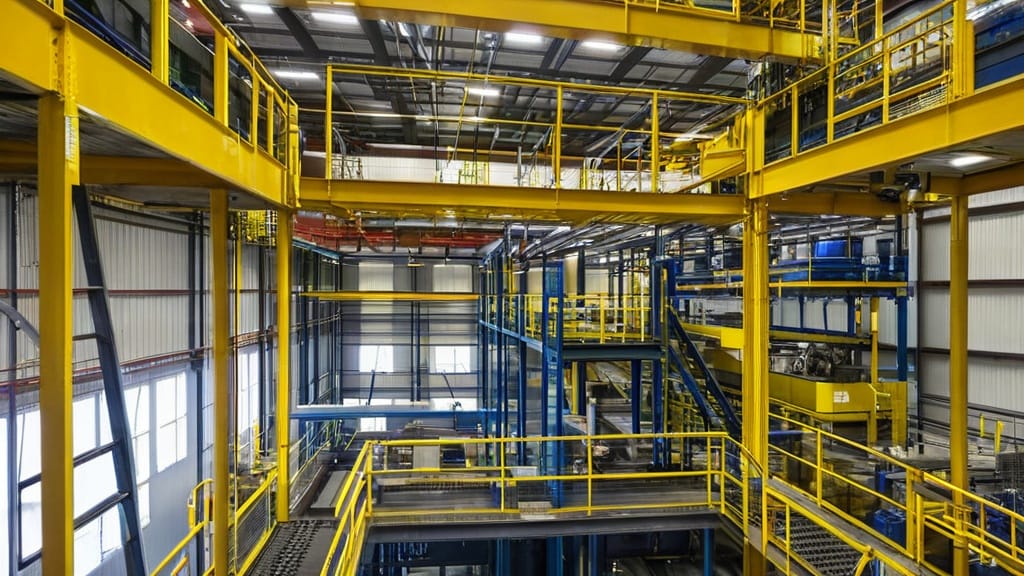
The gas handling facility audited by Elion is a mid-sized operation specializing in the storage and distribution of natural gas. Located in a region with a high demand for energy resources, this facility plays a crucial role in supplying gas to both residential and industrial customers. The facility includes various components such as storage tanks, compression units, and distribution pipelines, all of which require meticulous attention to safety protocols.
Given its operational scale and complexity, the facility presents unique challenges in maintaining process safety standards. Prior to the audit, the facility had implemented several safety measures, including regular training programs for employees and routine maintenance checks on equipment. However, there were concerns regarding the adequacy of these measures in addressing potential hazards associated with gas handling operations.
Elion’s audit aimed to provide an independent assessment of the facility’s safety practices, focusing on identifying gaps in compliance and areas where enhancements could be made. The audit team comprised experts with extensive experience in process safety management, ensuring a thorough evaluation of the facility’s operations.
Methodology and Criteria Used by Elion for the Process Safety Audit
Elion employs a multi-faceted methodology for conducting process safety audits that encompasses both qualitative and quantitative assessments. The audit begins with a comprehensive review of existing documentation, including safety policies, incident reports, and training records. This initial phase allows auditors to gain insights into the facility’s safety culture and operational practices.
Following this document review, Elion conducts site visits to observe operations firsthand, engage with employees, and assess compliance with established safety protocols. The criteria used by Elion for the audit are based on industry best practices and regulatory standards. Key areas of focus include hazard identification and risk assessment, operational procedures, emergency response plans, and employee training programs.
Elion utilizes tools such as checklists and risk matrices to systematically evaluate each aspect of the facility’s operations. Additionally, interviews with personnel at various levels provide valuable perspectives on the effectiveness of current safety measures and highlight potential areas for improvement. This comprehensive approach ensures that the audit captures a holistic view of the facility’s process safety performance.
Findings and Recommendations from Elion’s Audit
| Audit Parameter | Details | Findings | Recommendations |
|---|---|---|---|
| Facility Name | Elion Gas Handling Facility | N/A | N/A |
| Audit Date | April 2024 | N/A | N/A |
| Audit Scope | Process Safety Management Systems, Equipment Integrity, Emergency Response | Identified gaps in equipment maintenance records | Implement digital maintenance tracking system |
| Process Safety Metrics | Number of Safety Incidents (Last 12 months) | 2 minor incidents reported | Enhance operator training and supervision |
| Equipment Inspection | Pressure Relief Valves, Gas Detectors, Emergency Shutdown Systems | All equipment functional but some calibration overdue | Schedule immediate calibration and regular checks |
| Emergency Preparedness | Emergency Drills and Response Plans | Drills conducted bi-annually, response time within acceptable limits | Increase drill frequency to quarterly |
| Training | Process Safety Training Hours per Employee | Average 12 hours/year | Increase to 20 hours/year focusing on hazard recognition |
The findings from Elion’s audit revealed several critical areas where the gas handling facility could enhance its process safety management practices. One significant observation was the need for improved hazard identification processes. While the facility had conducted some risk assessments, there were gaps in identifying potential hazards associated with specific operations, particularly during maintenance activities.
Elion recommended implementing more robust hazard analysis techniques, such as Job Safety Analysis (JSA) and Process Hazard Analysis (PHA), to ensure that all potential risks are systematically evaluated. Another key finding was related to employee training programs. Although training sessions were conducted regularly, feedback from employees indicated that some training materials were outdated or not sufficiently tailored to specific job functions.
Elion suggested revamping the training curriculum to incorporate more hands-on exercises and scenario-based learning that reflects real-life situations encountered in gas handling operations. This approach would not only enhance employee engagement but also improve retention of critical safety information.
Implementation of Recommendations and Follow-up Actions

Following the audit, the gas handling facility took immediate steps to implement Elion’s recommendations. A dedicated task force was established to oversee the enhancement of hazard identification processes. This team was responsible for developing new protocols for conducting risk assessments and ensuring that all employees were trained on these updated procedures.
Additionally, the facility invested in new software tools designed to facilitate more effective hazard analysis and documentation. In terms of employee training, the facility collaborated with Elion to develop a revised training program that included interactive workshops and simulations tailored to specific roles within the organization. This initiative aimed to foster a deeper understanding of process safety principles among employees while also promoting a culture of accountability regarding safety practices.
Follow-up actions included regular check-ins with employees to gather feedback on the new training materials and assess their effectiveness in improving safety awareness.
Impact of Elion’s Process Safety Audit on the Gas Handling Facility
The impact of Elion’s process safety audit on the gas handling facility has been profound and multifaceted. One immediate effect was an increased awareness of process safety among employees at all levels of the organization. The revised training programs not only equipped staff with essential knowledge but also encouraged open discussions about safety concerns and best practices.
This cultural shift has led to greater employee engagement in safety initiatives and a collective commitment to maintaining high standards of operational integrity. Furthermore, the implementation of enhanced hazard identification processes has resulted in more thorough risk assessments being conducted prior to any operational changes or maintenance activities. This proactive approach has significantly reduced the likelihood of incidents occurring due to unrecognized hazards.
The facility has also reported improvements in compliance with regulatory requirements, as evidenced by successful inspections following the audit. Overall, Elion’s process safety audit has catalyzed a transformation within the facility, positioning it as a leader in safety performance within the industry.
Conclusion and Future Considerations for Process Safety in Gas Handling Facilities
As gas handling facilities continue to evolve in response to changing regulations and technological advancements, ongoing attention to process safety remains paramount. The lessons learned from Elion’s audit underscore the importance of continuous improvement in safety practices and employee engagement in fostering a culture of accountability. Future considerations should include regular reviews of safety protocols to adapt to new challenges and emerging risks within the industry.
Additionally, leveraging technology such as data analytics and predictive modeling can enhance hazard identification efforts and improve decision-making processes related to process safety management. As facilities strive for operational excellence, collaboration with experts like Elion will be essential in navigating complex regulatory landscapes and ensuring that best practices are consistently applied across all aspects of gas handling operations. By prioritizing process safety as an integral component of their business strategy, gas handling facilities can not only protect their employees and assets but also contribute positively to their communities and the environment.
Elion recently conducted a thorough process safety audit at a gas handling facility, ensuring compliance with industry standards and enhancing operational safety. For those interested in further improving safety measures, a related article on essential components of safety audits can be found here: 5 Key Areas to Include in Your Manufacturing Safety Audit Checklist. This resource provides valuable insights into best practices for conducting effective safety audits in various manufacturing environments.
Need expert assistance with process safety audit? Contact Elion Technologies and Consulting Pvt. Ltd. now.
FAQs
What is a process safety audit?
A process safety audit is a systematic evaluation of a facility’s processes, equipment, and safety management systems to ensure compliance with safety standards and to identify potential hazards that could lead to accidents or incidents.
Why was the process safety audit conducted at the gas handling facility?
The audit was conducted to assess the safety measures in place, verify compliance with industry regulations, identify any risks or vulnerabilities, and recommend improvements to enhance the overall safety of the gas handling operations.
Who conducted the process safety audit at the gas handling facility?
Elion, a company specializing in safety and risk management services, conducted the process safety audit at the gas handling facility.
What are the key areas evaluated during a process safety audit?
Key areas typically evaluated include equipment integrity, operational procedures, emergency response plans, hazard identification and risk assessment, employee training, maintenance practices, and compliance with relevant safety regulations.
What benefits does a process safety audit provide to a gas handling facility?
The audit helps identify potential safety risks, ensures regulatory compliance, improves operational safety, reduces the likelihood of accidents, enhances employee awareness, and supports continuous improvement in safety management.
How often should process safety audits be conducted?
The frequency of process safety audits depends on regulatory requirements, the complexity of operations, and the facility’s risk profile. Generally, audits are conducted periodically, such as annually or biennially, or after significant changes in operations.
What happens after the process safety audit is completed?
After completion, a detailed report is provided outlining findings, identified risks, and recommendations for corrective actions. The facility management then implements necessary improvements to address any issues highlighted during the audit.
Is process safety audit mandatory for gas handling facilities?
While requirements vary by jurisdiction, process safety audits are often mandated by regulatory bodies to ensure safe operation of facilities handling hazardous materials like gas. Compliance helps prevent accidents and ensures public and environmental safety.