
Elion’s Safety Audit is a systematic evaluation program designed to assess and improve safety protocols in industrial facilities, with particular focus on high-risk sectors including petrochemical operations. The audit process examines current safety measures, identifies potential hazards, and recommends improvements to operational practices and safety culture. The program aims to reduce workplace risks, protect personnel from exposure to hazardous materials, ensure environmental protection, and maintain compliance with applicable safety regulations.
Safety audits are essential in industries where operational failures can result in significant consequences including injuries, fatalities, environmental damage, and regulatory violations. Elion’s audit methodology combines qualitative and quantitative assessment techniques to provide comprehensive analysis of facility safety performance. The evaluation process includes data collection from facility management, operational staff, and safety professionals to ensure accurate assessment of existing conditions and practices.
The audit framework emphasizes stakeholder engagement across all organizational levels to establish effective safety protocols and promote consistent implementation of safety measures throughout daily operations. This systematic approach provides facilities with actionable recommendations for enhancing safety performance and maintaining regulatory compliance.
Key Takeaways
- Elion conducted a comprehensive safety audit at a petrochemical storage facility to assess current safety standards.
- The audit employed systematic methodologies to identify potential hazards and compliance gaps.
- Key findings highlighted critical safety risks and areas needing immediate attention.
- Recommendations focused on enhancing safety protocols and implementing advanced preventive measures.
- Post-audit, the facility saw significant safety improvements and developed plans for ongoing safety management.
Overview of the Petrochemical Storage Facility
The petrochemical storage facility under review is a sprawling complex designed to handle a variety of chemicals, including flammable liquids and gases. This facility plays a pivotal role in the supply chain, storing raw materials that are essential for producing a wide range of products, from plastics to pharmaceuticals. Given the nature of the materials stored, the facility is subject to stringent regulations and must adhere to best practices in safety management to prevent accidents and environmental contamination.
The layout of the facility is meticulously planned to optimize both efficiency and safety. Storage tanks are strategically placed to minimize risks associated with leaks or spills, while access routes are designed to facilitate quick emergency response. Additionally, the facility employs advanced technology for monitoring and controlling the storage environment, including temperature and pressure sensors that provide real-time data to operators.
However, despite these measures, the complexity of operations and the potential for human error necessitate regular safety audits to ensure that all systems function as intended and that personnel are adequately trained to respond to emergencies. Please ensure your workplace complies with all regulations by scheduling a Safety Audit today.
Methodology of the Safety Audit
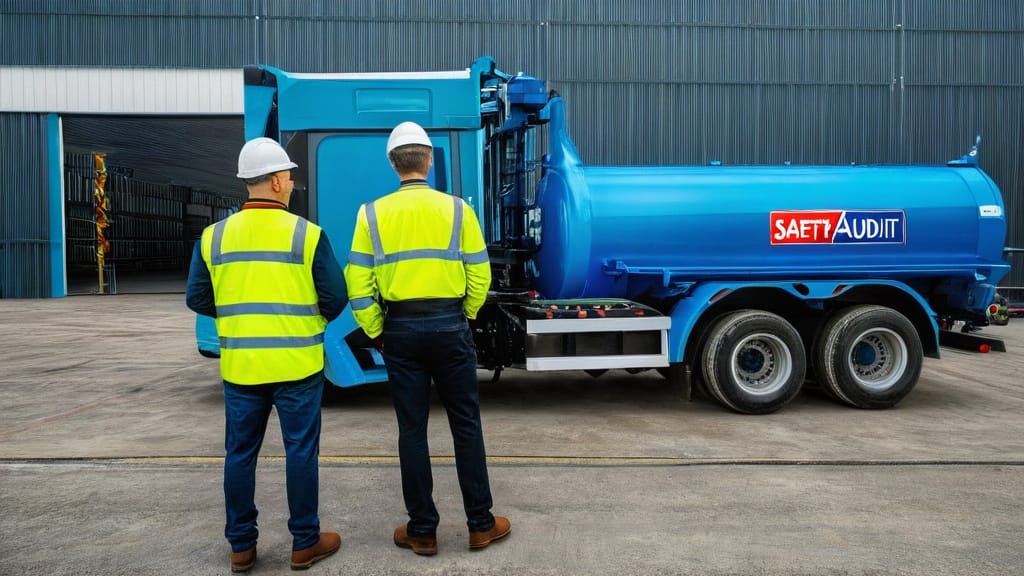
Elion’s safety audit methodology is structured around several key components designed to provide a holistic view of the facility’s safety practices. The process begins with a comprehensive document review, where existing safety policies, incident reports, and training records are analyzed. This initial phase helps auditors understand the current safety framework and identify any gaps in documentation or compliance with regulatory requirements.
Following the document review, auditors conduct site inspections to observe operations firsthand. This involves walking through various sections of the facility, examining storage tanks, pipelines, and safety equipment. During these inspections, auditors engage with employees to discuss their roles and responsibilities regarding safety protocols.
This interaction not only provides valuable insights into the effectiveness of training programs but also helps identify any discrepancies between written procedures and actual practices on the ground. Furthermore, interviews with key personnel, including management and safety officers, are conducted to gather perspectives on safety culture and areas for improvement.
Findings and Observations from the Audit
The findings from Elion’s safety audit revealed several critical observations regarding the facility’s safety practices. One significant issue identified was the inconsistency in adherence to established safety protocols among employees. While many workers demonstrated a strong understanding of safety procedures, others appeared less familiar with emergency response plans or proper handling techniques for hazardous materials.
This inconsistency raises concerns about potential risks during routine operations or emergencies. Another notable finding was related to equipment maintenance and inspection routines. The audit uncovered instances where maintenance schedules had not been strictly followed, leading to concerns about the reliability of critical safety equipment such as fire suppression systems and leak detection sensors.
Additionally, some areas of the facility lacked adequate signage indicating emergency exits or hazard warnings, which could hinder evacuation efforts during an incident. These observations underscore the need for enhanced training programs and regular refresher courses to ensure that all employees are equipped with the knowledge necessary to maintain a safe working environment.
Recommendations for Improving Safety Measures
| Audit Parameter | Details | Findings | Recommendations |
|---|---|---|---|
| Audit Date | April 15, 2024 | N/A | N/A |
| Facility Location | Houston, TX | N/A | N/A |
| Audit Scope | Storage tanks, pipelines, safety equipment, emergency response | Identified minor corrosion on Tank 3, outdated emergency signage | Corrosion treatment, update signage, conduct staff safety training |
| Number of Safety Checks | 50 | 45 passed, 5 require attention | Immediate repair of faulty valves and replacement of worn hoses |
| Emergency Response Readiness | Drills and equipment inspection | Drills conducted quarterly, equipment mostly compliant | Increase drill frequency to monthly, replace expired fire extinguishers |
| Overall Safety Rating | Based on audit metrics | Good (85%) | Continuous monitoring and improvement recommended |
Based on the findings from the audit, several recommendations were proposed to enhance safety measures within the petrochemical storage facility. First and foremost, it is essential to implement a comprehensive training program that emphasizes not only initial onboarding but also ongoing education for all employees. This program should include regular drills that simulate emergency scenarios, allowing workers to practice their responses in a controlled environment.
By reinforcing knowledge through practical application, employees will be better prepared to act swiftly and effectively in real-life situations. Additionally, establishing a robust maintenance schedule for all safety equipment is crucial. This includes regular inspections and testing of fire suppression systems, leak detection devices, and personal protective equipment (PPE).
A dedicated team should be assigned to oversee maintenance activities and ensure compliance with established protocols. Furthermore, enhancing signage throughout the facility can significantly improve awareness of hazards and emergency procedures. Clear visual indicators can guide employees during emergencies, reducing confusion and facilitating quicker evacuations.
Implementation of Safety Measures

The implementation of recommended safety measures requires a structured approach that involves collaboration among various stakeholders within the facility. To begin with, management must prioritize safety by allocating resources for training programs and equipment maintenance initiatives. This commitment should be communicated clearly to all employees, fostering a culture where safety is viewed as a shared responsibility rather than merely a compliance requirement.
To facilitate effective training implementation, Elion can develop partnerships with external safety organizations or consultants who specialize in petrochemical operations. These experts can provide tailored training sessions that address specific challenges faced by the facility. Additionally, establishing a feedback mechanism where employees can report safety concerns or suggest improvements can empower workers to take an active role in enhancing safety practices.
Regular meetings should be held to discuss progress on implementing recommendations and address any emerging issues.
Impact of the Safety Audit on the Facility
The impact of Elion’s safety audit on the petrochemical storage facility has been profound. Following the audit’s completion and subsequent implementation of recommendations, there has been a noticeable shift in the facility’s safety culture. Employees have become more engaged in safety discussions, demonstrating increased awareness of potential hazards and their roles in mitigating risks.
This heightened awareness has led to a reduction in near-miss incidents and an overall improvement in compliance with established protocols. Moreover, management has reported enhanced communication regarding safety issues across all levels of the organization. Regular safety meetings have become a platform for sharing experiences and best practices, fostering collaboration among departments that may have previously operated in silos.
The audit has also prompted investments in technology upgrades, such as advanced monitoring systems that provide real-time data on storage conditions, further enhancing operational safety.
Future Plans for Ensuring Continued Safety
Looking ahead, Elion is committed to ensuring that safety remains a top priority within the petrochemical storage facility. Future plans include conducting regular follow-up audits to assess the effectiveness of implemented measures and identify new areas for improvement. These audits will not only evaluate compliance but also gauge employee engagement in safety initiatives.
Additionally, Elion aims to establish a continuous improvement framework that encourages innovation in safety practices. This may involve exploring new technologies such as predictive analytics for risk assessment or incorporating virtual reality simulations for training purposes. By staying at the forefront of industry advancements and fostering an adaptive safety culture, Elion seeks to create an environment where safety is ingrained in every aspect of operations.
In conclusion, Elion’s Safety Audit has laid a solid foundation for enhancing safety measures within the petrochemical storage facility. Through diligent assessment, targeted recommendations, and ongoing commitment from all stakeholders, the facility is poised to achieve higher standards of safety while minimizing risks associated with hazardous materials. The journey towards an exemplary safety culture is ongoing; however, with strategic planning and collaboration, Elion is well-equipped to navigate future challenges while prioritizing the well-being of its workforce and the surrounding community.
Elion recently conducted a safety audit at a petrochemical storage facility, emphasizing the importance of rigorous safety measures in high-risk environments. This audit aligns with our commitment to ensuring safety across various sectors, as highlighted in our article on electrical safety services, which discusses how proactive measures can prevent accidents and fires. For more insights, you can read the article here.
Need expert assistance with Safety Audit}? Contact Elion Technologies and Consulting Pvt. Ltd. now.
FAQs
What is the purpose of a safety audit at a petrochemical storage facility?
A safety audit at a petrochemical storage facility is conducted to evaluate the effectiveness of safety protocols, identify potential hazards, ensure compliance with industry regulations, and recommend improvements to prevent accidents and ensure the safety of personnel and the environment.
Who typically conducts safety audits at petrochemical storage facilities?
Safety audits are usually conducted by specialized safety professionals or third-party auditing firms with expertise in petrochemical operations and safety standards. In this case, the company Elion conducted the audit.
What are the key areas assessed during a safety audit at a petrochemical storage facility?
Key areas assessed include storage tank integrity, fire prevention systems, emergency response plans, employee safety training, hazardous material handling procedures, environmental protection measures, and compliance with relevant safety regulations.
How often are safety audits conducted at petrochemical storage facilities?
The frequency of safety audits varies depending on regulatory requirements, company policies, and risk assessments. Typically, audits are conducted annually or biannually, with additional inspections following any incidents or significant changes in operations.
What outcomes can be expected from a safety audit conducted by Elion?
Outcomes include a detailed report highlighting strengths and weaknesses in safety practices, recommendations for corrective actions, identification of potential risks, and strategies to enhance overall safety and regulatory compliance at the facility.
Why is it important to conduct safety audits in petrochemical storage facilities?
Conducting safety audits is crucial to prevent accidents such as fires, explosions, or chemical leaks, protect workers and nearby communities, minimize environmental impact, and ensure the facility operates within legal and industry safety standards.
What actions are taken after a safety audit is completed?
After the audit, the facility management reviews the findings and implements recommended corrective measures, updates safety protocols, provides additional training if necessary, and schedules follow-up audits to ensure continuous improvement in safety performance.